Whether a Collie Should Try Herding Sheep
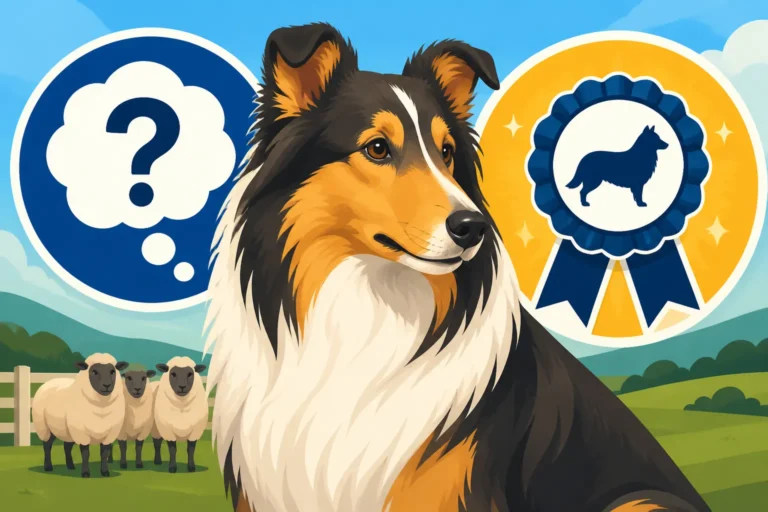
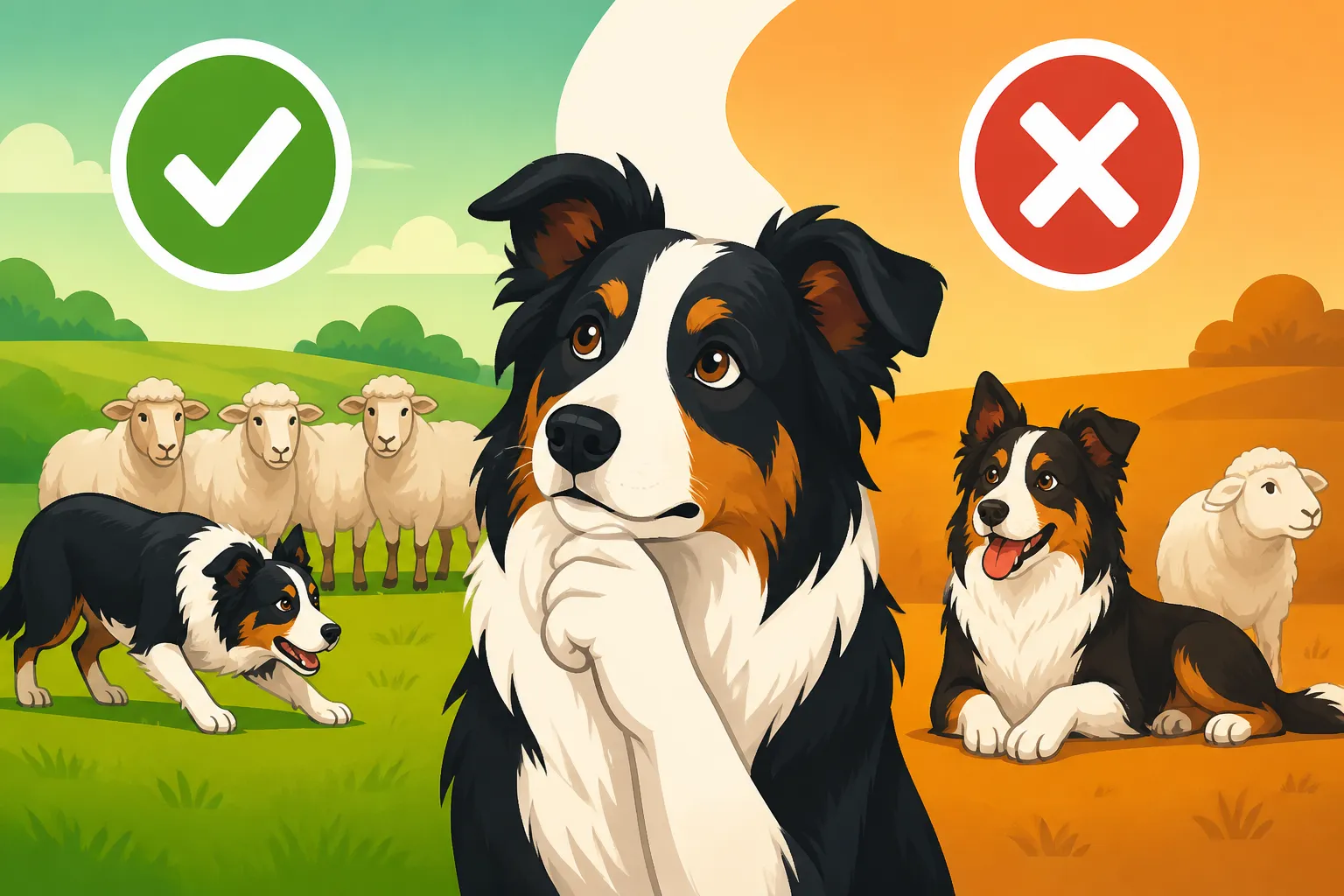
It's a common daydream for many Collie owners: seeing their magnificent dog, bred for generations to work stock, gracefully moving a flock of sheep across a field. You see their strong herding instincts in everyday life—maybe they gently nudge your kids into a group, or try to gather all the toys in one spot. But the leap from "couch herder" to genuine sheepdog feels monumental, and you might wonder if it’s even fair to ask your beloved family member to perform a job so ingrained in their past. This guide is here to walk you through that journey, exploring whether your Collie genuinely has the drive and disposition for herding sheep, how to safely explore this instinct, and what other avenues exist for fulfilling their innate potential.
The Enduring Herding Instinct in Collies
The romantic image of the Collie as a loyal, intelligent herding dog isn't just movie magic; it's rooted deeply in their history. While many Collies today live pampered lives as cherished family pets, that underlying instinct, that undeniable drive to gather and control, often bubbles just beneath the surface. Understanding where this comes from and how it manifests in modern Collies is the first step in deciding if sheep herding is right for your furry friend.
Tracing Their Ancestry: From Scottish Drovers to Family Companions
Imagine the rugged Scottish Highlands, long before paved roads and GPS. Sheep were a primary source of livelihood, and the hardy, intelligent dogs that helped manage them were indispensable. These were the ancestors of our modern Collies, tasked with a demanding job: moving flocks across vast, often treacherous landscapes, protecting them, and bringing them safely to market. Their keen intelligence, protective nature, and sensitivity to their handler's cues made them perfect partners for these drovers. The Collie Was a Scottish Droving Dog Before It Was a Show Dog delves deeper into this fascinating history.
Over generations, especially from the Victorian era onward, the Collie's role began to shift. They became beloved companions, show dogs, and even canine movie stars. Breeders focused more on aesthetics and temperament suitable for family life. While this evolution has given us the gentle, devoted Collies we adore today, it didn't completely erase their working heritage. The genetic blueprint for herding remains, perhaps dormant in some lines, but very much alive in others, waiting for the right stimulus to emerge.
Even if your Collie comes from a long line of show champions or pampered pets, that ancient call can still resonate. It’s not about recreating a lost past, but recognizing that deep within their DNA, the desire to work, to organize, and to guide is still present. This means that even a Collie whose ancestors haven't seen a sheep in a century might still surprise you with a strong, natural instinct once introduced to livestock. It's a testament to the power of selective breeding and the enduring nature of their purpose.
Recognizing Herding Behaviors in Your Pet Collie
So, how do you know if your Collie has that innate herding spark? You might already be seeing subtle signs in their daily behavior, often without realizing it. Many Collies exhibit what we call "household herding" behaviors. This could involve trying to keep family members, especially children, in a group. They might gently nudge, block paths, or even give a soft "nip" at heels in an attempt to direct movement. It's their instinct kicking in, trying to maintain order in their "flock"—your family.
Another common manifestation is the "Collie stare." This isn't just intense eye contact; it's a focused, almost predatory gaze often accompanied by a low body posture, aimed at controlling movement. Your Collie might do this to a squirrel in the yard, a toy, or even another pet. They're not necessarily aggressive, but rather displaying that inherent drive to exert influence over something that moves. If your Collie spends a lot of time orbiting you or other family members, keeping everyone loosely together, it's a clear signal of their herding tendencies. We talk more about this in Why a Collie Herds Your Children.
These behaviors, while sometimes inconvenient (especially the heel-nipping!), are vital clues. They indicate a dog that isn't just playing or being mischievous, but rather expressing a deep-seated instinct. When these traits are channeled constructively, they can lead to an incredibly rewarding experience for both you and your Collie. It’s about understanding their language and providing an appropriate outlet for what they're naturally inclined to do, rather than suppressing it entirely.
Nature vs. Nurture: Does Every Collie Want to Herd?
It’s crucial to understand that while the potential for herding is in virtually every Collie, the desire and ability to actually do it varies greatly. Genetics play a huge role. Collies from working lines are far more likely to have a strong, immediate, and effective herding instinct than those from primarily show or pet lines. However, a pet-bred Collie can absolutely possess a keen instinct, sometimes to the owner's surprise. It's not a guarantee, but it's always a possibility worth exploring.
Beyond genetics, individual personality, early experiences, and even environment contribute. A shy, timid Collie might be overwhelmed by the movement of sheep, even if they have some instinct. Conversely, a bold, confident Collie might take to it like a fish to water. Some Collies might have a "strong eye," meaning they use an intense stare to control sheep, while others are "loose-eyed," relying more on their physical presence and movement. Neither is inherently better, just different styles.
Ultimately, not every Collie needs to herd sheep to be happy and fulfilled. Many find immense satisfaction in other activities that tap into their intelligence and physical capabilities, like obedience, agility, or scent work. The key is to recognize if your individual Collie shows signs of an unfulfilled instinct and then decide if herding sheep is the right avenue to explore that. It's about respecting their individuality, even within a breed known for a specific trait.
The Benefits of Herding for a Collie's Well-being
For a breed as intelligent and sensitive as the Collie, simply having their basic needs met (food, shelter, a walk) often isn't enough for true contentment. They thrive on purpose, on mental engagement, and on working alongside their human companions. Herding sheep can provide an unparalleled outlet for these deep-seated needs, offering benefits that extend far beyond mere physical exercise.
Mental Stimulation and Problem-Solving
Herding is a complex dance of instinct, intelligence, and communication. It's not just running around after sheep; it requires constant observation, quick decision-making, and nuanced responses to both the stock and the handler. For a Collie, whose mind is always active, this is incredibly stimulating. They have to figure out how to influence the sheep's movement, anticipate their next move, and respond to your subtle cues—all simultaneously. This kind of work uses their brain in a way that few other activities can.
Think about it: a regular walk, while physically beneficial, doesn't challenge a Collie's problem-solving skills to the same degree. Herding engages their natural intellect, giving them a "job" that truly makes them think. This mental workout is often more tiring and satisfying for a Collie than hours of mindless running. A tired mind often leads to a calmer, more content dog at home. This aligns perfectly with the idea that Forty Five Minutes a Day, and Half of It in Its Head is what a Collie truly needs for fulfillment.
When a Collie is mentally stimulated, many common behavioral issues rooted in boredom or frustration—like excessive barking, destructive chewing, or incessant demand barking—can diminish dramatically. They’ve had an outlet for their intelligence, they’ve felt productive, and they’ve worked closely with their favorite person. This mental fulfillment fosters a well-adjusted dog who feels understood and valued, leading to a much more peaceful household.
Physical Exercise and Conditioning
While herding is a mental marathon, it's also a significant physical workout. Chasing, flanking, stopping on a dime, and moving around a flock of sheep demands agility, speed, and endurance. It’s an incredibly dynamic activity that engages a wide range of muscles and improves cardiovascular health. Unlike repetitive activities like treadmill running, herding involves varied terrain and unpredictable movements, building balanced strength and coordination.
A typical herding session, even a short one, can be equivalent to a much longer, less intensive walk. The bursts of speed, sudden stops, and changes in direction provide a full-body workout that's hard to replicate elsewhere. This kind of natural, functional exercise is excellent for maintaining a Collie's physical condition, keeping them lean and agile into their senior years. Just be sure to build up their fitness gradually, especially if they’re starting from a lower activity level.
Of course, adequate physical exercise is a cornerstone of any dog's health. While herding provides an intensive burst, it doesn't replace daily activity. However, it significantly contributes to their overall fitness, helping them burn off excess energy in a constructive way. Combined with regular walks and playtime, herding can create a wonderfully balanced exercise routine for your Collie, contributing to their long-term health and vitality. You can learn more about daily activity in How Much Exercise a Collie Needs Daily.
Building Confidence and a Stronger Bond
For many Collies, particularly those on the more sensitive side, the initial experience of herding can be a profound confidence booster. They learn to trust their instincts, to read the stock, and to act purposefully. Under the guidance of a good instructor, they discover their own power and efficacy in a safe, controlled environment. This newfound confidence often spills over into other areas of their life, making them more self-assured and less anxious overall.
Furthermore, herding is a partnership. It requires intense communication and trust between you and your Collie. You learn to read their subtle cues, and they learn to rely on your guidance. This collaborative effort deepens your bond in a way that few other activities can. You're working as a team, using centuries of inherited instinct to accomplish a shared goal. This shared experience fosters mutual respect and understanding, creating an unbreakable connection.
The satisfaction a Collie gets from successfully moving stock, from working in harmony with their human, is palpable. You'll see it in their bright eyes, their eager posture, and their contented sighs afterward. It's a feeling of accomplishment that resonates deeply with their breed's historical purpose. This enrichment makes them happier, more fulfilled companions, bringing a unique dimension to your relationship that transcends everyday pet ownership.
Is Your Collie a Good Candidate for Herding Sheep?
Deciding whether to introduce your Collie to herding sheep isn't a snap decision. It requires an honest assessment of your dog's individual traits, health, and previous training. Not every Collie is suited for it, and pushing a dog into an activity they dislike or that compromises their health is never the right approach. Let's look at the key factors to consider.
Assessing Temperament and Drive
The first, and arguably most important, factor is your Collie's temperament and inherent drive. A good herding candidate will typically display a strong, but not frantic, interest in movement. They might show a keen "eye" on the sheep, moving with purpose and exhibiting a desire to control the stock, rather than just chasing them playfully or trying to make friends. Dogs that are overly shy, fearful, or aggressive are generally not good candidates for herding. Fear can make them overwhelmed by the sheep, while aggression can lead to dangerous situations for the livestock.
Look for a Collie that is responsive to your presence and cues, even when excited. While they need drive, they also need to be trainable and willing to work with you. A dog that is completely oblivious to your commands when aroused by the sheep will be difficult to manage and potentially unsafe. A qualified herding instructor can help you assess your Collie's natural instincts through an instinct test, which is designed to bring out their innate abilities in a controlled, low-pressure setting. This kind of assessment is invaluable. What a Herding Instinct Test Involves for a Collie provides more detail on this process.
It's also important to differentiate between natural herding instinct and simple prey drive. While they can look similar, a true herding dog wants to control the movement of the flock, to gather and guide, not to catch or harm. A dog with an overwhelming prey drive who views the sheep as a chase object or potential meal is not a suitable herding dog. An experienced instructor will be able to tell the difference and guide you accordingly, ensuring the safety of the livestock and your dog.
Health Considerations Before Starting
Herding sheep is physically demanding, involving bursts of speed, quick turns, and sustained periods of movement across uneven terrain. Therefore, your Collie's physical health is paramount. Before embarking on any herding journey, a thorough veterinary check-up is absolutely essential. Your vet can assess their overall fitness, cardiac health, and, most importantly for a herding dog, their joint health.
Collies, like many breeds, can be prone to certain orthopedic conditions such as hip dysplasia or elbow dysplasia. These conditions, if present, can be exacerbated by the strenuous movements involved in herding. An experienced vet might recommend X-rays to assess joint integrity, especially if your Collie is from a lineage with known orthopedic issues or if they show any signs of lameness or discomfort. Starting a high-impact activity with underlying joint problems could lead to pain, injury, and a lifetime of chronic issues. Learn more about Hip Dysplasia in a Collie.
Beyond joints, consider their stamina and overall conditioning. If your Collie is typically a "couch potato," they'll need a gradual conditioning program before hitting the fields. Build up their cardiovascular fitness with longer walks and runs, and ensure they are at a healthy weight. A Collie that is overweight or out of shape will tire quickly, be more prone to injury, and simply won't enjoy the activity as much. Their health should always come first, ensuring that herding is a joy, not a strain.
Age and Previous Training
While some herding instructors will accept very young puppies for instinct development, most agree that a Collie should have a solid foundation of basic obedience before formally beginning herding training. A reliable recall, a solid "stay," and the ability to walk calmly on a leash are non-negotiable for safety, especially around live stock. These commands establish communication and control, which are vital when working with animals that have their own minds.
Age is another factor. Most Collies are ready to start serious herding work between 9 months and 2 years, once their bones are mature and they have some self-control. Starting too young, especially with intense pressure, can be detrimental to their physical development and can lead to burnout or a negative association with herding. While an older Collie can certainly learn to herd, especially if they show strong natural instincts, they might take longer to condition and may not have the same stamina as a younger dog.
If your Collie lacks basic manners or is easily distracted, consider enrolling in a good basic obedience class first. Programs like those offered by BAXTER & Bella can be incredibly helpful for establishing a strong foundation of communication and cooperation, which will make any specialized training, including herding, much smoother and more enjoyable for both you and your Collie. A well-mannered dog is a safe dog, and safety is always paramount when working with live animals.
Finding the Right Introduction to Herding
Once you've assessed your Collie's suitability and committed to exploring their herding potential, the next critical step is finding the right environment and guidance. This isn't an activity you can simply "try" on your own with a few borrowed sheep. Proper instruction in a safe, controlled setting is absolutely essential for the well-being of both your dog and the livestock.
Locating a Reputable Herding Instructor and Facility
This is perhaps the single most important decision you'll make. A good herding instructor understands canine behavior, breed-specific nuances (especially for Collies, who are sensitive), and livestock behavior. They prioritize safety for the dogs, the sheep, and the handlers. Look for instructors who use positive reinforcement methods and emphasize building a partnership between dog and handler, rather than relying on harsh corrections or intimidation.
Word-of-mouth recommendations from other Collie owners or breed club members are often the best way to find a reputable facility. Many regional Collie clubs maintain lists of trusted instructors. When you contact potential instructors, ask about their experience with Collies, their training philosophy, and what their typical introductory process looks like. A good instructor will be happy to answer your questions and invite you to observe a session before you commit.
A reputable facility will also maintain healthy, calm stock. The sheep used for training should be accustomed to dogs and not overly flighty or aggressive. The training area should be securely fenced and free of hazards. Avoid any instructor who seems dismissive of your concerns, pressures you into techniques you’re uncomfortable with, or whose stock appears stressed or poorly cared for. The right environment will make all the difference in fostering a positive herding experience for your Collie.
Starting with Herding Instinct Tests
For most Collies, the journey into herding begins with an instinct test. This isn't a pass/fail exam, but rather a supervised introduction to livestock designed to observe and evaluate your dog's natural herding potential. Typically, your Collie will be introduced to a small group of sheep in a fenced round pen with an experienced instructor. The instructor will guide the dog, encouraging natural behaviors and ensuring the safety of the stock.
During an instinct test, the instructor is looking for specific behaviors: an interest in the sheep, a desire to move them, circling, an "eye" (intense stare), and responsiveness to the handler's presence. They'll observe how your Collie handles pressure, if they try to gather, and whether they show a natural balance point with the stock. It's a low-stress way to see if that inherent instinct is truly there and to what degree. What a Herding Instinct Test Shows in a Collie will give you a deeper understanding of what these tests entail.
Even if your Collie shows minimal interest, or if their interest is more predatory than herding, the instinct test provides valuable information. It helps you decide if pursuing herding further is worthwhile, or if channeling their energies into other activities might be a better fit. It's a beautiful moment to witness your Collie connecting with their ancestral roots, and often, owners are amazed at what their dog naturally knows how to do.
Essential Gear and Safety Measures
While specialized herding equipment isn't typically needed for initial instinct tests, a few basic items are crucial for safety and comfort. Always bring your Collie on a sturdy leash and a well-fitting flat collar or martingale collar. Avoid harnesses that encourage pulling, as precise control is important. Many herding facilities have specific leashes they recommend or provide for working in the pen.
Hydration is also key. Herding sessions, even short ones, can be quite strenuous, especially on warmer days. Bring plenty of fresh water and a bowl for your Collie. Ensure they have a cool, comfortable place to rest between turns. You might also consider a crate or ex-pen to keep them safe and relaxed when they're not actively working. Some owners find durable leashes and bowls on platforms like Amazon, offering a wide selection to suit their needs.
Safety for both dog and sheep is paramount. Always follow your instructor's directions precisely. Never enter the pen without permission, and keep your Collie on-leash until instructed otherwise. Learn to read your dog's body language for signs of stress or over-excitement, and be prepared to take a break if needed. An experienced instructor will guide you through all necessary safety protocols, ensuring a positive and secure experience for everyone involved.
What to Expect During Herding Training
So, your Collie has shown a spark, and you've found a great instructor. What happens next? Herding training is a journey, not a destination, and it's filled with learning, challenges, and immense satisfaction. It requires patience, consistency, and a willingness to understand both your dog and the sheep.
The Initial Stages: Introducing Dog to Stock
After an instinct test, formal training often begins by re-introducing your Collie to a small group of calm sheep in a controlled environment, usually a round pen or a small, securely fenced area. The focus here is on helping your dog understand that their natural instincts can be channeled and refined. The instructor will observe your Collie's natural movement and "feel" for the sheep, offering guidance to you as the handler on how to encourage desired behaviors and gently discourage inappropriate ones.
At this stage, much of the work is done with the instructor's direct help, often with them on a long line with your dog, or actively positioning themselves to influence the dog's movement. You, as the handler, will primarily be learning to read your dog's subtle cues and the sheep's reactions. It's about developing a rhythm, a silent language between dog, handler, and stock. The goal is to move the sheep calmly and purposefully, not to scatter them in a frenzy.
It's completely normal for Collies to be wildly excited or even a little overwhelmed during these first few sessions. They're discovering a deep-seated part of themselves! The instructor's role is crucial in ensuring that this excitement is channeled productively and that your Collie doesn't develop bad habits like chasing or gripping (biting) the stock. Patience is your best friend here; progress might seem slow at first, but each small step is a building block for future success.
Learning the Basics: Flanking and Driving
Once your Collie understands the basic concept of moving stock, training progresses to teaching specific commands. The most fundamental commands in herding are "flank" commands (like "walk up," "come by," or "away to me") which direct the dog to move clockwise or counter-clockwise around the sheep. You'll learn how to use your voice, body position, and sometimes a herding stick (used as an extension of your arm, not a weapon) to communicate these directions clearly.
Another core skill is "driving," which means moving the sheep away from the handler. This is often more challenging for Collies, as their natural instinct is to gather the sheep to the handler. Teaching them to push the sheep away requires breaking down their natural inclination and building new patterns of behavior. This is where your bond and clear communication become absolutely vital. You're asking them to do something that feels counter-intuitive to their inherent design.
Many training resources exist to help handlers understand these commands, from books to online courses. For instance, BAXTER & Bella, known for their online puppy training programs, also offers resources that can help build strong foundational obedience and communication skills that translate well into herding, even if they don't offer specific herding courses. The more clearly you can communicate, the faster your Collie will grasp these nuanced instructions.
Progression and Potential Challenges
As your Collie advances, the complexity of tasks will increase. You'll move from small round pens to larger fields, learning to move larger flocks, negotiate obstacles, and eventually, perform more intricate patterns like shedding (separating specific sheep from the flock) or penning. Each new challenge builds upon the last, strengthening your Collie's skills and their understanding of the work.
However, herding training is rarely a straight line of success. There will be days when your Collie seems to forget everything they learned, when the sheep are uncooperative, or when your own frustration gets the better of you. Collies are sensitive, and they pick up on your emotions. If you're stressed, they're likely to become stressed. How Long a Collie Remembers a Bad Session highlights their sensitivity and the importance of positive experiences.
Challenges might include your Collie developing too much "eye" and freezing the sheep, or conversely, being too "loose" and not having enough control. They might try to take shortcuts, or become too forceful. A good instructor will help you navigate these issues, offering strategies to correct undesirable behaviors without damaging your Collie's confidence or enthusiasm. It's about celebrating the small victories and learning from the setbacks, always keeping the joy of the work at the forefront.
Beyond Sheep: Other Ways to Satisfy a Collie's Instinct
Not every Collie owner has access to sheep, or the time and resources for formal herding training. That doesn't mean your Collie's innate instincts have to go unfulfilled! There are many wonderful, engaging activities that can tap into their intelligence, desire to work, and inherent herding drives, providing similar mental and physical benefits.
Urban Herding and Treibball
For those in urban or suburban environments, traditional sheep herding is often impractical. Enter "urban herding," or more specifically, Treibball. This sport, sometimes called "push ball," involves the dog herding large inflatable exercise balls into a goal. It's an excellent way to simulate herding without livestock, using many of the same principles of direction, control, and teamwork.
Treibball requires a Collie to use their intelligence to strategize how to move the ball, and their body language to direct it. It builds confidence, focuses their energy, and strengthens the bond between dog and handler. The equipment is readily available – you can find sturdy exercise balls on platforms like Amazon – and it can be practiced in a park, a large backyard, or even an empty tennis court.
This sport is a fantastic mental and physical workout, offering an accessible alternative for Collies who love to work but don't have access to sheep. It teaches them patience, impulse control, and how to respond to directional cues, all while satisfying that deep-seated desire to "herd" something. Plus, watching a Collie master pushing a giant ball is incredibly fun and rewarding for both dog and owner.
Obedience, Rally, and Agility
These popular canine sports are fantastic alternatives for Collies, as they tap into many of the same qualities that make them good herding dogs: intelligence, eagerness to please, athleticism, and a strong bond with their handler.
- Obedience requires precision, focus, and a strong understanding of commands. Collies often excel in obedience because of their natural desire to please and their sharp minds. It provides structure and mental stimulation, challenging them to perform complex sequences with accuracy. Whether a Collie Excels at Rally and Obedience delves into this more.
- Rally Obedience is a more relaxed, but still mentally engaging, version of obedience. Teams navigate a course with various stations, performing different exercises at each. It builds teamwork and communication in a fun, flowing way.
- Agility is a high-energy sport that involves navigating an obstacle course (jumps, tunnels, weave poles). It's a superb outlet for a Collie's physical prowess and requires quick thinking, body awareness, and a strong handler-dog partnership. Collies, with their natural athleticism and grace, often shine in agility. You can learn more about this in Whether a Collie Can Do Agility.
These sports offer regular training opportunities, a community of like-minded individuals, and titles that can be earned, providing a sense of accomplishment for both you and your Collie. They channel energy and intelligence into constructive outlets, preventing boredom and potential behavioral issues.
Advanced Scent Work and Problem-Solving Games
Collies also possess a keen sense of smell and a natural problem-solving ability, which can be wonderfully engaged through scent work or various puzzle games.
- Scent Work/Nose Work taps into a dog's most powerful sense, allowing them to use their nose to find hidden target odors. This is incredibly mentally tiring and satisfying for a dog. It builds confidence, focus, and independence, and can be practiced anywhere – from your living room to a park. Whether a Collie Takes to Scent Work is a great read on this topic.
- Puzzle Feeders and Enrichment Toys are simple, everyday tools that can provide mental stimulation. Instead of just eating from a bowl, your Collie has to work to get their food out of a puzzle toy, engaging their brain and making mealtime a more enriching experience.
- Interactive Games like "find it" (where they search for hidden treats or toys), learning new tricks, or even structured play sessions where you ask them to "gather" specific items, can all provide mental engagement. These activities fulfill their need for a "job" without requiring sheep, keeping their minds sharp and spirits high.
The beauty of these alternatives is their accessibility. Many can be done at home with minimal equipment, making it easy to integrate mental enrichment into your Collie's daily routine. The goal is always to provide an outlet for their inherent intelligence and drive, fostering a happy, well-adjusted companion, whether they ever meet a sheep or not.
Disclaimer
This article is for general informational purposes only and does not constitute professional advice. Laws, prices and regulations vary by location and change over time. Consult a qualified professional for guidance on your specific situation.