What a Herding Instinct Test Shows in a Collie
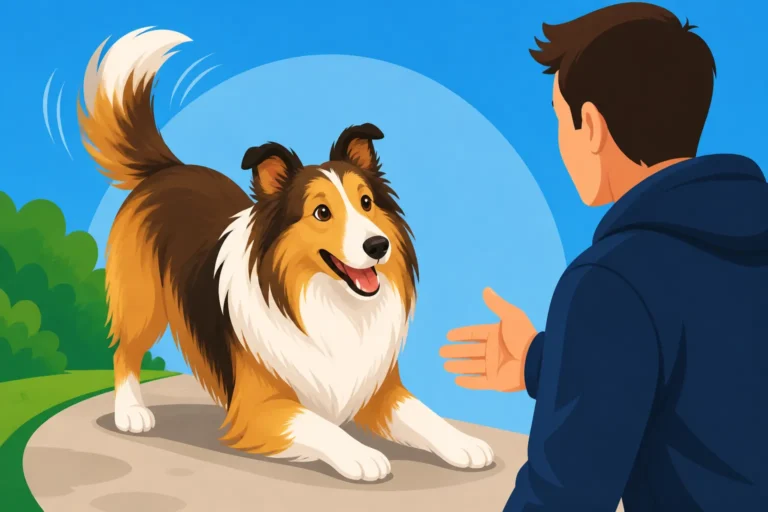
It's an exciting moment when you realize your beautiful Collie, known for their calm demeanor and flowing coat, actually has a deep-seated instinct to herd. Many Collie owners find themselves wondering if their beloved companion truly carries the ancient working drive of their ancestors. You might observe them subtly circling your children, trying to "gather" other pets, or even nudging you in a particular direction. This guide is here to unravel the mystery of the herding instinct test, detailing what it actually shows in a Collie, how to interpret the results, and what that means for enriching your dog's life, whether or not you ever step foot into a trial ring.
Understanding the Herding Instinct Test for Your Collie
Many people are familiar with the image of a Border Collie zipping around a flock of sheep, but forget that our elegant Collies share a similar, albeit often softer, heritage. The herding instinct test, or H.I.T., is designed to reveal these inherent behaviors in a controlled and safe environment. It’s not about how well your dog can herd, but if they possess the foundational instincts at all. It's a peek into their genetic blueprint, a chance to see the echoes of their working past.
What Exactly Is an H.I.T.?
Think of a Herding Instinct Test as an introductory lesson on a very small scale. Your Collie, typically on a long line for safety and guidance, is introduced to a small group of livestock – usually sheep or ducks, though sometimes goats. The test isn't about training your dog to perform commands; it's about observing their natural, uninfluenced reaction to moving animals. A qualified instructor, who understands both herding behavior and the Collie breed specifically, watches for a series of innate responses. This isn't a stressful trial, but rather a carefully managed experience where the dog's safety and comfort are paramount. The goal is simply to see if the lights come on, if that ancient spark of herding intelligence is present and ready to be fanned into a flame. Many people take their Collies to a test out of pure curiosity, not necessarily with aspirations of competition, simply to honor their dog's heritage. What a Herding Instinct Test Involves for a Collie delves deeper into the practicalities of the day.
The Setup: What to Expect on Test Day
When you arrive at a herding facility for an H.I.T., you'll usually find a fenced arena or small pasture. The instructor will typically chat with you first, getting a feel for your Collie's personality, any prior experiences, and what you hope to gain from the test. Then, your Collie will be introduced to the stock, usually on a long leash or line held by the instructor, which ensures both the dog's and the animals' safety. The instructor won't give commands to the dog in a traditional sense, but rather guides the situation to allow the dog's natural instincts to emerge. They might move with the dog, or use their own body language to encourage the Collie to interact with the flock. It's a fascinating process to watch, and often, owners are surprised by what their seemingly laid-back companion suddenly reveals. You might see a flash of intense focus, a sudden movement to gather the sheep, or a gentle nudge that speaks volumes about their inherent drive.
The Telltale Signs: What Instincts Does the Test Reveal?
A herding instinct test doesn't just give you a "yes" or "no" answer; it reveals the quality and type of instinct your Collie possesses. It's like looking at a raw diamond – you can see its potential, even before it's cut and polished. Different Collies will display different facets of their herding heritage. Some might be intensely focused, while others are more exploratory and less direct.
The "Eye" and Gathering Drive
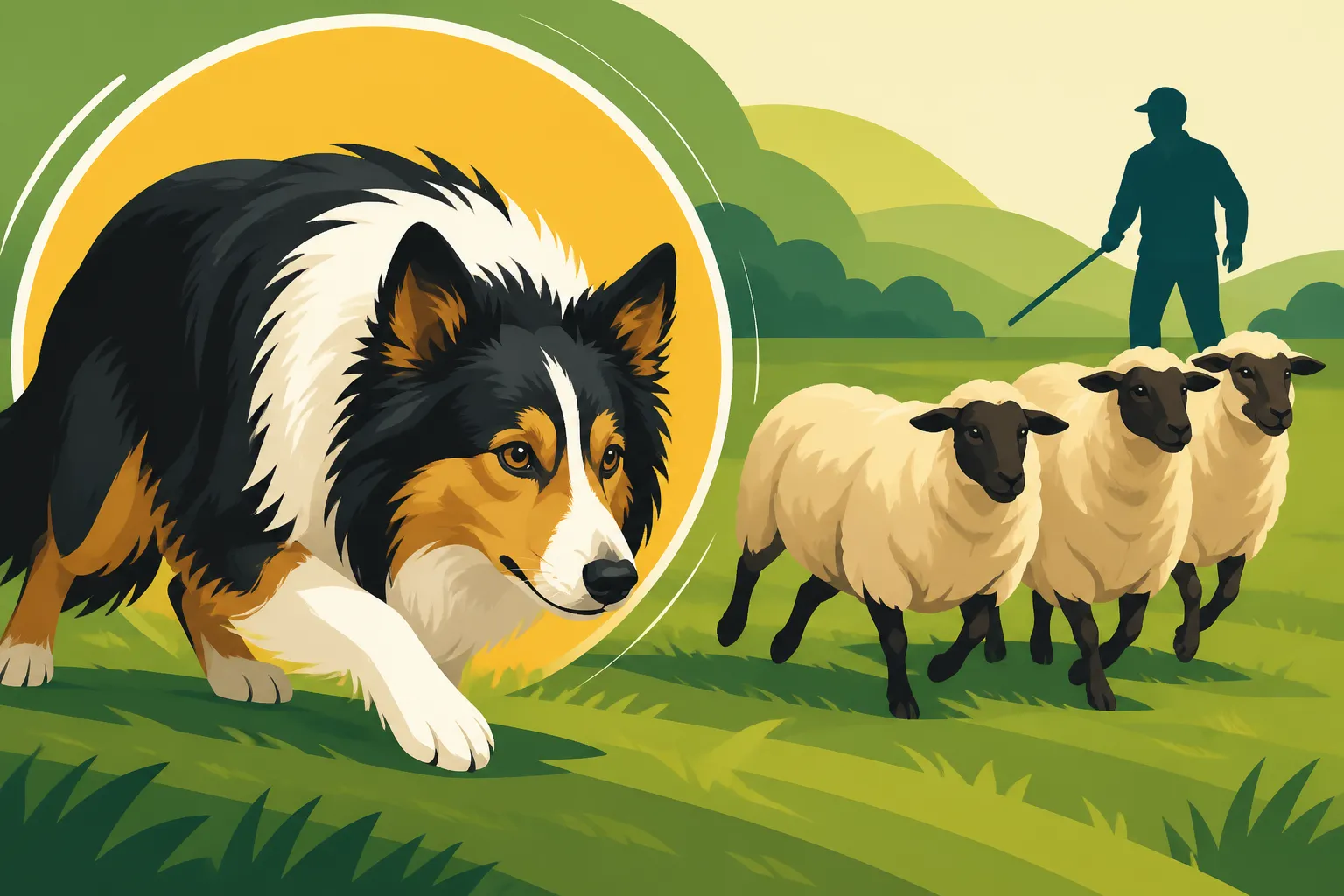
One of the most characteristic traits observed in herding dogs, including Collies, is "the eye." This isn't just a casual glance; it's an intense, focused stare at the stock, almost mesmerizing them. A Collie with a strong "eye" will often lower their head, fix their gaze, and move with a deliberate, almost stalking gait, using their presence to influence the movement of the animals. This intense focus is often linked to the "gathering drive," which is the instinct to bring the flock to the handler. You'll see your Collie attempting to circle the sheep, nudging them together, and trying to keep them as a cohesive unit. This isn't aggressive, but a powerful, ancient urge to collect and control. It's a breathtaking moment for many owners to witness, seeing their loyal companion connect with such a fundamental part of their breed's history. This gathering instinct is a hallmark of many herding breeds, a trait that makes them excellent partners for farmers.
Pushing, Driving, and Natural Leadership
Beyond the "eye" and gathering, the test also looks for pushing and driving behaviors. Pushing is exactly what it sounds like: moving into the flock to propel them forward. Driving is the more refined act of moving the flock away from the handler or in a specific direction. While Collies are often thought of as "gathering" dogs, they can certainly display strong driving instincts, especially with proper guidance. The instructor will also observe how your Collie responds to the livestock's movement and resistance. Do they give up easily, or do they show persistence? Do they understand how to use their body to influence the flock's direction? A dog that naturally positions itself behind the flock, working to move them forward, is showing excellent driving potential. It's about seeing if your Collie shows a natural understanding of how to manage and direct the animals, even without formal training. This subtle communication and leadership is at the heart of what makes a true herding dog.
Decoding the Results: More Than Just a Pass or Fail
After your Collie has had their turn, the instructor will provide feedback. It's important to remember that this isn't a pass/fail situation in the way a school exam might be. It's an assessment of innate potential. Every Collie is an individual, and their results will be unique.
What "Having Instinct" Really Means
"Having instinct" doesn't mean your Collie is ready to be a farm dog overnight. It means they possess the raw, genetic ingredients for herding. The instructor might describe your Collie as having a "strong gathering instinct," a "soft eye," or perhaps a "developing push." They might note whether your Collie was "sticky" on the stock (very focused) or more "loose" (prone to breaking off and investigating). This feedback is incredibly valuable because it helps you understand your dog's natural inclinations. For instance, a Collie with a strong but sometimes overwhelming urge to gather might need different training than one with a softer, more hesitant approach. It helps you tailor future activities to their natural talents. Sometimes, an instructor might even point out specific behaviors that remind you of how your Collie interacts with family members, like trying to keep everyone in the same room. Why a Collie Herds Your Children is a great read if you see this type of behavior at home.
Using the Information to Enrich Your Collie's Life
So, you've done the H.I.T. and you have a better understanding of your Collie's innate drive. What next? The beauty of this knowledge is that it opens up a world of possibilities for enrichment. Even if you never intend to compete, understanding their instincts allows you to provide outlets that satisfy their natural desires.
For a Collie with a clear herding instinct, this might mean:
- Exploring Further Training: Many facilities offer beginner herding classes that build on these instincts, teaching control and communication. This can be an incredibly rewarding journey for both dog and owner.
- Targeted Play: If formal herding isn't an option, you can redirect those instincts into structured play. Games involving retrieving multiple toys, pushing large balls, or even specific 'flirt pole' games can tap into their desire to chase and gather.
- Mental Stimulation: Herding is deeply mentally engaging. Puzzle toys, scent work, or advanced obedience can provide similar mental challenges. You can find excellent brain games and training aids on sites like Amazon to keep your Collie mentally sharp.
- Understanding Their Quirks: Knowing your Collie has a herding drive can explain behaviors like circling family members, nudging people, or being overly concerned with the location of everyone in the house. It's not rudeness; it's instinct.
For those interested in delving deeper into training, online resources like BAXTER & Bella offer comprehensive programs that can help you build a strong foundation of obedience and communication, which is invaluable whether you pursue herding or any other dog sport. Your Collie may not need a traditional "job," but they certainly thrive when their intelligence and instincts are acknowledged and channeled positively. Whether a Pet Collie Should Try Herding offers a thoughtful perspective on this very question.
Deciding if a Herding Instinct Test is Right for Your Collie
Not every Collie owner needs to pursue an H.I.T., and not every Collie should participate. It's a personal choice based on your dog's temperament, your goals, and your access to appropriate facilities. However, there are some compelling reasons to consider it.
The Benefits Beyond the Trial Ring
Even if you never plan to earn a title, an H.I.T. offers several significant benefits. Firstly, it provides invaluable insight into your individual Collie's personality and drives. This deeper understanding can help you manage their behavior at home, anticipate their reactions, and create a more harmonious living environment. For example, if you know your Collie has a strong herding instinct, you might understand why they are so prone to chasing squirrels or attempting to round up children during playtime. This insight helps you be a more empathetic and effective owner. Secondly, it's a fantastic form of enrichment. Engaging your Collie in an activity that taps into their genetic predispositions can be profoundly satisfying for them, reducing boredom and potential behavioral issues that stem from a lack of mental stimulation. It builds confidence and strengthens the bond between you and your dog, as you learn to communicate and work together on a primal level. Plus, it's simply fascinating to watch your Collie "work" in their element.
When to Consider an Alternative Path
While many Collies thrive on herding, it's not a universal fit. If your Collie is particularly shy, fearful of new environments, or shows aggressive tendencies towards other animals, an H.I.T. might not be the best first step. The goal is to provide a positive experience, not to stress your dog. Furthermore, some Collies simply don't have a strong herding instinct, or it might be too subtle to meaningfully engage. And that's perfectly okay! Not every Labrador retrieves, and not every Collie herds. If your Collie isn't interested in stock, or if herding facilities aren't accessible, there are countless other activities that can satisfy their intelligence and desire to work with you. Agility, obedience, rally, scent work, or even advanced trick training can all provide excellent mental and physical exercise. The key is to find what your individual Collie loves and excels at, and support them in that journey. Whether it's showing off in the obedience ring as discussed in Whether a Collie Is Competitive in Obedience, or simply enjoying long walks, every Collie deserves to have their unique talents celebrated.
Below is a table summarizing what a herding instinct test typically observes and what those observations might indicate about your Collie's natural drives.
| Observed Herding Behavior | Description | Potential Implication for Your Collie |
|---|---|---|
| "The Eye" (Fixated Stare) | Intense, focused gaze on the livestock, often with a lowered head. | Strong control instinct, good potential for focused herding work. |
| Gathering/Circling | Attempting to move around the stock to bring them together or towards handler. | Innate desire to collect and manage a flock; typical of many Collies. |
| Driving/Pushing | Moving directly into the flock to propel them forward or away from handler. | Shows initiative and ability to direct movement; good for moving stock. |
| Nipping/Gripping | Light nipping at the heels or flanks of the stock (rare in pure Collies). | More common in other breeds, but shows strong desire to move stubborn stock. |
| Flanking | Moving wide around the stock to change their direction or position. | Good understanding of how to influence stock movement. |
| Pressure Sensitivity | How the Collie reacts to stock moving towards or away from them. | Indicates confidence and ability to handle livestock interaction. |
| Prey Drive | Interest in chasing or "hunting" the stock (undesirable for herding). | Instinct is not true herding; needs careful redirection or different outlet. |
| Avoiding Stock | Disinterest, fear, or a desire to stay away from the animals. | Low or absent herding instinct; other activities would be more suitable. |
Ultimately, a herding instinct test is just one tool in your arsenal to understand your Collie better. It's a fascinating way to honor their heritage and potentially unlock a new dimension of enjoyment and partnership with your magnificent dog.
Disclaimer
This article is for general informational purposes only and does not constitute professional advice. Laws, prices and regulations vary by location and change over time. Consult a qualified professional for guidance on your specific situation.