Whether a Pet Collie Should Try Herding
It’s a thought that crosses the minds of many Collie owners, doesn't it? You look at your beautiful, majestic companion lounging on the rug, perhaps occasionally nudging a wandering cat, and you can't help but wonder if there’s a hidden sheepdog just waiting to emerge. After all, Collies were bred for herding, but does that mean your beloved pet, who spends their days chasing squirrels in the park and napping by your feet, should try their paw at working livestock? This guide will dive deep into the world of Collie herding instinct, helping you understand if and how your pet Collie might benefit from exploring their ancestral roots.
The Enduring Herding Instinct in Pet Collies
Even if your Collie's pedigree traces through generations of show champions and beloved family pets rather than working farm dogs, there's a strong chance that the instinct to herd still hums quietly within them. It’s hardwired into their DNA, a legacy from their ancestors who diligently gathered and moved livestock across the Scottish hills. This isn't just about chasing; it's a complex set of behaviors including stalking, eye contact, circling, and gathering.
Where Does the Instinct Come From?
Collies, both Rough and Smooth varieties, descend from dogs developed to work with shepherds. This isn't just a historical footnote; it’s the very essence of their breed. Unlike some breeds where working traits have been diluted over centuries of selective breeding purely for appearance or companionship, Collies generally retain a discernible herding drive. It might manifest differently in a pet home – perhaps a strong desire to keep the family together in one room, a tendency to circle running children, or even a watchful, intense stare directed at other dogs at the park. Whether a Collie Still Has Working Instinct These are all echoes of their past.
It's important to remember that instinct isn't a "switch" that's either on or off; it's a spectrum. Some pet Collies might have a very strong, undeniable urge to herd, constantly trying to gather people or objects. Others might have a much softer, less overt instinct that only awakens when presented with the right stimulus, like a flock of sheep. The level of instinct often varies, even within the same litter, and it’s not always obvious in their everyday pet life until you give them an outlet.
Recognizing Herding Behavior in Your Pet
So, how do you know if your couch potato Collie has that latent herding spark? Beyond the obvious nipping at heels or circling, look for subtle cues. Does your Collie position themselves between you and a perceived "stray" family member? Do they try to "collect" toys scattered around the room, bringing them all to one spot? Observe how they interact with children or other pets; a gentle nudge, a watchful stance, or a desire to keep everyone close could be indicators.
One common manifestation is the "Collie stare" – an intense, focused gaze that can be quite powerful. This "eye" is a crucial tool for herding dogs, used to influence the movement of sheep without physical contact. You might see this when your Collie is intently watching a squirrel, another dog, or even just waiting for you to throw a ball. If you've ever wondered Why a Collie Herds Your Children or why they seem to always want to keep the family together, it's very likely their innate herding instinct at play.
Benefits and Considerations of Trying Herding with Your Collie
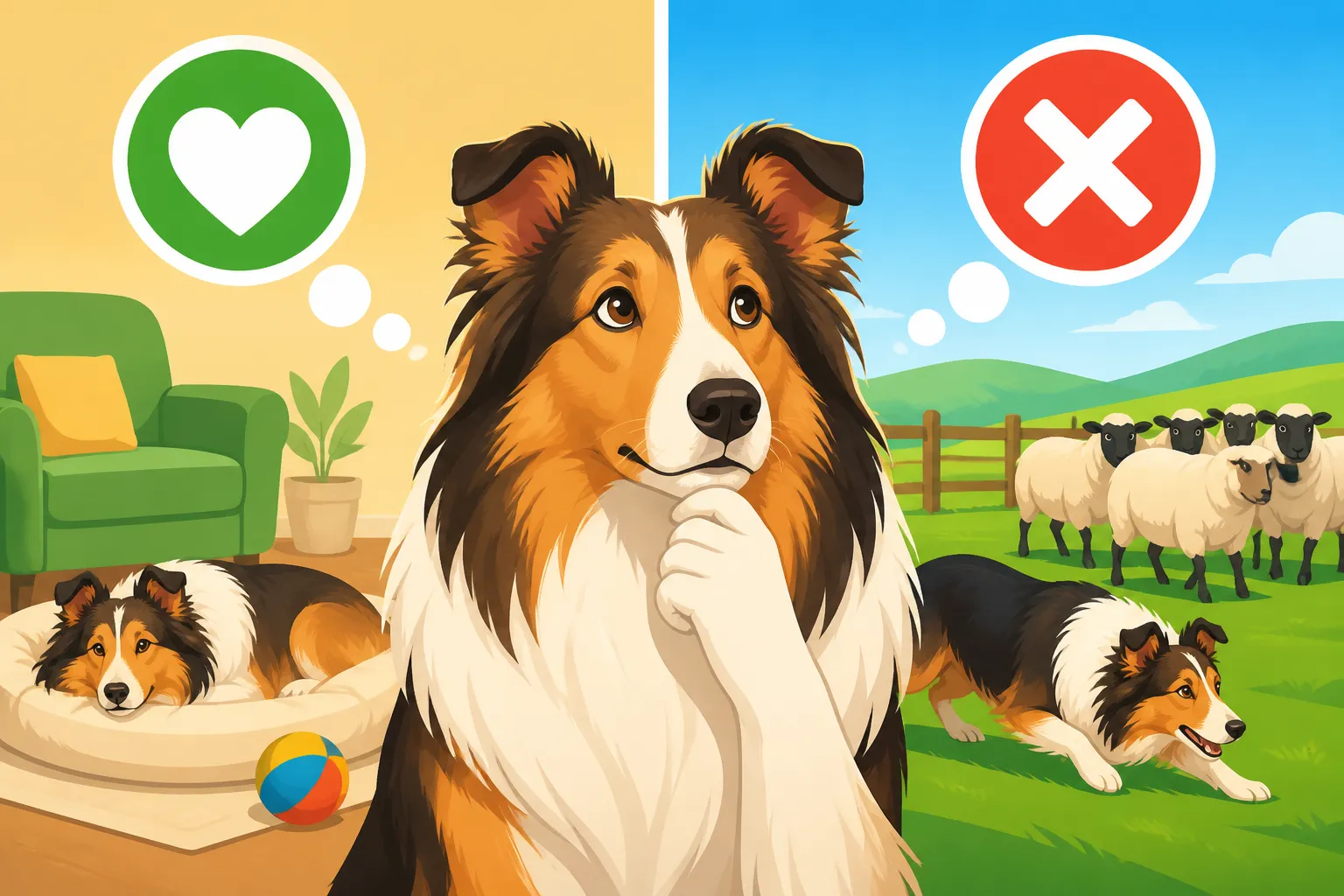
Deciding whether to introduce your pet Collie to herding is a personal choice, and there are certainly pros and cons to weigh. It’s not just about proving they can do it; it’s about what it means for their well-being and your relationship.
The Rewards: Mental and Physical Enrichment
For many Collies, tapping into their herding instinct can be incredibly fulfilling. It's like giving a puzzle-lover a challenging new brain teaser – they thrive on it. Herding offers unparalleled mental stimulation, engaging their problem-solving skills, focus, and intricate communication abilities. It asks them to think, react, and make decisions, which is far more enriching than a simple walk around the block. Forty Five Minutes a Day, and Half of It in Its Head suggests that mental work is as important as physical exercise for a Collie.
Physically, herding can be a fantastic workout. It involves bursts of running, quick changes of direction, and sustained focus, which builds stamina and agility. Unlike some repetitive activities, herding is dynamic and constantly evolving, ensuring your Collie remains engaged and challenged. This kind of focused activity can also strengthen the bond between you and your dog, as you learn to communicate and work together in a new, exciting way. Witnessing your pet Collie instinctively respond to the sheep, often with a grace and confidence you might not see in their everyday life, is truly a rewarding experience. It can boost their confidence and give them a sense of purpose.
Important Considerations Before Starting
While the benefits are clear, there are practical considerations. First, access to a legitimate herding facility with experienced instructors and suitable livestock is paramount. This isn't something you can safely or effectively try in your backyard with your neighbor's chickens. Herding sheep requires specific knowledge and a controlled environment to ensure the safety of both your dog and the animals.
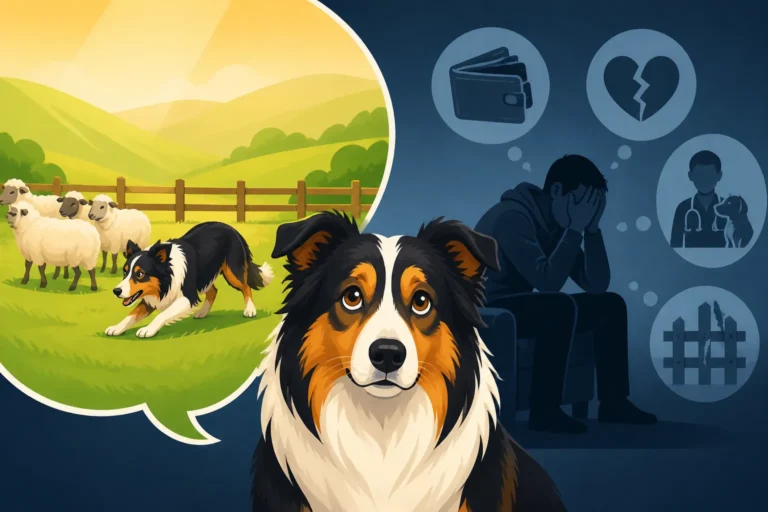
Time and Financial Commitment: Exploring herding takes time – not just for the sessions themselves, but for travel to a facility and potentially for follow-up practice. There's also a financial aspect. Herding instinct tests, training sessions, and facility fees can add up. You might find yourself budgeting for What Herding Instinct Testing Costs a Collie Owner or ongoing lessons.
Potential for Overstimulation or Stress: Some Collies, especially those with very high prey drive or a naturally anxious temperament, might find the initial introduction to livestock overwhelming. It’s crucial to watch your dog's body language closely. Signs of stress could include excessive panting, lip-licking, yawning, tail tucked, or an inability to focus. A good instructor will prioritize your dog's comfort and well-being above all else. Not every Collie is destined to be a herding prodigy, and forcing the issue could create a negative association.
Safety: Livestock can be dangerous if not handled correctly. A dog that is too aggressive, too timid, or simply untrained can injure themselves or the sheep. Always work with a professional who prioritizes safety for all involved.
How to Explore Herding Safely with Your Collie
If you’re intrigued by the idea of letting your Collie explore their herding instincts, taking the right steps is crucial. It’s not about just throwing them into a field with sheep; it’s a guided, educational process.
Finding a Reputable Herding Instructor and Facility
The very first step is to locate a reputable herding facility or instructor in your area. Look for professionals who specialize in herding breeds and have experience with Collies specifically. They should emphasize positive reinforcement, safety, and a gradual introduction to livestock. Word-of-mouth from other Collie owners or inquiries through your local breed club can be excellent resources. Many facilities offer "herding instinct tests" or introductory clinics designed to assess your dog's natural aptitude in a safe, controlled environment.
During these initial assessments, an experienced instructor can observe your Collie's innate behaviors around sheep or ducks. They'll look for signs of the "eye," the desire to gather, and how your dog moves the livestock. They can also tell you if your particular Collie seems to enjoy the experience or if it’s causing them undue stress. Remember, it's okay if your Collie isn't keen on it; the goal is enrichment, not championship.
Introducing Your Collie to Livestock
Once you've found a good instructor, the introduction to livestock will be carefully managed. Typically, a small group of docile sheep or sometimes ducks are used, as they are less intimidating than cattle. The instructor will guide you and your Collie, often starting on a long line, to ensure safety and control. They’ll teach you how to read your dog’s body language and how to give clear, calm commands.
It's a delicate balance: encouraging the natural instinct without overwhelming the dog or allowing them to become too rough. Your instructor might recommend specific gear, like a working harness, to give you more control and ensure your Collie is comfortable. When it comes to fueling these activities, consider high-quality nutrition. Brands like Ollie, known for fresh, human-grade ingredients, can provide the sustained energy an active herding dog needs. Similarly, for general supplies and training aids, Chewy offers a vast selection, from durable leashes to puzzle toys that further engage a Collie's intelligent mind outside of herding sessions.
Observing and Understanding Your Collie's Response
This is perhaps the most important part. Pay close attention to your Collie. Are they excited? Engaged? Focused? Or are they hesitant, fearful, or even overly aggressive? A successful herding session isn't just about moving the sheep; it's about your dog performing the task with enthusiasm and confidence.
If your Collie shows a genuine interest and enjoys the work, it can become a wonderful hobby. If they seem indifferent or stressed, there's no shame in deciding it's not for them. Collies are intelligent and sensitive dogs, and forcing an activity they don't enjoy can damage your relationship and their overall well-being. There are plenty of other dog sports and activities that provide mental and physical stimulation without involving livestock, such as Whether a Collie Excels at Rally and Obedience or scent work.
What to Expect if Your Pet Collie Shows Herding Aptitude
So, your Collie has been to an instinct test, and they love it! They've shown a natural talent and an undeniable passion for moving those sheep. What's next for your budding working dog?
The Path of Continued Training
If your Collie shows promise and enjoyment, the next step is usually continued training. This isn't just "more of the same"; it involves learning increasingly complex commands and handling techniques. You'll work on teaching your Collie to flank (move left or right around the stock), walk up (move directly towards the stock), stop, and lie down on command, all while maintaining control and partnership.
This process can be incredibly rewarding, seeing your Collie develop their skills and confidence. You might join a local herding club or community, which can be a great way to meet like-minded owners and gain access to more advanced training opportunities. It's a journey, not a destination, and you'll both learn a tremendous amount along the way. Your instructor will guide you on how frequently to train and what kind of progress to expect.
Balancing Herding with Pet Life
Even if your Collie develops into a skilled herding dog, it's crucial to remember they are still your pet. Herding should be an enjoyable hobby, an outlet for their natural drives, and not their sole purpose. A well-rounded life for a pet Collie includes plenty of affection, regular exercise, mental games at home, and social interaction. Don't let the pursuit of herding override their need for simply being a cherished member of your family.
You might find that engaging in herding actually makes your Collie a calmer, more contented companion at home, as their innate drives are being satisfied in a productive way. It's a beautiful way to honor their heritage while still providing them with all the comforts and love of a pet home.
Planning for the Long Haul: Health and Safety
As with any activity that involves physical exertion and potentially unpredictable elements (like livestock!), considering your Collie's long-term health is wise. Active dogs can sometimes be more prone to minor injuries or strains. Having a good pet insurance plan from a provider like Healthy Paws can offer peace of mind, covering unexpected veterinary costs that might arise from an enthusiastic tumble or a minor sprain in the field. Whether Pet Insurance Is Worth It on a Collie is a common question, and for an active dog, the answer is often yes.
Ensure your Collie is always up-to-date on vaccinations and receives regular vet check-ups. Discuss their herding activities with your veterinarian to ensure they remain in peak physical condition for the demands of the sport. Regular conditioning exercises at home, combined with proper nutrition (perhaps a performance-oriented diet from Chewy's extensive selection), will contribute to their longevity and ability to enjoy herding for years to come.
Ultimately, whether your pet Collie tries herding or not is a decision based on their individual temperament, your resources, and your shared interests. For many, it's a profound connection to their breed's history and a deeply satisfying activity for both dog and owner.
| Aspect | Reasons to Consider Trying Herding for Your Pet Collie | Considerations Before Starting Herding |
|---|---|---|
| Mental Stimulation | Fulfills innate cognitive drives, reduces boredom, enhances problem-solving skills. | Can be overwhelming for sensitive or overly anxious Collies. |
| Physical Exercise | Provides robust, varied workout; builds stamina, agility, and coordination. | Risk of minor injuries or strains if not properly conditioned or supervised. |
| Bonding | Deepens partnership and communication through shared activity and mutual understanding. | Requires significant owner commitment to learning and participation. |
| Instinct Fulfillment | Allows dog to express natural, hardwired behaviors in a safe, productive manner. | Not all pet Collies will have sufficient instinct or interest to enjoy it. |
| Confidence Building | Can boost a dog's self-assurance and sense of purpose. | Requires access to qualified instructors and suitable livestock. |
| Lifestyle Integration | Can lead to a more contented, balanced pet when instincts are met. | Involves time commitment, travel, and financial investment. |
Disclaimer
This article is for general informational purposes only and does not constitute professional advice. Laws, prices and regulations vary by location and change over time. Consult a qualified professional for guidance on your specific situation.