Whether a Dog Walker Is Enough for a Collie
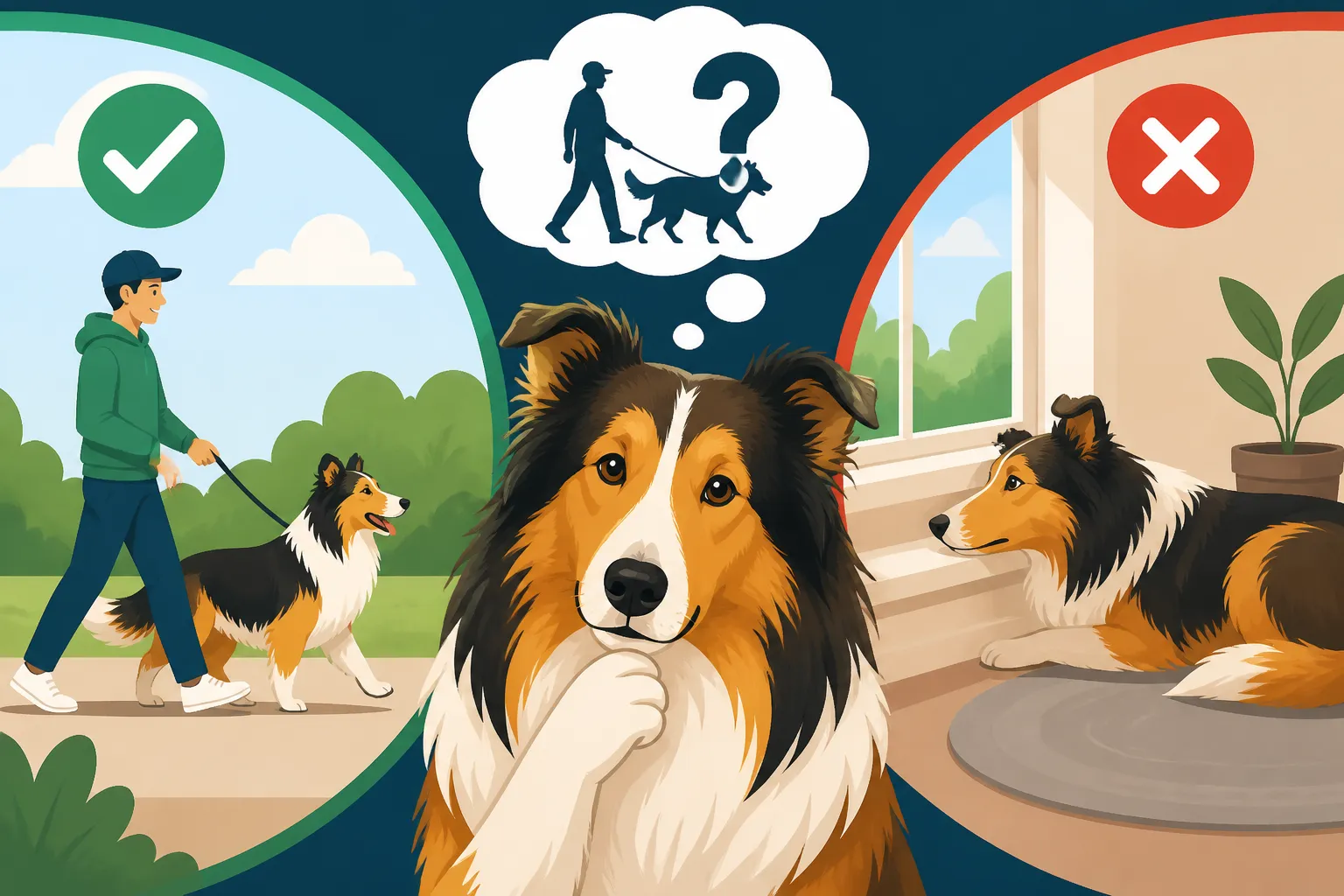
Life with a Collie is a beautiful whirlwind of love, loyalty, and, let's be honest, quite a bit of energy. Many of us find ourselves juggling demanding schedules, wondering if simply hiring a dog walker is enough to keep our intelligent, active companions truly happy and healthy. It's a valid concern, because while a good walk is essential, a Collie often needs so much more than just a trot around the block. This guide will dive deep into understanding your Collie's comprehensive needs and how a dog walker fits into (or falls short of) that picture.
Understanding Your Collie's Needs Beyond Just a Walk
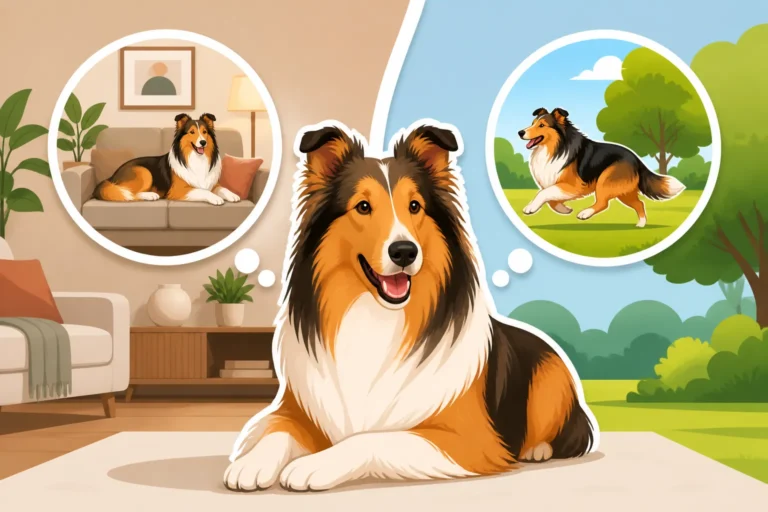
It’s easy to look at a Collie, with their magnificent coat and calm demeanor indoors, and think they’re content with just a leisurely stroll. But underneath that regal exterior beats the heart of a working dog, bred for intelligence, stamina, and a strong bond with their human. Neglecting these inherent traits can lead to a host of behavioral issues and an unhappy dog, regardless of how many miles they're walking.
The Collie's Unique Exercise Requirements
When we talk about exercise for a Collie, we're not just counting steps or minutes. While a baseline of around 45 minutes of physical activity a day is often suggested, for many Collies, that's just the starting point. They are graceful, athletic dogs, capable of bursts of speed and endurance. A slow amble might get their legs moving, but it rarely satisfies their need to run, explore, or stretch their muscles. They thrive on varied terrain, the chance to investigate new smells, and perhaps even a good game of fetch that truly tires them out, rather than just tiring them down. Think about it: a dog bred to cover vast distances herding sheep isn't going to be truly fulfilled by only seeing the same three lampposts every day.
It's not just about the length of the walk, but the quality. Are they engaging with their environment? Are they getting a chance to sprint in a safe, enclosed area? Many Collies enjoy longer hikes or even a good run alongside a bicycle (once fully mature and properly conditioned). What really matters is that the exercise is appropriate for their age, health, and individual energy levels. If you've ever thought, "My Collie still seems restless after their walk," it might be a sign that the exercise isn't quite hitting the mark. This is why it’s so important to understand How Much Exercise a Collie Needs Daily.
The Mental Workout: Why Physical Activity Isn't Enough
Here’s where many well-intentioned owners and even dog walkers can miss a crucial point: a Collie’s brain needs as much, if not more, exercise than its body. These dogs are incredibly smart, problem-solvers by nature, and thrive on having a "job" to do, even if that job is just figuring out a puzzle toy or learning a new trick. If their minds aren't stimulated, all the physical exercise in the world won't prevent boredom, which often manifests as unwanted behaviors.
Think about the classic image of Lassie. She wasn't just running; she was thinking, strategizing, and communicating. That level of intelligence requires an outlet. Without mental challenges, a Collie can become bored, destructive, or even anxious. This might look like excessive barking, chewing furniture, or becoming overly fixated on certain sounds or movements. A walk, even a long one, that doesn't include opportunities for sniffing, exploring, or simple training cues like "sit" or "stay" at street corners, is often a missed opportunity for mental enrichment. It's a common misconception that A Collie Is the Rare Herding Dog That Does Not Need a Job; while they don't need to herd sheep, they absolutely need a mental purpose.
Socialization: More Than Just Seeing Other Dogs on a Leash
Collies are generally sociable dogs, but their idea of "social" often goes beyond a quick sniff with another dog on a leash. True socialization for a Collie involves positive, controlled interactions with other dogs, people, and varied environments. This helps them develop confidence and good manners. A dog walker who simply takes your Collie past other dogs without allowing for appropriate, safe interactions might not be fostering true social skills.
Furthermore, a Collie's sensitivity means that negative social experiences can have a lasting impact. A rough encounter at the dog park, or being pulled away from every polite greeting opportunity, can lead to reactivity or shyness. What they truly benefit from are calm, friendly introductions, perhaps a structured play session with a known dog, or exposure to different sights and sounds in a positive way. It’s about building their comfort and confidence in the world around them, not just tolerating it. How a Collie Greets a Stranger can be a nuanced dance, and positive early experiences are key.
What a Dog Walker Typically Provides (and Where It Falls Short)
When you hire a dog walker, you're usually looking for convenience and assurance that your dog gets out for a potty break and some fresh air. Many dog walkers do a fantastic job within the scope of their services, but it's important to recognize that a standard offering might not fully align with the specific needs of a highly intelligent and sensitive breed like the Collie.
The Standard Dog Walking Service: A Snapshot
Most dog walking services offer daily walks of varying durations, typically 30 to 60 minutes. These can be solo walks, where your dog gets individual attention, or group walks, where they join a small pack of other dogs. The primary benefits are clear: your Collie gets out, relieves themselves, and stretches their legs. For some dogs, particularly less active breeds or older dogs, this might be perfectly adequate. For others, it's a critical component, but not the entire solution.
A good dog walker will prioritize safety, ensuring your Collie is always leashed and walked in appropriate areas. They'll also be reliable, showing up consistently so your dog maintains a routine. Many will provide updates via text or an app, letting you know when they arrived, where they walked, and when they left. Some even offer basic obedience reinforcement, like making your dog "sit" before opening the door or crossing the street. These are all valuable services that contribute to a dog's well-being and an owner's peace of mind.
The Gaps for a Collie: What's Often Missing
While a dog walker covers the basics, there are often significant gaps when it comes to a Collie's complete needs. The biggest one is often the quality of the mental engagement. A walker might walk your Collie for an hour, but is that hour filled with sniffing opportunities, novel routes, or even a few minutes of trick training? Often, it's a route designed for efficiency, focusing on distance covered rather than mental stimulation. Forty Five Minutes a Day, and Half of It in Its Head is a concept that often gets overlooked, as the "half in its head" part requires more than just physical movement.
Another common gap is the deep, consistent bond. While a good walker can build rapport, they rarely replace the unique connection a Collie has with its primary guardian. Collies thrive on partnership and understanding, and while they can be polite with strangers, they truly flourish when working with "their" person. A dog walker can't typically provide the dedicated, personalized training and attention that builds this bond, or truly understands your Collie's subtle cues.
Furthermore, if your Collie has specific behavioral quirks, like being timid with certain types of people or dogs, or a tendency to bark at everything that moves, a general dog walker might not have the specialized skills or time to address these during a walk. They're there to exercise, not typically to be a dedicated behaviorist. This can leave owners wondering if their Collie is truly settling indoors or if problems like Why a Collie Barks are going unaddressed during their time alone.
Choosing the Right Dog Walker for Your Collie
If a dog walker is a necessity in your life (and for many of us, it absolutely is!), then it’s crucial to be selective. Don't just pick the cheapest or the first one available. Look for someone who has experience with herding breeds or intelligent dogs, and who understands that a walk isn't just about moving legs.
Here are some things to look for:
- Breed Knowledge: Do they understand the Collie temperament? Their intelligence, sensitivity, and potential for herding behaviors?
- Engagement: Do they incorporate mental stimulation into the walk? Asking your Collie to "wait" before crossing the street, practicing "come," or allowing ample sniff time are all great signs.
- Communication: A good walker will provide detailed feedback, not just "Walked Fido." They'll tell you about interactions, energy levels, and any observations.
- Flexibility: Are they willing to tailor the walk to your Collie's needs? Perhaps some days it's a sniffy walk, other days a more vigorous one.
- References: Always ask for references and check them. Speak to other Collie owners if possible.
- Trial Period: A trial walk or two with you present can be invaluable to see how they interact with your dog.
Remember, you're not just hiring someone to open a door; you're entrusting them with a vital part of your Collie's day.
Supplementing a Dog Walker: Making Sure Your Collie Thrives
Even with the best dog walker, a Collie owner usually needs to be prepared to supplement that care. It’s about creating a holistic approach that meets all your Collie’s needs – physical, mental, and emotional. A dog walker provides a piece of the puzzle, but you hold the rest of the pieces.
Owner-Provided Enrichment and Training
This is where you, as the primary caregiver, come in. Dedicate time each day to engaging your Collie’s mind. This doesn't have to be hours of formal training; even 15-20 minutes of focused mental work can be incredibly satisfying for them. Think about incorporating puzzle toys into their feeding routine. Brands often available on Amazon, like Kong or Nina Ottosson, offer a great range of options that challenge dogs to "work" for their food, replicating some of that natural foraging behavior.
Beyond toys, consider short, daily training sessions. Work on new tricks, refresh old cues, or even try a structured game of hide-and-seek with their favorite toy or treat. Even something as simple as scattering their kibble in the yard for them to sniff out provides mental engagement. These activities build confidence, reinforce your bond, and prevent boredom. This kind of interaction is crucial to avoid issues like Whether a Collie Chews When Bored.
Structured Play and Social Outings
If your dog walker primarily offers solo walks or group walks without much opportunity for true play, you’ll need to schedule dedicated play sessions. This could mean off-leash play in a securely fenced yard, or arranged play dates with a friendly, known dog. For Collies that enjoy the company of other dogs, a carefully selected dog daycare might also be an option, but ensure they screen dogs for appropriate play styles and have staff experienced with herding breeds. Remember, the goal is positive, supervised interaction, not just throwing them into a chaotic environment.
Beyond dog-dog interaction, consider varied outings with you. A trip to a pet-friendly store, a walk in a new park, or even just sitting on a bench to people-watch can be incredibly stimulating for a Collie. These experiences expose them to new sights, sounds, and smells, helping them build resilience and confidence in different situations.
Integrating Technology and Training Resources
In our modern world, technology and online resources can be powerful allies for Collie owners. Consider an online training program, like those offered by BAXTER & Bella. These programs can provide structured lessons on everything from basic obedience to more advanced tricks, giving you and your Collie a clear curriculum to work through. This not only trains your dog but also teaches you how to effectively engage and communicate with your Collie, fostering that invaluable bond.
There are also many apps available for tracking walks, setting training reminders, or even connecting with local dog-friendly events. Use these tools to help you stay consistent with your Collie's varied routine. For example, keeping a log of when you last worked on a specific training cue or introduced a new enrichment activity can help ensure your Collie is consistently challenged.
Tailoring the Solution to Your Collie's Personality and Schedule
No two Collies are exactly alike, and what works for one might not work for another. The key to making a dog walker "enough" (or part of enough) is to deeply understand your individual dog and craft a routine that suits their unique needs and your specific lifestyle.
Assessing Your Individual Collie's Temperament
Take a moment to truly observe your Collie. Are they high-energy or more laid-back? Are they naturally confident or a bit timid? Do they thrive on social interaction with other dogs, or prefer the company of humans? A young, exuberant Collie who loves to run might need more vigorous physical exercise, while an older, more reserved Collie might benefit more from gentle sniffing walks and quiet mental games.
For example, if you have a Collie who is prone to Whether a Collie Gets Separation Anxiety, the quality of their time with a dog walker becomes even more critical. A walker who offers calm, reassuring presence and engages them thoughtfully might be more beneficial than one who simply rushes them through a walk. Similarly, if your Collie is naturally a "velcro dog" who loves to follow you from room to room, they likely thrive on interaction and might struggle more with extended periods alone, making your supplemental time with them even more crucial.
Crafting a Balanced Weekly Routine
Once you understand your Collie's needs, you can build a schedule that balances dog walker visits with your own contributions. Here’s a sample framework:
| Activity | Monday | Tuesday | Wednesday | Thursday | Friday | Saturday | Sunday |
|---|---|---|---|---|---|---|---|
| Morning Exercise | Walker (45m) | Owner (30m) | Walker (45m) | Owner (30m) | Walker (45m) | Long Hike | Dog Park/Play |
| Mid-day Relief | Walker (15m) | Owner | Walker (15m) | Owner | Walker (15m) | Owner | Owner |
| Afternoon/Evening | Training (15m) | Puzzle Toy | Training (15m) | Play/Social | Long Walk | Family Time | Relaxation |
| Mental Enrichment | Sniffy Walk | New Trick | Kong/Chew | Obedience | New Route | Enrichment | Low Key Games |
| Owner Interaction | Yes | Yes | Yes | Yes | Yes | Yes | Yes |
This kind of schedule ensures that even if a dog walker handles some of the daily outings, your Collie is still receiving consistent mental stimulation, quality social interaction, and dedicated time with you. It also helps answer the question of How Long a Collie Can Be Left Alone by ensuring their time spent alone is balanced with purposeful activity.
When a Dog Walker Really Isn't Enough
Sometimes, despite your best efforts, a dog walker simply isn't enough, or your Collie might be showing signs they need more. Pay close attention to your dog's behavior. Are they:
- Destructive or chewing inappropriately when left alone? This could be a sign of boredom or anxiety.
- Excessively barking or howling even after a walk? Whether a Collie Barks While You Are Out can be a major issue if underlying needs aren't met.
- Displaying new anxieties or shyness, especially after interactions with the walker or other dogs?
- Restless, pacing, or unable to settle even when indoors with you?
- Losing interest in food or play?
These are all potential indicators that your Collie's needs aren't being fully met. In such cases, you might need to re-evaluate the dog walker's role, increase your own dedicated interaction time, consider doggy daycare if appropriate, or even consult with a professional trainer or behaviorist. For some Collies, especially those with high needs, Whether Daycare Suits a Collie might be a better option than just a walk, offering more structured social interaction and supervision. It's about finding the right blend to ensure your loyal companion is truly happy and thriving.
Disclaimer
This article is for general informational purposes only and does not constitute professional advice. Laws, prices and regulations vary by location and change over time. Consult a qualified professional for guidance on your specific situation.