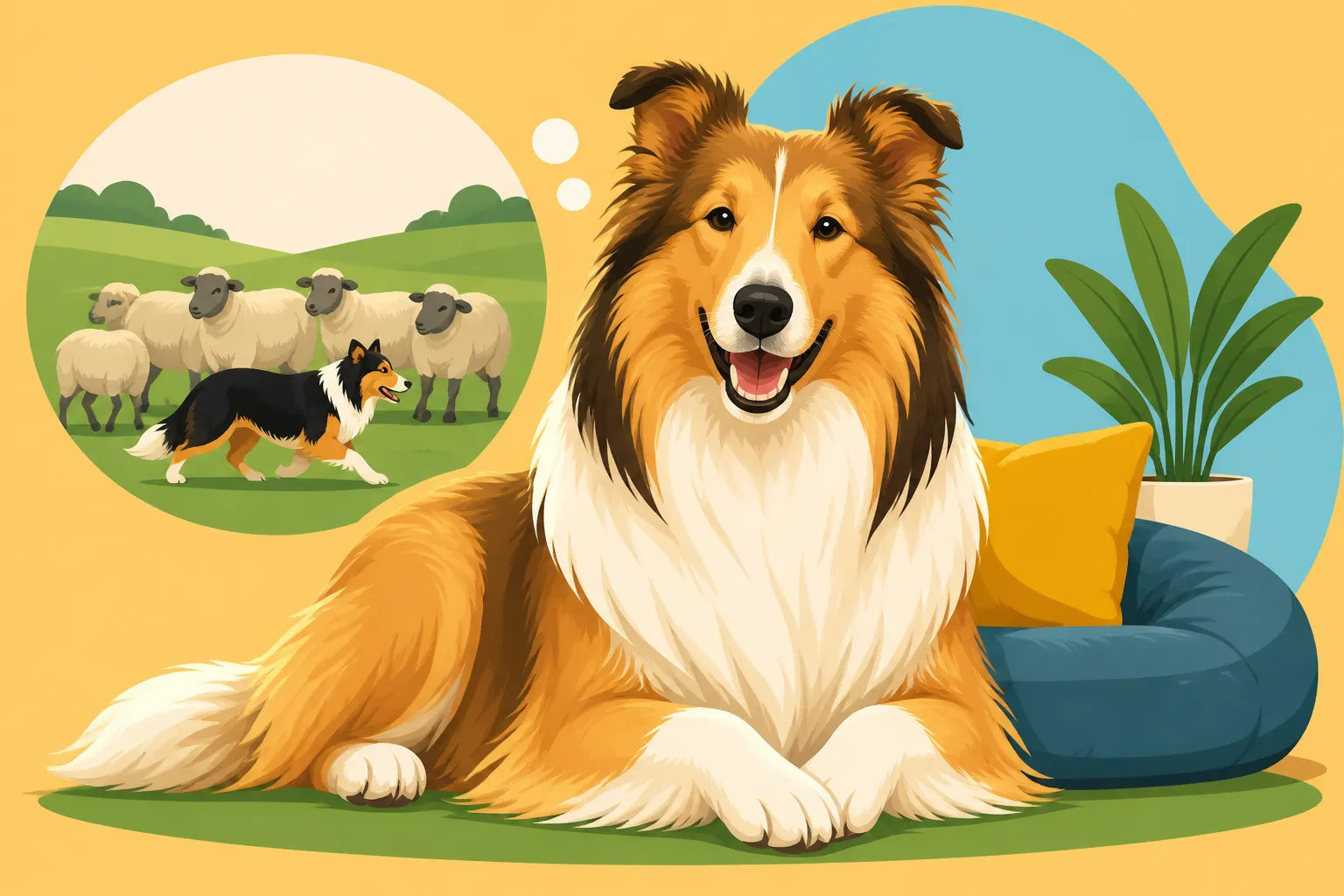
A Collie Is the Rare Herding Dog That Does Not Need a Job
Many people dream of welcoming a herding dog into their home, imagining an intelligent, active companion, but they often get caught up in the pervasive idea that these breeds absolutely require a full-time "job" to be happy. This misconception can lead to immense pressure on owners to find complex activities or, worse, result in dogs suffering from unmet expectations. This guide will explore why the Collie stands apart in the herding group, demonstrating that while they are smart and capable, their true fulfillment comes less from a demanding "job" and more from deep connection and appropriate mental engagement within the family home.
The Herding Dog Stereotype and Where Collies Fit In
The moment you mention owning a herding dog, a common image often springs to mind: a whirlwind of energy, constantly needing a task, endlessly retrieving, or tirelessly working livestock. It's a powerful stereotype, one that has made many would-be owners hesitant, fearing they can't provide the "job" their dog supposedly demands. This pressure is real, and it can be exhausting trying to live up to an ideal that might not even be accurate for your chosen breed.
The Intense Reputation of Herding Breeds
Breeds like Border Collies, Australian Shepherds, and Belgian Malinois have, quite rightly, earned a reputation for needing immense mental and physical stimulation. They were bred for intensive, problem-solving work, often over long hours, directing stubborn livestock with incredible focus and agility. This deep-seated drive means that without an appropriate outlet, these dogs can become destructive, neurotic, or simply unhappy in a typical pet home. Their intelligence, a celebrated trait, can quickly become a challenge if not channelled correctly, turning household objects into "flock" or developing obsessive behaviors. Owners often feel a tremendous weight to provide continuous engagement, leading to feelings of inadequacy if their lifestyle can't accommodate a full-time working dog.
Collies: A Different Kind of Herder
The Collie, however, offers a refreshing contrast within this high-octane group. While undeniably intelligent and possessing a strong herding heritage, their development took a slightly different path. They were historically valued not just for their ability to gather and move sheep, but also for their calm presence, their watchful nature, and their ability to accompany shepherds over long distances without constant, intense bursts of activity. This isn't to say a Collie is a couch potato—far from it! But their energy, while substantial, is often more manageable and less frenetic than some of their herding cousins. They possess a thoughtful, observant intelligence that thrives on companionship and understanding, rather than a relentless need to do something. Their heritage points to a more balanced temperament, one that can transition beautifully from a working field to a beloved family pet.
Validating the Frustration of New Owners
It's completely understandable to feel overwhelmed when researching herding breeds. The sheer volume of advice emphasizing "jobs, jobs, jobs" can make you doubt if you're capable of providing a good home for such an intelligent animal. Many new Collie owners, influenced by general herding dog advice, worry they aren't doing enough if their dog isn't competing in agility or herding trials every weekend. This worry is often unfounded. The frustration comes from trying to fit a square peg into a round hole—applying a generic "herding dog" template to a breed that has unique requirements. What a Collie truly needs is consistent, gentle guidance, mental engagement tailored to their specific intelligence, and, above all, a central role in the family. They thrive on being involved, on understanding household routines, and on simply being with their people. Relax, breathe, and realize that your Collie's needs are distinct and often more aligned with family life than you might have been led to believe.
A Collie's Historical Role: From Farm to Family
To truly understand why the modern Collie thrives as a family companion without needing a grueling daily "job," we need to take a quick journey back through their history. It's a fascinating story of evolution, not just in appearance, but in purpose, that has profoundly shaped their temperament and suitability for domestic life. The dogs we cherish today are a product of centuries of careful selection, culminating in a truly unique canine partner.
The Origins as a Droving Dog
Before they graced royal estates or became Hollywood stars, Collies were the indispensable partners of Scottish shepherds. Their primary role wasn't the high-intensity, quick-fire gathering work often associated with Border Collies today. Instead, they were "droving dogs." Imagine long, slow journeys across vast, often rugged landscapes, moving flocks of sheep or cattle from remote pastures to market towns. This work required immense stamina, certainly, but also a calm, steady presence, independent decision-making, and the ability to work patiently alongside a human for hours on end. A droving dog needed to be watchful, protective, and able to cover many miles without burning out. They were less about rapid bursts of speed and more about sustained, intelligent cooperation. This demanding but measured lifestyle instilled in the breed a deep sense of responsibility, loyalty, and a remarkable ability to settle when not actively engaged.
The Shift Towards Companionship and Show
The Collie's destiny took a significant turn in the mid-19th century, famously captured when Queen Victoria encountered them at Balmoral. Charmed by their beauty, intelligence, and gentle demeanor, she brought several back to her kennels. This royal endorsement catapulted the breed from working farm dog to fashionable companion. Suddenly, Collies were sought after by the Victorian elite, not for their herding prowess, but for their aesthetic appeal and noble presence. Breeders began to select for specific physical traits, particularly the striking long coat and refined head, which became hallmarks of the show ring. This shift, while altering their appearance, also reinforced their suitability as companions. Dogs that were calm, trainable, and enjoyed human interaction naturally excelled in this new environment. The emphasis subtly moved from purely functional traits to qualities that made them excellent house pets and show dogs, such as a steady temperament, biddability, and a desire to please. Queen Victoria Made the Collie Fashionable in the 1860s delves deeper into this pivotal moment.
How This History Shaped Their Temperament
The result of this dual history—a foundation in patient droving work followed by a rapid ascension to a cherished companion and show dog—is the Collie we know today. They retain the intelligence and loyalty of their herding ancestors but possess a significantly more adaptable and generally lower-drive temperament than many other herding breeds. Their original role demanded a dog capable of long periods of watchful calm punctuated by bursts of controlled action, rather than constant high-octane activity. This built-in ability to "switch off" when there's no immediate task is what makes them so well-suited to living in a home without a dedicated "job."
They are intrinsically observant and attuned to their human families, often happy to simply be in the same room, offering a comforting presence. This desire for proximity, for being an integral part of the family unit, is a direct legacy of their historical development. They don't need a flock to feel fulfilled; they need you. This inherent calm and social nature are why a Collie can often integrate so seamlessly into a modern household, valuing companionship as highly as any task.
Understanding the Collie's Mental and Physical Needs
It's easy to get caught up in the idea of "exercise, exercise, exercise" when you own an active breed like a Collie. And yes, they do need physical activity! But the beauty of the Collie lies in the nuance of their requirements. They aren't always looking for a grueling marathon; often, what they crave most is a different kind of workout – one that engages their keen intellect. Ignoring this mental component is where many owners unintentionally fall short, even if they're diligent about walks.
The Importance of Mental Stimulation Over Pure Physical Exertion
Think of a Collie's mind like a finely tuned instrument. It needs to be played, not just left to collect dust. While a Border Collie might need to run five miles and then solve a complex puzzle, a Collie might be perfectly content with a good brisk walk followed by some engaging brain games or a training session. Their intelligence is less about rapid-fire problem-solving in a high-stress environment and more about thoughtful observation, learning routines, and understanding subtle cues. A physically exhausted dog that's mentally bored can still be a destructive or anxious dog. On the flip side, a dog that's had its mind exercised often appears calmer and more settled, even if its physical activity wasn't extreme. It's about channeling their innate curiosity and problem-solving abilities into appropriate outlets. This is often where the real satisfaction for both dog and owner lies.
Daily Exercise: Quality Over Quantity
So, what does this look like in practice? For a Collie, we're talking about a solid baseline of physical activity, but it doesn't need to be Olympic-level training. A good rule of thumb is around 45 minutes to an hour of focused exercise each day, which can be broken up into a couple of walks or playtime sessions. Forty Five Minutes a Day, and Half of It in Its Head talks more about this balance. This isn't just about letting them out into the yard; it's about active engagement. This could be a brisk walk around the neighborhood, a supervised off-leash romp in a safe, enclosed area, or a game of fetch. The key is that these activities should be with you, providing both physical exertion and social interaction.
Varying the environment can also make a huge difference. Exploring new smells and sights on a walk is far more mentally stimulating than the same loop every day. Consider incorporating short bursts of higher-intensity play within these sessions, like a quick sprint or a retrieve, to satisfy their latent energy. Remember, a Collie's luxurious coat can make them prone to overheating, especially in warmer weather, so always prioritize their comfort and adjust exercise intensity accordingly.
Recognizing Signs of Understimulation or Overstimulation
A well-adjusted Collie is a joy to behold: calm, attentive, and engaged. But what happens when their needs aren't met? Or, conversely, when they're pushed too hard?
Signs of Understimulation:
- Excessive barking: While Collies can be vocal (we'll touch on this later!), incessant barking at nothing in particular, or attention-seeking barks, often points to boredom. The Bark Is the Trait Collie Owners Underestimate discusses this in detail.
- Destructive chewing: Mouthing furniture, shoes, or inappropriate objects is a classic sign of boredom and pent-up energy. They need an outlet for their oral fixation and problem-solving drive.
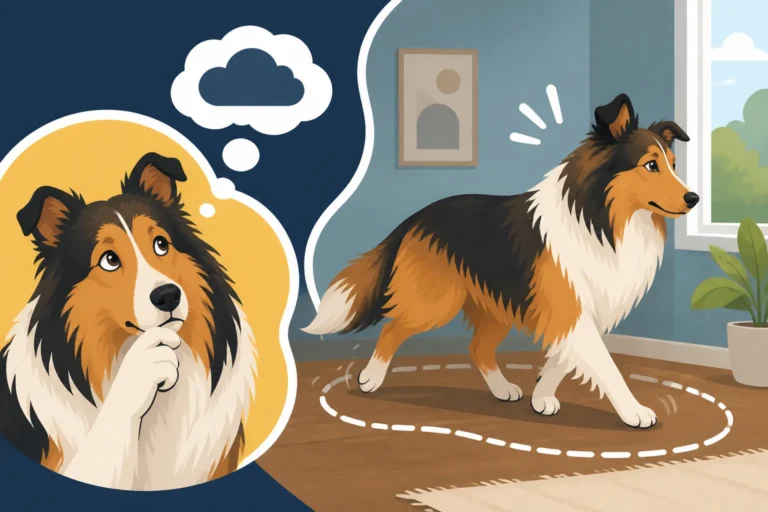
- Pacing or restlessness: An inability to settle, constantly wandering from room to room, or general agitation.
- Nipping at heels or herding family members: This is their natural instinct kicking in, trying to create "order" when they don't have a better outlet. Why a Collie Herds Your Children is a great resource on this.
- Lack of engagement: A bored Collie might become withdrawn, seem disinterested in interaction, or even appear depressed.
Signs of Overstimulation:
- Hyperactivity and inability to settle: This might seem counterintuitive, but constant high-intensity activity can make a Collie more wired, not less. Their nervous system gets overtaxed.
- Nervousness or fearfulness: A Collie exposed to too much novelty, too many intense activities, or too little downtime can become anxious and reactive.
- Difficulty concentrating: During training, they might seem easily distracted, unable to focus, or shut down entirely.
- Reactivity: Lashing out at other dogs or people, not because they're aggressive, but because they're overwhelmed and struggling to cope.
- Increased sensitivity: Being overly sensitive to sounds, sudden movements, or even touch.
It’s a delicate balance, but by observing your Collie and understanding their unique blend of needs, you can easily provide an enriching and fulfilling life without falling into the trap of thinking they need a demanding "job."
Enrichment Without a "Job": Engaging Your Collie's Mind
So, if a Collie doesn't need a traditional herding job, how do we keep that intelligent mind sharp and satisfied? The good news is, it's not about complex equipment or vast tracts of land. It's about intentional engagement, using everyday opportunities to stimulate their natural instincts and intellect. You already have most of the tools you need: your brain, your Collie's innate curiosity, and a bit of creativity.
Puzzle Toys and Interactive Games
One of the easiest and most effective ways to provide mental stimulation is through puzzle toys. These aren't just for puppies; adult Collies absolutely thrive on figuring out how to get a treat or their kibble from a dispenser. They satisfy their instinct to "work" for food, mimicking a natural foraging behavior. Brands like Kong and Nina Ottosson make a variety of puzzles, from simple treat-dispensing balls to more intricate games requiring multiple steps. Start with easier ones and gradually increase the difficulty as your Collie masters them. This builds confidence and keeps them engaged.
Beyond physical puzzles, interactive games with you are invaluable. "Find it" games, where you hide treats or favorite toys and encourage your Collie to sniff them out, tap into their incredible sense of smell and natural problem-solving abilities. Whether Puzzle Feeders Tire a Collie further explores the benefits of these types of enrichment. Shell games (where you hide a treat under one of three cups and shuffle them) are another great brain teaser. These activities are fantastic because they engage their mind, reinforce their bond with you, and can be done indoors, making them perfect for bad weather days or when you need to wind down after a walk. Remember, the goal isn't to frustrate them, but to challenge them gently.
Training for Fun and Connection
For a Collie, training isn't just about obedience; it's a conversation, a bonding experience, and a fantastic mental workout. These dogs are eager to please and highly receptive to learning, especially with positive reinforcement. Short, frequent training sessions (5-10 minutes a few times a day) are far more effective than one long, tedious session.
Focus on practical life skills like a solid "stay," a reliable recall, or a loose-leash walk, but also consider teaching fun tricks. "Shake a paw," "spin," "bow," or even more complex sequences can be incredibly rewarding. These activities engage their intellect, build their confidence, and strengthen the partnership between you. Using positive reinforcement methods like clicker training or rewarding with high-value treats (or a favorite toy) keeps the experience joyful and encourages their willingness to learn. What Motivates a Collie highlights how much they thrive on positive interaction.
Consider exploring dog sports like Rally Obedience, Canine Good Citizen, or even introductory scent work. These don't require high-speed athleticism but deeply engage a Collie's mind and focus. Many communities offer classes that are low-pressure and focused on enjoyment, perfect for a companion Collie. The journey of learning together is the "job" a Collie truly appreciates.
"Thinking" Walks and Scent Work
A walk for a Collie shouldn't just be about burning off physical energy; it should be a sensory adventure. Instead of rushing through the same route, try a "sniffari." Let your Collie lead the way (within reason, of course) and allow them to investigate interesting smells for as long as they like. Sniffing is incredibly enriching and mentally fatiguing for dogs; it's how they process their world. This kind of walk allows them to engage their primary sense and satisfies their natural curiosity.
You can also incorporate simple scent work into your daily routine. Hide treats or their kibble around the house or yard and encourage them to find them. Start easy, then gradually make the hiding spots more challenging. This taps directly into their natural instinct to hunt and forage. For a more structured approach, consider joining an introductory nose work class. These classes teach dogs to locate specific odors, providing an immense mental challenge that many Collies absolutely adore. It's a low-impact activity that is perfect for their sensitive noses and intelligent minds.
Even during a regular walk, you can turn it into a thinking exercise. Practice "sit-stays" at street corners, work on eye contact when passing distractions, or ask for a "heel" for short bursts. These small moments of engagement add up, ensuring that their walks are not just physically tiring but also mentally stimulating. Remember, What a Collie Does With an Empty Afternoon is often not good, so filling it with constructive activities is key.
| Activity Type | Examples | Benefits for Collie |
|---|---|---|
| Puzzle Toys | Kong Wobbler, Nina Ottosson puzzles, treat-dispensing balls | Independent mental challenge, satisfies foraging instinct, slows eating, reduces boredom |
| Interactive Games | "Find it" (hidden treats), shell game, fetch, tug-of-war | Mental stimulation, strengthens bond with owner, builds confidence, releases pent-up energy |
| Training Sessions | Obedience cues, fun tricks, Canine Good Citizen, Rally Obedience | Mental workout, builds communication, reinforces bond, boosts confidence, polite manners |
| Scent Work | Sniffaris on walks, hide-and-seek with treats/toys, nose work classes | Engages powerful sense of smell, mentally fatiguing, low physical impact, builds focus |
| Exploratory Walks | New trails, parks, varied routes | Sensory enrichment, exposure to novel stimuli, physical exercise, builds confidence in new places |
The Collie as a Family Companion: What They Truly Excel At
While other herding breeds might be celebrated for their intense work ethic or boundless energy, the Collie truly shines in a different arena: as the quintessential family companion. Their inherent traits make them remarkably well-suited to domestic life, valuing connection, stability, and a central role within their human pack above all else. This isn't just a happy accident; it's deeply ingrained in their historical development and innate temperament.
Their Innate Desire for Connection and Proximity
If you've ever owned a Collie, you know they are "velcro dogs" in the most charming way. They aren't generally demanding or pushy for attention, but they absolutely thrive on being near their people. It's not uncommon for a Collie to follow you from room to room, settling quietly at your feet or in a nearby spot, just happy to be included. This desire for proximity is a hallmark of the breed. It stems from their droving days, where they worked in close partnership with shepherds, always aware of their human's location and intentions. This strong bond translates beautifully into family life, making them incredibly loyal and affectionate companions.
They are often sensitive to human emotions, capable of picking up on subtle cues and offering comfort when needed. This empathetic nature makes them wonderful confidantes and a soothing presence in the home. They want to be part of every activity, whether it's watching TV, gardening, or simply relaxing. For a Collie, being with their family is their job, and they excel at it. This deep connection means they don't need constant instruction or complex tasks to feel fulfilled; simply being loved and integrated into daily life provides immense satisfaction.
Patience and Gentleness with Children
One of the Collie's most celebrated traits is their natural gentleness and patience, particularly with children. This is a breed that genuinely seems to understand the delicate nature of little ones. They are often incredibly tolerant, absorbing the bumps and tumbles that come with active kids with remarkable grace. Their calm demeanor and watchful eye make them excellent "nanny dogs," not in the sense of being a substitute caregiver, but as a reassuring and protective presence.
They often form deep bonds with the children in their family, viewing them as part of their cherished flock. While their herding instinct might occasionally manifest as gentle nudges or attempts to "gather" running children, this is usually easily redirected with positive guidance. They rarely display aggression or impatience, preferring instead to withdraw gracefully if overwhelmed, or to simply observe from a respectful distance. This makes them an ideal choice for families, as their temperament is inherently stable and kind. Of course, as with any dog, supervision is always key, especially with very young children, to ensure respectful interactions from both sides.
Adapting to a Domestic Lifestyle
The Collie's adaptability is another reason they flourish in homes without a traditional "job." They are not typically a breed that suffers from extreme separation anxiety, provided they receive adequate daily interaction and mental stimulation. They can settle comfortably indoors, often enjoying a cozy spot where they can keep an eye on the household comings and goings. Whether a Collie Settles Indoors confirms their suitability for an indoor lifestyle. Their moderate energy levels, coupled with their desire for companionship, mean they are often perfectly content with structured walks, playtime in the yard, and plenty of quality time with their family.
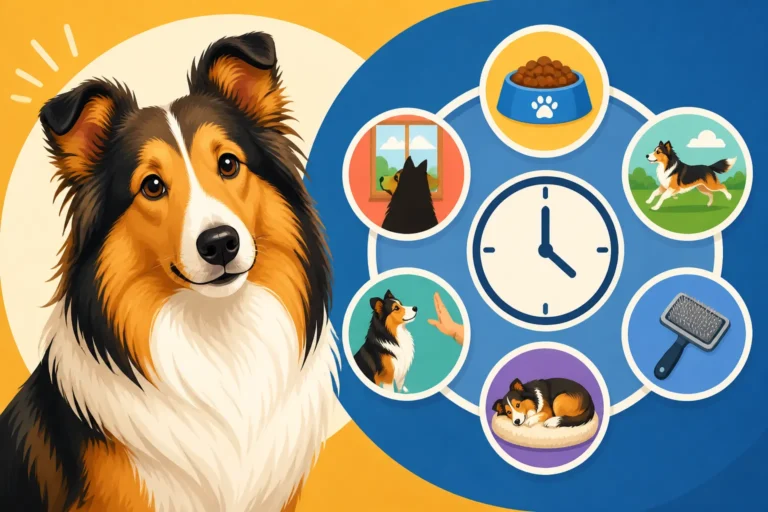
They learn household routines quickly, understanding when it's time for a walk, when it's mealtime, or when everyone is settling down for the evening. This predictability contributes to their sense of security and well-being. Whether you live in a sprawling country home or a comfortable suburban residence, a Collie can adapt, provided their core needs for exercise, mental engagement, and, most importantly, family inclusion are met. They are not dogs that need acres to run, though they certainly enjoy it; they need connection and a place in your heart and home.
Training Approaches That Work Best for a Collie
Training a Collie is a truly rewarding experience, but it requires an understanding of their sensitive and intelligent nature. These aren't dogs that respond well to heavy-handed tactics or constant drilling. Instead, they thrive on clear communication, positive reinforcement, and a relationship built on trust and mutual respect. Thinking of training as a continuous dialogue, rather than just issuing commands, will lead to the most successful outcomes.
Positive Reinforcement and Gentle Guidance
For a Collie, positive reinforcement isn't just a training method; it's the only way to build a truly strong, willing partnership. These dogs are inherently sensitive and eager to please, meaning they respond beautifully to rewards-based training. Think tasty treats, enthusiastic praise, a favorite toy, or even a good scratch behind the ears—anything your Collie values. When they perform a desired behavior, immediately follow it with a reward. This makes them want to repeat that behavior.
Gentle guidance means showing them what you want them to do, rather than waiting for them to get it wrong. For example, instead of yanking on the leash when they pull, reward them for walking with a loose leash. If they jump, turn away and reward them when all four paws are on the floor. Collies are incredibly observant and will quickly understand what earns them good things. This approach builds their confidence, makes training fun, and fosters a dog who wants to work with you, not just for you. Consistency is key here; everyone in the household should use the same commands and rewards to avoid confusion.
Avoiding Harsh Corrections
This point cannot be stressed enough: Harsh Handling Breaks a Collie and It Does Not Come Back. Collies are deeply sensitive souls. A raised voice, a physical correction, or even an overly stern tone can be incredibly damaging to their delicate psyche and to your relationship. They don't react to punishment by trying harder; they react by shutting down, becoming fearful, or losing trust in their handler. A Collie who has been harshly corrected might become reluctant to offer behaviors, fearing they will get it wrong, or they might become shy and withdrawn.
Techniques involving prong collars, choke chains, or electronic collars are completely inappropriate for this breed. These tools rely on pain or intimidation, which will only create a nervous, distrustful dog, not a well-behaved one. Instead of asking "How do I stop this behavior?", ask "What do I want my Collie to do instead, and how can I reward that?" Redirecting unwanted behaviors and rewarding positive alternatives is far more effective and humane. Remember, How Long a Collie Remembers a Bad Session can be quite a while, and rebuilding that trust takes even longer. Focus on patience, kindness, and clear, positive communication to nurture your Collie's natural desire to cooperate.
Building Confidence in a Sensitive Soul
Many Collies, especially as puppies, can be quite sensitive or even a little reserved with new experiences. It's crucial to approach their socialization and training with an eye towards building their confidence. Expose your Collie to a variety of sights, sounds, people, and other calm dogs from a young age, but always ensure these experiences are positive and not overwhelming. Short, positive encounters are far more beneficial than long, stressful ones.
If your Collie seems shy or nervous in a new situation, don't force them. Allow them to observe from a distance, rewarding them for simply being calm in the presence of the novelty. Gradually, as they gain confidence, they will often approach on their own terms. Praise and reward bravery, no matter how small. For example, if they're hesitant about a new walking surface, toss a treat ahead of them onto it. This positive association helps them overcome apprehension.
Consider enrolling in a well-run puppy class or basic obedience course that emphasizes positive methods. This not only provides structured learning but also offers controlled socialization opportunities. A confident Collie is a happy, well-adjusted Collie, and building that confidence from puppyhood, through gentle training and positive experiences, is one of the greatest gifts you can give your sensitive companion. The First Year With a Collie Puppy details much of this.
Addressing Common Misconceptions and Challenges
Even with the best intentions, living with a Collie can sometimes present unexpected quirks or behaviors that might surprise first-time owners. Many of these stem from lingering instincts or breed-specific traits that, while not requiring a "job" in the traditional sense, do require understanding and appropriate management. Let's tackle some of the most common ones head-on.
The Bark Is Not a Sign of Boredom Alone
Ah, the Collie bark. It's majestic, it's resonant, and yes, it can be frequent! New owners often assume that a barking Collie is a bored Collie, and while boredom can certainly contribute, it's rarely the sole reason. Collies are vocal by nature; it's part of their herding and guardian heritage. They were bred to alert their shepherds to perceived threats or changes in their environment. This means they are often very quick to sound the alarm when they hear a distant car door, see a squirrel, or notice someone walking past the window. The Bark Is the Trait Collie Owners Underestimate is a must-read for anyone considering or living with a Collie.
Their intelligence also plays a role here; they often feel it's their job to inform you of everything happening around the house. They are excellent watchdogs in the sense that they will definitely let you know if a leaf dares to blow across the lawn! The challenge isn't to eliminate the bark entirely (which is unrealistic and unfair to the breed), but to manage it. Training a "quiet" cue, identifying triggers, and creating boundaries (e.g., window film to block views if external stimuli are the issue) can all help. Remember, they're communicating, and a certain amount of vocalization is simply part of owning a Collie.
Managing Herding Instinct in a Home Environment
While your Collie doesn't need to herd sheep, those instincts are still simmering beneath the surface, and they can sometimes manifest in surprising ways in a domestic setting. The most common manifestations involve "gathering" family members, especially children, or nipping at heels. This is rarely aggressive; it's their innate drive to control movement and keep their "flock" together. Why a Collie Herds Your Children is a common concern that can be addressed. You might see your Collie circling running kids in the yard, trying to gently nudge them, or even "staring down" a family member to get them to move in a certain direction.
The key to managing these behaviors is redirection and teaching appropriate outlets. Instead of scolding, provide acceptable alternatives. If your Collie starts to circle your running children, interrupt them gently and redirect their energy to a game of fetch with a toy, or a short training session. Teaching them to "target" an object with their nose or to "find it" can channel their natural focus and drive. Regular mental stimulation, as discussed earlier, is also crucial, as a mentally satisfied Collie is less likely to rely on their herding instincts in inappropriate ways. Consistency from all family members in redirecting these behaviors calmly and positively will help your Collie understand what is and isn't acceptable in the house.
Setting Realistic Expectations for Energy Levels
Because the Collie is different from many other herding breeds, it's easy to swing to the opposite extreme and assume they are entirely low-energy. This is another misconception that can lead to challenges. While they might not be the non-stop dynamo of a working Border Collie, they are still an active, intelligent breed that requires consistent physical and mental engagement.
A Collie who is left to their own devices with little to do will still become bored, restless, and potentially destructive. They do need their daily walks, playtime, and mental exercises. The difference is in the intensity and duration of these activities, not in their necessity. Expecting a Collie to be a purely decorative fixture or an entirely independent dog will lead to disappointment for both owner and dog. They thrive on routine, interaction, and feeling like a valued member of the family unit. Whether a Collie Needs a Job to Be Content is a pertinent question, and the answer is that while they don't need a traditional "job," they absolutely need purpose and engagement. Providing this purpose through companionship, consistent training, and thoughtful enrichment is the true "job" of a Collie owner, and one they will reward you for tenfold with their unwavering loyalty and affection.
Disclaimer
This article is for general informational purposes only and does not constitute professional advice. Laws, prices and regulations vary by location and change over time. Consult a qualified professional for guidance on your specific situation.