What a Collie’s Gastropexy Costs
One of the most terrifying things a Collie owner can face is the sudden, life-threatening emergency of bloat, also known as Gastric Dilatation-Volvulus (GDV). The sheer panic of seeing your beloved dog in distress, knowing time is against you, is an experience no one wants. This guide will walk you through what a gastropexy is, why it's so important for Collies, and give you a realistic understanding of the associated costs, helping you prepare for a decision that could save your Collie's life.
Understanding Gastropexy and Why Collies Need It
When you bring a Collie into your home, you're embracing a beautiful, intelligent, and loving companion. But you're also taking on the responsibility of understanding their unique health predispositions. One of the most critical, and frankly, scariest, is their susceptibility to bloat. A gastropexy is a surgical procedure specifically designed to prevent the deadliest aspect of bloat: the volvulus, or twisting of the stomach. It's a proactive measure that can offer immense peace of mind.
The Terrifying Reality of Bloat in Collies
Bloat is not just an upset stomach; it's a rapidly progressing, often fatal condition. Collies, like many deep-chested breeds, have a higher risk. Imagine your Collie's stomach filling with gas, expanding like a balloon. This initial dilation can happen quickly, causing immense pain and putting pressure on other organs. But the true danger, the part that makes bloat an absolute emergency, is when that gas-filled stomach twists on itself, cutting off blood supply. This is the "volvulus," and it's what makes the condition so deadly. Without immediate surgical intervention, the prognosis is grim. Owners often report a sudden onset of symptoms like retching without producing anything, a distended abdomen, restlessness, and obvious pain. The clock starts ticking the moment those symptoms appear. Signs a Collie Is Bloating are critical to recognize.
The anatomy of a Collie plays a significant role in this risk. Their deep chest cavity, which gives them that elegant, noble silhouette, also provides ample space for the stomach to shift and twist when distended. Factors like eating too fast, excessive exercise after eating, or even stress can be triggers, though often, it seems to strike without any clear cause. It’s a silent, swift predator, and understanding Why a Collie's Chest Shape Raises Bloat Risk is vital for any owner.
How a Gastropexy Prevents the Worst
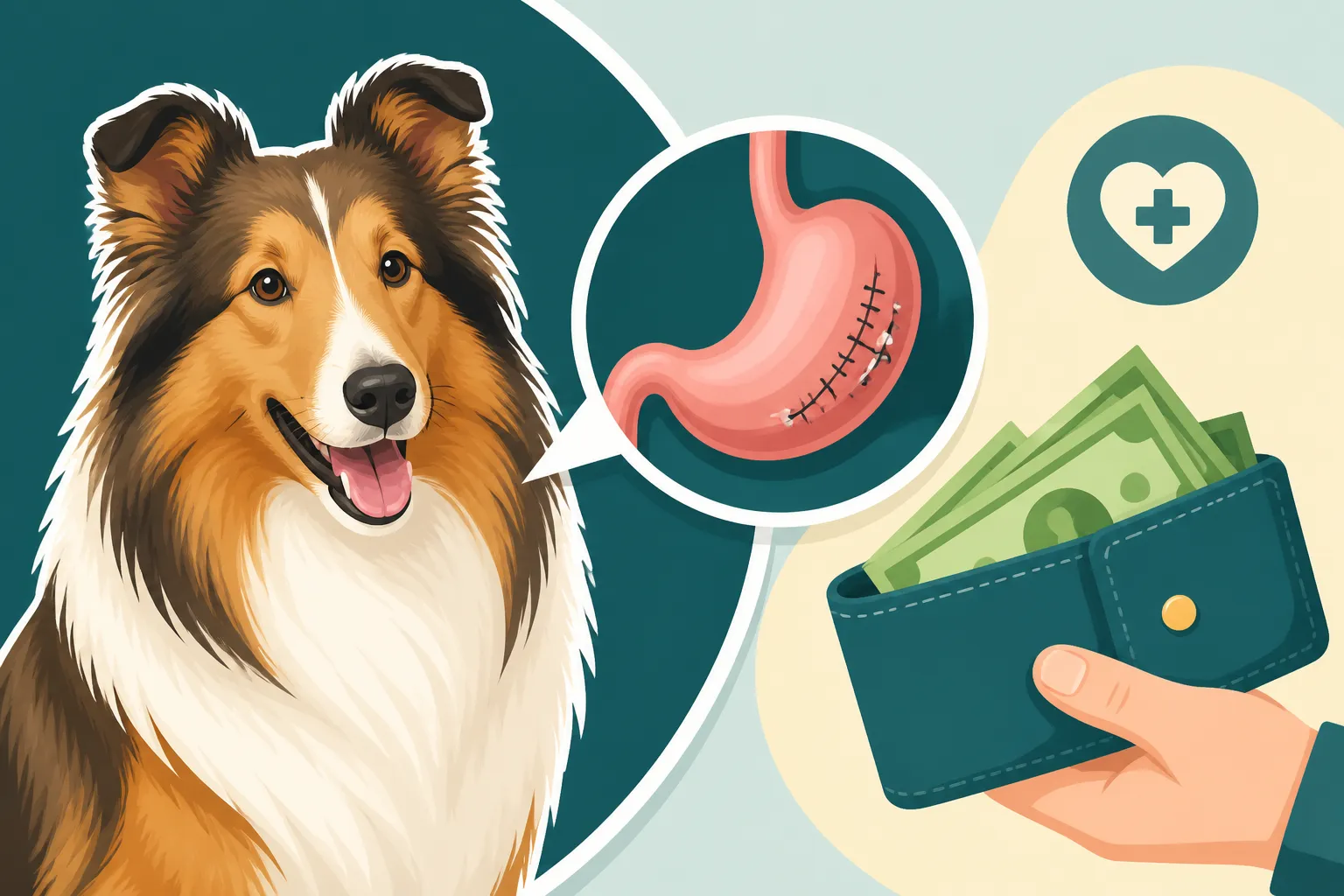
A gastropexy isn't a cure for bloat itself, meaning your Collie can still experience the initial gastric dilation (the stomach filling with gas). However, what it does prevent is the stomach twisting, which is the truly life-threatening part. During a gastropexy, the surgeon permanently attaches a portion of the stomach wall to the abdominal wall. Think of it like tacking down a rug so it can't bunch up or flip over. This attachment ensures that even if the stomach fills with gas, it cannot rotate, thus preventing the deadly volvulus.
There are different techniques for performing a gastropexy. A traditional open gastropexy involves a full incision, similar to other abdominal surgeries. More minimally invasive options, like laparoscopic gastropexy, use smaller incisions and a camera, often resulting in quicker recovery times. The choice of technique can influence both the cost and the recovery period. While the idea of surgery can be daunting, this preventative measure can spare your Collie from an agonizing emergency and give you years more with your beloved companion. It’s a strategic defense against a devastating health crisis. Whether a Collie Should Have a Preventive Gastropexy is a serious consideration for many.
Factors That Influence Gastropexy Costs
When you're considering a gastropexy for your Collie, it's natural to wonder about the financial aspect. There's no single, fixed price tag, as the cost can fluctuate wildly based on several key factors. Understanding these variables can help you prepare your budget and have informed discussions with your veterinarian. It’s not just the surgical procedure itself; it’s a whole package of care that you’re investing in.
Geographical Differences and Clinic Choices
Just like real estate, veterinary costs are often influenced by location. Veterinary practices in major metropolitan areas, or those in regions with a high cost of living, typically have higher overheads. This translates to higher prices for procedures compared to practices in rural or less expensive areas. A specialty veterinary surgery center in a bustling city like Los Angeles or New York is likely to charge more than a general practice in a small town in, say, Nebraska.
Beyond geography, the type of clinic also plays a significant role. A state-of-the-art veterinary hospital with board-certified surgeons, advanced diagnostic equipment, and 24-hour critical care staff will naturally command higher fees than a smaller, local general practice. While these specialized facilities offer exceptional expertise and resources, they come with a premium. It’s worth discussing with your primary vet if they perform gastropexies or if they refer to a specialist, and then exploring the options available in your area.
Elective vs. Emergency Gastropexy: A Vast Price Gap
This is perhaps the most significant factor impacting the cost. A gastropexy can be performed electively, often concurrently with another procedure like spaying or neutering, or it can be done as an emergency. The cost difference between these two scenarios is substantial, and for good reason.
An elective gastropexy is planned, allowing the veterinary team to schedule resources, personnel, and operating room time efficiently. The dog is typically healthy, stable, and has undergone all necessary pre-operative checks. The procedure is usually straightforward, and the post-operative care is predictable. This makes it considerably less expensive.
An emergency gastropexy, however, is a crisis. It demands immediate attention, often in the middle of the night or on a weekend. The surgical team is pulled away from other duties, and the dog is likely in critical condition, requiring intensive stabilization, advanced monitoring, and a higher level of risk management. The extensive diagnostics, emergency staff, after-hours fees, and the sheer urgency of the situation drive the cost significantly higher. This is why a preventive, elective gastropexy is so highly recommended for at-risk breeds like Collies – it's not just about preventing suffering, but also about potentially saving thousands of dollars in emergency veterinary care. When you consider How Fast Bloat Kills a Collie, the urgency of an emergency gastropexy is clear, and so is the associated cost.
The Anesthesia and Surgical Complications Component
Anesthesia is never a "one size fits all" situation, especially with a breed as sensitive as a Collie. The cost of anesthesia involves not only the medications themselves but also the highly skilled veterinary technician dedicated to monitoring your dog's vital signs throughout the entire procedure. This includes heart rate, respiration, blood pressure, oxygen saturation, and temperature. For breeds like Collies, who can sometimes have sensitivities (though generally not to standard anesthesia unless an MDR1 issue is present), meticulous monitoring is paramount. Whether Anesthesia Is Riskier for an MDR1 Collie is a different discussion, but general anesthesia always carries some risk.
Furthermore, while an elective gastropexy is usually straightforward, surgical complications can arise, even in the most skilled hands. These could range from unexpected bleeding to adverse reactions to medication, or issues with recovery. Each complication requires additional medical intervention, diagnostic tests, medications, and potentially extended hospitalization, all of which add to the final bill. While you can't predict complications, ensuring your vet uses thorough pre-anesthetic screening and has a well-equipped facility with trained staff helps mitigate risks and could prevent additional costs down the line.
Breaking Down the Bill: What You're Paying For
When you receive an estimate for a gastropexy, it can look like a long list of unfamiliar terms and numbers. It's not just a single "surgery fee." Understanding what each line item represents can help you feel more comfortable and informed about the investment you're making in your Collie's health. You're paying for a comprehensive package of care, from initial assessment to post-operative recovery.
Pre-Operative Assessments and Diagnostics
Before any surgery, especially one involving anesthesia, your Collie will need a thorough health check to ensure they are a good candidate. This typically includes:
- Veterinary Examination: A full physical exam to assess overall health, listen to heart and lungs, and check for any existing conditions.
- Bloodwork: Comprehensive blood tests are crucial. These often include a complete blood count (CBC) to check for infection or anemia, and a chemistry panel to assess organ function (liver, kidneys). This helps ensure your Collie can safely metabolize anesthetic drugs and recover effectively. Some clinics might also run a coagulation profile to check for clotting issues.
- ECG (Electrocardiogram): To check heart rhythm and detect any underlying cardiac issues that could complicate anesthesia. This is especially important for certain breeds or older dogs.
- X-rays (Radiographs): Sometimes, chest X-rays are taken to ensure lung health and rule out any pre-existing conditions that might affect recovery. Abdominal X-rays might also be considered if there are any concerns about internal organs.
These diagnostic steps are not just add-ons; they are vital to ensuring your Collie's safety under anesthesia and throughout the surgical process. They allow the veterinary team to tailor the anesthetic protocol to your individual dog and identify any potential risks before surgery even begins.
The Surgical Procedure and Hospital Stay
This is the core of the cost and encompasses everything directly related to the operation itself:
- Surgeon's Fee: This covers the expertise and time of the veterinarian performing the gastropexy. For specialized or board-certified surgeons at referral centers, this fee will be higher.
- Anesthesia Fee: As mentioned earlier, this includes the anesthetic drugs, the equipment used for delivery, and the continuous monitoring by a trained technician throughout the procedure.
- Operating Room Use: You're paying for the sterile environment, specialized lighting, surgical instruments, and the support staff (surgical nurses, assistants) who ensure everything runs smoothly.
- Pain Management: Crucial for your Collie's comfort and recovery. This often involves injectable pain medications given before, during, and immediately after surgery, followed by oral medications to go home with.
- Intravenous (IV) Fluids: Administered throughout surgery and often during the initial recovery period to maintain hydration, blood pressure, and deliver medications efficiently.
- Hospitalization/Overnight Stay: Most Collies will require at least an overnight stay for observation and initial recovery. This fee covers the cage, bedding, nursing care, regular monitoring, and feeding during their stay. For emergency gastropexies, the hospitalization period is often longer and more intensive, involving round-the-clock critical care.
This portion of the bill reflects the intense, hands-on care your Collie receives during the most critical phases of the procedure.
Post-Operative Care and Medication
The care doesn't stop once the surgery is over. The recovery period is just as important for a successful outcome:
- Take-Home Medications: Your Collie will likely be sent home with a course of pain medication (analgesics) to keep them comfortable and antibiotics to prevent infection. The cost of these prescription drugs is included. If your Collie has other health concerns, such as being An MDR1 Collie's Seizure Drugs Need Adjusting, this might add complexity to medication choice.
- E-collar (Cone of Shame): Essential to prevent your Collie from licking or chewing at their incision site, which can lead to infection or dehiscence (the incision opening).
- Follow-up Appointments: One or more recheck appointments will be necessary to ensure the incision is healing properly and to remove any sutures or staples. These visits are typically included in the overall cost or charged as standard office visits.
- Specialized Recovery Food: Some vets might recommend a specific easily digestible diet for a few days post-surgery, especially if your Collie has a sensitive stomach or struggled with nausea. Brands like Chewy often carry a wide selection of prescription diets recommended for post-operative recovery, or your vet might dispense a specific type.
- Activity Restriction Guidelines: While not a direct cost, understanding and adhering to post-operative activity restrictions is vital to prevent complications. This usually means leash walks only, no jumping, and careful supervision for several weeks.
This comprehensive approach to post-operative care ensures that your Collie recovers smoothly and that the benefits of the gastropexy are long-lasting.
Managing the Cost: Insurance, Payment Plans, and Proactive Measures
The cost of veterinary care, especially for surgical procedures like a gastropexy, can be a significant financial burden for many pet owners. However, there are several strategies and resources available to help make these essential procedures more manageable. Being prepared and proactive can make all the difference.
The Lifeline of Pet Insurance
Pet insurance is quickly becoming a non-negotiable for responsible pet ownership, and it can be an absolute lifeline when facing unexpected veterinary bills. For a procedure like a gastropexy, especially if performed electively, many insurance providers will cover a substantial portion of the cost. However, it's crucial to understand your policy. Most plans won't cover pre-existing conditions, so enrolling your Collie when they are young and healthy is key.
Companies like Healthy Paws offer various plans, and it’s important to research what they cover regarding hereditary conditions or preventative surgeries. Some plans might have waiting periods before certain conditions are covered, so don't wait until you suspect a problem. Look for policies that cover emergency care, specialist visits, and surgical procedures. When choosing a plan, consider the deductible, reimbursement percentage, and annual limit. Whether Pet Insurance Is Worth It on a Collie really comes down to your individual financial situation and risk tolerance, but for a breed prone to bloat, it's a strong consideration. Having a good policy in place could mean the difference between making a life-saving decision without financial stress and having to make agonizing choices.
Exploring Payment Options and Financial Aid
If you find yourself facing an unexpected or higher-than-anticipated bill, don't panic. Many veterinary practices understand the financial challenges of pet care and offer various solutions:
- Payment Plans: Some clinics offer in-house payment plans, allowing you to pay the total cost over several installments. It's always worth asking if this is an option.
- Third-Party Credit: Services like CareCredit are specifically designed for healthcare expenses, including veterinary care. They offer deferred interest or low-interest payment options, acting essentially as a credit card for medical bills.
- Emergency Funds: Having a dedicated emergency fund for your pet is perhaps the best proactive measure you can take. Even a few hundred dollars set aside can make a huge difference in an urgent situation. Whether a Collie Owner Needs an Emergency Fund is something I strongly advocate for.
- Veterinary Assistance Programs: Various non-profit organizations exist to help pet owners with veterinary costs. These often have specific eligibility requirements, but they can provide grants or financial assistance for certain procedures. Resources might vary by region, so ask your vet for local recommendations.
Never hesitate to discuss financial concerns with your veterinary team. They are there to help you care for your Collie, and often, they can guide you toward suitable payment solutions.
Prevention and Proactive Conversations
Beyond the financial tools, there are practical steps you can take to potentially reduce the overall risk of bloat (though a gastropexy is the best prevention) and be financially prepared:
- Discuss with Your Vet Early: If you have a Collie puppy, start the conversation about bloat risk and elective gastropexy with your vet during routine check-ups. Ask about the best age for the procedure, typical costs at their clinic, and what pre-operative steps are needed. This allows you to plan and save.
- Consider Food Choices and Feeding Habits: While food alone doesn't cause bloat, certain feeding habits can increase risk. Many vets recommend feeding two or three smaller meals a day instead of one large one. Whether a Collie's Meals Should Be Split is often advised. Using slow-feeder bowls can prevent your Collie from gulping down food too quickly. Ensure your Collie rests after eating, rather than engaging in strenuous activity. Brands like Ollie, which offer fresh, balanced meals, or high-quality kibble available through retailers like Chewy, can be part of a healthy diet, but the method of feeding is often more critical for bloat prevention.
- Monitor and React: Even with a gastropexy, your Collie can still experience gastric dilation. Knowing Signs a Collie Is Bloating is essential so you can seek veterinary attention promptly. Early intervention for simple dilation can prevent it from progressing to a more severe issue, even if the stomach can't twist.
Taking a comprehensive approach to your Collie's health, combining preventative surgery, financial planning, and informed daily care, offers the best chance for a long, happy life free from the terror of bloat.
| Factor | Impact on Gastropexy Cost | Considerations |
|---|---|---|
| Location | Higher in urban/high COL | Research clinics in your area, compare local vs. referral costs. |
| Clinic Type | Higher at specialty/ER | Specialist centers offer advanced care; general vets may be more budget-friendly. |
| Elective vs. Emergency | Significantly higher for ER | Elective (with spay/neuter) is always less costly and safer. |
| Pre-Op Diagnostics | Adds to base cost | Essential for safety; includes bloodwork, ECG, X-rays. |
| Anesthesia Protocol | Varies by duration/monitoring | Meticulous monitoring is crucial for Collie safety. |
| Post-Op Medications | Standard inclusion | Pain relief and antibiotics are part of the recovery package. |
| Hospitalization Length | Increases with longer stays | Overnight observation is typical; emergencies require extended critical care. |
| Complications | Adds significantly | Unforeseen issues require more intervention, diagnostics, and care. |
| Pet Insurance | Reduces out-of-pocket | Can cover a large percentage, but requires early enrollment before conditions exist. |
Disclaimer
This article is for general informational purposes only and does not constitute professional advice. Laws, prices and regulations vary by location and change over time. Consult a qualified professional for guidance on your specific situation.