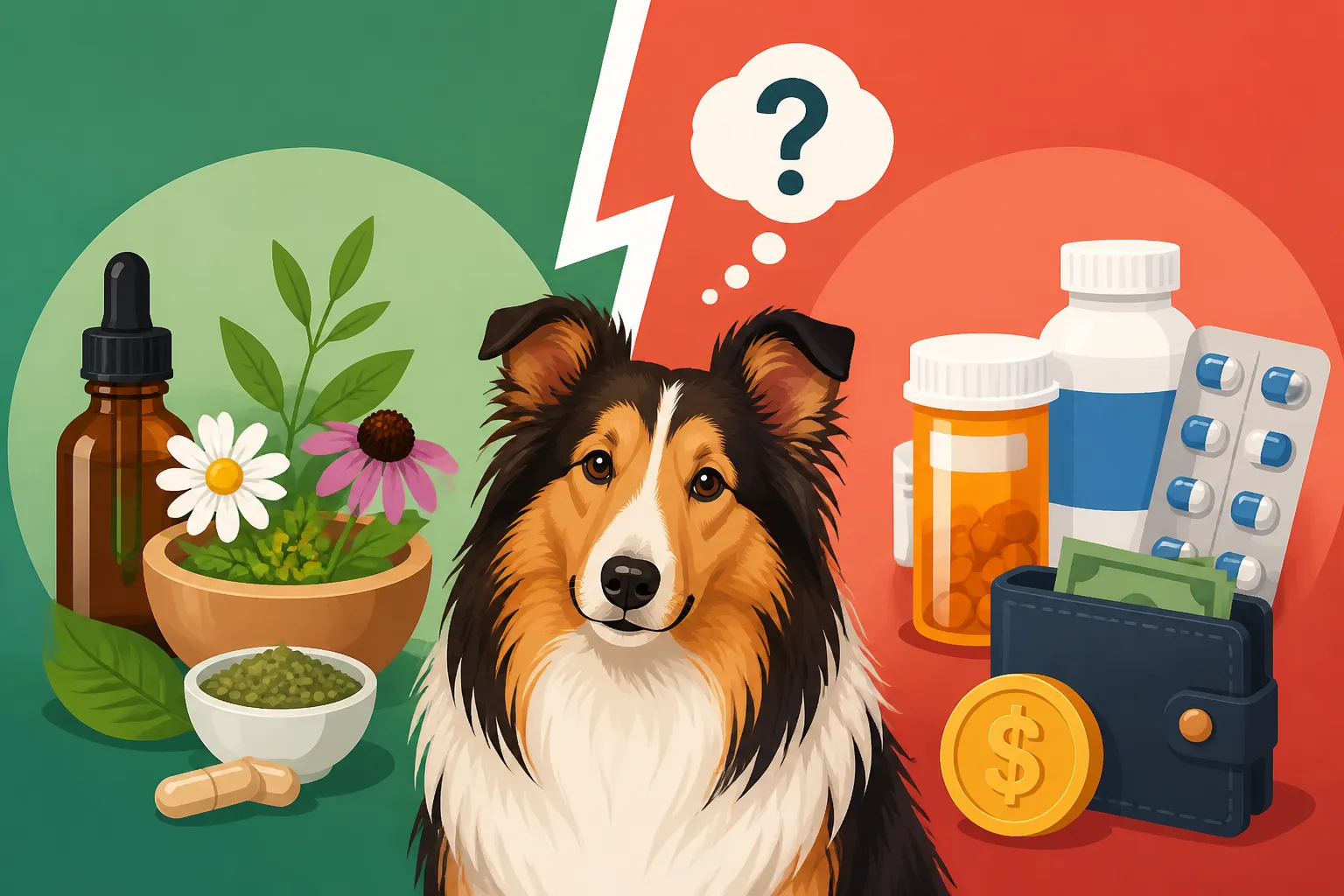
Whether Alternative Drugs Cost a Collie Owner More
It's a moment many Collie owners face with a knot in their stomach: your beloved dog needs medication, but then you hear those dreaded words – "because of the breed, we need to consider alternatives." Instantly, your mind jumps to the bottom line. Will these 'alternative drugs' cost more than standard treatments? This guide will dive deep into why Collies often require different medications, what those alternatives entail, and critically, how these choices impact your budget, helping you navigate the financial landscape of your Collie's unique health needs.
The Unique Drug Sensitivities of Collies and the Need for Alternatives
The beautiful, intelligent Collie is a fantastic companion, but beneath that flowing coat lies a genetic quirk that makes them uniquely sensitive to certain medications. This isn't just a minor inconvenience; it's a critical safety issue that often necessitates "alternative" drug choices, and those alternatives can indeed come with a different price tag. Understanding this foundational difference is key to understanding your costs.
The Shadow of the MDR1 Mutation
The most significant factor driving the need for alternative medications in Collies is the Multidrug Resistance 1 (MDR1) gene mutation, also known as ABCB1. This isn't some rare, obscure condition; it's prevalent in the breed. If you're a Collie owner, it's wise to Assume Your Collie Has the MDR1 Mutation unless proven otherwise through testing. What does this mutation do? Essentially, the MDR1 gene codes for a protein called P-glycoprotein, which acts like a pump, moving certain drugs out of the brain and other sensitive organs. In Collies with the mutation, this pump doesn't work effectively.
When a Collie with the MDR1 mutation is given a drug that is a substrate for this P-glycoprotein pump, that drug can accumulate to toxic levels in the brain, leading to severe neurological symptoms, coma, or even death. This is why a specific The Drug List That Can Kill a Collie exists, including common medications like ivermectin, loperamide, and certain chemotherapy agents and anesthetics. Because so many standard veterinary drugs fall onto this "caution" list, veterinarians are often forced to seek out alternative medications that are not pumped out by P-glycoprotein, or to use significantly reduced dosages of risky drugs, necessitating careful calculation and monitoring. This preventative caution often means opting for a different, potentially more expensive, pharmaceutical route.
Beyond MDR1: Other Breed-Specific Drug Considerations
While MDR1 is the big one, it's not the only reason a Collie might need an alternative approach to medication. Collies, like many purebred dogs, can be predisposed to other health conditions that might influence drug choices. For instance, some Collies might have sensitivities or adverse reactions to certain antibiotics, anti-inflammatories, or even specific vaccine components, completely unrelated to MDR1.
Moreover, the breed's conformation can play a role. Their deep chests put them at a higher risk for conditions like bloat, which might influence the choice of pre-operative sedatives or post-operative pain relief. Their general sensitivity and often reserved nature might also mean that a veterinarian opts for a milder sedative or an alternative approach to anxiety management than they might for a less sensitive breed, further guiding medication selection towards specific, sometimes pricier, options.
Exploring the Landscape of Alternative Medications for Your Collie
When a standard drug isn't an option for your Collie, your veterinarian has several paths they might take. These alternatives are designed to keep your dog safe and healthy, but each comes with its own set of availability and cost implications. It’s rarely a one-size-fits-all solution, and the options can range from custom-made formulas to different therapeutic approaches entirely.
Compounded Medications: Tailored Solutions, Unique Costs
One of the most common "alternative drug" routes for Collies, especially those with MDR1, is compounded medication. Compounding means that a specialized pharmacy creates a drug tailored to your dog's specific needs. This could involve making a drug that isn't commercially available in the correct strength, converting a human medication into a canine-friendly form, or formulating a drug to be free of inactive ingredients that might cause a reaction. For example, if a particular medication is safe for an MDR1 Collie but only comes in a huge tablet, a compounding pharmacy can create it in a liquid or smaller capsule form, making accurate dosing possible without risk.
The customization is wonderful for your Collie's health, but it comes at a premium. These aren't mass-produced pills; they are made-to-order, often with specialized ingredients and equipment. The labor involved, the quality control, and the typically smaller batch sizes mean that compounded medications almost invariably cost more per dose than their commercially manufactured counterparts. Sometimes, a compounding pharmacy is the only way to get a safe, effective version of a necessary drug. Owners should be prepared for this added expense when their Collie requires such specific formulations, and it's worth knowing that What Compounded Medication Costs for a Collie can vary significantly between pharmacies.
Off-Label Use and Dose Adjustments: When Standard Isn't an Option
Sometimes, an "alternative" isn't an entirely different drug, but rather a different way of using an existing one. This is known as off-label use, where a medication is prescribed for a condition or at a dose not specifically approved by regulatory bodies for that species or indication. For Collies, this often involves using a drug that is on the caution list for MDR1, but at an extremely low, carefully calculated dose, or choosing a drug primarily approved for another animal.
Dose adjustments are particularly common for MDR1-sensitive Collies. A veterinarian might prescribe a fraction of a typical dose of a drug, monitoring the Collie closely for any adverse reactions. This requires a precise understanding of pharmacokinetics and often means the veterinarian is taking on more liability. While the drug itself might be a standard, lower-cost medication, the process of determining the safe dosage, prescribing it off-label, and the necessity for more frequent follow-ups and blood tests can add to the overall cost of treatment. The cost isn't just the pill; it's the expertise and vigilance required to administer it safely.
Natural Supplements and Complementary Therapies
Beyond prescription drugs, many Collie owners explore natural supplements and complementary therapies as "alternatives" or adjuncts to traditional veterinary medicine. This can range from herbal remedies and nutraceuticals to acupuncture or chiropractic care. For some conditions, like joint support in an aging Collie, these options can be highly beneficial. For instance, a veterinarian might suggest fish oil supplements for coat health or omega-3s to support cognitive function in an older dog, as an alternative to a specific prescription. Brands like Chewy offer a wide range of such supplements, making them readily accessible.
The cost of these alternatives varies wildly. Some basic supplements are quite affordable and can be purchased over-the-counter, potentially reducing the need for more expensive prescription drugs in the long run. However, specialized herbal formulas or regular sessions with a certified veterinary acupuncturist can quickly add up. It's crucial to discuss any natural supplements with your veterinarian, especially for an MDR1 Collie, as even "natural" substances can interact with other medications or exacerbate underlying conditions. While sometimes cheaper, these alternatives often require careful vetting to ensure they are safe and truly effective, adding an investigative cost in time and research.
Deconstructing the Cost: Why Alternative Drugs Can Hit Harder
The bottom line is often what worries us most. When your vet says "alternative," your mind might immediately go to higher expenses. And, unfortunately, for many Collies, that concern is well-founded. Several factors contribute to why these specialized medications or treatment approaches can indeed carry a heftier price tag compared to standard veterinary pharmaceuticals.
The Price Tag of Specialization and Customization
As we discussed, many alternative drugs for Collies involve a degree of specialization. Compounded medications, for example, are custom-made formulas. Think of it like a bespoke suit versus off-the-rack clothing. The ingredients might be more expensive, the labor involved in preparing small batches is higher, and the quality control measures for unique formulations are rigorous. Pharmacies that offer compounding services have specialized equipment and trained personnel, all of which contribute to their operational costs, which are then passed on to the consumer. This isn't just about the raw material; it's about the precision and individual attention each prescription receives.
Moreover, the expertise required to prescribe and monitor these alternatives also contributes to the cost. Your veterinarian needs to be deeply knowledgeable about canine pharmacology, especially concerning breeds with specific genetic mutations like MDR1. They might spend more time researching drug interactions, calculating precise dosages, and counseling owners. This increased intellectual labor, while invaluable for your Collie's well-being, is a professional service that can be reflected in consultation fees or the overall cost of the treatment plan. This kind of specialization is precisely What MDR1 Costs a Collie Owner in Caution and Vet Time.
Sourcing Challenges and Limited Competition
Standard veterinary drugs benefit from economies of scale. They are manufactured in large quantities, distributed widely, and often have multiple generic versions available, driving down prices through competition. Alternative drugs, especially compounded ones or those used off-label, often don't have this luxury. They may be sourced from a limited number of specialty suppliers, reducing competitive pricing. For instance, if only a handful of compounding pharmacies can create a specific formula, their pricing power is naturally greater.
Furthermore, the demand for these specific alternative drugs for Collies, while significant within the breed community, is still a niche market compared to, say, flea and tick preventatives for all dogs. This smaller market size means less incentive for major pharmaceutical companies to develop and mass-produce Collie-specific formulations, leaving the gap to be filled by smaller, specialized providers who simply cannot achieve the same cost efficiencies as large manufacturers. This often means you can't just pick up your Collie's specific medication at any local pharmacy; you might need to seek out a specialized pet pharmacy or an online provider that partners with compounding facilities.
Diagnostic and Monitoring Costs
Sometimes, the "alternative drug" doesn't cost more on its own, but the process of safely using it does. For Collies, especially those with suspected or confirmed MDR1, veterinarians often recommend diagnostic tests to confirm the mutation. While not directly a drug cost, What an MDR1 Test Costs for a Collie is an initial expense that many other dog owners don't face. This test is crucial for guiding medication choices, so it's a necessary step that contributes to the overall financial outlay.
Beyond initial testing, monitoring is key. If a veterinarian chooses to use a lower dose of a caution-list drug, or an off-label medication, they will likely require more frequent check-ups, blood tests, or other diagnostic imaging to ensure the drug is working effectively and not causing any subtle adverse effects. These monitoring costs can add up over time, making a seemingly "cheaper" drug choice ultimately more expensive due to the required veterinary oversight. The goal is always to prioritize your Collie's safety, and sometimes, that means more rigorous, and thus more expensive, monitoring protocols.
Strategies for Budgeting and Saving on Your Collie's Medications
Realistically, the need for alternative medications can impact your budget. But that doesn't mean you're helpless! There are proactive steps Collie owners can take to mitigate these costs and ensure their furry family member gets the best possible care without completely breaking the bank. It's all about being informed and strategic.
The Role of Pet Insurance and Wellness Plans
One of the most powerful tools in managing unexpected veterinary costs, including those for alternative drugs, is pet insurance. Plans vary wildly, but many comprehensive policies can help cover a significant portion of prescription medication costs, especially for unforeseen illnesses or accidents. It's critical to read the fine print, as some policies might have exclusions for pre-existing conditions or certain genetic predispositions, but many excellent providers like Healthy Paws offer coverage that can be a lifesaver. When considering pet insurance for your Collie, specifically ask Whether a Collie Policy Covers Genetic Disease or conditions like the MDR1 mutation if your dog is affected. Enrolling your Collie when they are young and healthy is often the best strategy, as it minimizes the chance of conditions being deemed "pre-existing."
Beyond full insurance, some veterinary clinics or third-party providers offer wellness plans. These typically cover routine care like vaccinations and preventative medications, but some might include discounts on prescriptions or diagnostic tests. While a wellness plan might not cover a major illness or a specialized compounded drug, it can help manage the predictable costs, freeing up funds for the less predictable expenses associated with alternative medications.
Comparing Pharmacy Prices and Reputable Online Options
Just as you'd shop around for human prescriptions, you absolutely should for your Collie's medications. Prices for the same drug, even a compounded one, can vary significantly between different pharmacies. Don't be afraid to ask your veterinarian if they can send the prescription to a different pharmacy or provide you with options for sourcing. Many veterinarians are accustomed to working with online pet pharmacies, which can often offer competitive pricing on both standard and some specialized medications. Websites like Chewy's pharmacy section or other reputable veterinary online pharmacies can be excellent resources for comparing prices, especially for long-term maintenance drugs.
However, a word of caution: always ensure you are using a legitimate, licensed pharmacy, whether brick-and-mortar or online. Be wary of unbelievably low prices, as counterfeit or improperly stored medications can be dangerous for your Collie. Your veterinarian can often recommend trusted online pharmacies or provide guidance on how to verify a pharmacy's credentials. For compounded medications, specifically ask Whether an MDR1 Collie Needs a Specialist Pharmacy that is well-regarded for canine compounding.
Proactive Testing and Breeder Transparency
One of the best long-term cost-saving strategies is prevention and informed decision-making from the very start. If you are acquiring a Collie puppy, choosing a reputable breeder who conducts comprehensive genetic health testing on their breeding stock is paramount. A responsible breeder will have already performed The Three Genetic Tests a Collie Breeder Has Already Paid For, including MDR1 testing, and will be transparent about the results of both parents. This allows you to know your puppy's MDR1 status (clear, carrier, or affected) from day one.
Knowing your Collie's MDR1 status means your vet can immediately make safe drug choices, avoiding costly reactions and emergency care. A severe drug reaction for an MDR1-affected Collie can lead to emergency hospitalization, extensive supportive care, and a huge veterinary bill, far outweighing the cost of a genetic test or choosing a responsible breeder. If you have a rescue Collie or an adult dog whose history is unknown, getting an MDR1 test done early can save you significant money and heartache down the line.
Partnering with Your Vet: Advocating for Your Collie's Health and Your Wallet
Your veterinarian is your most important ally in managing your Collie's health, especially when it comes to navigating the complexities and costs of alternative drugs. Building a strong, trusting relationship and engaging in open communication can make a world of difference for both your dog's well-being and your financial peace of mind.
Open Communication About Costs and Treatment Plans
Never hesitate to have an honest conversation with your veterinarian about treatment costs. Most vets understand that pet care can be expensive and want to help you find the best balance between effective treatment and your budget. If a particular alternative drug or treatment plan seems prohibitively expensive, ask if there are other equally effective, more affordable options. Perhaps a different brand of compounded medication, a slightly different therapeutic approach, or a payment plan could be considered.
It’s completely acceptable to ask for a detailed estimate of costs before proceeding with significant treatments or long-term medication plans. This allows you to budget, explore insurance options, or discuss financing. Your vet can explain the rationale behind their recommendations for alternative drugs, helping you understand why a particular choice, despite its cost, might be the safest or most effective for your Collie. Knowing How a Collie Owner Tells the Vet About MDR1 effectively can also streamline these conversations and ensure appropriate drug choices are made promptly.
Keeping Comprehensive Health Records
Maintaining thorough health records for your Collie is invaluable, especially when dealing with breed-specific sensitivities and alternative medications. Keep a file with all diagnostic test results, especially for MDR1, Collie Eye Anomaly, and other genetic conditions. Document every medication your Collie has ever been prescribed, including the dosage, duration, and any observed side effects or benefits. This detailed history becomes crucial if you ever need to see a different veterinarian, an emergency vet, or a specialist.
When it comes to alternative drugs, having clear records of what has been tried, what worked, and what didn't can save time and money by preventing redundant tests or unsuccessful treatments. It also serves as a critical reference for emergency situations, ensuring that medical professionals are aware of your Collie's unique drug sensitivities. Many owners ask Whether a Collie's Chart Should Be Flagged at the Clinic to ensure that MDR1 status is always top of mind for any staff member interacting with their dog.
The Value of a Breed-Knowledgeable Veterinarian
While any compassionate veterinarian can care for a Collie, there's undeniable value in finding a vet who has specific experience with the breed or a deep understanding of breed-specific issues like the MDR1 mutation. A vet who is already well-versed in Collie sensitivities might be more proactive in suggesting appropriate alternative drugs, more confident in adjusting dosages, and better equipped to handle any unexpected reactions. They may also be more familiar with reputable compounding pharmacies or specialized testing labs.
A breed-knowledgeable vet can also be a better resource for preventing issues before they start, advising on preventative care and monitoring that aligns with a Collie's unique needs. While this might not directly reduce the cost of an alternative drug, it can lead to more efficient and effective care overall, potentially avoiding costly mistakes or prolonged illnesses that require extensive treatment down the line. If you are fortunate enough to have a vet who understands the nuances of Collie health, they are a partner worth their weight in gold.
Disclaimer
This article is for general informational purposes only and does not constitute professional advice. Laws, prices and regulations vary by location and change over time. Consult a qualified professional for guidance on your specific situation.