Whether a Collie Should Be Groomed Before or After Blowing Coat
Ah, the dreaded coat blow! If you're a Collie owner, you know exactly what I'm talking about. It's that time of year (or two times a year, sometimes more!) when your beautiful, fluffy companion suddenly decides to redecorate your entire home with their luxurious fur. You find yourself wondering if there's a magic bullet, a perfect timing for grooming that will make the whole ordeal less, well, furry. This guide is here to unravel the mystery of timing your Collie's grooming sessions to best manage the overwhelming chaos that is their seasonal coat blow.
The Great Collie Coat Blow: What's Really Happening?
Before we dive into the "when," let's talk about the "what." Understanding what a Collie's coat blow actually entails is the first step to managing it effectively. It's not just regular shedding; it's an event, a magnificent, fluffy spectacle that can leave you questioning how one dog can produce so much hair.
What is "Blowing Coat"? Unpacking the Process
When your Collie is "blowing coat," it's more than just losing a few strands here and there. It's a physiological process where the dog sheds its entire undercoat, making way for new growth better suited to the upcoming season. Imagine putting on or taking off a very thick, warm sweater. That's essentially what your Collie is doing. Their double coat consists of a harsh outer coat that protects them from the elements, and a soft, dense undercoat that provides insulation. During a coat blow, it's primarily this undercoat that comes out in prodigious amounts. It can feel like your dog is literally disintegrating into a pile of fluff.
This process is usually triggered by changes in daylight hours and temperature, which is why it often happens in spring (shedding the winter coat) and fall (shedding the summer coat to grow a denser winter coat). Hormonal changes, like those experienced after whelping a litter, can also trigger an intense coat blow at other times of the year. The sheer volume of hair can be astonishing, creating tumbleweeds of fur across your floors and clinging to every surface. It's easy to get frustrated, but remember, it's a natural and healthy process for your Collie!
The Timeline of a Collie Coat Blow: Expect the Unexpected
While we talk about spring and fall, the exact timing of a Collie's coat blow can be a bit unpredictable, varying from dog to dog, and even year to year for the same dog. Some Collies might have a relatively mild, prolonged shed, while others will have an intense, concentrated "explosion" of fur over a few weeks. Typically, you can expect the most significant shedding period to last anywhere from 3 to 6 weeks. However, some amount of shedding will continue throughout the year, as coats are constantly renewing.
Factors like living indoors versus outdoors can also influence the timeline. Indoor Collies, exposed to artificial light and consistent temperatures, might shed more continuously throughout the year rather than having two distinct, heavy blows. An intact female Collie might experience an intense coat blow after her heat cycle or post-pregnancy, which is a hormonal shedding. Understanding your own Collie's unique cycle will help you anticipate and prepare. You'll start to recognize the subtle signs – more hair than usual on their bed, a slightly duller appearance to their coat, or an increased itchiness as the dead undercoat irritates their skin. When a Collie Blows Its Coat describes this experience in more detail.
Strategic Grooming: Preparing for the Avalanche (The "Before" Approach)
The idea of grooming before the coat blow really kicks in is about proactive management. It's like preparing for a big storm: you can't stop it, but you can definitely minimize its impact by getting things in order beforehand.
Advantages of Pre-Blow Grooming
Think of pre-blow grooming as laying the groundwork for an easier shedding season. By giving your Collie a thorough grooming session before the undercoat fully detaches and starts coming out in massive clumps, you can actually save yourself a lot of headaches.
First, a good bath with a high-quality deshedding shampoo and conditioner, followed by a meticulous blow-dry, can help loosen and remove a significant amount of dead or ready-to-shed undercoat. This preemptive strike means there's less hair to fall out when the true "blow" begins. Second, it can prevent mats. As the undercoat detaches, it can easily intertwine with the longer guard hairs, forming dense, painful mats, especially behind the ears, in the armpits, and under the "petticoat" on their hind legs. Removing any existing tangles and thinning out some of the undercoat beforehand makes it much harder for these new mats to form. Your dog will be more comfortable, and you'll spend less time later trying to painstakingly (and sometimes painfully for the dog) brush out those stubborn knots. This also gives you a clean slate, so to speak, to then tackle the incoming fur with fresh tools and renewed determination.
Disadvantages or Limitations of Grooming Too Early
While proactive grooming is generally a good idea, there are limitations to how much you can truly mitigate the coat blow by grooming before it begins. You can't prevent the natural shedding cycle. If you groom too far in advance, you might only be catching the regular, everyday shedding, and the true surge of undercoat will still come later, seemingly undeterred.
Another potential disadvantage is that you might not get all the undercoat that's about to blow. The hair might not be fully detached yet, making it harder to remove efficiently. It's a fine line between getting ahead of the game and expending a lot of effort without truly making a dent in the inevitable. For some Collies, the onset of a coat blow is quite sudden, making it difficult to pinpoint the "before" window effectively. You might schedule a grooming session, only to find the massive shedding begins just a few days later, leaving you feeling like you missed the mark entirely. Still, any preparatory grooming is usually beneficial, even if it doesn't entirely halt the furry onslaught.
Tackling the Flurry: Grooming During Peak Shedding (The "During/After" Approach)
This is where the real work often happens. Once you're finding fur on your ceiling fans, you know you're in the thick of it. Grooming during the peak of the coat blow is less about prevention and more about active management and removal.
Advantages of Post-Blow/During Grooming
When your Collie is actively blowing coat, consistent and thorough grooming is your absolute best friend. The biggest advantage here is efficiency: you are directly removing the dead, detached undercoat that is ready and willing to leave your dog's body (and make a home in your couch cushions). Using the right tools at this stage allows you to pull out enormous quantities of hair, providing immediate relief to your dog and significantly reducing the amount of fur that ends up in your environment.
Regular brushing during this period also stimulates blood circulation to the skin, which can promote healthier new coat growth. It helps distribute natural oils, keeping the remaining coat and skin in good condition, and can prevent skin irritations that might arise from trapped, dead undercoat. While it feels like an endless task, each session makes a noticeable difference, reducing the risk of mats and keeping your Collie more comfortable. It’s also an excellent time to inspect their skin for any unusual spots or issues that might be hidden under the dense fur. How Often a Rough Collie Should Be Brushed explores the frequency needed.
Challenges of Grooming a Blowing Coat
Let's be real: grooming a Collie during a full coat blow is not for the faint of heart. It's a time-consuming, labor-intensive, and often messy affair. The sheer volume of hair coming off your dog can be overwhelming. You'll brush for what feels like hours, and it might seem like you haven't made a dent, only to find another mountain of fur on the brush the next day. The primary challenge is preventing mats. As the undercoat sheds, it can easily clump and felt together, especially in areas of friction or where the coat is thickest. If these mats aren't addressed promptly, they can become tight, painful, and require professional intervention or even shaving.
Another challenge is keeping your home clean. Despite your best efforts, hair will fly. It will get on your clothes, in your food, and become a permanent fixture on your upholstery. It requires patience, a good vacuum cleaner, and a sense of humor. Make sure you're equipped with effective tools, otherwise, you'll feel like you're fighting a losing battle with an ineffective weapon. Investing in quality products, perhaps from a reputable source like Chewy, can make a significant difference in your grooming efficacy.
Best Practices for Managing a Collie's Blowing Coat
So, if there's no single "perfect" timing, what's the best strategy? It's a continuous, multi-pronged approach that starts before the major blow and continues diligently throughout.
Essential Tools and Techniques
Managing a Collie's coat blow effectively means having the right arsenal of tools and knowing how to use them.
- High-Velocity Dryer: This is arguably your secret weapon. A good force dryer blasts air deep into the coat, separating hairs and literally blowing out vast amounts of dead undercoat before you even pick up a brush. It's loud, but incredibly effective, and can significantly cut down brushing time and prevent mats.
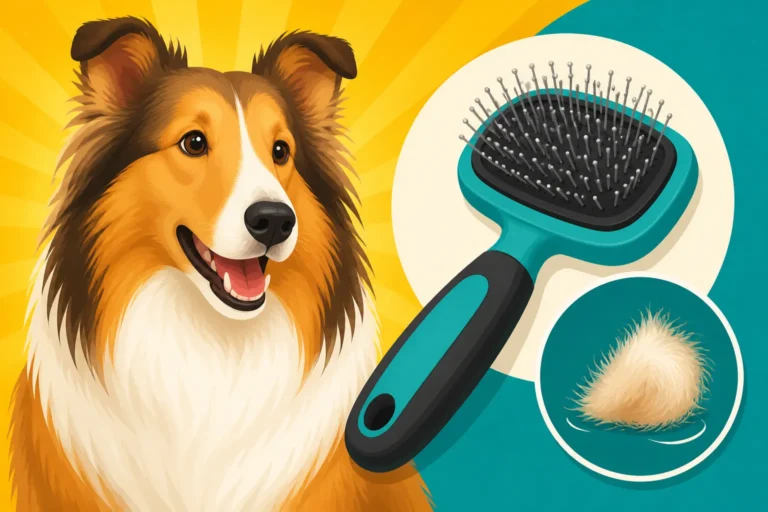
- Pin Brush: Excellent for general brushing and working through the longer guard hairs. Always brush in layers, starting from the bottom and working your way up, ensuring you reach the skin.
- Undercoat Rake/Stripping Comb: This tool is specifically designed to get into the dense undercoat and pull out loose hair without damaging the topcoat. Use it gently and systematically.
- Slicker Brush: Useful for fluffing and finishing, and for tackling smaller, surface mats, but be careful not to "rake" the skin.
- Wide-Toothed Comb: Essential for checking your work and finding any missed tangles or mats after brushing. If the comb can pass through the coat easily, you've done a good job.
Line Brushing is the technique you'll want to master. Part the coat horizontally, then brush the small section beneath the part, ensuring your brush reaches all the way to the skin. Work your way up the body, section by section. This methodical approach ensures no spot is missed, and that dead undercoat is removed from root to tip. Remember, patience is key. And a treat for your Collie never hurts!
Professional Groomer vs. Home Grooming
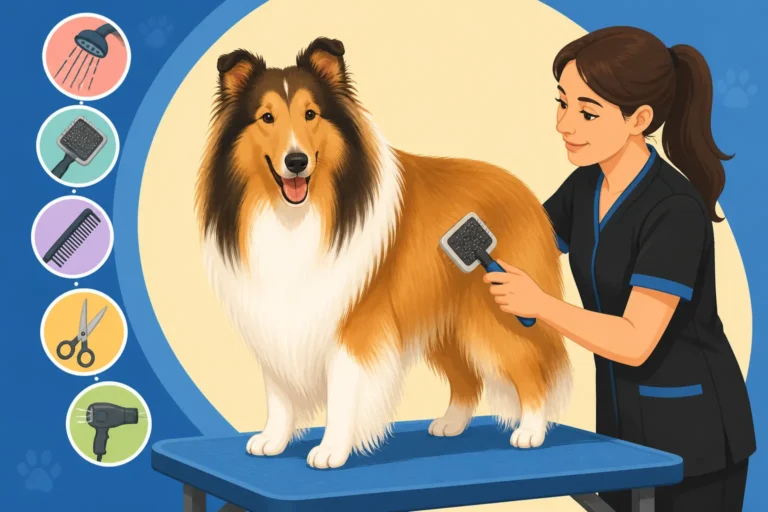
While many Collie owners prefer to handle daily and weekly grooming at home, the coat blow is often when a professional groomer truly shines. A professional groomer has industrial-strength force dryers, specialized tools, and the experience to handle even the densest, most matted coats efficiently and safely. They can perform a thorough deshedding bath and blow-out that you might struggle to replicate at home, especially if your Collie isn't keen on being drenched and blasted for an hour.
Consider scheduling a professional deshedding service right at the start of the anticipated coat blow, or if you find yourself completely overwhelmed by the amount of hair or persistent matting. They can often get a massive amount of dead coat out in one session, giving you a much more manageable starting point for your home maintenance. However, don't abdicate all responsibility! Even after a professional groom, you'll still need to maintain a regular brushing schedule at home to keep the fur under control. Think of professional grooming as a powerful reset button, not a permanent solution. What a Professional Groom Costs on a Rough Collie provides insight into the expense.
The Impact of Diet and Health on Coat Blow
Grooming is just one piece of the puzzle. A healthy coat, and by extension, a healthy shedding cycle, starts from the inside out.
Nutritional Support for a Healthy Coat
Just like with us, what your Collie eats has a profound impact on their skin and coat health. A high-quality diet provides the essential nutrients needed for strong hair follicles and a healthy shedding process. Look for foods rich in omega-3 and omega-6 fatty acids, such as those found in fish oil or flaxseed. These fatty acids are crucial for skin hydration, reducing dryness and flakiness, and promoting a lustrous, healthy coat. Good protein sources are also vital for hair growth and strength.
Feeding a complete and balanced diet, perhaps from a brand like Ollie, can make a noticeable difference in the overall condition of your Collie's coat, potentially leading to a healthier, less extreme coat blow. A healthy coat sheds more easily and is less prone to matting. Conversely, a poor diet can lead to dull, brittle hair that sheds poorly and is more prone to tangles and skin issues. Always ensure your Collie has access to fresh water, as hydration is also key for skin and coat health.
Recognizing Underlying Issues Mimicking a Coat Blow
Sometimes, excessive shedding or poor coat quality isn't just a normal coat blow; it can be a sign of an underlying health issue. If your Collie's shedding seems unusually heavy, prolonged, or accompanied by other symptoms, it's worth a trip to the vet.
Signs that something more might be going on include:
- Patchy hair loss or bald spots: This is distinctly different from general shedding.
- Excessive itching or scratching: While some itchiness can occur during a coat blow, constant scratching might indicate allergies, parasites, or a skin infection.
- Red, inflamed, or irritated skin: Again, a sign of skin issues, not normal shedding.
- Dull, brittle, or greasy coat: This could point to nutritional deficiencies or other health problems.
- Changes in behavior, appetite, or energy levels: These are general signs of illness.
Conditions like hypothyroidism, skin allergies, parasitic infestations (fleas, mites), fungal infections, or even stress can all manifest as poor coat quality or excessive hair loss. If you're concerned, don't hesitate to consult your veterinarian. They can perform diagnostic tests to rule out any medical causes. Insurance providers like Healthy Paws can be a lifesaver if unexpected vet visits and treatments for skin or health issues become necessary. Your vet can advise on potential remedies, from dietary changes to specific medications. Whether a Collie Gets Thyroid Disease discusses a common underlying cause of coat issues.
Grooming Timing: Before, During, or a Blend?
Let's summarize the key takeaways regarding grooming timing for your Collie's coat blow.
| Aspect | Grooming "Before" Peak Shedding | Grooming "During" Peak Shedding | Blended Approach (Recommended) |
|---|---|---|---|
| Primary Goal | Preparation, prevention of severe matting, initial loose hair removal | Active removal of detached undercoat, mat prevention, comfort | Proactive management, consistent removal, ongoing coat health |
| Intensity | Moderate to thorough bath and brush | High intensity, frequent, deep brushing and blowing out | Consistent maintenance with intensified efforts during peak blow |
| Tools Used | Pin brush, slicker, comb, detangling spray | High velocity dryer, undercoat rake, pin brush, slicker, comb | All tools, strategically used based on coat condition |
| Frequency | Once, leading up to the expected blow | Daily or every other day, depending on shedding intensity | Weekly regular grooming, daily during peak blow |
| Key Benefits | Reduces initial shock, fewer mats at start, easier transition | Keeps dog comfortable, reduces house fur, promotes new growth, prevents large mats | Smoothest management, healthiest coat, minimizes overall effort and mess |
| Challenges | Timing can be tricky, doesn't stop the inevitable heavy shed | Time-consuming, very messy, constant effort required | Requires dedication and consistency throughout the year |
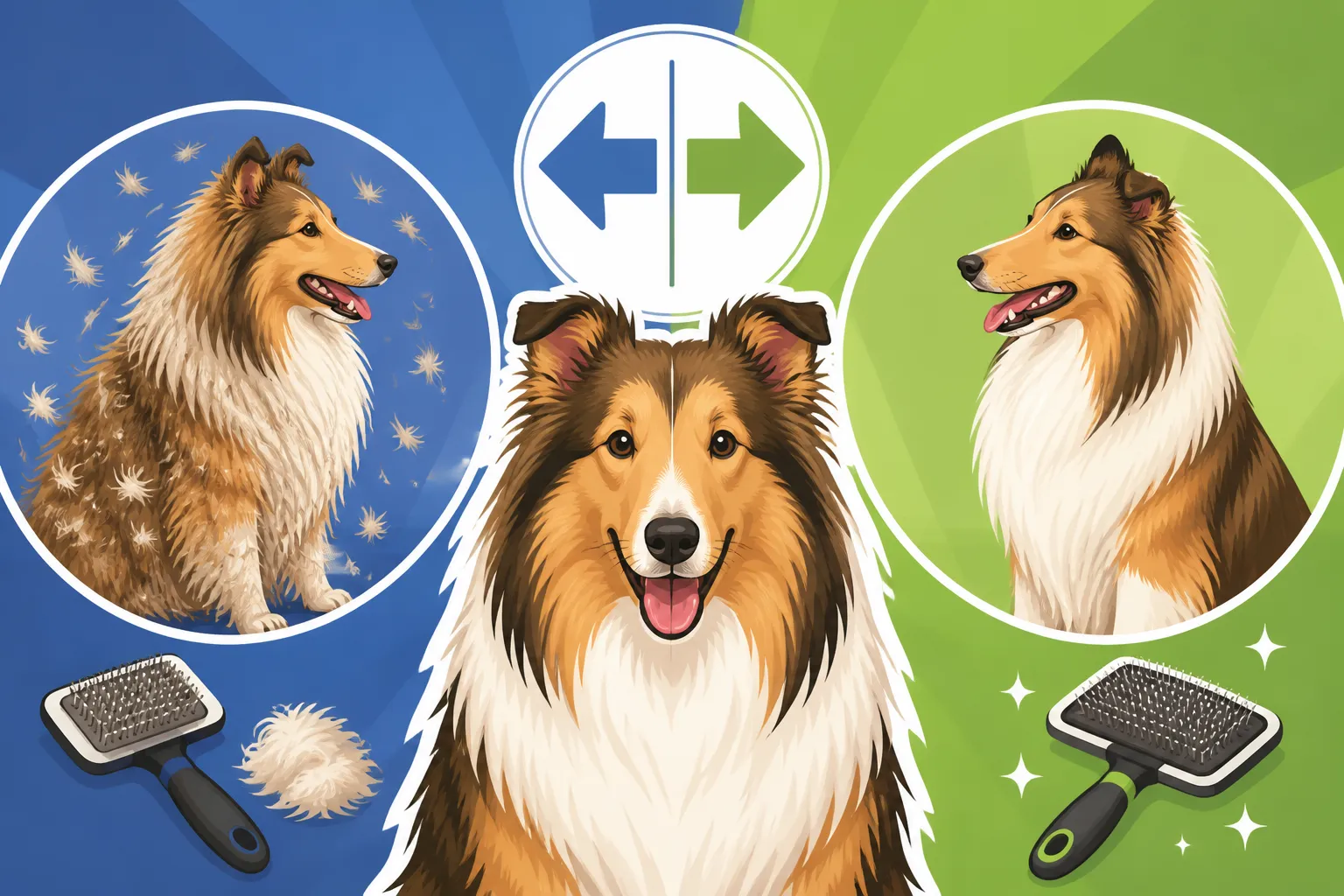
Ultimately, the best strategy is a blended approach: a solid base of regular grooming throughout the year, intensified efforts before the major coat blow to get a head start, and then diligent, frequent grooming during the peak shedding period. Think of it as a marathon, not a sprint. Your Collie will thank you for the consistent care, and your vacuum cleaner will too! Four Tools and Twenty Minutes: Brushing a Rough Collie will help you get started on your regular grooming routine.
You know your Collie best. Pay attention to the subtle cues that the coat blow is about to begin. Perhaps a little more hair than usual is coming out during a normal brush, or they seem a bit itchier. That's your signal to step up the grooming game. Regular brushing, especially with the right tools, is paramount. A deshedding bath and blow-out can make a huge difference, whether you do it yourself or opt for professional help. By taking a proactive and persistent approach, you can navigate the annual (or bi-annual) coat blow with much less stress and a happier, healthier Collie. And remember, it will pass! Eventually. The Three Weeks Twice a Year When a Collie Buries Your House might feel all too real during this time.
Disclaimer
This article is for general informational purposes only and does not constitute professional advice. Laws, prices and regulations vary by location and change over time. Consult a qualified professional for guidance on your specific situation.