Whether a Collie Paces When Understimulated
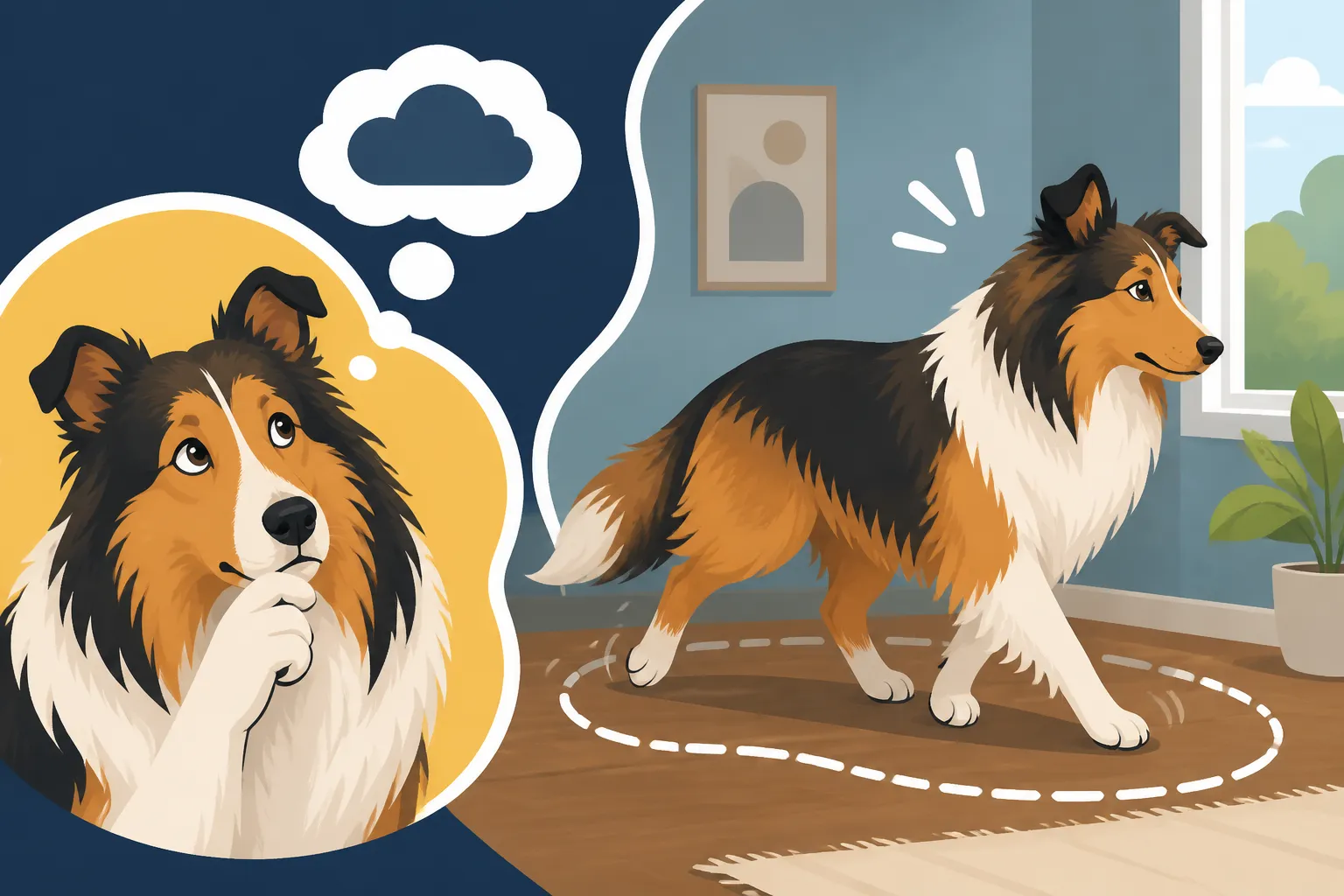
It’s a sight many Collie owners know all too well: your beautiful, intelligent dog pacing back and forth, perhaps along the fence line, or even from one end of the living room to the other, often with a soft whine or a slightly troubled look in their eyes. This isn't just a sign of needing to go outside; it's often a clear indicator that your Collie is understimulated, and their active mind and body are craving more engagement. This guide will explore why Collies pace when they're not getting enough mental or physical exercise, and crucially, what you can do to turn that restless energy into happy, contented calm.
Understanding Collie Pacing: More Than Just Restlessness
When you see your Collie pacing, it's rarely just random movement. It's often a tell-tale sign that their inherent needs as a highly intelligent, historically active herding breed aren't being met. While other dogs might just sleep more or get into mischief, a Collie's response to boredom often manifests as this repetitive, almost anxious movement. It's their way of saying, "I need something to do!"
Why Collies Are Prone to Understimulation
Collies, both Rough and Smooth, were originally bred for extensive work on Scottish hillsides, driving and guarding livestock. This isn't just a matter of physical stamina; it demanded incredible mental acuity, problem-solving skills, and a strong partnership with their human handlers. They had to read sheep, read their environment, and anticipate commands, sometimes from a great distance. This history has endowed them with a high level of intelligence and a strong work ethic, even in modern companion Collies.
When these traits aren't given an outlet, that powerful brain doesn't just switch off. Instead, it can become restless, leading to behaviors like pacing. Imagine having a brilliant mind but nothing to challenge it – you'd feel pretty antsy too, right? This is why a simple walk around the block, while good, often isn't enough to satisfy a Collie's need for engagement. They need activities that stimulate their senses and make them think. You might notice your Collie is just as tired after a good puzzle toy session as they are after a long hike, because that mental workout is just as demanding.
The Subtle Language of Collie Pacing
Pacing isn't always a dramatic sprint. Sometimes it's a slow, methodical circuit of a room, or just a few steps back and forth along a window, accompanied by intense staring. It can be easy to dismiss this as mere "restlessness," but it's important to understand the nuance. A Collie who paces might also:
- Whine softly: This isn't usually a loud, demanding bark, but more of a quiet, persistent plea.
- Nose-poke or nudge you: They might try to engage you, dropping a toy at your feet or nudging your hand with their muzzle, then resuming their pacing if you don't respond.
- Stare intently: Often, they'll fixate on something outside, or even just a blank wall, as if trying to conjure a task for themselves. This can be particularly true if you have a dog that tends to Whether a Collie Barks at Cars Going Past.
- Lack interest in usual activities: While pacing, they might ignore their toys or favorite resting spots, indicating their brain is too busy searching for something to do.
- Follow you incessantly: This "velcro dog" behavior is characteristic of the breed, but if it's coupled with pacing, it's often a sign they're looking to you for direction and an activity.
It’s about recognizing that this isn't simply boredom, but an internal drive to be active and engaged that isn't being met. It’s their way of communicating a need, and it’s up to us to interpret it correctly.
Identifying the Roots of Understimulation
So, if your Collie is pacing, how do you pinpoint exactly what's missing? Understimulation isn't always about a single factor; it's often a combination of lacking physical exercise, mental challenges, and sometimes, even social interaction. Untangling these threads is the first step to a happier, calmer Collie.
Is It Lack of Physical Exercise?
Let's be honest, those long coats might make Collies look like couch potatoes, but beneath all that fluff is an athletic dog. While they might be calmer indoors than some other herding breeds, like a Border Collie, they still require a good amount of physical exertion. If your Collie is only getting short walks on a leash, or simply let out into the yard for a few minutes, it’s highly likely they aren’t burning off enough physical energy.
Consider the following questions:
- How long are your walks? Are they genuinely stretching your Collie's legs for a good 45 minutes to an hour, or are they quick trips around the block?
- What's the intensity? Is it a leisurely sniff-walk, or are there opportunities for a brisk pace, some trotting, or even a good run?
- Are they getting off-leash time in a safe area? Nothing quite stimulates a dog like the freedom to gallop, explore, and stretch out without restraint. This is crucial for their physical and mental well-being. If you're concerned about recall, consider investing in a long line for a safe park or field.
- What's the weather like? Many owners find that in extreme heat or cold, their Collie's exercise routine gets cut short. While understandable, this often leads to a buildup of pent-up energy that manifests as pacing indoors. Remember, Whether a Collie Overheats in Its Coat is a real concern, so adjust timings, but don't eliminate exercise.
If you suspect physical exercise is the culprit, increasing the duration and intensity of walks, adding varied environments like trails or dog parks (if appropriate for your dog's temperament), or incorporating active games like fetch can make a huge difference.
The Absence of Mental Engagement
This is often the most overlooked aspect when it comes to Collies. As we discussed, their brains are wired for complex tasks. Simply giving them physical exercise without any mental workout is like sending a brilliant student to gym class all day without any academic lessons. They'll be physically tired but mentally buzzing and unfulfilled.
Mental understimulation can stem from:
- Lack of training: Collies thrive on learning. Regular, short training sessions, even for cues they already know, keep their minds sharp and reinforce your bond.
- No "jobs": Even if you don't herd sheep, you can give your Collie a job. This could be fetching specific items, carrying a lightweight backpack on walks, or helping with simple chores around the house.
- Boring meal times: Eating from a bowl takes seconds. Eating from a puzzle feeder, snuffle mat, or a frozen KONG can take significantly longer and provides valuable mental stimulation. You can find a huge variety of these on Amazon.
- Predictable routines: While Collies do appreciate routine, too much predictability can lead to boredom. Vary your walk routes, introduce new toys, or visit new places occasionally.
- Lack of sensory input: Collies love to sniff and explore. "Sniff walks" where you let them follow their nose, or scent work games (like hiding treats around the house for them to find), are incredibly engaging.
For puppies, early engagement with training courses like those offered by BAXTER & Bella can lay a strong foundation for mental stimulation, teaching them to love learning and providing an outlet for their intelligence from a young age. This also addresses the critical period for socialization and manners, ensuring your Collie puppy starts off on the right paw.
Social Needs and Pacing Behavior
Collies are generally devoted, sensitive dogs who bond closely with their families. They often thrive on being involved in household activities and spending time with their people. If a Collie is left alone for long periods without adequate interaction, or if their social needs aren't met, pacing can emerge as a sign of anxiety, loneliness, or simply a desperate attempt to get attention.
Consider:
- How much one-on-one time does your Collie get? Beyond walks, do you spend time just petting them, playing with them, or simply having them near you while you work or relax?
- Are they integrated into family life? Collies don't do well as isolated backyard dogs. They want to be part of the family "pack."
- Do they have appropriate doggy friends? For some Collies, polite interaction with other dogs can be a valuable form of social enrichment.
- Is their pacing more pronounced when you're busy or distracted? This often points to a desire for attention or interaction.
Addressing social needs might mean dedicating specific time each day for focused interaction, involving them more in your daily routines, or exploring dog-friendly outings where they can be by your side. How Long a Collie Can Be Left Alone is a crucial question for many owners, and understanding their social requirements is key to preventing separation-related pacing.
Practical Strategies to Combat Pacing
Once you've identified the likely causes of your Collie's understimulated pacing, it's time to put some practical strategies into action. The goal is to create a well-rounded routine that satisfies both their physical and mental needs, leading to a much calmer and more contented companion.
Enriching Your Collie's Daily Routine
Variety truly is the spice of life for a Collie. A monotonous routine, even if it includes some exercise, can still lead to boredom. Think about how you can sprinkle different types of engagement throughout their day.
- Morning Wake-Up: Instead of just a quick potty break, start the day with a brisk walk, or a short, energetic play session in the yard. If you have time, incorporate a few minutes of training before breakfast.
- Mid-Day Brain Games: If you work from home or have family members available, a midday session with a puzzle toy or a brief training refresher can break up the monotony. For those who are out, a robust chew toy or a frozen food-stuffed KONG (many varieties available on Amazon) can provide sustained mental effort.
- Afternoon Adventure: This is prime time for their main physical outing. Longer walks, exploring new trails, or a trip to a safe, enclosed area where they can run freely are ideal. Consider a game of fetch or a supervised run with a dog-friendly neighbor. Remember, Forty Five Minutes a Day, and Half of It in Its Head is a good guideline, combining physical exertion with mental focus.
- Evening Wind-Down: Before bed, engage in some calm, focused activities like a gentle grooming session (which can be very bonding), another short training session, or quiet cuddle time. This helps to settle their minds and prepare them for rest.
| Activity Type | Examples | Benefit | Time Commitment |
|---|---|---|---|
| Physical Exercise | Long walks, jogging, hiking, fetch, swimming | Burns energy, builds stamina | 45-90 minutes daily |
| Mental Stimulation | Puzzle toys, scent games, training, trick teaching | Engages problem-solving, prevents boredom | 20-30 minutes daily |
| Social Interaction | Play with family, dog park (if appropriate), visits | Fulfills social needs, reduces anxiety | Varies, daily quality |
| Calm Enrichment | Chews, Lickimats, quiet petting, grooming | Promotes relaxation, self-soothing | 15-30 minutes daily |
Boosting Mental Engagement with Training and Puzzles
This is where your Collie’s inherent intelligence really shines, and where you can make a huge dent in pacing behavior.
- Regular Training Sessions: Don't just stick to the basics. Teach new tricks, refine existing commands, or explore dog sports like Rally Obedience. Collies excel at this! Even just 10-15 minutes of focused training a few times a day can be incredibly stimulating. Programs like BAXTER & Bella offer fantastic online resources for positive reinforcement training that can challenge your Collie without requiring you to leave home. You might be surprised at How Many Cues a Collie Can Learn.
- Puzzle Toys and Food Dispensers: These are invaluable. Instead of a bowl, make your Collie "work" for their meals. There are numerous interactive feeders and treat-dispensing toys that require manipulation to release food. Start easy and gradually increase the difficulty. Rotate them regularly so they don't get bored with one particular puzzle.
- Scent Work and "Find It" Games: Hide treats or toys around the house or yard and encourage your Collie to use their nose to find them. This taps into their natural sniffing instincts and is mentally exhausting in the best way. Start simple, with easy-to-find treats, and then make the hiding spots more challenging over time.
- Chew Toys: Quality, durable chew toys provide a satisfying outlet for natural chewing instincts and can occupy a Collie for extended periods. Just make sure they're appropriate for your dog's size and chewing habits.
Remember, the key is variety and progression. Keep it fun and challenging, but not so frustrating that your Collie gives up. Success builds confidence!
Harnessing Professional Guidance When Needed
Sometimes, even with our best efforts, a Collie's pacing might persist or be accompanied by other concerning behaviors. In these cases, it's wise to seek professional help.
- Certified Professional Dog Trainer (CPDT-KA/KPA-CTP): A qualified trainer can assess your Collie's behavior, identify underlying issues, and develop a tailored training and enrichment plan. They can teach you new ways to engage your dog mentally and physically and help troubleshoot specific problems. They often have creative ideas for games and "jobs" you might not have considered.
- Veterinary Behaviorist (DACVB): If the pacing is severe, constant, or accompanied by signs of anxiety, obsessive-compulsive disorder, or aggression, a veterinary behaviorist is the specialist to see. They are veterinarians with advanced training in animal behavior and can rule out medical causes for pacing, as well as prescribe medication if necessary to help manage anxiety or other behavioral conditions.
- Your Regular Veterinarian: Always start with a visit to your vet to rule out any underlying medical issues. Pain, thyroid problems, or neurological conditions can sometimes manifest as restlessness or pacing. Whether a Collie's Thyroid Should Be Tested Yearly or if they're showing Signs a Collie's Thyroid Is Low are good points to discuss with your vet. Once medical issues are ruled out, your vet can also refer you to a reputable trainer or behaviorist.
Don't feel like you've failed if you need professional help. It's a sign of a responsible owner dedicated to their Collie's well-being.
Creating a Balanced Environment for Your Collie
Preventing understimulation and the pacing it causes is about creating a holistic environment that nurtures your Collie's unique needs. It’s an ongoing process, not a one-time fix.
Long-Term Prevention of Understimulation
The best defense is a good offense! By proactively providing for your Collie’s needs, you can often prevent pacing from becoming a chronic issue.
- Consistency in Enrichment: Don't just provide mental and physical stimulation for a week and then drop it. Make it a consistent part of their daily and weekly routine. Think of it as essential as feeding and potty breaks.
- Observation is Key: Continuously observe your Collie. Are they still pacing on certain days? Is there a pattern? Perhaps after a rainy day when walks were shorter, or when you had a busy week and training sessions were skipped. Their behavior will tell you what adjustments are needed.
- Engage the Family: Ensure everyone in the household understands the Collie's needs and contributes to their enrichment. Children can be taught how to play appropriate games or participate in training sessions (under supervision).
- Rotate Toys and Activities: Just like us, dogs can get bored with the same old things. Rotate puzzle toys, introduce new types of chews occasionally, or try a new dog sport or class.
- Prioritize Quality Over Quantity: While physical exercise is important, remember that 20 minutes of focused, engaging mental work can be more tiring and satisfying for a Collie than an hour of aimless wandering in the yard. Training Sessions Count as a Collie's Exercise for their mind.
Recognizing Other Causes of Pacing
While understimulation is a common reason for pacing in Collies, it's not the only reason. It's important to be aware of other potential causes so you can address them appropriately.
- Medical Issues: As mentioned, pain (especially chronic pain from conditions like Hip Dysplasia in a Collie or arthritis), neurological problems, cognitive dysfunction in older dogs (think canine dementia), or even digestive upset can all cause restlessness and pacing. If pacing starts suddenly, or is accompanied by other worrying symptoms, a vet visit is paramount.
- Anxiety and Stress: Collies are sensitive dogs. Loud noises, changes in routine, new environments, separation anxiety, or general stress can lead to anxious pacing. In these cases, the pacing is often accompanied by other signs like trembling, lip-licking, yawning, panting, or destructive behavior. Understanding Whether a Collie Is Afraid of Thunderstorms or Whether a Collie Is Sensitive to Household Tension can help you recognize these signs.
- Aging: Older Collies, particularly those Caring for a Collie Past Nine, can sometimes develop cognitive decline which might include aimless wandering or pacing, especially at night. This is different from understimulation and requires specific management, often in consultation with your vet.
- Hunger or Thirst: While less common for persistent pacing, a dog might pace if they are genuinely hungry or thirsty and their needs haven't been met.
- Needing to Relieve Themselves: This is often the most obvious cause, but if your Collie is pacing towards the door or looking at you intently, it's worth checking if they need a potty break.
By understanding the full spectrum of reasons a Collie might pace, you're better equipped to interpret your dog's behavior and provide the right kind of support, ensuring they lead a full, happy, and well-stimulated life.
Disclaimer
This article is for general informational purposes only and does not constitute professional advice. Laws, prices and regulations vary by location and change over time. Consult a qualified professional for guidance on your specific situation.