Whether a Collie Is Safe With Chickens
It's a common dream, isn't it? To have your beloved Collie romping around a peaceful backyard, perhaps while a small flock of happy chickens pecks contentedly nearby. But the reality can bring a sharp jolt of worry: can these two very different animals truly coexist safely? This guide will dive deep into the unique instincts of a Collie when faced with backyard poultry, exploring the challenges and offering practical, real-world strategies to help you navigate this specific and sometimes stressful situation.
Understanding Your Collie's Innate Drives Around Poultry
When you think about a Collie, images of gentle intelligence, loyalty, and their famous herding prowess often come to mind. These traits are precisely what make them wonderful companions, but they also form the foundation of how they might interact with smaller, flustered animals like chickens. It's not always about aggression, but about deeply ingrained behaviors.
The Nuance of Herding Drive Versus Prey Drive
This is where the distinction becomes incredibly important. A true "prey drive" is the instinct to hunt, catch, and kill for food. While all dogs retain some level of prey drive (even the most docile Golden Retriever might chase a squirrel), a Collie's primary genetic programming leans heavily towards herding. Their job, for generations, was to gather, control, and move livestock. This looks very different from hunting.
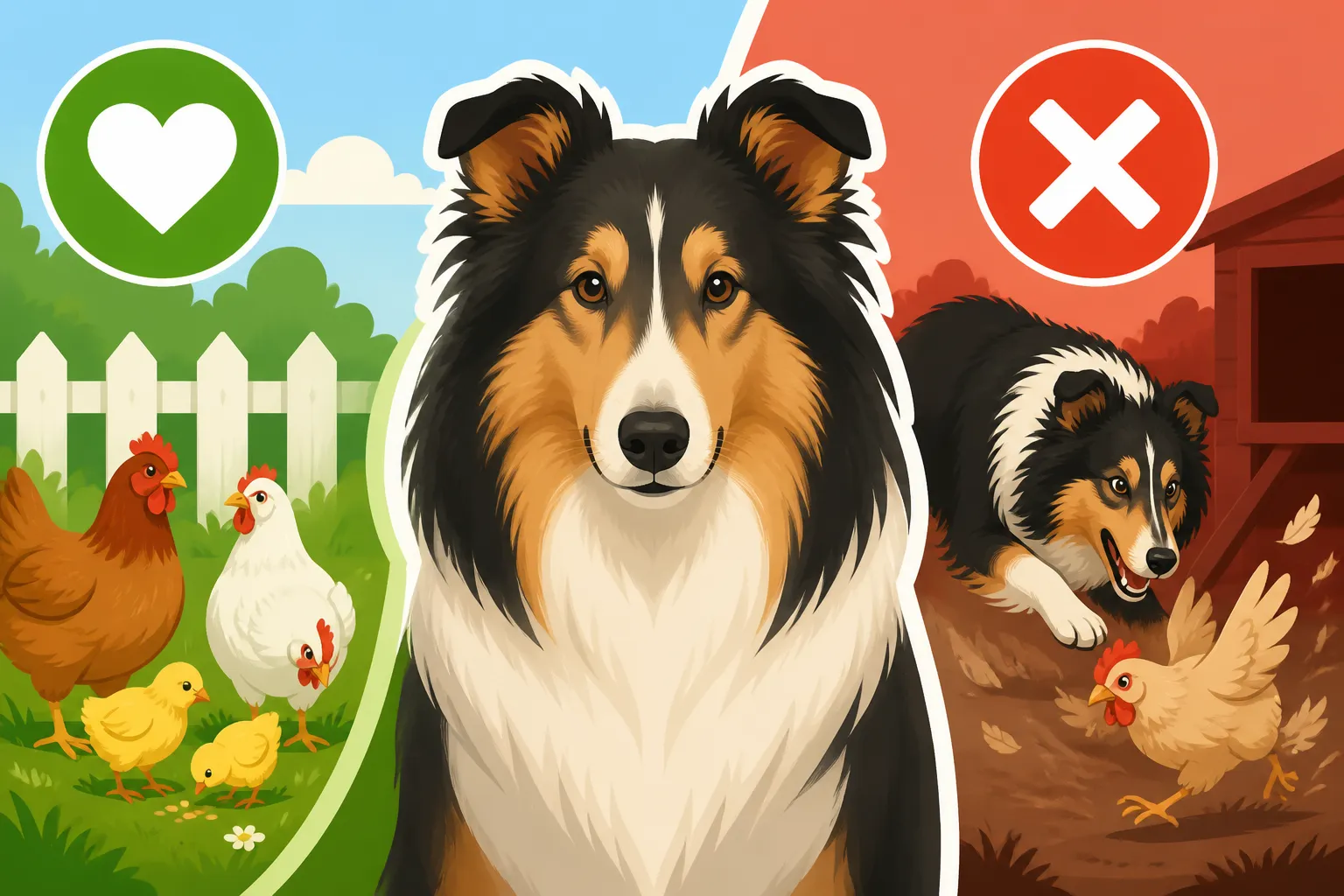
Imagine a Collie seeing a chicken. Instead of instinctively wanting to kill it, their brain often registers it as "something that needs to be moved and controlled." They might circle, stare intensely, bark, or even nip at heels – all classic herding behaviors designed to direct movement. The frustration for many Collie owners comes from trying to distinguish this intense, sometimes overwhelming, herding instinct from a genuine desire to harm. It's not that your Collie wants to eat Mrs. Henrietta; it's that they want to put her exactly where they think she belongs, and that can still be incredibly dangerous for a chicken.
Individual Collie Temperament Plays a Huge Role
While breed characteristics give us a good baseline, it's crucial to remember that every Collie is an individual. Just like people, some Collies are naturally more mellow and less reactive, while others might have a stronger, more pronounced herding drive, or even a higher general excitability level. You might have one Collie who barely glances at the chickens, and another who feels compelled to "organize" them the moment they step outside.
Factors like early socialization, the dog's personal history (especially if they're a rescue), and their general confidence can all influence how they react. A puppy introduced calmly and consistently to various animals and environments will likely have a more balanced perspective than an adult Collie who has never seen a chicken before. This is why a one-size-fits-all answer simply doesn't exist; you really have to observe your Collie's specific reactions and respect their individual personality.
The "Chase" Factor: When Movement Triggers Instinct
Here's a scenario that often goes wrong: a chicken is calmly pecking, your Collie approaches, the chicken gets startled and runs. That sudden, erratic movement can instantly flip a switch in many dogs, even those with low prey drive. The chase becomes an irresistible game, a primal urge. It's less about the chicken itself and more about the excitement of the pursuit.
For a Collie, this chase can quickly escalate their herding instinct into something more intense. They might not intend to kill, but in the heat of the moment, a rough grab, a panicked nip, or simply being trampled by a seventy-pound dog trying to "herd" can be fatal for a small, fragile chicken. This is a common pitfall and why even the best-intentioned Collie can accidentally injure poultry. Understanding this critical trigger is essential for successful integration.
Assessing the Risks and Challenges of Collies and Chickens
It’s easy to romanticize the idea of a pastoral scene, but in reality, bringing Collies and chickens together involves tangible risks for both species, not to mention the potential headaches for you, the owner. We need to be realistic about what can go wrong before we can even begin to think about what can go right.
Potential Harm to Your Feathered Friends
Chickens, despite their often robust appearance, are surprisingly delicate creatures. Their bones are hollow, their bodies are small, and they are easily stressed. Even a Collie who means no harm can inadvertently cause serious injury or death.
- Stress and Shock: Imagine a large, barking dog constantly circling and staring. For a chicken, this is terrifying. Chronic stress can lead to decreased egg production, illness, and even death from shock. Hens might stop laying, become withdrawn, or develop behavioral issues like feather pulling.
- Trampling and Accidental Injury: A Collie, especially a younger or over-enthusiastic one, might not be looking where their big paws are landing while trying to "herd." A clumsy pounce or a swift pivot can crush a small chicken, break a leg, or cause internal injuries that aren't immediately apparent.
- Accidental Nips or Bites: While a Collie's herding style is typically more about nudging and control than biting, a panicked chicken might elicit a reflex snap. Even a minor nip can break skin, leading to infection or a fatal injury. Their long muzzles and teeth are not designed for gentle handling of fragile creatures.
Risks to Your Cherished Collie
It’s not a one-way street when it comes to danger. Your Collie faces risks too, and it’s important to consider their well-being in this equation.
- Pecking Injuries: While often seen as docile, chickens, especially roosters, can be surprisingly feisty when they feel threatened. A sharp peck to a Collie's nose or eye can be painful and lead to injury. A roo defending his flock can inflict serious damage, particularly if the dog is unprepared or overconfident.
- Disease Transmission: Chickens carry a host of bacteria, parasites, and diseases that can be transferred to dogs. Salmonella is a big concern; dogs can become infected from eating chicken droppings or contaminated soil, leading to severe gastrointestinal issues. Other parasites like roundworms or coccidia can also cross over.
- Ingestion of Unsuitable Items: Chickens, being scavengers, often peck at various things in their environment. If your chickens are free-ranging and you use pest control, fertilizers, or other chemicals in your yard, your Collie could ingest these harmful substances while investigating the same area. This risk extends to potentially toxic plants that chickens might ignore but a curious dog could sample.
Damage to the Coop and Garden
Beyond the animals themselves, an unsupervised or uncontrolled Collie can cause significant disruption and damage to your chicken setup and wider garden.
- Breached Defenses: A determined Collie, driven by instinct or boredom, can quickly tear through flimsy chicken wire, dig under fences, or even chew through wooden structures to get to the "action." This not only exposes your chickens to your dog but also makes them vulnerable to other predators.
- Garden Havoc: Collies love to run and explore. If your chickens free-range in a garden area, a Collie joining the fun can trample plants, dig up newly sown seeds, or simply create chaos. This can be incredibly frustrating if you've put a lot of effort into your landscaping or vegetable patch.
- Contamination and Mess: Chicken droppings are part of owning poultry, but if your Collie is constantly in their space, they can track those droppings into your house, spread them around the yard, and increase the potential for disease transmission to other areas. It’s an added layer of clean-up and concern.
Strategies for Safe Integration: Making Coexistence Possible
So, you've weighed the risks and you're still determined to try and foster a peaceful co-existence. That's admirable! It takes dedication and a realistic approach, but it can certainly be done. The key is in proactive management, consistent training, and creating a structured environment that sets both your Collie and your chickens up for success.
Early Socialization and Gentle Exposure
The younger your Collie is when introduced to chickens, the better. Puppies are like sponges, and positive, calm early experiences can profoundly shape their adult behavior.
- Controlled Sightings: Start by letting your Collie puppy observe the chickens from a safe distance, like through a secure fence or while on a leash. The goal is for them to see the chickens as a normal, non-threatening part of the environment, not a novelty to be chased. Keep these sessions short and positive, using treats and praise for calm behavior. You want to establish the chickens as "background noise," not an interactive toy.
- Gradual Proximity: As your puppy shows relaxed behavior, slowly decrease the distance. Continue with leash control and always provide positive reinforcement. If your Collie gets too excited, immediately increase the distance again. It’s about teaching them self-control and that being calm around chickens earns rewards. This foundational work is critical, much like when you're working on The First Year With a Collie Puppy.
Supervised Introductions and Controlled Environments
Once your Collie has a basic understanding of being calm around the chickens, you can move to more direct (but still highly controlled) introductions. This stage requires your full attention.
- Leash Control is Non-Negotiable: Even if your Collie is usually perfect off-leash, a long line or leash is essential for initial close encounters. This gives you immediate control to prevent chasing or unwanted interactions. Imagine using a 20-foot long line, allowing some freedom but still reining them in if excitement builds.
- Physical Barriers as Safety Nets: Consider introducing the Collie to a securely fenced run where the chickens are, but the Collie is outside the fence. Or vice-versa. This double-barrier approach ensures that neither animal can get to the other, allowing them to acclimate to each other's presence without physical risk. You might even place a crate with a chicken inside (only for short, stress-free periods) where the Collie can observe, reinforcing that these creatures are off-limits.
- Short, Positive Interactions: Keep initial supervised interactions brief – just a few minutes – and end on a positive note. Use high-value treats to reward calm behavior. If either animal shows signs of stress, separate them immediately. This isn't a race; it's a marathon of patience and consistency.
Consistent Training and Clear Boundaries
Training is your most powerful tool in managing your Collie's interactions with chickens. Without solid obedience, you’re simply leaving too much to chance.
- Mastering Core Commands: Commands like "leave it," "stay," and "off" are absolutely vital. "Leave it" means "do not touch or interact with that," and for chickens, it's non-negotiable. "Stay" keeps your Collie in place, and "off" (or "away") teaches them to disengage and move away from the chickens. Resources like BAXTER & Bella offer comprehensive online training programs that can help reinforce these crucial commands from puppyhood through adulthood.
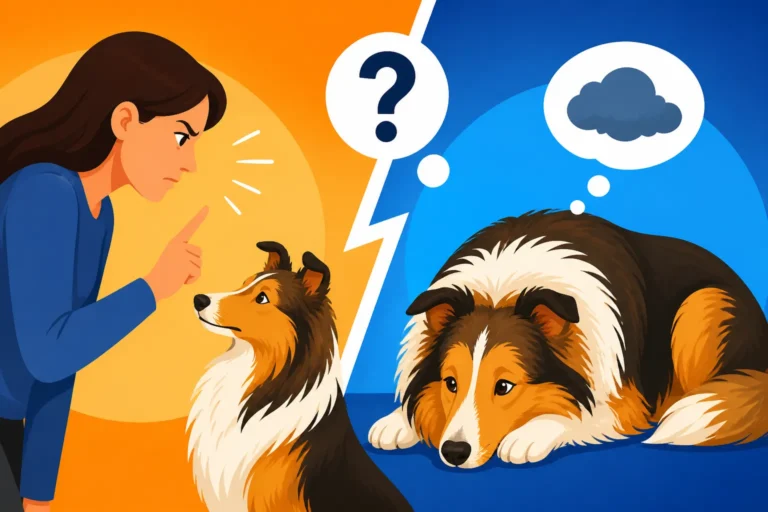
- Positive Reinforcement is Key: Collies are incredibly sensitive dogs. Harsh Handling Breaks a Collie and It Does Not Come Back. Yelling or using punitive methods will only create fear and potentially make them sneakier in their pursuit of chickens, or make them generally anxious. Instead, reward desired behaviors generously. If your Collie looks at a chicken and then looks at you, reward them! That’s them making the right choice.
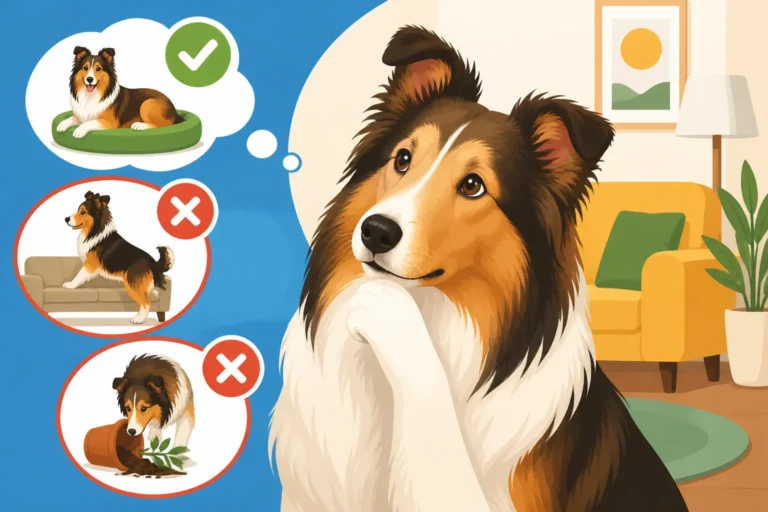
- Establishing "No-Go" Zones: Clearly define areas where your Collie is never allowed to go without supervision, such as inside the chicken coop or even the immediate vicinity of the run. Use physical barriers, verbal cues, and consistent redirection to enforce these boundaries. This helps your Collie understand that the chickens' space is not their play area.
Secure Fencing and Management Strategies
Even with the best training, physical barriers remain your first line of defense. Never underestimate a Collie's curiosity or a momentary lapse in judgment.
- Robust Fencing: Invest in secure fencing that is both tall enough to prevent jumping and buried deep enough to deter digging. Chicken wire alone might not be sufficient; consider hardware cloth or welded wire for a more robust perimeter. Double-fencing can also be a good option – a fence for the chickens and another separate fence for your main yard where the Collie roams. You can often find durable and affordable fencing materials on Amazon.
- Separate Spaces: The safest strategy is often to simply keep the chickens and Collie in entirely separate, secure areas of your property. This might mean a completely enclosed run for the chickens and a different fenced yard for your dog. It removes the opportunity for conflict altogether.
- Supervision, Always: This cannot be stressed enough: never leave your Collie unsupervised with chickens. Even if you've had months of successful, calm interactions, that one time you turn your back could be the time something goes wrong. If you can't be actively watching, they should be separated. This might mean keeping your Collie indoors while the chickens free-range, or ensuring the coop is locked when your dog is out.
Long-Term Management and Realistic Expectations
Even after you've implemented all the strategies, keeping Collies and chickens together is a continuous management task. It's not a set-it-and-forget-it situation, and it requires ongoing vigilance and adaptability.
Never Assume Supervision is Optional
This is arguably the most critical piece of advice: no matter how well-trained your Collie is, how long they’ve lived alongside chickens, or how confident you feel, you must never leave them unsupervised together. Collies are intelligent and generally biddable, but they are still animals driven by instinct. A sudden flutter, a loud squawk, or even just a moment of boredom can trigger an unfortunate event.
Think of it like this: your Collie might be trained not to chase squirrels in the park, but you wouldn't leave them unattended with a flock of squirrels in an enclosed space, expecting perfect behavior. The stakes are much higher with fragile chickens. Your constant presence ensures you can intervene immediately, reinforcing good behavior or redirecting undesirable actions. This unwavering commitment to supervision is a cornerstone of safe cohabitation.
Recognizing Stress Signals in Both Animals
Being a good observer is paramount. You need to be able to "read" both your Collie and your chickens to ensure the environment remains safe and calm.
- Collie Signals: Look for subtle signs of escalating interest or stress in your Collie. Is their tail getting stiff? Are they staring intently with fixed pupils? Is their body language becoming rigid? Are they panting excessively or vocalizing with low growls or persistent barks (beyond their usual Why a Collie Barks)? These are all indicators that their herding or prey drive might be kicking in, and it's time to create distance.
- Chicken Signals: Chickens will also tell you if they're stressed. Look for huddled behavior, excessive alarm calls, reluctance to eat or drink, ruffled feathers, or hiding. If your chickens are consistently agitated when your Collie is around, they are experiencing chronic stress, which can lead to health problems and reduced egg production. This is a clear sign that the current management strategy isn't working for them.
When Coexistence Isn't Possible: Knowing When to Separate
Despite your best efforts, training, and management, there will be situations where safe coexistence just isn't achievable. This can be a tough pill to swallow, especially if you had high hopes for a harmonious backyard.
- Persistent Instincts: Some Collies simply have too strong of a herding or chase drive that cannot be reliably suppressed around small, fast-moving animals like chickens. They might be wonderful dogs in every other respect, but this one specific scenario overwhelms their training.
- Unmanageable Risks: If you find yourself constantly stressed, worried, or if there have been "near misses" or actual incidents, it might be time to accept that the risk is too high. The emotional and financial cost of veterinary bills for injured animals, or the heartbreaking loss of a pet, far outweighs the desire for them to live side-by-side.
- Strict Separation as the Solution: In these cases, the most responsible and humane approach is often to maintain strict, permanent separation. This means ensuring chickens have a fully enclosed, dog-proof run and coop, and your Collie has a separate, secure area where they can't interact. This might involve adjusting your yard layout, dog walking routines, or even your daily schedule. It’s not a failure; it’s an acknowledgement of individual animal needs and responsible pet ownership.
Ultimately, the goal is peace and safety for all your animals. While a Collie can be safe with chickens, it's rarely effortless. It demands commitment, training, and a clear understanding of your Collie's unique temperament and instincts. It also means knowing when to prioritize safety through separation over the ideal of integrated harmony.
Disclaimer
This article is for general informational purposes only and does not constitute professional advice. Laws, prices and regulations vary by location and change over time. Consult a qualified professional for guidance on your specific situation.