Whether a Collie Sulks After a Correction
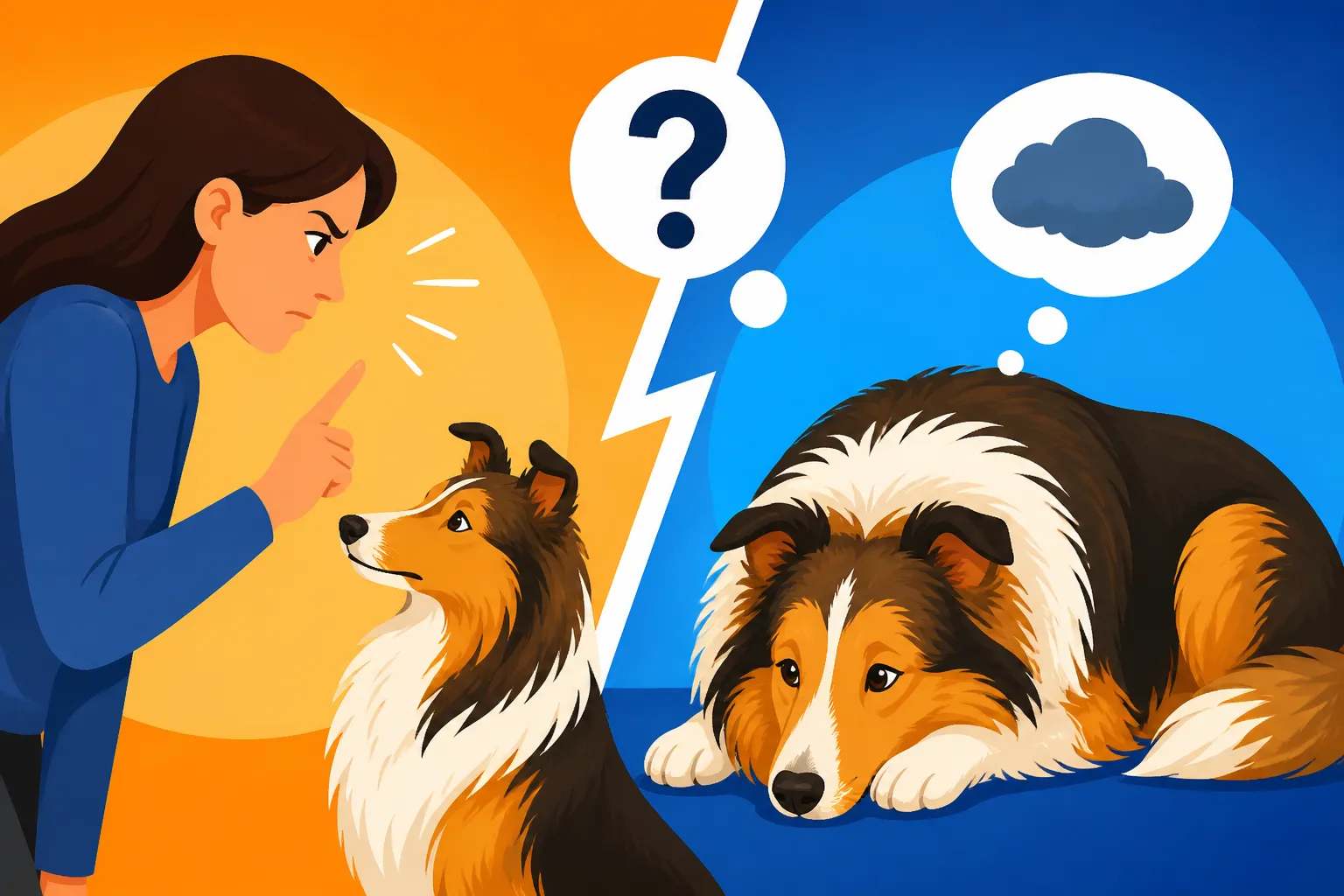
It’s a scenario many Collie owners know all too well: you’ve just given your beloved dog a firm, perhaps even slightly frustrated, correction for digging in the flower bed or snatching a sock right off the laundry pile. You expect a quick acknowledgment, maybe a little sheepish look. Instead, your Collie turns their head, avoids eye contact, perhaps walks slowly away, and then settles in a corner with their back to you, seemingly for hours. It feels like they're giving you the cold shoulder, a full-blown "silent treatment" that leaves you wondering if you've irrevocably broken their spirit. This guide is here to unravel that perplexing behavior, to help you understand what might truly be going on behind those expressive eyes, and how to communicate effectively with your sensitive companion without feeling like you’re constantly apologizing for being a responsible owner.
Understanding the Collie's Sensitive Nature
Collies are renowned for their intelligence, their beauty, and their deep connection with their human families. But beneath that regal exterior lies a very sensitive soul, a dog that often reacts intensely to their environment and the emotions of those around them. This isn't just a quirky breed trait; it's deeply ingrained in their history and genetics as a herding dog.
The Herding Dog's Intelligence and Emotional Depth
Think about the original purpose of a Collie: working alongside a shepherd, often in harsh conditions, needing to understand subtle cues, anticipate movements, and make decisions independently, all while maintaining a strong bond with their human partner. This required a dog with keen observation skills, high intelligence, and an almost intuitive understanding of human intent and emotion. They weren't bred to be gruff, independent working machines; they were bred to be partners. This history has given us a dog that is highly attuned to vocal tones, body language, and the overall atmosphere in the home.
When you issue a correction, especially if it's accompanied by frustration in your voice or a sharp gesture, your Collie isn't just processing the command itself. They’re also absorbing your emotional state, the sudden shift in your energy. For a dog that thrives on harmony and connection, a sudden burst of disapproval can be genuinely unsettling. They aren’t just hearing "no"; they’re feeling the change in your relationship with them, however fleeting. This emotional intelligence, while a wonderful trait for bonding, also means they can be easily discouraged or perceive corrections as a significant breach in their trusted relationship. This isn't manipulation; it's a genuine reaction from a creature wired to please and connect.
Why Harshness Backfires with a Collie
Given their sensitivity, it’s not surprising that harsh training methods or even consistently sharp vocal corrections tend to backfire spectacularly with a Collie. Unlike some other breeds that might shrug off a stern word and continue on their way, a Collie is likely to internalize it. They remember. They don't forget a negative experience easily, and repeat offenses of perceived "harshness" can erode the foundation of trust you've painstakingly built. As we discuss in Harsh Handling Breaks a Collie and It Does Not Come Back, these sensitive dogs can withdraw, become timid, or even start avoiding interaction altogether if they feel they can't predict your reactions or if they fear your disapproval.
Imagine trying to teach a child who is desperate to please you, but every time they make a mistake, you raise your voice sharply. They might learn to avoid the task, not because they’re defiant, but because they fear failure and your reaction to it. It's similar with a Collie. They want to do right by you, but if the cost of getting it wrong feels too high, they might shut down. This isn't "sulking" as a human might define it, but rather a protective mechanism, a retreat from a situation that feels emotionally overwhelming or unsafe. They may be interpreting your frustration as a complete rejection, rather than a correction of a specific behavior. They are not trying to make you feel guilty; they are reacting to what they perceive as a threat to your bond. This is why understanding How a Collie Responds to a Raised Voice is so crucial. A firm, neutral tone is often far more effective than an angry shout.
Deciphering "Sulking" Behavior in Collies
When your Collie seems to be "sulking," it's easy to project human emotions onto their actions. We see the turned back, the lack of eye contact, the quiet retreat, and interpret it as an intentional display of displeasure or guilt. However, canine behavior is often much more nuanced and driven by instinct and learned associations rather than complex human emotions like grudge-holding.
Is It Sulking or Something Else?
What we perceive as sulking is often a combination of several canine behaviors, all stemming from their highly perceptive nature and their desire to de-escalate perceived conflict. It could be appeasement, an attempt to signal "I understand you're unhappy, and I mean no harm." This might manifest as turning their head away, offering a soft gaze, or even licking their lips – all signals designed to calm a tense situation in the dog world. They might be trying to avoid further confrontation, rather than intentionally punishing you with their silence.
Another interpretation is that they are simply processing the information. Collies are intelligent, and sometimes, after a correction, they need a moment to compute what just happened, what they did wrong, and what they should do next. This processing time can look like disengagement. Furthermore, if the correction was particularly sharp or confusing, they might be experiencing genuine distress or anxiety. A dog withdrawing to a quiet spot isn't necessarily being dramatic; they might be seeking comfort and attempting to self-soothe in a moment of perceived stress. It's important to differentiate between genuine emotional responses and purely manipulative "sulking."
Common Post-Correction Behaviors and Their Meanings
Let's break down some common behaviors and what they might actually mean for your Collie:
- Turning Away or Avoiding Eye Contact: This is a classic appeasement gesture in the dog world. Direct eye contact can be seen as confrontational. By turning their head or body, your Collie is saying, "I'm not a threat; I respect your space and your authority." It's not necessarily shame, but rather a way to diffuse tension.
- Slow Retreat to a Corner or Another Room: Again, this can be an appeasement or avoidance behavior. They might be trying to physically distance themselves from the source of perceived disapproval. For a sensitive Collie, a quiet space offers a safe haven to decompress. It's their version of taking a time-out.
- Laying Down with Their Back to You: While it feels pointed, this could be a signal of submission or vulnerability. They are exposing their less guarded side, trusting that you won't continue the "attack." It could also be a way of minimizing the perceived threat, hoping that if they aren't looking at you, the unpleasantness will pass.
- Refusing Treats or Toys Immediately After: If your Collie is genuinely distressed, their appetite or desire to play might be temporarily suppressed. Their emotional state can impact their motivation. However, if they perk up for a high-value treat offered gently a few minutes later, it suggests the distress was transient, not a stubborn refusal.
- Subtle Body Language Cues: Look for other signs like flattened ears, a tucked tail (even slightly), yawning, lip-licking, or a lowered body posture. These are all indicators of stress or discomfort, not necessarily anger or a deliberate attempt to make you feel bad. Pay attention to Whether a Collie Is Sensitive to Household Tension as these subtle cues often reveal more than overt actions.
Understanding these signals allows us to respond with empathy and appropriate action, rather than just feeling offended by a perceived slight. It changes the dynamic from a battle of wills to a moment of understanding and connection.
| Behavior Observed | Human Interpretation (Often Misleading) | Likely Canine Meaning (More Accurate) |
|---|---|---|
| Turns Head/Body Away | "Ignoring me, being stubborn" | Appeasement, de-escalation, avoiding confrontation |
| Retreats to Another Room | "Sulking, giving me the silent treatment" | Seeking space to decompress, avoiding perceived threat |
| Lies Down with Back Turned | "Mad at me, making a point" | Submission, vulnerability, trying to end the interaction |
| Avoids Eye Contact | "Ashamed, guilty" | De-escalation, respect for perceived authority, discomfort |
| Lowers Body/Tucks Tail | "Guilty conscience" | Stress, anxiety, fear of further disapproval |
Effective and Positive Correction Techniques for Collies
Since Collies are so sensitive, the way we correct them is paramount. Forget harsh reprimands or physical punishments – these will only damage your bond and make your Collie more anxious, leading to more of those "sulking" behaviors. Instead, we need to lean into positive reinforcement and clear, consistent communication that respects their intelligent nature.
The Power of Redirection and Reinforcement
The most effective "correction" for a Collie often isn't a correction at all, but rather a redirection of unwanted behavior. Let's say your Collie starts to chew on the leg of your coffee table. Instead of yelling "NO!" which might startle them and send them into a "sulking" retreat, you could calmly interrupt the behavior. A gentle clap, a specific sound, or just your voice saying "uh-oh" in a neutral tone can break their focus. Immediately, offer them an appropriate chew toy – something engaging and desirable. As soon as they take the toy, praise them lavishly and reward them with a treat. This teaches them, "That was the wrong choice, but this is the right choice, and it comes with good things!"
The key is to catch them in the act of the unwanted behavior and immediately redirect. Waiting even a minute after the fact means your Collie won't connect the correction with the misdeed, only with your sudden displeasure. Positive reinforcement for the desired behavior is crucial. When your Collie chooses the appropriate toy, or lies calmly instead of barking at the mail carrier, make a big deal about it! This not only encourages good behavior but also builds their confidence and reinforces the idea that doing the right thing leads to good outcomes and positive interaction with you. Puzzle feeders, for example, available on sites like Amazon, can provide appropriate mental stimulation to prevent boredom-induced behaviors in the first place, giving you fewer reasons to correct. Remember What Motivates a Collie – often it's praise, treats, and the joy of pleasing you.
Consistency and Clear Communication
Collies thrive on routine and clear expectations. If a behavior is sometimes allowed and sometimes corrected, it becomes incredibly confusing for them. Imagine if sometimes you were allowed to eat cookies before dinner, and other times you were scolded for it – you'd never know where you stood! The same goes for your Collie. Decide what the rules are for your household and stick to them. If the couch is off-limits, it's always off-limits. If jumping on guests is not allowed, every family member needs to reinforce that.
Your communication also needs to be clear and consistent. Use short, precise verbal cues. Avoid long sentences or emotional pleas. A simple "Off" for getting off the furniture, or "Leave it" for an inappropriate item, delivered in a calm, firm, but not angry, tone is far more effective than a lengthy scolding. Remember, your tone and body language speak volumes to a Collie. A calm, assertive demeanor conveys leadership without aggression, which your sensitive Collie will respond to much better than a frustrated outburst. BAXTER & Bella offers online training programs that can guide you through establishing consistent cues and communication strategies, which can be invaluable for sensitive breeds like the Collie who need positive, clear direction. This consistency helps prevent the confusion and anxiety that often lead to behaviors we misinterpret as "sulking" in the first place.
Rebuilding Trust and Connection After a Misunderstanding
Even with the best intentions, misunderstandings happen. You might deliver a correction with more frustration than you intended, or your Collie might be having a particularly sensitive day. The good news is that with a breed as loyal and eager to please as the Collie, repairing the bond and preventing future "sulking" episodes is entirely possible.
Strategies for Repairing the Bond
If you've noticed your Collie withdrawing after a correction, the first step is to recognize that they are likely feeling distressed or confused, not vengeful. Give them a little space, but don't ignore them entirely. Once they've had a moment to decompress – usually just a few minutes – re-engage them with something positive and low-pressure. This could be a gentle scratch behind the ears, a quiet "good dog," or offering a favorite, easy-to-earn treat. You're not apologizing for the correction itself, but rather reassuring them that your overall relationship is intact and that you still love them.
A short, fun training session can also be incredibly effective. Ask them to do simple commands they know well, like "sit" or "down," and reward them enthusiastically for success. This rebuilds their confidence and reinforces positive associations with you. It reminds them that they can do things right and that pleasing you brings rewards. Avoid overwhelming them with demands immediately after a perceived "incident." The goal is to gently re-establish positive interaction and show them that while a specific behavior was undesirable, they are still cherished. This is especially important as Collies can remember negative interactions for a long time, as explored in How Long a Collie Remembers a Bad Session.
Preventing Future "Sulking" Incidents
Proactivity is your best friend when it comes to preventing these communication breakdowns. First, focus on setting your Collie up for success. This means managing their environment to reduce opportunities for unwanted behaviors. For instance, if they tend to chew furniture, ensure they have plenty of appropriate chew toys. If they dig in a certain spot, block it off or make it unappealing. This reduces the need for corrections in the first place.
Secondly, prioritize enrichment. A bored Collie is more likely to invent their own entertainment, which often clashes with household rules. Regular exercise, mental stimulation through puzzle toys, training games, and engaging walks keep their intelligent minds occupied. A mentally and physically satisfied Collie is generally a happier, more compliant dog. You might find a wide variety of interactive toys and feeders on Amazon that can keep your Collie engaged and prevent boredom, which often underlies unwanted behaviors.
Finally, consciously work on your own communication. Practice using a calm, neutral tone for corrections, even when you're feeling frustrated. Take a deep breath before you speak. Remember that your Collie is trying their best to understand you, and an emotional outburst only adds confusion and stress to the equation. Consistency in rules, positive reinforcement for good behavior, and a calm, reassuring demeanor will go a long way in fostering a confident, well-adjusted Collie who rarely feels the need to "sulk" after a misunderstanding. How to Build Confidence in a Nervous Collie provides more excellent tips for reinforcing a positive mindset.
When "Sulking" Signals a Deeper Issue
While a Collie's "sulking" behavior can often be understood as a reaction to communication or emotional discomfort, there are times when it might be a symptom of something more significant. It's crucial for owners to be vigilant and know when to seek professional help, as persistent or sudden changes in behavior are rarely without a reason.
Health Concerns Mimicking Behavioral Issues
Sometimes, what looks like sulking could actually be your Collie experiencing discomfort or pain. Dogs, being instinctual creatures, often hide signs of illness or injury, but changes in behavior are a primary indicator. If your Collie suddenly starts retreating more often, is less enthusiastic about interactions, or seems generally "off" after even minor corrections, it might not be about your tone at all. They could be dealing with an upset stomach, joint pain, dental issues, or even a more insidious problem like a thyroid imbalance or another underlying medical condition.
For example, a dog with chronic pain might react more sensitively to being handled or corrected, associating the interaction with their existing discomfort. If they withdraw, it could be less about being "mad" and more about seeking solace from pain. It's always a good idea to consult your veterinarian if there's a sudden, unexplained shift in your Collie's temperament or behavior. They can rule out medical causes through a thorough examination and appropriate diagnostics. Remember, Collies are prone to certain health issues, and sometimes the earliest signs are behavioral. Whether a Collie Gets Thyroid Disease or Hip Dysplasia in a Collie can both manifest as changes in willingness to engage or perceived sensitivity.
Professional Help for Persistent Challenges
If you've consistently applied positive, clear training methods, ruled out medical issues with your vet, and your Collie continues to exhibit significant withdrawal, anxiety, or what appears to be chronic "sulking" after corrections, it might be time to bring in a professional behaviorist or certified dog trainer specializing in positive reinforcement. These experts can observe your interactions, identify subtle body language cues you might be missing, and help pinpoint the root cause of the behavior.
A professional might uncover underlying anxiety, past negative experiences (especially if you have a rescue Collie), or specific environmental stressors that are contributing to your dog's reactions. They can provide tailored strategies and exercises to build your Collie's confidence, improve communication between you, and help them cope better with everyday stressors. For example, if the "sulking" is actually a sign of generalized anxiety or fear, a behaviorist can work with you on desensitization and counter-conditioning techniques. Online platforms, like those offered by BAXTER & Bella, can sometimes connect you with virtual consultations or resources to begin addressing these deeper behavioral patterns, providing guidance and support for both you and your sensitive Collie. Understanding How a Rescue Collie Learns to Trust can be a profound step in helping a dog with an unknown past. Don't hesitate to seek help; it's a sign of a responsible owner committed to their Collie's well-being.
Disclaimer
This article is for general informational purposes only and does not constitute professional advice. Laws, prices and regulations vary by location and change over time. Consult a qualified professional for guidance on your specific situation.