Crate Training a Collie Puppy
Bringing home a fluffy Collie puppy is an absolute joy, filled with boundless energy and those soulful eyes that promise a lifetime of companionship. But let's be real, those first few weeks can also feel a bit like organized chaos, especially when you're navigating house training, setting boundaries, and trying to get a full night's sleep. Crate training isn't just about giving you a break; it's a vital tool for establishing security, accelerating house manners, and ensuring your Collie puppy grows into a well-adjusted, confident adult. This guide will walk you through creating a positive, stress-free crate experience for your new family member.
Why Crate Training a Collie Puppy Is So Important
Crate training often gets a bad rap, sometimes mistakenly seen as a cruel way to "cage" a dog. But for a highly intelligent and sensitive breed like the Collie, a crate, when introduced correctly, becomes a personal sanctuary, a safe haven where they can relax and feel secure. It's truly one of the kindest things you can do for your puppy's development and your own peace of mind during those sometimes-overwhelming early months.
Safety and Den Instinct
Think about it: in the wild, canids seek out small, enclosed spaces for shelter. They're drawn to dens for safety, comfort, and a sense of security. Your Collie puppy, despite generations of domestication, still carries that ancestral instinct. A properly introduced crate taps into this natural inclination, providing a secure, den-like space where your puppy feels protected from the overwhelming stimuli of a new home. It’s a place they can retreat to when they're tired, overwhelmed, or just need a moment of quiet, much like a child’s bedroom. This security is particularly important for a sensitive breed like the Collie who can easily become overwhelmed by too much activity.
Beyond instinct, the crate offers undeniable physical safety. When you can't actively supervise your puppy—whether you're making dinner, taking a shower, or stepping out for a short errand—the crate prevents them from getting into dangerous situations. It stops them from chewing on electrical cords, ingesting toxic household items, or falling down stairs. It’s not about punishment; it’s about creating a controlled environment where you know they are safe and sound, free from harm. This peace of mind allows you to manage The First Year With a Collie Puppy more effectively, knowing that even when your attention is divided, your pup is secure.
House Training and Routine
One of the most significant benefits of crate training, and often the primary reason new owners adopt it, is its incredible effectiveness in house training. Dogs naturally don't want to soil their sleeping area. This innate cleanliness instinct is your biggest ally. By providing a crate that's just big enough for your puppy to stand up, turn around, and lie down comfortably, you encourage them to "hold it" until they can be let outside. This dramatically shortens the house training period and reduces the number of accidents inside your home. It’s a game-changer for establishing good habits right from the start.
Establishing a routine is paramount for puppies, and the crate helps solidify this structure. Puppies thrive on predictability, and knowing when they'll eat, play, go outside, and rest makes them feel secure and helps them learn faster. The crate becomes a central part of this schedule, a clear signal for "quiet time" or "nap time." It helps regulate their bladder and bowel movements, making trips outside more successful. This consistency helps your Collie understand the rhythms of your household and helps them to quickly learn How Long House Training a Collie Puppy Takes.
Preventing Destructive Chewing
Collie puppies, like all puppies, explore the world with their mouths. They'll chew on anything and everything—shoes, furniture legs, carpets, your favorite book—especially when they're teething or simply bored. This isn't naughtiness; it's a natural behavior driven by curiosity and instinct. Without proper supervision, this can lead to damaged belongings and, more importantly, a risk to your puppy’s health if they ingest something harmful.
A crate provides a safe, contained space where you can be certain your puppy won't be destroying your home or getting into trouble. When they're in their crate, you can confidently leave them with appropriate chew toys, like a Kong filled with peanut butter or a durable Nylabone, knowing that they can satisfy their natural urge to chew without damaging your valuables or endangering themselves. This not only saves your furniture but also teaches your puppy what is acceptable to chew on, reinforcing good habits even when you're not directly supervising. This is a crucial step in preventing issues like Whether a Collie Chews When Bored.
Choosing the Right Crate and Setup for Your Collie
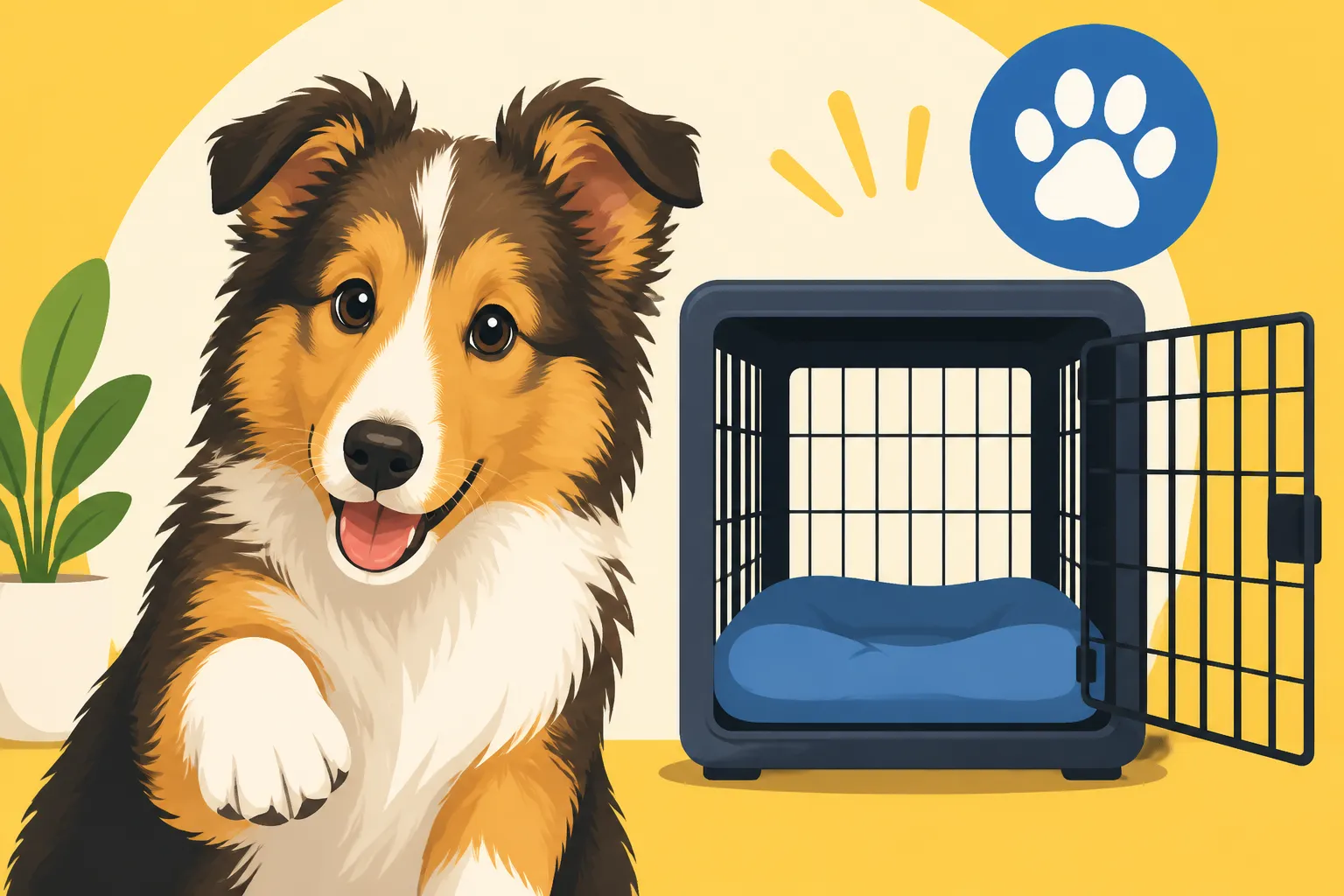
The success of crate training hinges largely on selecting the right crate and making it a comfortable, inviting space. This isn't just about buying a box; it's about creating a personal retreat for your Collie puppy, a place they want to be. Get this step right, and the rest of the training process will flow much more smoothly.
Size Matters: Giving Them Space, But Not Too Much
When it comes to crate size, you're looking for a delicate balance. The crate should be large enough for your Collie puppy to stand up comfortably, turn around easily, and lie down stretched out on their side. However, it should not be so large that they can designate a "bathroom corner" far away from their sleeping area. If the crate is too big, it defeats the house training purpose, as they'll soil one end and sleep in the other.
For a Collie, who will grow quite a bit, many owners opt for a wire crate with a divider panel. This allows you to adjust the internal space as your puppy grows, expanding it gradually until they reach their adult size. This way, you only need to buy one crate. You can find excellent options on platforms like Amazon that come with these adjustable dividers. As a general guideline, an adult Collie will likely need a crate in the 42-inch to 48-inch range, so starting with a smaller section of that size is perfect for a puppy.
Making the Crate Inviting and Comfortable
Once you have the right size, the next step is to make the crate as appealing as possible. It should be a cozy, welcoming den, not a cold, stark cage. Start with comfortable bedding. A soft, washable crate mat or a plush bed specifically designed for crates will make a huge difference. Avoid blankets or towels that they might chew up and ingest, especially in the early stages when you're not supervising closely. Some puppies might even prefer a slightly firmer surface in the beginning to prevent them from "nesting" too much.
Next, add a few safe, engaging toys. Long-lasting chew toys, like a durable rubber Kong that can be stuffed with treats or peanut butter, are excellent choices. These provide positive associations and help distract your puppy. You can also include a favorite soft toy. Some people even put an old t-shirt with their scent on it in the crate to help soothe the puppy. The goal is to make the crate a place of comfort and positive experiences, not boredom or confinement. What Motivates a Collie includes treats and comfort, so these additions are key.
Location, Location, Location
Where you place the crate in your home makes a significant difference to your puppy's comfort and your success. Initially, place the crate in a central, high-traffic area of your home, like the living room or kitchen, where the family spends a lot of time. Collies are companion dogs, and being near their family helps them feel less isolated and anxious during the training process. They want to be part of the action, even if they're quietly observing from their crate.
At night, especially during those first few weeks, consider moving the crate into your bedroom or very close by. This allows your puppy to hear, smell, and see you, which is incredibly comforting and helps alleviate separation anxiety. You’ll also be able to hear them more easily if they need to go outside during the night. As they grow more comfortable and confident, you can gradually move the crate to a more permanent location, like a dedicated doggy den area, if you prefer. Just remember that a Collie thrives on routine, so consistent placement, especially for overnight sleep, is very helpful. This strategy helps answer questions like Whether a Collie Suits an Apartment if you're concerned about space, as even a small apartment can accommodate a crate near you.
The Step-by-Step Process of Introducing Your Collie to the Crate
Successfully crate training your Collie puppy is all about positive reinforcement and gradual exposure. You want your puppy to choose to go into the crate, not feel forced. This process might take a few days or a few weeks, depending on your individual puppy's personality and past experiences, but patience and consistency are absolutely vital. Remember, a sensitive Collie can easily be put off by a negative experience, and How Long a Collie Remembers a Bad Session can be quite a while.
Making the First Impression Positive
Your puppy's first introduction to the crate should be entirely positive and low-pressure. Never force your puppy into the crate. Instead, start by placing the crate in an open, inviting spot with the door wide open. Toss high-value treats (think tiny pieces of cheese, boiled chicken, or a smudge of peanut butter) just inside the crate, allowing your puppy to walk in and out freely to retrieve them. Don't close the door yet. Let them explore, sniff around, and discover that good things happen inside this new space.
You can also feed your puppy their meals near or just inside the crate, with the door still open. This helps create a strong positive association with food and comfort. Play gentle games around the crate. Make it seem like the most interesting, rewarding place to be. Every time they voluntarily step inside, even just a paw, offer praise and a treat. If you're using a structured program, like the one offered by BAXTER & Bella, they emphasize these early positive associations to build confidence.
Gradual Acclimation: Short Stays and Rewards
Once your puppy is happily going into the crate for treats and meals with the door open, you can start introducing short periods with the door closed. The key here is gradualness. Lure your puppy into the crate with a treat, close the door, give them another treat through the bars, and then immediately open the door again. Do this several times over short sessions throughout the day. The goal is for them to realize that the door closing isn't a permanent thing and that good things still happen.
As they become comfortable with the door closing for a few seconds, gradually increase the duration. Close the door, give a treat, wait a minute, give another treat, then open the door. Slowly extend this to 5, 10, 15 minutes, always staying nearby and making sure they are calm. Offer a special chew toy or a stuffed Kong when you close the door to keep them happily occupied. Never make a big fuss when you let them out; keep it casual to prevent them from associating their release with a huge reward for a "hardship."
Extending Time and Building Independence
Once your Collie puppy is comfortable with short, quiet stays, you can begin leaving them in the crate while you step out of sight for brief periods. Start by leaving the room for just a minute or two, then return. Gradually increase this time. The goal is for your puppy to understand that you always come back. Practice this when they are already a little tired from play and have recently relieved themselves. This makes it easier for them to settle.
As your puppy’s tolerance for the crate grows, you can extend the time they spend in it, working up to periods of a few hours. This is especially useful for when you need to run errands or attend appointments. Always ensure they have fresh water (some crates have attachable water bowls) and have had ample opportunity to go to the bathroom before crating them for longer stretches. A good rule of thumb is that a puppy can hold their bladder for roughly one hour per month of age, plus one hour. So, a four-month-old puppy might be able to manage five hours, but this is an absolute maximum and depends heavily on the individual dog. Always remember that Whether a Collie Needs a Predictable Routine is crucial for their well-being, and crate time fits right into that structure.
| Phase | Goal | Duration | Key Actions |
|---|---|---|---|
| Introduction | Positive association, no pressure | 1-3 Days | Treats inside, meals near/inside (door open), praise for voluntary entry. |
| Short Stays | Comfortable with door closing briefly | 3-7 Days | Lure with treat, close door (few secs), treat, open door. Repeat & extend. |
| Extended Stays | Tolerating longer periods, out of sight | 1-2 Weeks | Leave room for increasing minutes. Provide engaging chew toys. |
| Overnight & Alone | Sleeping through night, comfortable alone | Ongoing | Crate in bedroom initially, move later. Practice brief absences. |
Common Crate Training Challenges and Solutions
Even with the best intentions and a gentle approach, crate training can present a few bumps in the road. It’s important to remember that these challenges are normal, and with patience and the right strategies, you can overcome them. Collies are intelligent and sensitive, so understanding their perspective is key.
Whining, Barking, and Nighttime Blues
This is perhaps the most common and often most frustrating challenge. Your Collie puppy whines or barks in the crate, especially at night or when you leave. It pulls at your heartstrings, and your first instinct might be to let them out. Resist! If you give in when they are whining, you're inadvertently teaching them that making noise gets them what they want, reinforcing the behavior.
Solutions:
- Rule out needs first: Always ensure your puppy has been to the bathroom, had exercise, and isn't hungry or thirsty before crating them. A tired puppy is a quiet puppy.
- Ignore the fuss: If you're certain all their needs are met, the best approach is often to ignore the whining or barking. It’s tough, I know, but usually, it will subside. As soon as there's a moment of quiet, then you can approach and let them out, or reward them, reinforcing the quiet behavior.
- Nighttime proximity: For nighttime whining, keeping the crate in your bedroom initially is a huge help. Your presence is reassuring. If they cry in the middle of the night, take them directly outside for a potty break on a leash, without playing or making it exciting, then immediately return them to the crate. This teaches them that crying at night only means a quick potty trip, not playtime.
- Enrichment: A frozen Kong stuffed with kibble and peanut butter can keep them occupied for a good while, especially when you need to step away. This positive distraction helps them associate the crate with something enjoyable rather than just confinement. This ties into Whether a Collie Gets Separation Anxiety and can help mitigate it.
Accidents in the Crate
Finding a puddle or poop in the crate can be disheartening, especially when you thought the house training was going well. This usually points to one of two main issues: the crate is too large, or your puppy was left in it for too long.
Solutions:
- Adjust crate size: If the crate is too big, use a divider to reduce the space so there’s just enough room to stand, turn, and lie down comfortably. This makes them less likely to soil their sleeping area.
- Review schedule: Puppies have small bladders and short attention spans. Re-evaluate how long you're leaving your puppy in the crate. Are you adhering to the "one hour per month of age" rule? Take them out immediately before crating and as soon as you release them.
- Clean thoroughly: If an accident happens, clean the crate thoroughly with an enzymatic cleaner to eliminate any lingering odors that might encourage repeat offenses.
- Supervise more closely: When not in the crate, keep your puppy on a leash attached to you, or confined to a puppy-proofed area. This prevents accidents elsewhere and gives you more opportunities to take them out.
When Your Collie Just Won't Settle
Some Collies, with their sensitive and watchful nature, can be more reluctant to settle in a crate, especially if they’re anxious or undersocialized. If your puppy seems genuinely terrified, rather than just annoyed, you might need to slow down the process considerably.
Solutions:
- Revisit basics: Go back to square one. Make the crate a fun place with treats and toys, door open. Don't push them. Let them explore at their own pace. Perhaps consider engaging with a trainer from a program like BAXTER & Bella who can offer personalized guidance for sensitive dogs.
- Calming exercises: Before crating, engage your Collie in some calming activities. A gentle brush, a short training session, or a good chew session outside the crate can help them feel more relaxed when it’s time to go in. Forty Five Minutes a Day, and Half of It in Its Head of mental stimulation and physical exercise can help a Collie settle better.
- Positive associations only: Never use the crate as punishment. Ever. If your puppy associates the crate with negative feelings, they will resist it. It should always be a safe, positive place.
- Veterinary check: If intense fear or anxiety persists, it's always a good idea to consult your veterinarian to rule out any underlying medical conditions or discuss anxiety management strategies. Sometimes, severe anxiety might require additional support.
Crate training is a marathon, not a sprint. Be patient, be consistent, and always maintain a positive attitude. Your Collie puppy will eventually learn to love their den, and you'll both reap the rewards of a well-adjusted, confident companion.
Disclaimer
This article is for general informational purposes only and does not constitute professional advice. Laws, prices and regulations vary by location and change over time. Consult a qualified professional for guidance on your specific situation.