Whether a Collie Chews When Bored
It's a familiar sight for many Collie owners: you leave your beloved dog alone for a bit, or you get engrossed in something, only to discover a chewed-up shoe, a gnawed table leg, or even torn-up baseboards. This destructive chewing isn't just frustrating; it often leaves us wondering why our otherwise well-behaved Collies resort to such behaviors. This comprehensive guide will delve into the specific reasons a Collie might chew out of boredom, help you identify the signs, and provide actionable strategies to prevent it, ensuring a happier home for both you and your furry companion.
Understanding Collie Chewing: More Than Just a Nuisance
Chewing is a perfectly natural behavior for dogs, but when it targets your furniture instead of their toys, it quickly becomes a problem. For Collies, a breed known for its intelligence and sensitivity, the reasons behind destructive chewing can be nuanced and often stem from unmet needs.
The Natural Instinct to Chew
From the moment they are tiny pups, dogs explore the world with their mouths. Chewing helps puppies relieve teething pain, and for adult dogs, it's a fundamental instinct. It can be a way to clean teeth, strengthen jaws, or simply de-stress. Think of it like a human fidgeting or tapping a foot; it's a way to expend some nervous energy or occupy oneself. Collies, being a herding breed, often have strong jaws and a natural inclination to use their mouths. This instinct is a powerful drive that won't simply disappear, but it can be redirected.
When a Collie is provided with appropriate outlets, such as durable chew toys, raw bones (under supervision), or puzzle feeders, this natural urge is satisfied harmlessly. The problem arises not from the act of chewing itself, but from the lack of suitable alternatives or an underlying emotional need that the chewing is attempting to address. It's crucial for us, as their guardians, to understand this distinction before we can effectively manage the behavior.
When Chewing Becomes a Problem
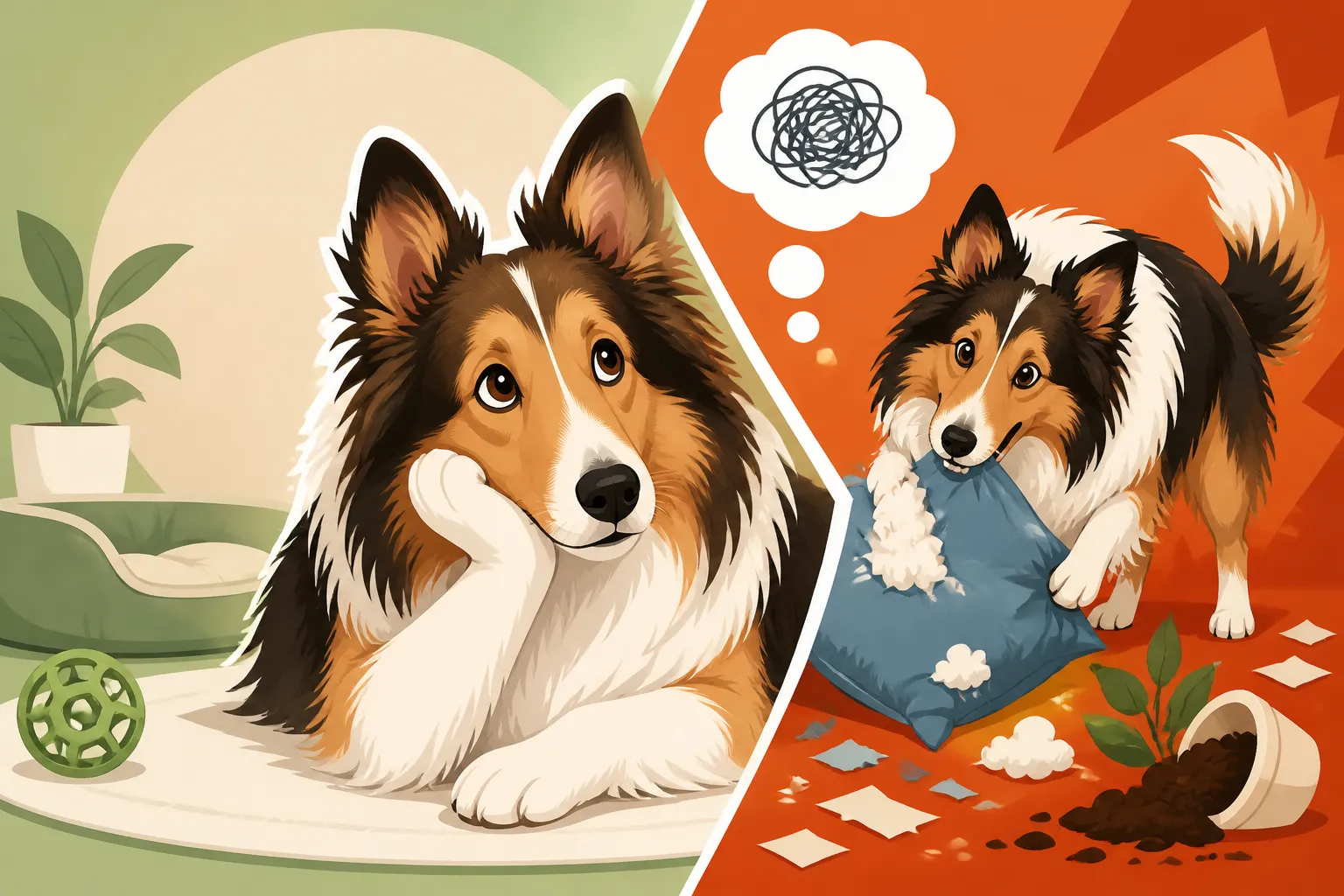
While all dogs chew, it becomes problematic when the targets are inappropriate, like your favorite rug or the kids' toys. For Collies, destructive chewing is rarely a sign of malice; it's almost always a symptom of something else going on. It could be anxiety, discomfort (like teething or dental pain), or, very commonly, boredom or a lack of mental and physical stimulation. A Collie is a smart dog, and a smart dog with nothing to do will find something to do, even if that something involves dismantling your couch cushions.
This behavior isn't just annoying; it can be dangerous if your Collie ingests pieces of non-food items, leading to blockages or other health issues. It's also a clear indicator that your Collie's needs aren't being fully met, and addressing the root cause is far more effective than simply scolding or punishing the behavior after the fact. Understanding why your Collie is chewing is the first step toward a peaceful coexistence.
Is Your Collie Chewing From Boredom? Spotting the Signs
Distinguishing boredom chewing from other types of chewing is key to addressing it effectively. Collies are perceptive dogs, and their behaviors often give subtle clues to their internal state.
The Tell-Tale Patterns of Boredom Chewing
If your Collie is chewing purely out of boredom, you might notice a few specific patterns. Often, it happens when they are left alone, or when you are present but not actively engaging with them. The targets of boredom chewing tend to be accessible, novel, or something that smells like you. For instance, shoes left by the door, remote controls, or the corner of a rug are prime targets. It's not usually a focused, intense chewing like a dog trying to get every last shred of meat off a bone; it's more like exploratory, absent-minded destruction.
You might also observe other signs of under-stimulation alongside the chewing. Is your Collie pacing aimlessly? Are they sighing a lot, or perhaps barking excessively at sounds outside? These can be indicators that their intelligent minds aren't getting enough to do. Boredom chewing isn't always about extreme energy; sometimes it's about a lack of mental engagement. A Collie's brain is always working, and if you don't give it a job, it will invent one. If you find your Collie starts to chew shortly after you've stopped interacting with them, or if the problem escalates during periods of less activity (like bad weather keeping you indoors), boredom is a very likely culprit.
Ruling Out Other Reasons for Chewing
Before you label the chewing as boredom, it's essential to rule out other common reasons. Puppies, for example, chew intensely because they are teething. This is a painful process, and chewing helps alleviate the discomfort. If you have a young Collie, make sure you're providing plenty of appropriate teething toys. Dental pain in adult Collies can also lead to increased chewing, especially if they're trying to relieve discomfort in their gums or teeth. A quick vet check can rule out any underlying dental issues.
Anxiety, particularly separation anxiety, is another significant cause of destructive chewing. If your Collie only chews when you leave, and also exhibits other signs like excessive drooling, vocalization (barking, howling), house soiling, or frantic attempts to escape, it might be more than just boredom. How Long a Collie Copes Alone is a great resource if you suspect separation-related issues. Stress from changes in routine, a new environment, or loud noises can also manifest as chewing. While boredom is a common factor, ruling out these other possibilities ensures you're tackling the correct problem. A comprehensive approach to your Collie's well-being always starts with understanding the full picture.
Here's a quick comparison to help you identify the type of chewing:
| Chewing Type | Common Triggers | Typical Targets | Associated Behaviors |
|---|---|---|---|
| Boredom | Lack of mental/physical stimulation, alone time | Shoes, furniture corners, remotes, rugs | Pacing, sighing, excessive barking, restlessness |
| Teething (Puppy) | Gum discomfort from erupting teeth | Anything mouth-level, hard objects | Whining, drooling, seeking cold items |
| Anxiety/Stress | Separation, loud noises, routine changes | Entryways, crate bars, items with owner's scent | Pacing, panting, drooling, vocalization, house-soiling |
| Dental Pain | Gum disease, fractured teeth, oral discomfort | One side of mouth used, hard objects | Dropping food, reluctance to chew, bad breath |
| Exploration | New items, interesting textures | Novel objects, items with interesting smells | Gentle mouthing, curiosity, not necessarily destructive |
Preventing Boredom Chewing: Engaging Your Collie's Mind and Body
The good news is that boredom chewing is highly preventable with the right strategies. It's all about providing appropriate outlets and engaging your Collie's innate intelligence and energy.
Boosting Mental Stimulation
Collies are highly intelligent dogs, and their minds need just as much exercise as their bodies. If a Collie's brain isn't challenged, they will often create their own "work," which can unfortunately be destructive chewing. Puzzle feeders, for example, are fantastic for Collies. These toys require your dog to manipulate them to release treats, engaging their problem-solving skills. Look for options on platforms like Amazon, where there's a wide variety of interactive toys. You might be surprised at Whether Puzzle Feeders Tire a Collie – they absolutely can!
Beyond toys, incorporating regular training sessions is crucial. Collies thrive on learning, and even short, daily sessions of 10-15 minutes can make a huge difference. Teach new tricks, refine basic obedience commands, or even try scent work games where they have to find hidden treats. This kind of mental workout is incredibly satisfying for a Collie. Programs like BAXTER & Bella offer structured online puppy and dog training courses that can provide a consistent stream of new challenges and mental engagement, even if you can't attend in-person classes. Remember, a tired body is good, but a tired mind is even better for preventing boredom.
Increasing Physical Activity
While mental stimulation is paramount, we can't forget about physical exercise. Collies were bred to work all day, covering vast distances, and while modern Collies might not be herding sheep, they still retain that drive. How Much Exercise a Collie Needs Daily can vary, but generally, at least an hour of active exercise, broken into two sessions, is a good baseline. This isn't just a leisurely stroll around the block; it means brisk walks, games of fetch, or even off-leash romps in a safe, fenced area.
If your Collie isn't getting enough physical activity, they'll have excess energy that needs an outlet, and chewing can become that outlet. Consider activities like hiking, jogging (if your Collie is old enough and physically conditioned), or even enrolling in dog sports like agility or flyball. These activities tap into their natural athleticism and provide a structured way to burn off energy. A Collie that has had a good run or an invigorating play session is far less likely to resort to chewing the sofa out of sheer restlessness. When a Collie has Forty Five Minutes a Day, and Half of It in Its Head and the other half in its body, you'll see a dramatic decrease in unwanted behaviors.
Providing Appropriate Chew Outlets
This might seem obvious, but it's often overlooked: does your Collie have enough appropriate things to chew on? And are those things interesting enough to compete with your furniture? A single, worn-out rubber bone might not cut it. You need a variety of textures, shapes, and challenges to keep their interest. Think about different types of chew toys – durable rubber, dental chews, nylon bones, and even puzzle toys stuffed with treats. Rotating these toys can also keep them novel and exciting.
Ensure that the chew toys are safe and appropriately sized for your Collie. They should be durable enough not to be easily destroyed and ingested, but not so hard that they risk breaking teeth. Avoid items that can splinter or pose a choking hazard. If your Collie ignores their toys but goes straight for your shoes, it's a sign that the toys aren't satisfying their chewing urge adequately, or they haven't learned to associate those items as their designated chews. Consistently redirecting their chewing to appropriate toys with praise can help solidify this understanding.
Tools and Strategies for Management
Beyond prevention, having the right tools and strategies in place can help manage and redirect chewing behavior, especially while your Collie is learning.
Diversifying Chew Toy Options
The world of dog chew toys is vast, and finding what truly excites your Collie can take some experimentation. Don't be afraid to try a variety of types, materials, and sizes. Look for toys specifically designed for strong chewers, as Collies can certainly make quick work of less durable options. Brands available on Amazon often specify durability levels, which can be a helpful guide. Think about toys that offer different tactile experiences:
- Hard rubber toys: These are great for vigorous chewing and often hold up well. Many can be stuffed with treats.
- Nylon chew bones: These are very durable and come in various flavors to entice your Collie.
- Dental chews: While not solely for boredom, they serve a dual purpose of satisfying chewing and promoting dental health.
- Interactive puzzle toys: These are fantastic for mental stimulation and slow down eating, making meal times last longer.
Remember to rotate your Collie's chew toys. If they have access to all their toys all the time, they quickly lose their novelty. By putting some away and bringing them out on a rotation, you can keep things fresh and exciting, making the appropriate chew items more appealing than your household goods.
Utilizing Training and Enrichment Programs
Structured training is invaluable not just for obedience, but for channeling a Collie's energy and intelligence. If your Collie is particularly prone to chewing when left alone, implementing a consistent training routine can provide mental exercise and predictability. An online program, like the ones offered by BAXTER & Bella, can give you a roadmap for engaging your dog's mind with new skills and reinforcement. These programs often include ideas for enrichment activities that go beyond basic commands, such as teaching your Collie to put away their toys or play "hide and seek" with treats.
Enrichment isn't just about toys; it's about making your Collie's environment more stimulating. This can include:
- Snuffle mats: Great for sniffing out kibble and engaging their scent drive.
- Frozen Kongs or lick mats: These can keep a Collie occupied for a long time, especially when you need them to settle down or when you leave the house. Filling a Kong with peanut butter and freezing it can provide a long-lasting challenge.
- Regular walks in new environments: Exposing your Collie to new sights, sounds, and smells provides immense mental stimulation.
- Socialization: Safe, supervised interactions with other dogs can also be mentally and physically tiring.
By combining robust physical exercise, targeted mental stimulation through training and enrichment, and a diverse array of appropriate chew toys, you can effectively prevent boredom chewing in your intelligent Collie. It's an investment of time and effort, but one that leads to a much happier, well-adjusted dog and a less chewed-up home.
Disclaimer
This article is for general informational purposes only and does not constitute professional advice. Laws, prices and regulations vary by location and change over time. Consult a qualified professional for guidance on your specific situation.