Whether a Collie Is Happy in a Suburban Yard
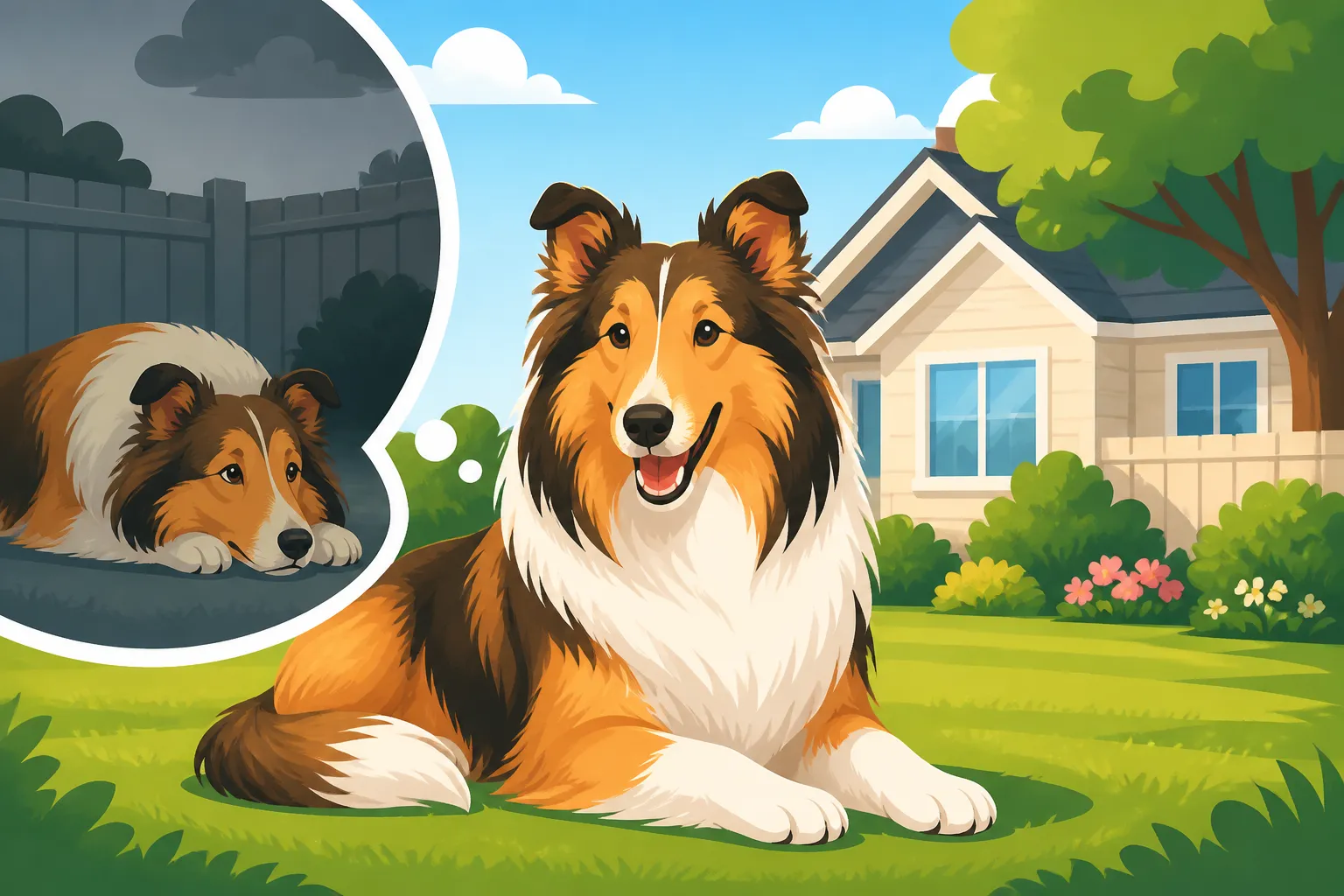
It's a common worry among potential Collie owners: "I don't have a sprawling farm or endless acres, so how could a herding dog possibly be happy in my suburban yard?" Many wonderful families hesitate, feeling guilty that their fenced quarter-acre isn't enough for such a majestic and active breed. This guide aims to reassure you and provide practical, in-depth strategies for ensuring your Collie thrives, not just survives, in a suburban environment, proving that mental engagement and a strong bond far outweigh the size of your property.
Dispelling the Myth: What "Space" Truly Means for a Collie
The image of a Collie galloping across vast Scottish moors or a sprawling American ranch is certainly iconic, thanks in no small part to popular culture. This often leads to the misconception that these dogs require an enormous amount of physical space to be truly happy and well-adjusted. However, my experience, and that of countless other Collie owners, tells a different story. It’s not about the sheer square footage of your property, but rather how you utilize the space you have and, more importantly, how deeply you engage with your dog’s mind and body. A huge, empty yard can be just as boring and unfulfilling as a small one if it’s not used purposefully.
Beyond Acreage: Mental Stimulation Over Physical Expanse
While Collies certainly appreciate a good stretch of the legs, they are far more mentally driven than many people realize. They were bred to work closely with humans, observe, problem-solve, and respond to subtle cues. This means that a Collie who receives consistent mental stimulation will often be more content and less prone to destructive behaviors than one left to its own devices in a vast field. Think about it: a Border Collie or a Collie running aimlessly for hours can still become bored if there's no direction or purpose to their exercise.
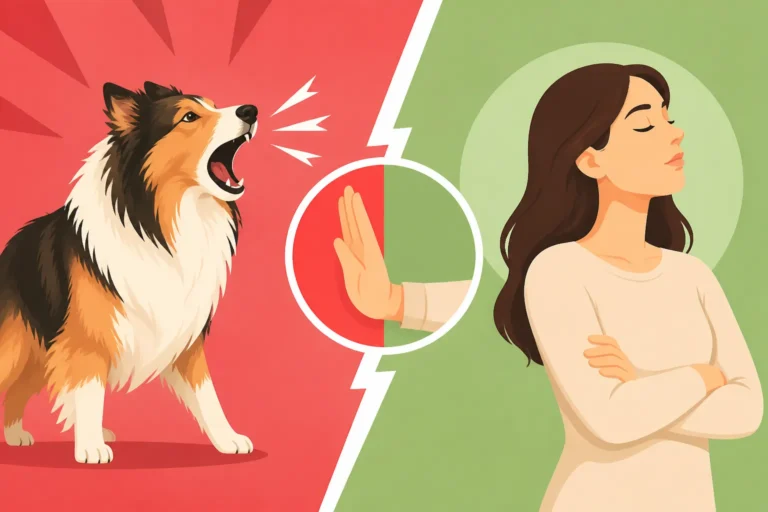
Consider this common scenario: you have a large yard, but your Collie spends most of its time patrolling the fence line, barking at passersby, or just napping by the back door. This isn't productive exercise; it's simply existing in a large space. Instead, imagine a smaller suburban yard where your Collie has regular training sessions, puzzle toys, and interactive games with you. These activities engage their intelligent minds and satisfy their innate need to "work" alongside their human. A fifteen-minute scent-work session in a small yard can be more tiring and fulfilling for a Collie than an hour of unsupervised running. Remember, it's quality over quantity when it comes to activity. Forty Five Minutes a Day, and Half of It in Its Head really highlights this balance of physical and mental engagement.
The Importance of a Secure Perimeter, Not Just a Large One
No matter the size of your yard, its security is paramount for a Collie. These are intelligent, curious dogs who, despite their generally biddable nature, can become distracted by interesting sights, sounds, or smells. A flimsy fence, a gate left ajar, or an easily climbable barrier can quickly lead to a missing dog. It's not about providing "escape-proof" containment because your Collie desperately wants to run away, but rather acknowledging their herding instincts and potential for mischief when left unattended with enticing stimuli on the other side of the fence. A secure yard allows your Collie to enjoy fresh air and freedom safely, without you constantly worrying about them wandering off into traffic or bothering neighbors.
This means regularly inspecting your fence for weak spots, digging under potential, or areas where a persistent nose could squeeze through. For taller, more athletic Collies, consider if the fence height is adequate. Many suburban homes already come with decent fencing, but don't assume it's perfect for a dog. Think about adding a secondary barrier for gates or reinforcing sections that look a little wobbly. It's an investment in peace of mind and your Collie's safety. For those looking to upgrade their yard security, a quick search on Amazon for sturdy dog-specific fencing panels or gate latches can yield some excellent, often DIY-friendly solutions.
Managing the Herding Instinct in a Smaller Space
One of the defining traits of a Collie is their herding instinct. In a suburban yard, this can manifest in various ways, from circling family members to "managing" the movements of other pets or even inanimate objects. While this behavior is natural, it can become problematic if not channeled appropriately. A small yard doesn't necessarily exacerbate this; in fact, it often means your Collie has fewer "flock" members (squirrels, stray cats) to attempt to control, and you are more readily available to redirect their energy.
Instead of letting them endlessly patrol or nip at the heels of running children (a common frustration for Collie owners!), you can redirect this instinct into structured play. Think about games like "fetch and gather" where they retrieve toys and bring them to a designated spot, or even a simple game of hide-and-seek with treats. These activities tap into their desire to work and organize, without resorting to unwanted herding behaviors. Understanding Why a Collie Herds Your Children is key to managing this trait constructively. This proactive approach prevents the development of undesirable habits and reinforces the idea that you are the leader, guiding their instincts.
Optimizing Your Suburban Yard for Collie Contentment
So, you have a suburban yard – perhaps not sprawling, but certainly adequate. The next step is to make that space work for your Collie. It’s not just about letting them out to potty; it’s about transforming it into an extension of their enriched life. Even a modest patch of grass can become a stimulating playground with a little creativity and understanding of what makes a Collie tick.
Creating Designated Play and Rest Zones
Just like we have different rooms in our houses for various activities, your Collie can benefit from designated zones within your yard. This helps them understand what activities are appropriate where, and provides variety in their outdoor experience. For instance, you might have a softer patch of grass for sunbathing and quiet observation, a more robust area for active play like fetch, and a shaded spot for resting after a vigorous session.
Consider a corner dedicated to "sniffy" activities – perhaps a patch of taller grass or a safe, non-toxic plant bed where you can scatter treats for them to find. This engages their powerful sense of smell, which is incredibly enriching. A raised dog bed or a small platform can give them an elevated vantage point, satisfying their instinct to survey their "flock" (your family, your yard). Ensure there's always access to fresh water, especially during warmer months, and a shaded area to retreat from the sun. Think about how Mrs. Gable set up her small backyard: one side with astroturf for easy fetch and minimal mud, and the other a small, mulched area with a few dog-safe shrubs for scent games. Her Collie, Lassie, loved having these distinct areas.
| Zone Type | Purpose for Collie | Example Features |
|---|---|---|
| Active Play | Burn off physical energy, interactive games | Open grass, durable retrieve toys (tennis balls, frisbees) |
| Relaxation | Rest, observe, quiet time | Shaded spot, raised dog bed, small dog house/shelter, fresh water bowl |
| Sensory/Sniff | Mental enrichment, scent work, natural exploration | Patch of taller grass, safe plants, buried treats, snuffle mat (if supervised) |
| Potty Area | Designated spot for elimination, easy cleanup | Mulch or gravel area, waste station |
Engaging Your Collie with Purposeful Yard Activities
Simply opening the door and letting your Collie roam won't cut it. You need to actively engage with them in the yard. This doesn't mean you need to be a professional trainer; it means being present and intentional about their playtime. Short, focused bursts of activity are often more effective than long periods of boredom.
One fantastic way to engage a Collie is through interactive games that mimic herding or tracking. "Find it" games, where you hide treats or favorite toys and encourage them to use their nose, are incredibly stimulating. You can use a long line (a very long leash, available on Amazon) for supervised "free running" in a safe area, allowing them to stretch their legs while still being under your control. Practicing obedience commands like "stay," "come," and "down" in various spots around the yard adds novelty and reinforces their training. Even just sitting with them and gently brushing their coat can be a bonding activity that provides comfort and connection, turning the yard into a shared space rather than just an outdoor pen. Remember, these intelligent dogs thrive on interaction, and your presence is the most valuable "feature" of any yard.
Sensory Gardens and Safe Exploration
A "sensory garden" for your Collie doesn't have to be elaborate. It's about providing different textures, smells, and safe elements for them to explore. Think about a small patch of soft fescue grass, a section with smooth river stones, or a log to jump over or sniff around. Introducing dog-safe plants like lavender (in moderation), rosemary, or chamomile can add interesting scents for them to investigate, enriching their olfactory world. Just ensure that any plants you introduce are verified as non-toxic to dogs.
This type of structured exploration satisfies their natural curiosity and provides mental engagement. Instead of just seeing the same old lawn, they have various spots to investigate, sniff, and experience. For example, the Smith family transformed a neglected corner of their suburban yard into a "sniff patch" using safe herbs and a few buried scent toys. Their Collie, Penny, now spends happy minutes exploring this area, and it completely reduced her habit of digging up other parts of the garden. Always supervise your Collie during these explorations to ensure they don't ingest anything harmful and to guide their positive interaction with the environment.
The Suburban Collie's Full Life: Integrating Indoor and Outdoor Activities
A truly happy Collie in a suburban setting understands that their life isn't just confined to the yard; it's a seamless blend of indoor comfort, outdoor adventures, and consistent human companionship. The yard is an important component, but it's part of a larger, well-rounded picture that fulfills their needs as intelligent, loyal, and active dogs.
The Role of Structured Walks and Outings
Even with a perfectly optimized yard, regular walks and outings beyond your property are non-negotiable for a Collie. These aren't just for potty breaks; they are crucial for socialization, exposure to new environments, and physical exercise. A Collie on a walk is observing, processing new smells, encountering different people and other dogs (from a safe distance, if necessary), and engaging their brain in ways a yard simply cannot replicate. How Much Exercise a Collie Needs Daily confirms that dedicated outings are essential.
Vary your walking routes to keep things interesting. Explore different parks (ensuring they are dog-friendly and appropriate for your Collie's temperament), walk around diverse neighborhoods, or even visit pet-friendly stores for new sights and sounds. This exposure helps prevent your Collie from becoming overly sensitive or anxious about novel stimuli, which can sometimes happen with dogs whose world is too small. Remember, a tired Collie is a good Collie, and a mentally stimulated one is even better. These outings are also prime opportunities for bonding and reinforcing leash manners, which are vital for a well-behaved suburban companion.
Indoor Enrichment: Keeping Brains Busy in the House
When the weather is bad, or after a good outdoor session, your Collie still needs mental engagement indoors. This is where their intelligence truly shines, and it’s a critical part of making them happy in a suburban home, regardless of yard size. Puzzle toys, interactive feeders, and training sessions can all be done comfortably inside and are incredibly effective at tiring out a Collie's mind.
Think about rotating their toys to keep them novel and exciting. Invest in a few different types of puzzle feeders that challenge them to figure out how to get their kibble or treats. Short, frequent training sessions – perhaps teaching a new trick or reviewing basic obedience – are excellent brain exercises. Even just having a designated "place" command for them to practice settling quietly while you go about your day provides structure and mental discipline. For new puppy owners, or those looking to refresh their training, online programs like those from BAXTER & Bella offer fantastic structured guidance that can be implemented right in your living room, no vast outdoor space required. This consistent mental work makes for a calm and content Collie who enjoys their indoor time as much as their outdoor adventures.
Socialization and Training in the Suburban Environment
Socialization is incredibly important for Collies, especially in a suburban setting where they will encounter many different people, dogs, and situations. A well-socialized Collie is confident, adaptable, and less likely to develop anxiety or reactivity. This doesn't mean throwing them into every dog park imaginable; it means controlled, positive exposure.
Puppy classes, local obedience clubs, or even simply inviting well-behaved dog-owning friends over for supervised playdates are excellent ways to socialize your Collie. Consistent, positive reinforcement training is also paramount. A Collie reads a room better than it reads a command, so clear, gentle communication is key. They respond beautifully to positive methods and can shut down if handled harshly. Harsh Handling Breaks a Collie and It Does Not Come Back is a truth every owner must understand. A strong foundation in obedience, coupled with positive social experiences, ensures your Collie is a joy to live with in any environment, especially one as dynamic as the suburbs. It proves that the size of your lot is far less important than the size of your commitment to their well-being and education.
Disclaimer
This article is for general informational purposes only and does not constitute professional advice. Laws, prices and regulations vary by location and change over time. Consult a qualified professional for guidance on your specific situation.