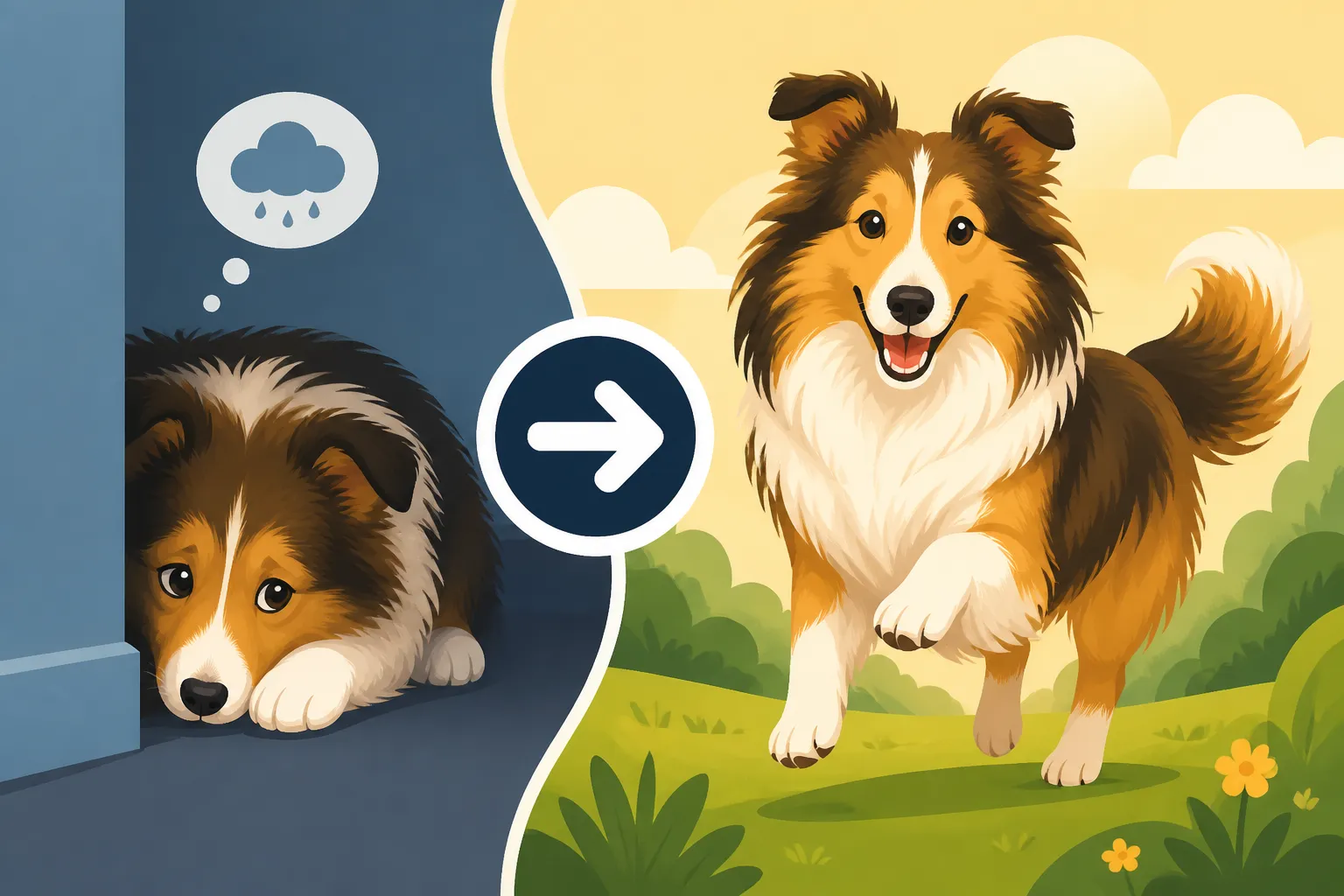
Whether a Shy Collie Puppy Recovers
Bringing home a new Collie puppy is supposed to be a joyous occasion, full of playful nips and happy tail wags, but sometimes you find yourself with a little fluffball who shrinks away from new sights, sounds, or even your gentle touch. It's truly heartbreaking to see your precious pup overwhelmed by the world, leaving you wondering if they'll ever truly come out of their shell. This guide will walk you through understanding puppy shyness, what might be causing it, and practical, empathetic steps you can take to help your shy Collie puppy blossom into a confident companion.
Understanding the Shy Collie Puppy
When you first bring a Collie puppy home, it’s natural for them to be a little reserved. They're in a completely new environment, away from their littermates and everything familiar. But there's a difference between a temporarily cautious pup and one who is genuinely shy or fearful. Recognizing these signs early is crucial for providing the right support.
Normal Puppy Caution Versus True Shyness
Most puppies will exhibit some degree of caution in new situations. They might hesitate at a strange sound, sniff a new object warily, or take a moment to approach a new person. This is normal, healthy curiosity mixed with self-preservation. A confident puppy, even if cautious, will eventually investigate, recover quickly from a startled moment, and engage with their environment. They might approach a new person after a moment of observation, perhaps with a soft tail wag.
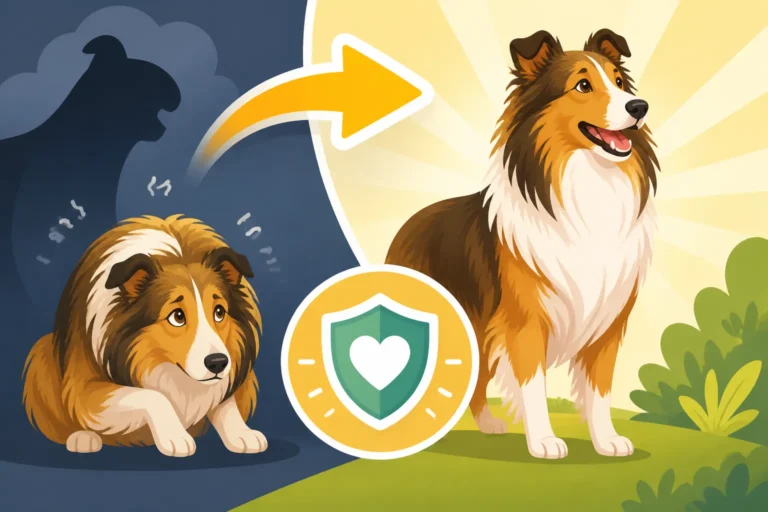
True shyness, however, goes deeper. A shy Collie puppy won't just hesitate; they might actively retreat, tremble, hide behind you, or flatten themselves to the ground. Their body language will often convey anxiety: ears flattened, tail tucked, yawning excessively, lip licking, or avoiding eye contact. Instead of eventually investigating, they might remain frozen or try to escape the situation entirely. This isn't just caution; it's a genuine emotional response of fear or profound discomfort. They struggle to bounce back from new experiences and can become overwhelmed very quickly.
Common Behaviors of a Shy Collie Puppy
A shy Collie puppy will often display a range of specific behaviors that stand out from typical puppy curiosity. You might notice them:
- Hiding: Seeking refuge under furniture, behind your legs, or in their crate whenever a stranger enters the room or a new noise occurs. It's their way of trying to disappear.
- Trembling or Shaking: This can happen even in seemingly benign situations, indicating an internal state of high anxiety.
- Excessive Submissive Urination: A sign of extreme stress or fear, especially when approached by someone they perceive as a threat (even if unintended).
- Refusing to Eat in New Environments: Food is usually a strong motivator for puppies, so refusing high-value treats in a novel or stressful setting is a big red flag.
- Avoiding Eye Contact: They might actively avert their gaze, which is a common appeasement gesture in dogs, signaling they mean no harm and feel vulnerable.
- Muzzle Licking or Yawning: These are subtle stress signals, often seen when a puppy feels uncomfortable or unsure.
- Low Body Posture: Crawling low to the ground, tail tucked tightly, ears back, and overall "small" demeanor.
- Freezing: Becoming completely still and unresponsive, hoping that if they don't move, whatever is scaring them will go away.
Observing these patterns, especially if they are persistent and not easily resolved with gentle reassurance, indicates that your Collie puppy is struggling with shyness. It's a call for patience, understanding, and a structured approach to building their confidence.
The Roots of Collie Puppy Shyness
Understanding why a Collie puppy might be shy is the first step toward helping them. It's rarely one single factor, but rather a combination of genetics, early life experiences, and environmental influences. It's important not to blame yourself; often, these tendencies are established long before your puppy even comes home.
Genetic Predisposition
Just like humans, some dogs are simply born with a more sensitive or anxious temperament. Shyness can, unfortunately, have a genetic component. If a puppy's parents or close relatives displayed shy or fearful tendencies, there's a higher chance the puppy might inherit a similar disposition. Responsible breeders screen for temperament as much as health, but sometimes a shy puppy can emerge even from seemingly well-adjusted lines. This doesn't mean the breeder was negligent, but it does highlight that genetics play a role in shaping a dog's inherent personality. A shy temperament is not desirable in Collies, who are generally known for their sweet and outgoing nature, but it can happen.
Lack of Early Socialization
The period between 3 and 16 weeks of age is often called the "critical socialization window" for puppies. During this time, their brains are like sponges, eagerly absorbing information about the world around them. If a Collie puppy isn't exposed to a wide variety of sights, sounds, people, and other friendly dogs in a positive and safe way during this crucial period, they can become fearful of novel stimuli later in life. This isn't about overwhelming them, but about gentle, controlled exposure.
A puppy raised in an isolated environment, perhaps a quiet kennel with limited human interaction or exposure to everyday household noises, might develop a fear of anything new simply because it's unfamiliar. Imagine a puppy who has never seen a vacuum cleaner, a car, or a child playing – these common experiences can be terrifying if encountered suddenly without prior, positive introduction. This is why it's so important that breeders put effort into early socialization, even before the puppies go to their new homes.
Negative Early Experiences
Even brief, traumatic experiences during a puppy's formative weeks can have a lasting impact. This could be anything from rough handling by humans, being startled by a loud noise, or an unpleasant interaction with another dog. While one negative event doesn't doom a puppy to a life of shyness, repeated or highly impactful negative experiences can certainly contribute to a fearful outlook.
For instance, a puppy might have been accidentally dropped, or had an overly enthusiastic child chase them, or been left alone for too long in an unfamiliar place. These events, especially if they occur during sensitive fear periods, can teach a puppy that the world is a scary place and that retreat or avoidance is the safest strategy. Such experiences can make them wary of situations or types of people associated with that negative memory.
Environmental Factors in the New Home
While much of a puppy's foundational temperament is set before they arrive, the environment of their new home also plays a significant role in either alleviating or exacerbating shyness. A chaotic, noisy, or unpredictable household can overwhelm a sensitive Collie puppy. Constant yelling, unpredictable schedules, or a lack of safe, quiet spaces can keep a shy puppy in a perpetual state of anxiety.
Conversely, a calm, structured, and predictable environment can do wonders for a shy pup. Having a consistent routine, a designated safe space like a Crate Training a Collie Puppy, and gentle, patient interactions from all family members can help them feel secure and gradually build confidence. It’s about creating a safe bubble where they can slowly learn to trust their surroundings and the people in it.
Creating a Safe Haven and Building Confidence
Helping a shy Collie puppy recover isn't about forcing them to be brave; it's about creating an environment where they feel safe enough to explore and gradually gain confidence. This journey requires immense patience, understanding, and consistency.
Establishing a Predictable Routine
Dogs thrive on predictability, and a shy puppy needs it even more. A consistent daily schedule helps them understand what to expect, reducing anxiety about the unknown. Knowing when they'll eat, when they'll go outside, and when playtime or training will happen creates a sense of security.
Start by setting fixed times for meals, potty breaks, and short, positive training sessions. Stick to these times as much as possible. For example, if breakfast is always at 7 AM, your puppy learns that this is a reliable part of their day. This predictability extends to your own behavior too; try to keep your voice calm and your movements slow and deliberate around your shy pup. Avoid sudden loud noises or unexpected grabs, which can undo weeks of progress. A predictable routine provides an anchor in their sometimes overwhelming world. Consider how Whether a Collie Needs a Predictable Routine can truly ground a nervous dog.
Designing a Safe Space
Every shy puppy needs a sanctuary – a place where they can retreat and feel completely secure without being disturbed. A crate, properly introduced and made comfortable with soft bedding and a chew toy, serves this purpose perfectly. It should be their personal den, not a place of punishment. Drape a blanket over part of the crate to make it feel more enclosed and private.
This safe space should be located in a quiet area of your home, away from high-traffic zones or sudden household noises. Ensure children and other pets understand that when the puppy is in their safe space, they are not to be bothered. This allows the puppy to decompress and recharge when feeling overwhelmed. You can even put a favorite blanket or a piece of your clothing with your scent in there. Toys purchased from a place like Amazon, such as a Kong stuffed with peanut butter, can help make the crate an even more positive association.
Gentle, Positive Socialization
This is where many people go wrong with shy puppies. The instinct is to expose them to everything all at once, thinking they'll "get over it." For a shy puppy, this is counterproductive and often makes things worse. Instead, focus on gentle, controlled, and overwhelmingly positive socialization.
- Controlled Exposures: Introduce new things gradually, always ensuring the puppy feels safe. For instance, if your puppy is scared of strangers, start by having a calm friend sit quietly across the room, ignoring the puppy. As the puppy gains courage, they might sniff the stranger. Only then can your friend offer a treat and perhaps a gentle, low-key pet. Never force interactions.
- Positive Reinforcement: Every positive interaction, no matter how small, should be rewarded. When your puppy takes a step towards a new object, offers a curious sniff, or makes eye contact with a new person, immediately offer a high-value treat and soft praise. The goal is to create positive associations: "New thing = good things happen." What Motivates a Collie will definitely include treats and praise, so use them liberally.
- Sound Desensitization: If your puppy is sound sensitive, you can find desensitization tracks online or purchase CDs (even from places like Amazon) that play various sounds at low volumes. Start with the volume barely audible and gradually increase it over days or weeks, always pairing the sound with treats or a fun game.
- One-on-One Interaction: Focus on building a strong bond with your puppy through gentle play, grooming, and short training sessions. Your calm, consistent presence is their anchor. Help them understand How to Build Confidence in a Nervous Collie by being their most reliable and safe partner. Remember, Harsh Handling Breaks a Collie and It Does Not Come Back, especially for a shy pup, so never raise your voice or use punitive methods.
Building Trust Through Routine and Connection
Collies are incredibly intelligent and sensitive dogs; they read a room better than they read a command. A Collie Reads a Room Better Than It Reads a Command is a statement that truly highlights their intuitive nature. For a shy pup, this means they pick up on your anxiety, frustration, or impatience. You need to be their calm, steady leader.
Spend quiet time with your puppy without demanding interaction. Sit near their crate and read a book, letting them simply exist in your presence. Offer your hand for them to sniff on their terms. Speak in a soft, reassuring tone. Short, positive play sessions with a favorite toy can also build trust and a sense of fun. The more positive, low-pressure interactions they have with you, the stronger your bond will become, and the more secure they will feel in their new world. This foundation of trust is invaluable for helping them face their fears.
The Road to Recovery: Strategies and Patience
Helping a shy Collie puppy recover is a marathon, not a sprint. There will be good days and bad days, and progress often happens in tiny increments. The key is unwavering patience, consistent effort, and knowing when to seek professional guidance.
Positive Reinforcement and Counter-Conditioning
These are your most powerful tools. Positive reinforcement means rewarding desirable behaviors. When your shy puppy shows even a hint of bravery – a step towards a stranger, a curious sniff of a new object, or maintaining eye contact for a moment – immediately mark that behavior with a verbal cue like "yes!" and offer a high-value treat. This teaches them that engaging with scary things can lead to good outcomes.
Counter-conditioning involves changing your puppy's emotional response to something they fear. For example, if they are scared of men with hats, every time a man with a hat appears (at a distance where your puppy isn't overwhelmed), you give your puppy a super special treat (like boiled chicken or cheese). The goal is to change their internal narrative from "Oh no, a man with a hat, I'm scared!" to "Oh, a man with a hat means delicious treats are coming!" The fear response is replaced with a positive anticipation. This requires careful management of distance and intensity – always keep your puppy below their fear threshold.
Structured Socialization and Exposure
Remember, gentle and controlled is the mantra. Your puppy needs to learn that the world isn't so scary, but at their own pace. Where to Socialize a Collie Puppy suggests environments like quiet parks, puppy classes, or friends' homes.
- Puppy Classes: Look for well-run puppy classes specifically designed for sensitive or shy puppies. These often have small class sizes and focus on positive experiences. A good instructor will ensure your puppy isn't overwhelmed and can observe and interact at their comfort level. Programs like BAXTER & Bella offer online puppy training that focuses on building confidence and socialization in a structured, positive way, which can be a great resource if in-person classes are too much.
- Controlled Encounters: Arrange "set-ups" with calm, dog-savvy friends or family members. Ask them to sit down, avoid direct eye contact, and let your puppy approach them on their own terms. Have them gently toss treats towards your puppy, gradually getting closer as the puppy shows comfort.
- Exploration on Leash: Take your puppy for short walks in varied, but not overly stimulating, environments. A quiet neighborhood park, a low-traffic cul-de-sac, or even just around a different block can offer new sights and smells without being overwhelming. Use a comfortable harness and a long line from a supplier like Amazon to give them freedom to explore without feeling trapped or pulled.
- Introducing Other Dogs: This must be done with extreme care. Seek out known, calm, and friendly adult dogs who are good at reading puppy cues and won't overwhelm your pup. Supervise all interactions closely and keep them short and positive. A bad experience with another dog can set a shy puppy back significantly.
Recognizing Limits and Avoiding Overwhelm
It's tempting to push a shy puppy, hoping they'll just "snap out of it." However, pushing them beyond their comfort zone consistently will only reinforce their fear and distrust. Learn to read your puppy's body language. Signs of stress like yawning, lip-licking, whale eye (showing the whites of their eyes), shaking, or trying to hide mean they are overwhelmed and need a break.
When you see these signs, calmly remove your puppy from the situation. Go to their safe space, or simply move to a quieter area. The goal is always to end on a positive note, even if it's just a calm moment in their crate with a chew toy. Over-exposure can lead to learned helplessness or even fear aggression as a last resort for a desperate dog. Remember that progress isn't linear, and sometimes a step back is necessary for two steps forward.
Seeking Professional Help
If your Collie puppy's shyness is severe, or if you feel you're not making progress, don't hesitate to consult a professional. A certified professional dog trainer (CPDT-KA) or a veterinary behaviorist can provide invaluable guidance. They can help you assess the root cause of the shyness, design a tailored behavior modification plan, and teach you advanced techniques for building your puppy's confidence. They can also help you understand if there are underlying medical conditions contributing to the anxiety.
Sometimes, for very fearful dogs, medication might be considered as an adjunct to behavior modification, prescribed by a vet. This isn't a cure-all but can help lower anxiety levels enough for the puppy to be more receptive to training. A good professional will always advocate for positive, humane methods and help you celebrate every small victory on your journey with your shy Collie. While you're working on it, remember that Whether an Undersocialized Collie Can Be Fixed is a question of dedication and the right approach. With time, patience, and the right strategies, many shy Collie puppies can indeed recover and live full, happy lives.
Disclaimer
This article is for general informational purposes only and does not constitute professional advice. Laws, prices and regulations vary by location and change over time. Consult a qualified professional for guidance on your specific situation.