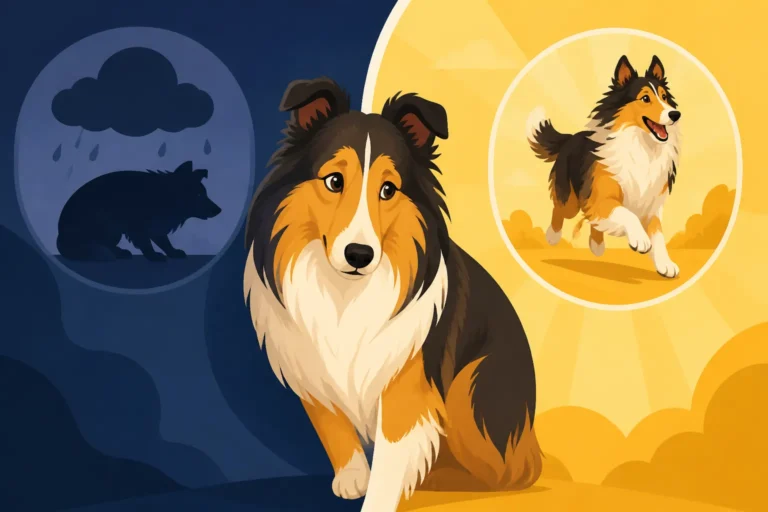
What Motivates a Collie
It's incredibly frustrating when your beautiful, intelligent Collie seems to just… sit there, staring blankly, when you're trying to teach them something new or even just get them to come inside. You know they're smart, you know they're capable, but sometimes it feels like you're speaking a different language. This guide is all about cracking the code of Collie motivation, exploring the deep-seated drives that make them tick and showing you how to harness them for a happy, engaged companion.
Understanding the Collie Psyche and Its Drives
Collies are remarkable dogs, known for their intelligence, loyalty, and often, a gentle soul. But beneath that elegant exterior lies a complex mind, rooted in centuries of herding work. Understanding their inherent nature is the first step in truly motivating them, rather than simply trying to command them. They aren't robots, after all; they have feelings, instincts, and preferences, just like us.
The Collie's Innate Desire to Please
One of the most heartwarming traits of many Collies is their deep desire to please their human companions. This isn't just a quaint notion; it's a fundamental aspect of their herding heritage. A good herding dog works in close partnership with its shepherd, anticipating needs, responding to subtle cues, and executing tasks with precision and dedication. This historical role has hardwired them to be highly attuned to human feedback and approval. When you're working with your Collie, they're not just performing an action; they're often seeking that affirmative nod, that soft word, that feeling of having done well in your eyes. This desire to be a "good dog" is a powerful, intrinsic motivator that often surpasses even the lure of a tasty treat, especially in well-bonded Collies.
However, this desire to please also means they are incredibly sensitive. A harsh tone, a frustrated sigh, or an unfair correction can be profoundly upsetting to a Collie. They internalize these things deeply, and it can actually shut down their willingness to engage. Imagine someone constantly criticizing your efforts at work – eventually, you'd stop trying so hard, wouldn't you? It's the same for them. This is why positive reinforcement methods are not just effective, but absolutely essential for building and maintaining a strong, motivated relationship with your Collie. Their soft nature truly thrives on encouragement and clear, gentle communication. Harsh Handling Breaks a Collie and It Does Not Come Back is a topic many Collie owners learn the hard way if they don't understand this sensitivity.
High Intelligence and the Need for Mental Stimulation
Collies are renowned for their sharp minds. They're quick learners, problem-solvers, and possess an impressive capacity for understanding complex commands and routines. This high intelligence, however, comes with a caveat: it requires an outlet. A bored Collie is often a frustrated Collie, and frustration rarely translates into motivation. If their brains aren't engaged, they can become restless, destructive, or even develop undesirable behaviors simply to alleviate the monotony. I've seen many owners puzzled by their Collie's sudden chewing habits or incessant barking, only to realize the dog was simply understimulated mentally.
Think of it like this: your Collie isn't just looking for physical exercise, though that's important too. They crave tasks, puzzles, and opportunities to use their intellect. Leaving them alone in a yard for hours, even a large one, often isn't enough to satisfy this innate need. They thrive on learning new tricks, participating in dog sports like obedience or rally, or even just working through interactive puzzle toys. When you challenge their mind, you're not just entertaining them; you're fulfilling a fundamental requirement of their breed. This engagement makes them more receptive to training and more eager to participate in activities with you, because it provides the mental satisfaction they crave. For ideas on engaging their minds, consider the advice in Forty Five Minutes a Day, and Half of It in Its Head.
The Power of Positive Reinforcement for Collies
When it comes to training and motivating a Collie, positive reinforcement isn't just a method; it's practically a love language. Because of their sensitive and intelligent nature, Collies respond beautifully to rewards and encouragement, much more so than to any form of force or intimidation. They want to work with you, not for you, and positive reinforcement builds that partnership.
Food as a Primary Motivator
Let's be honest, most dogs, Collies included, are pretty food-motivated! A high-value treat can be an incredibly powerful tool in training, especially when teaching new behaviors or working in distracting environments. The key, however, is knowing how to use it effectively. Not all treats are created equal. For everyday reinforcement, a small piece of kibble or a readily available training treat might suffice. But for tougher challenges or when you need your Collie's undivided attention, you'll want to pull out the "jackpot" rewards: tiny pieces of cooked chicken, cheese, or even specially formulated soft training treats found on platforms like Amazon. The higher the value, the more impact it generally has.
It's also crucial to avoid relying solely on food. While it's a fantastic initial motivator, you don't want your Collie to become a "cookie monster" who only performs when food is visible. The goal is to gradually transition from constant food rewards to intermittent ones, and eventually to pairing food with other motivators, like praise. This helps your Collie understand that the action itself, or your approval, is the true reward. Varying your treats, keeping them small, and timing them perfectly (within 1-2 seconds of the desired behavior) will maximize their effectiveness without making your Collie dependent. Remember, a full Collie might not be as motivated by food, so timing your training sessions before meal times can also be quite effective.
Praise, Affection, and Connection
Beyond food, the Collie thrives on genuine connection and positive verbal and physical affection from their human. For a breed so attuned to their owner's emotions and so eager to please, a heartfelt "Good dog!" delivered with enthusiasm can be just as powerful, if not more so, than a piece of chicken. This form of motivation taps directly into their core desire for approval and partnership. Many Collies will wag their whole body, eyes sparkling, simply from a warm smile and a soft stroke.
Think about the quality of the praise you offer. Is it just a mumbled "okay," or is it truly celebratory? A bright, happy tone, gentle ear scratches, or a comforting chest rub can communicate your pleasure in a way that resonates deeply with your Collie. This builds a strong bond and reinforces their understanding that engaging with you is a positive experience. Over time, as behaviors become established, these non-food rewards can sustain motivation beautifully. In fact, for many Collies, the ultimate reward is simply spending quality time with their person, receiving attention, and feeling like a valued member of the family. They truly are dogs that appreciate the nuances of human interaction, as discussed in A Collie Reads a Room Better Than It Reads a Command.
Play, Toys, and the Herding Instinct
Collies, with their herding background, often possess a strong play drive that can be cleverly channeled into training and motivational strategies. Play isn't just frivolous fun; it's a vital part of their mental and physical well-being, and a fantastic way to reinforce desired behaviors.
Engaging the Herding Drive Through Play
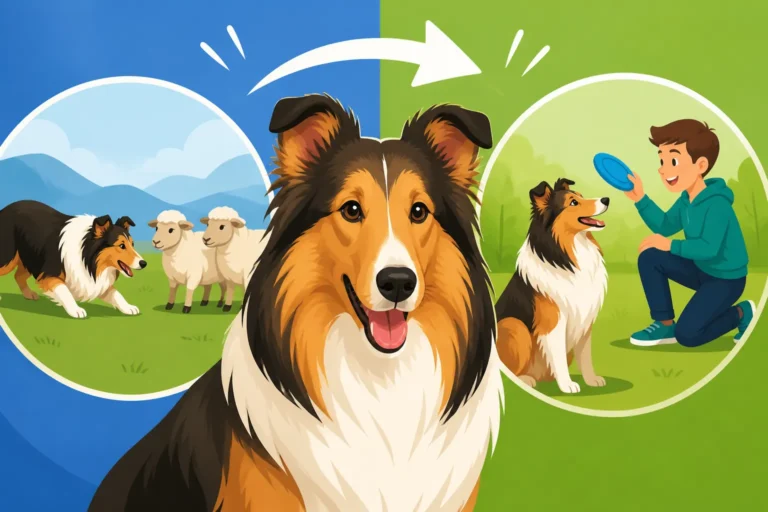
While not every Collie will actively herd sheep, the instinct to chase, gather, and control is often deeply ingrained. You can tap into this drive through structured play, even if you live in a suburban home. Games like fetch, where they "gather" a toy and bring it back, or "find it" games where they use their nose to locate hidden items, can be incredibly satisfying. For Collies with a stronger herding impulse, flirt poles (a pole with a lure attached to a rope) can provide an excellent outlet for their chasing instincts in a controlled environment. They get to run, pounce, and "capture" their prey, mimicking the thrill of herding without actually bothering any livestock or small animals.
Another fantastic way to engage this drive is through "pattern games" or simple, repetitive sequences that make them feel like they're working alongside you, just like they would with a shepherd. This could be a series of weaves around cones, a recall followed by a stay, or even just practicing heeling patterns. The consistency and predictability, coupled with your positive feedback, are highly motivating for a Collie who thrives on partnership and structured activity. Utilizing these natural inclinations makes training feel less like a chore and more like a shared, enjoyable activity.
Choosing the Right Toys for a Collie
Not all toys are created equal, especially for an intelligent and often energetic breed like the Collie. Choosing the right toys can significantly boost their motivation for play and engagement. First, consider durability. Collies can be powerful chewers, particularly when bored, so robust toys that stand up to enthusiastic play are a must. Brands like Kong (though not a contextual brand, the type of toy it represents is useful) offer various strengths, from puppy to extreme, which can be helpful. For games of tug, a sturdy rope toy or a soft but resilient tug toy is ideal, allowing them to engage their jaws and exert some controlled "prey drive."
Beyond durability, variety is key. Puzzle toys, where your Collie has to figure out how to get a treat out, are phenomenal for mental stimulation. They encourage problem-solving and can keep a Collie engaged for significant periods, especially when you need them to settle indoors. These can be found readily on Amazon. Squeaky toys, for many Collies, trigger that primal chase instinct and can be highly motivating for fetch or general play. Soft plush toys can also be great for gentle carrying or "comfort" objects. Rotating toys regularly can keep them exciting and prevent boredom, ensuring that play remains a powerful motivator.
Novelty, Environment, and Social Motivation
Collies are not static creatures; they thrive on sensory input, new experiences, and meaningful connections. These external factors play a huge role in keeping them motivated, engaged, and mentally vibrant throughout their lives. Ignoring these aspects can lead to a dull, uninspired dog, no matter how many treats you offer.
The Thrill of New Experiences and Environments
Imagine eating the same meal, wearing the same clothes, and walking the same route every single day. You'd get pretty bored, right? Your Collie feels the same way! While routine offers comfort and security, an exclusive, unchanging schedule can lead to mental stagnation. Collies are curious and intelligent, and they love to explore. Introducing novelty into their lives is a fantastic motivator. This could be as simple as taking a different walking route, visiting a new park, or even just letting them explore a new scent in the backyard. The fresh smells, sights, and sounds stimulate their brains and make them more eager to engage with the world around them.
Consider signing up for a new class, like a beginner's agility course or a scent work workshop. The sheer excitement of a novel environment, coupled with the challenge of learning something new, can reignite a Collie's spark. Even car rides to a new hiking trail or a friend's house can be stimulating. These experiences build confidence, prevent boredom, and remind your Collie that there's always something interesting to discover, especially when they're with their favorite person. How Far a Collie Can Hike might give you some ideas for new adventures.
Social Interaction with People and Other Dogs
Collies are inherently social creatures. While they might be reserved with strangers, they form deep, lasting bonds with their families and often enjoy appropriate interactions with other dogs. This social connection is a profound motivator. For a Collie, spending time with you—whether it's cuddles on the couch, a training session, or a quiet walk—is often the highest reward. They crave companionship and validation from their human family, and feeling like a cherished member of the pack drives much of their behavior.
Beyond their immediate family, supervised playdates with well-matched canine friends can be incredibly enriching. These interactions allow them to practice social skills, burn off energy, and simply enjoy the company of their own kind. A tired, happy Collie who has had a good romp with a dog buddy is often much more receptive to training later on. However, it's vital to ensure these interactions are positive; a bad experience can cause lasting anxiety. For a dog that needs more structured social learning, programs like BAXTER & Bella offer online resources for puppy training and socialization, which can be invaluable for establishing good habits and positive associations from a young age. Remember, while they love their people, they are still dogs, and canine companionship, when appropriate, fulfills a unique social need. Whether a Collie Gets On With Other Dogs delves into this more.
Addressing Common Motivational Challenges
Even the most enthusiastic Collie can have off days, or perhaps a long-standing issue that makes motivation seem elusive. It's crucial to approach these challenges with patience, understanding, and a willingness to investigate the root cause, rather than just treating the symptom.
When a Collie Seems Unmotivated
It's disheartening when your usually eager Collie suddenly seems to lose their spark. They might ignore commands they once knew, wander off during training, or simply lie down and refuse to participate. The first thing to rule out is always a physical issue. Is your Collie in pain? Are they feeling unwell? A subtle limp, an upset stomach, or even chronic discomfort can manifest as lethargy or disinterest. A veterinary check-up should be your first step if there's a sudden, unexplained change in motivation. Whether a Collie Hides Pain is an important read for understanding their stoic nature.
If health issues are ruled out, consider environmental factors. Is the training environment too distracting? Are you asking too much too soon? Perhaps they're simply bored with the same old routine. Stress, whether from changes in the home, too much noise, or even your own anxiety, can also dampen a Collie's enthusiasm. Try simplifying tasks, returning to basics with high-value rewards, and ensuring training sessions are short, fun, and end on a positive note. Sometimes, a "reset" is all that's needed – a few days of just fun, no-pressure interactions to rebuild their desire to engage. It's also worth checking if they're getting enough quality sleep, as a tired dog is rarely a motivated one.
Avoiding Harsh Methods and Their Impact
This cannot be stressed enough: harsh training methods are not only ineffective for Collies, but they are actively detrimental. Collies are incredibly sensitive and thrive on trust and cooperation. Yelling, leash jerks, punishment, or any form of intimidation will not motivate a Collie; it will shut them down, break their spirit, and erode the precious bond you share. Imagine being afraid of making a mistake because of the potential negative consequence – how motivated would you be to try new things or offer a behavior freely? Why a Prong Collar Is Wrong for a Collie highlights this exact point.
Instead of motivating through fear, these methods breed anxiety, fear, and resentment. A Collie subjected to harshness may become fearful, withdrawn, or even reactive as a coping mechanism. They might learn to avoid you, or simply offer behaviors reluctantly, without any genuine enthusiasm. This is not true motivation; it's compliance driven by fear, and it comes at a tremendous cost to their well-being and your relationship. Always remember that a truly motivated Collie works with a wagging tail and bright eyes, eager to participate because they know it's a positive, rewarding experience for both of you. Focusing on positive reinforcement creates a dog that wants to learn and engage, rather than one that has to.
Comparative Motivators for Collies
To help you visualize the different types of motivators and when they might be most effective, here's a table comparing them:
| Motivator Type | Description | Best For | Considerations |
|---|---|---|---|
| Food (High-Value) | Small, tasty treats like cooked chicken, cheese, or specialized training treats. | New behaviors, high-distraction environments, proofing commands. | Over-reliance can lead to dependence; use sparingly for best effect; size matters (tiny pieces). |
| Food (Low-Value) | Kibble or standard dog biscuits. | Everyday maintenance, reinforcing known behaviors in low-distraction settings. | May not be effective for all Collies or in challenging situations. |
| Praise/Affection | Enthusiastic verbal praise, gentle petting, belly rubs, ear scratches. | General reinforcement, building bond, maintenance of known behaviors. | Essential for all Collies; varies in effectiveness by individual preference. |
| Play/Toys | Fetch, tug, flirt pole, puzzle toys. | Engaging herding drive, burning physical and mental energy, fun breaks. | Tailor toy choice to durability and individual preference; can be used as a reward for training. |
| Novelty/Environment | New walking routes, parks, sensory experiences, classes. | Preventing boredom, mental stimulation, building confidence. | Can be overstimulating for sensitive Collies; introduce gradually. |
| Social Interaction | Quality time with owner, play with trusted canine friends. | Strengthening bond, fulfilling social needs, reducing separation anxiety. | Crucial for this breed; ensure positive interactions with other dogs. |
| Success/Completion | The intrinsic satisfaction of successfully completing a task or puzzle. | Advanced training, dog sports, problem-solving activities. | Builds confidence and self-reliance; the ultimate goal of effective training. |
Disclaimer
This article is for general informational purposes only and does not constitute professional advice. Laws, prices and regulations vary by location and change over time. Consult a qualified professional for guidance on your specific situation.