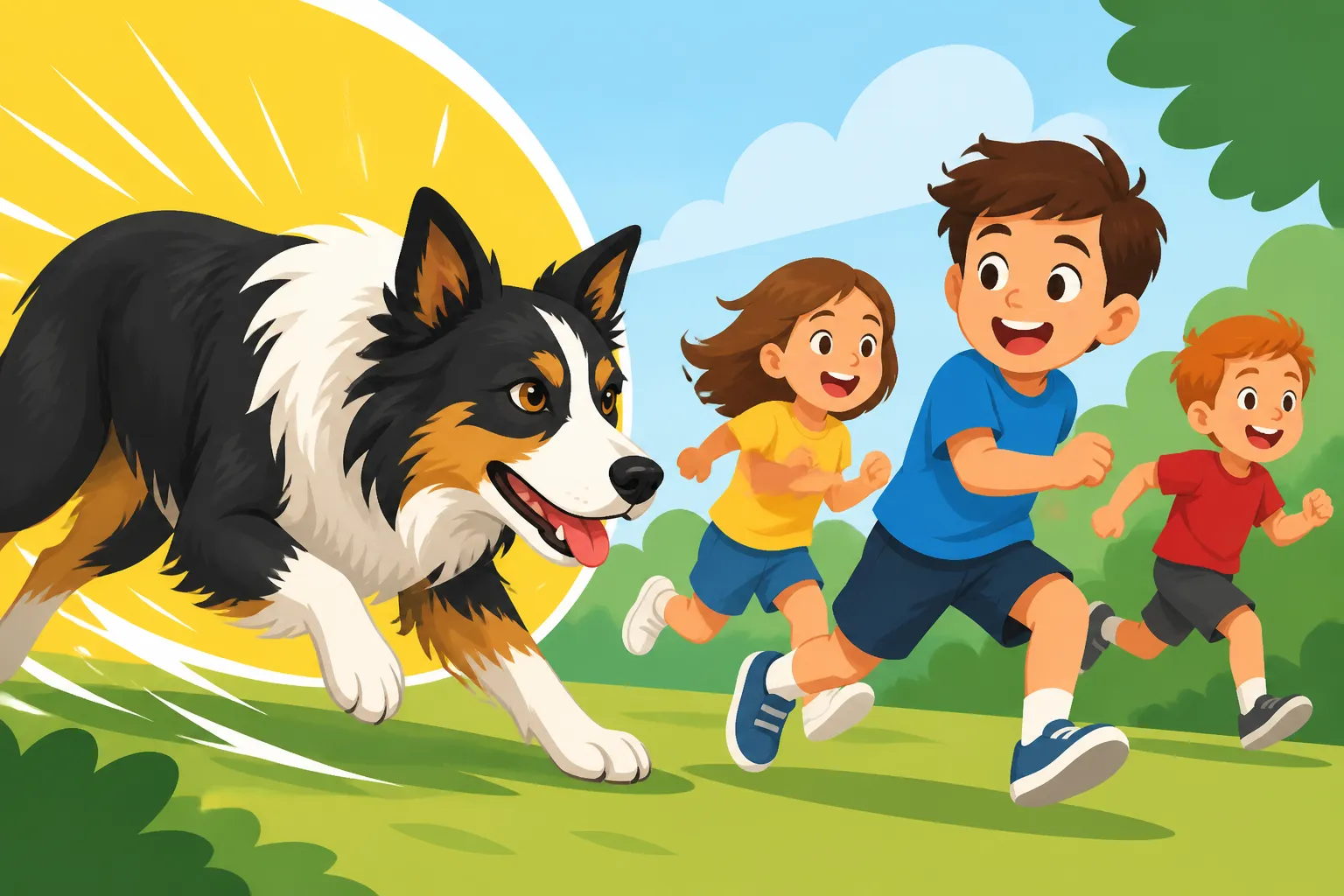
Whether a Collie Herds Running Children
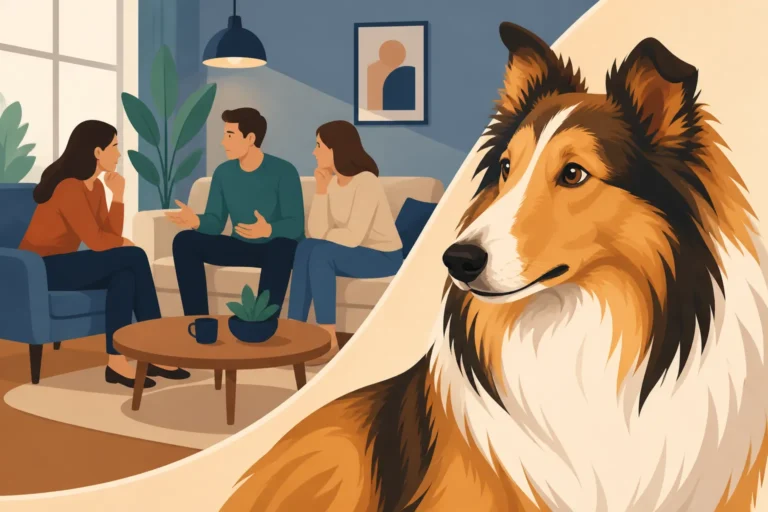
It's a scene many Collie owners have witnessed: children giggling and sprinting across the yard, only for their graceful, usually calm Collie to suddenly dart after them, circling, perhaps even giving a gentle nudge or a little nip at a fleeting heel. This behavior can be startling, sometimes even frightening, leaving parents wondering if their beloved family dog has suddenly turned aggressive or if there’s a deeper problem. This guide will delve into the natural instincts driving a Collie to herd running children and provide practical, kind ways to manage and redirect this behavior for a harmonious home life.
Understanding the Collie's Herding Instinct
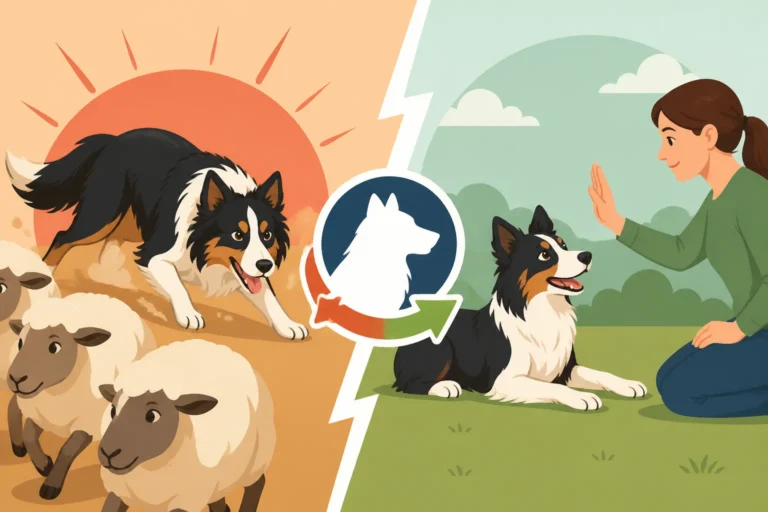
To truly understand why your Collie might herd running children, we need to go back to their roots. Collies, both Rough and Smooth, were bred for centuries as working dogs, primarily tasked with gathering and moving livestock, particularly sheep, across the Scottish Highlands. This wasn't just a job; it was deeply ingrained behavior essential for their survival and the livelihood of their human companions. When we see a Collie "herding" children, we're not seeing aggression, but rather the manifestation of this ancient, powerful instinct.
The Genetic Blueprint of a Herder
Imagine generations of Collies, day in and day out, using their keen intelligence, agility, and unique set of behaviors to control the movement of animals. They would stalk, stare intently, bark to gather, and use their bodies to direct the flock. The swift, erratic movements of sheep would trigger these responses. Fast forward to a suburban backyard, and what do you see that mimics those frantic sheep? Often, it's children running, squealing, and playing chase. To a Collie, especially a young or under-exercised one, these movements can inadvertently activate that deep-seated herding program. It's not malicious; it's instinctual, almost a reflex.
Think of it like this: a Labrador retriever naturally wants to retrieve, a Pointer naturally wants to point. A Collie naturally wants to herd. The specific triggers for this instinct are movement, particularly fast or unpredictable movement, and noise. A child’s joyful shouts and darting movements are perfect triggers. It's a testament to their intelligence and genetic heritage that they still carry this impulse so strongly, even after generations of being companion animals. It's crucial not to misunderstand this as aggression; the intent isn't to harm, but to gather and control. In their mind, they're simply doing what they were born to do.
Distinguishing Herding from Aggression
It’s completely understandable for a parent to worry if their dog is being aggressive, especially when teeth are involved, even if it’s just a gentle nip. However, there are key differences between a Collie herding and actual aggression. Herding behavior typically involves circling, body bumping, nudging, and sometimes light nipping at heels or clothing. The dog's body language will usually be loose, wiggly, and excited, often accompanied by playful barks. Their tail might be wagging, and their ears might be alert but not flattened in fear or rigid in aggression.
True aggression, on the other hand, usually involves stiff body language, growling, snarling, prolonged intense stares, raised hackles, and more forceful bites. The intent behind aggressive behavior is to create distance, inflict harm, or defend resources. With herding, the intent is to gather, guide, or control movement. If you're ever truly unsure, or if the behavior seems to escalate beyond gentle nudges or light nips, it's always best to consult with a professional positive reinforcement dog trainer or a veterinary behaviorist. They can help you accurately assess your dog's behavior and provide tailored guidance. Remember, a Collie’s sensitive nature means Harsh Handling Breaks a Collie and It Does Not Come Back, so understanding their intent is paramount.
Common Scenarios and Early Warning Signs
Recognizing when your Collie is about to engage their herding drive is the first step in managing it effectively. This isn't just about stopping undesirable behavior; it's about understanding your dog and giving them appropriate outlets.
Playtime Triggers in the Home and Yard
The most common trigger, as mentioned, is children running and playing, especially games like tag, chase, or even just running wildly around the yard. Think about a game of hide-and-seek where one child suddenly bolts from behind a tree. To a Collie, that’s a "runaway sheep" that needs to be brought back to the flock. The high-pitched squeals, the quick changes in direction, and the sheer exuberance of children can all act as potent activators for their herding instinct.
Beyond running, other common triggers can include:
- Rollerblading, Skateboarding, or Bicycling: Anything with fast, linear movement can set off that herding switch.
- New or Exciting Visitors: A group of unfamiliar people, especially if they are animated and moving quickly, can sometimes trigger the instinct, leading the Collie to try and "manage" the group.
- Even Chores: I've seen Collies try to "herd" a person pushing a wheelbarrow or pulling a garden cart. It's all about movement and the innate desire to control it.
The key is to observe your Collie's early signals. Do they get intensely focused when children start to get rowdy? Do their ears perk up, their body tense slightly, or do they start to pant with excitement? Do they begin to circle the group or position themselves to "cut off" a child's path? These are all indicators that the herding drive is kicking in. Catching these cues early allows you to intervene before the behavior becomes full-blown. Many owners ask Whether a Collie Nips at Heels during this process, and indeed, it's a common herding behavior, so recognizing the precursors is vital.
When Herding Becomes an Issue
While a gentle nudge might be tolerated, excessive circling, persistent body bumps, or repeated nips at heels can become a problem. It can frighten children, especially younger ones, and potentially lead to accidental falls or minor scrapes. It can also create tension between the dog and the children, which is something we definitely want to avoid in a family setting. Whether a Collie Is Safe With a Toddler is a big concern for many, and managing herding behavior is a significant part of ensuring that safety.
An escalating herding response can also be a sign that your Collie isn't getting enough mental and physical stimulation. A bored Collie is an inventive Collie, and if they don't have appropriate outlets for their instincts, they'll find their own "job," which often involves the most active members of the household: the children. If you find yourself constantly correcting this behavior, it's time to re-evaluate their daily routine and look for ways to fulfill their natural needs. Consider looking into What Motivates a Collie to tailor your training and activity plan.
Strategies for Managing Herding Behavior with Children
The good news is that herding running children isn't something you just have to live with. With consistent effort, understanding, and positive reinforcement, you can manage this instinct and redirect it into appropriate channels. The goal isn't to eliminate the instinct entirely—that's impossible and unfair to your Collie—but to teach them what is and isn't acceptable in a human household.
Providing Appropriate Outlets for Herding Instincts
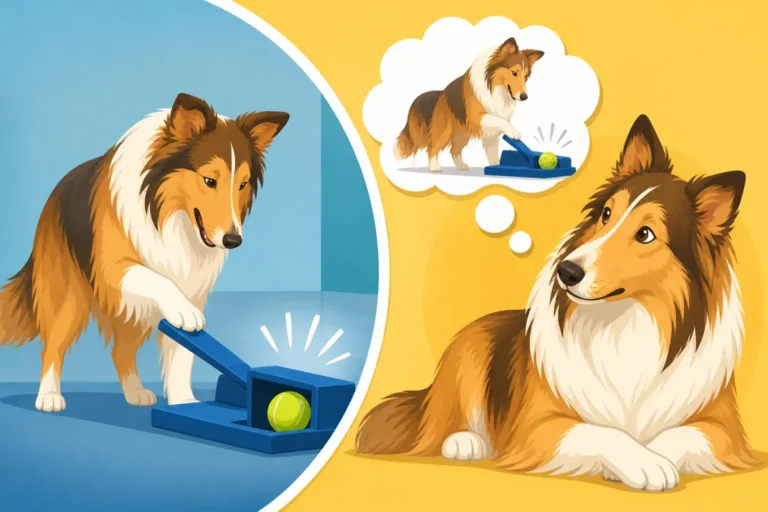
One of the most effective strategies is to give your Collie a proper "job" that satisfies their herding drive. This doesn't mean you need a flock of sheep in your backyard, although if you have access to a herding facility, it can be incredibly fulfilling for your dog! Even without livestock, there are many ways to engage their minds and bodies.
- Herding-Focused Games: Instead of letting them herd children, teach them to herd toys. Use large exercise balls, Jolly Balls, or even specially designed herding balls that they can push and direct. You can roll the ball and encourage your Collie to "bring it," circling it back to you. This taps into the same instinct but in a controlled, safe way.
- Dog Sports: Collies excel in various dog sports that provide mental and physical challenges. Agility, Rally Obedience, and Scent Work are fantastic options. These activities require focus, problem-solving, and teamwork, all of which contribute to a happy, well-adjusted Collie. Even basic obedience can be an amazing mental workout. Consider joining local clubs or checking out online resources. Herding, Rally and the Sports a Collie Was Made For offers more insights into these activities.
- Structured Exercise: A physically tired Collie is often a mentally calmer Collie. Ensure your dog gets enough appropriate exercise daily. This isn't just a quick walk around the block; it might involve brisk walks, controlled off-leash play in a safe area, or even jogging if your vet clears it. How Much Exercise a Collie Needs Daily is a good resource for understanding their needs.
Remember, the goal is to provide a constructive outlet for their natural drives so they don't feel the need to invent their own "jobs" involving your kids.
Training for Impulse Control and Self-Control
Training is paramount when it comes to managing any strong instinct in a dog. Teaching your Collie impulse control and self-control will empower them to make better choices, even when their instincts are screaming at them to "herd!"
- "Leave It" and "Stay": These are foundational commands. "Leave It" can be taught with treats on the floor, gradually increasing distractions. Eventually, it can be applied to children running. "Stay" teaches them patience and to hold a position despite enticing movements. Practice these consistently in various environments.
- Boundary Training: Teach your Collie a designated "place" or mat where they must go and stay when children are playing. Use positive reinforcement to reward them heavily for staying on their mat, even as the kids run around. This gives them a clear expectation and a safe space during high-energy moments. You can find durable training mats and beds on Amazon to facilitate this.
- Supervised Interactions: Never leave young children unsupervised with any dog, especially a Collie prone to herding. During playtime, be present and ready to intervene. If you see the early signs of herding, calmly redirect your Collie to a toy, a "place" command, or a short training session. Sometimes, a quick game of "find it" with scattered kibble can redirect their focus. Whether a Collie Should Be Supervised With Toddlers cannot be stressed enough; it’s critical for safety.
- Reward Calmness: Actively reward your Collie for calm behavior around running children. If they watch quietly from a distance, or if they choose to lie down instead of engaging, praise them lavishly and offer a high-value treat. You're teaching them that calm is rewarded.
Utilizing Tools and Resources
There are many tools and resources available to help you manage and train your Collie.
- Long Lines: For outdoor play, a long line (a very long leash) can allow your Collie more freedom to move while still giving you control if their herding instinct kicks in. This allows you to interrupt the behavior with a gentle lead pressure and redirect them.
- Interactive Toys: Puzzle toys, treat-dispensing balls, and durable chew toys can keep a Collie mentally engaged and distract them from children’s play. Stock up on a variety from retailers like Amazon to keep things fresh.
- Online Training Programs: For those who need structured guidance, online puppy and dog training programs can be incredibly helpful. Companies like BAXTER & Bella offer comprehensive online courses that cover everything from basic obedience to advanced impulse control. Their programs often include video tutorials, live Q&A sessions, and personalized support, which can be invaluable for tackling specific behavioral challenges like herding. They can teach you how to implement a consistent training strategy from the comfort of your home, ensuring that everyone in the family is on the same page. This consistency is key when addressing deeply ingrained behaviors.
Here's a quick reference table for managing herding behavior:
| Action | Why it helps | What to avoid | Why to avoid it |
|---|---|---|---|
| Provide a "Job" | Redirects natural herding instinct to appropriate tasks (e.g., herding balls, dog sports). | Scolding or punishing the herding act. | Can damage trust and suppress behavior without teaching an alternative. |
| Teach Impulse Control | Commands like "Leave It," "Stay," "Go to your place" give the dog clear alternatives to herding children. | Letting children tease or run wildly around the dog. | Actively encourages the very behavior you want to prevent. |
| Supervise Interactions | Allows you to intervene early, redirect, and manage the environment before herding escalates. | Leaving young children and Collies unsupervised. | Risk of injury to child, stress for dog, breakdown of positive association. |
| Reward Calmness | Positively reinforces desired behavior, making the dog more likely to choose calm over herding. | Physically restraining the dog without explanation. | Can be perceived as punishment, leading to fear or frustration. |
| Increase Mental/Physical Exercise | Helps expend energy and mental drive, reducing the likelihood of boredom-driven herding. | Inconsistent training or mixed signals from family. | Confuses the dog and makes learning what's expected difficult. |
Consistency and Patience
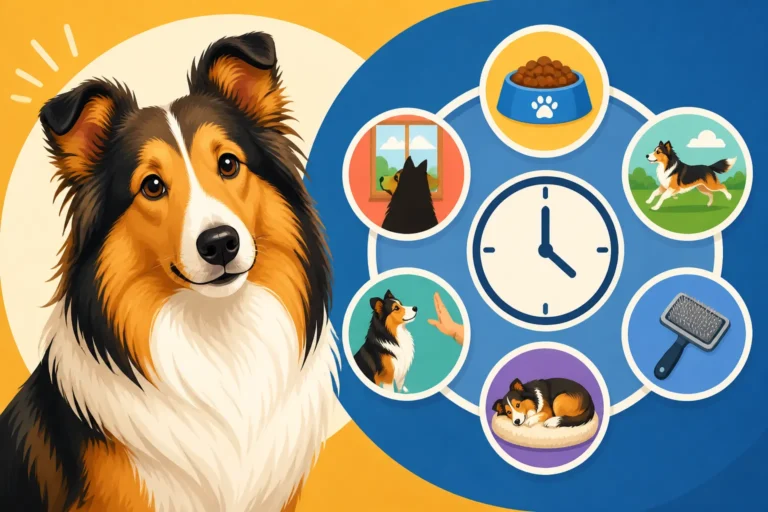
Finally, remember that managing a Collie's herding instinct around children is an ongoing process that requires immense patience and unwavering consistency from everyone in the household. Children also need to be taught how to interact respectfully with the dog and understand that their running might trigger the dog's instincts. Teaching children not to run or shriek around the dog, or at least to do so in a designated area where the dog is not present, can be a huge help.
The bond you share with your Collie is built on trust and understanding. By approaching this challenge with empathy for their natural drives and a commitment to positive, consistent training, you can ensure that your Collie remains a cherished, well-behaved member of your family, able to enjoy playtime with the kids safely and happily. The journey might take time, but the rewards of a well-adjusted dog and peaceful home are well worth the effort. For more on training, you might find information on Whether a Collie Can Be Taught to Stop Herding and The First Year With a Collie Puppy helpful.
Disclaimer
This article is for general informational purposes only and does not constitute professional advice. Laws, prices and regulations vary by location and change over time. Consult a qualified professional for guidance on your specific situation.