Whether a Collie Nips a Child Who Runs
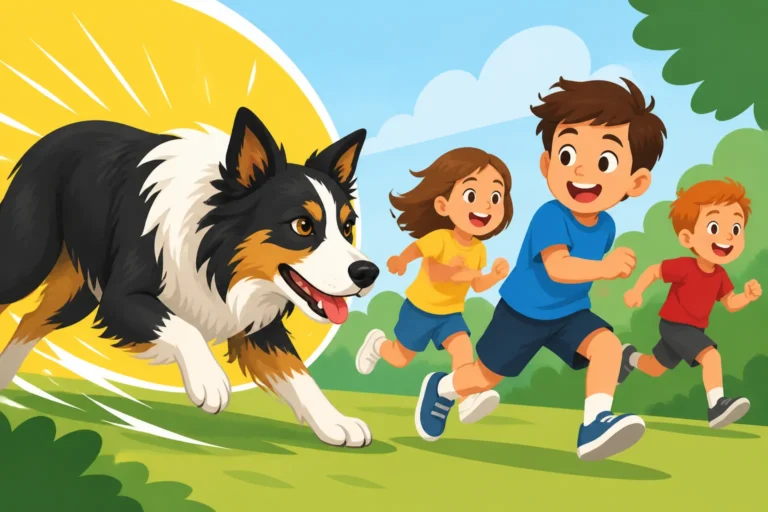
It’s a scenario that strikes fear into the heart of any dog owner, especially those with herding breeds: a child runs, squeals with delight, and your beloved Collie responds with a sudden, instinctual nip. This isn't just a minor annoyance; it's a serious safety concern that leaves parents worried and dogs potentially misjudged. This guide is here to unravel why your Collie might nip at running children, distinguishing between an instinctual correction and actual aggression, and providing clear, actionable steps to prevent and manage this behavior, ensuring harmony and safety for everyone in your home.
Understanding the Collie's Deep-Seated Herding Instinct
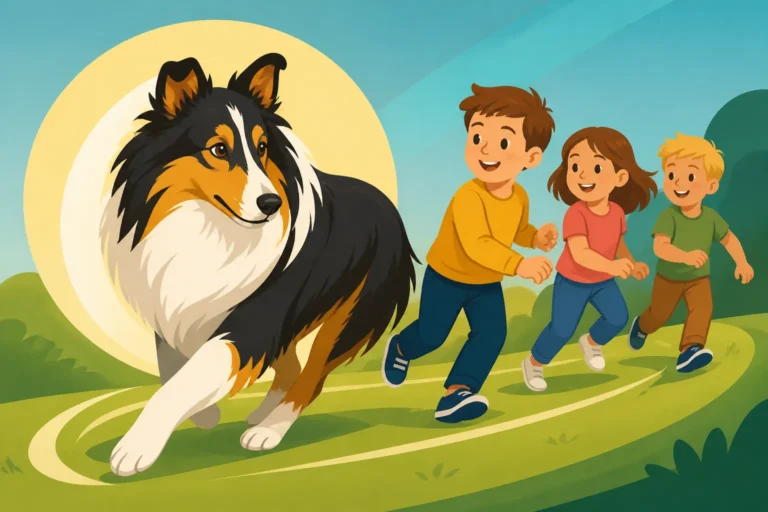
Collies are magnificent dogs, renowned for their intelligence, loyalty, and striking beauty. But beneath that beautiful coat and gentle demeanor lies a strong, ancient drive: the instinct to herd. This isn't just a quirky trait; it's the very fabric of their being, honed over centuries to manage livestock. When a child runs, especially with high-pitched sounds or erratic movements, it can inadvertently trigger this powerful genetic programming.
The Root of the Behavior: Herding as Instinct
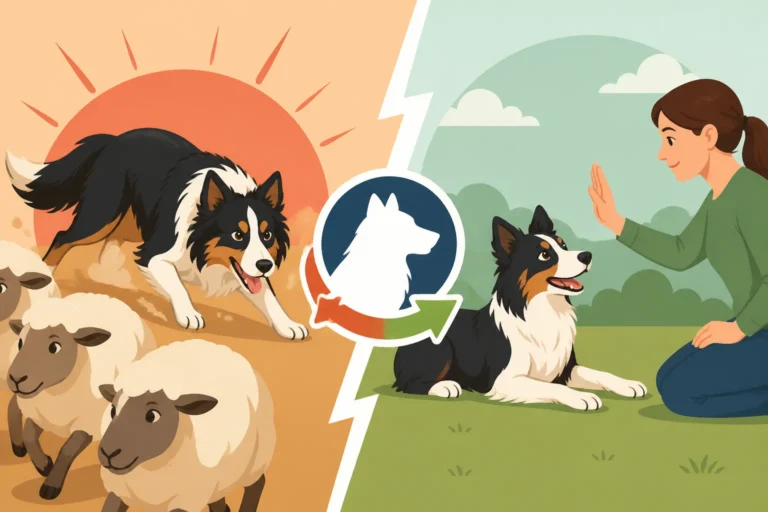
Imagine for a moment a field of sheep. A good herding dog, like our Collies, doesn't just chase them aimlessly. They use specific behaviors – circling, staring, nudging, and yes, sometimes nipping at the heels – to gather, direct, and control the flock. These actions are highly functional in their original context. When you see your Collie nip at a running child, it's crucial to understand that, in that moment, your dog isn't acting out of malice or aggression. They are simply doing what their ancestors were bred to do: trying to "round up" what they perceive as a stray, fleeing "flock member."
The intensity of this instinct varies from dog to dog. Some Collies might just give a gentle nudge or a soft mouth, while others might be more persistent or forceful in their attempts to stop the perceived "escapee." It's not about hurting the child, but about exerting control, a deeply ingrained part of their behavioral repertoire. This instinctual drive can be incredibly frustrating for owners who adore their dogs but are desperate to ensure the safety of their children and guests.
Why Children are Prime Targets for Herding Instincts
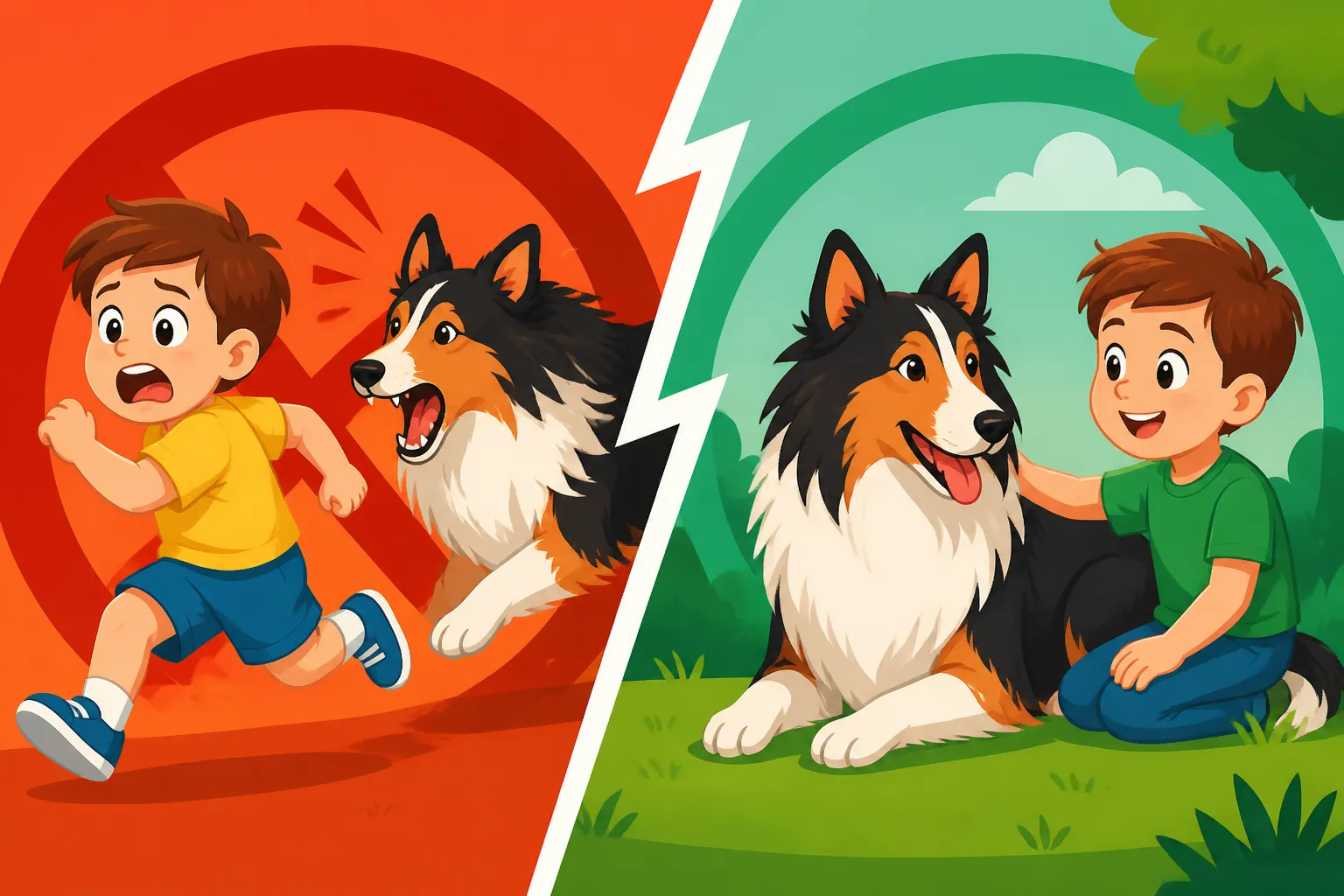
Children, bless their energetic hearts, are often the perfect triggers for a Collie's herding instinct. Think about it:
- Fast, Erratic Movement: Children often run, dart, and change direction suddenly, much like a sheep trying to break from the flock. This movement is a direct signal to a herding dog's brain to engage.
- High-Pitched Noises: Squeals, giggles, and shouts, while joyful to us, can mimic the sounds of distress or excitement in smaller animals, further stimulating the herding drive.
- Small Size: Children are closer to the ground, making them more accessible targets for traditional "heel nipping" maneuvers.
- Unpredictability: Unlike adults who move with more predictable patterns, children's movements are often spontaneous and hard to anticipate, making them seem more like "unruly" flock members to a herding dog.
It’s not personal, it's physiological. Your Collie isn't thinking, "I dislike this child"; it's thinking, "This small, fast-moving, noisy thing needs to be brought under control!" This realization can be a huge first step in moving from frustration to effective management. It highlights that the behavior, while unacceptable, is not coming from a place of aggression, but from a deeply programmed instinct.
Distinguishing Between a Herding Nip and an Aggressive Bite
It’s vital for every Collie owner to understand the difference between a herding nip and an aggressive bite. While both require immediate attention and correction, their underlying motivations are vastly different, which in turn influences how you approach training and management. Misinterpreting a nip as aggression can lead to counterproductive training methods, and overlooking a truly aggressive signal can be dangerous.
Understanding the Nuances of Nipping
A herding nip is typically characterized by an open mouth that gently (or sometimes not-so-gently) closes around a limb or clothing, often at the heels, without the intent to break skin or cause injury. It’s more of a "grab and release" or a "bump" with the muzzle. The goal is to redirect movement, not to harm. Think of it as a dog's way of saying, "Stop! Go this way!" or "Hey, stay with the group!" The force is usually inhibited, meaning the dog knows how much pressure it's applying and is holding back.
You might notice the nip is accompanied by other herding behaviors, such as circling the child, intense staring, or pushing with the nose. The Collie's body language in these moments might be focused and intense, but not typically stiff, growling, or showing bared teeth, which are hallmarks of true aggression. It’s important to remember that even a soft nip can be startling or painful to a child and can easily escalate if not addressed.
Recognizing the Red Flags of Aggression
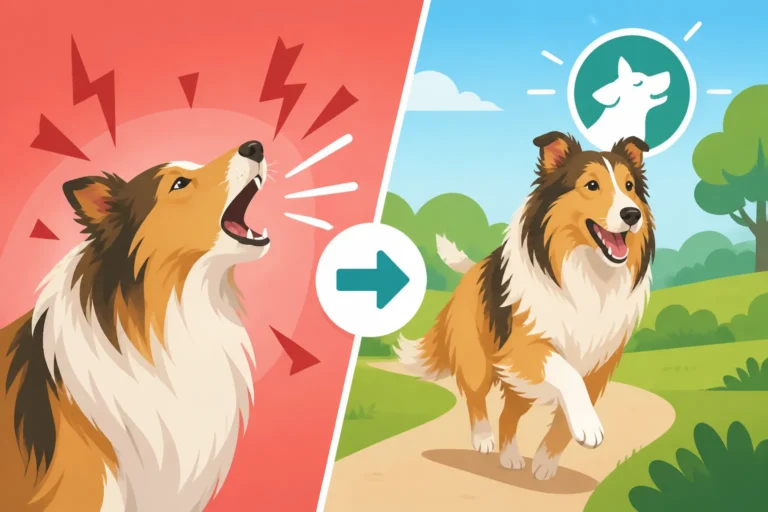
An aggressive bite is a completely different ballgame. This is where the dog's intent is to cause harm, whether out of fear, pain, resource guarding, or dominance. Signs of aggression are often much more pronounced and concerning:
- Stiff Body Language: The dog's body will appear rigid, possibly leaning forward. Hackles might be raised.
- Growling or Snarling: A deep, guttural growl or a snarl with teeth bared is an unmistakable warning.
- Hard Stare: An unblinking, intense stare directly into the eyes.
- Lunging or Snapping: Aggressive dogs may lunge or snap without making full contact as a warning before biting.
- Breaking Skin: An aggressive bite aims to injure, and often results in puncture wounds or lacerations.
If your Collie exhibits any of these aggressive signs, especially alongside nipping, the situation is far more serious and requires immediate professional intervention. It means the behavior has moved beyond instinctual herding and into a potentially dangerous territory. Understanding how a Collie learns to trust is crucial if fear is a component of the aggression.
Proactive Strategies to Prevent Nipping at Running Children
Preventing your Collie from nipping at running children is far easier and more effective than trying to correct the behavior once it's deeply ingrained. It involves a combination of early socialization, consistent training, and providing appropriate outlets for their natural instincts. This isn't about suppressing who your Collie is, but about channeling their magnificent intelligence and drive into constructive and safe behaviors.
Early Socialization and Foundational Training
The single most critical period for shaping a well-adjusted Collie is puppyhood. From the moment you bring your Collie puppy home, you have a window of opportunity to expose them to a wide variety of sights, sounds, people, and experiences in a positive and controlled manner.
- Positive Exposure to Children: Introduce your puppy to children of all ages, under strict supervision. Start with calm, gentle interactions. Have children sit on the floor and offer treats quietly. Teach children how to approach and pet a dog politely, avoiding sudden movements or loud noises. Never allow children to tease, hit, or overwhelm the puppy.
- Puppy Classes: Enroll in puppy socialization classes. These provide a structured environment for your Collie to interact with other dogs and people, learning appropriate social manners. A good class will also teach you how to read your puppy's body language and intervene effectively.
- Basic Obedience: Commands like "sit," "stay," "come," and "leave it" are foundational. They teach your Collie impulse control and responsiveness, which are crucial when a child suddenly runs past. A comprehensive online course, like those offered by BAXTER & Bella, can provide a fantastic framework for structured training from the comfort of your home, covering everything from potty training to advanced cues. Consistency is key; a few minutes of training every day is more effective than long, infrequent sessions.
- Discouraging Nipping During Play: When your puppy mouths or nips you during play, immediately yelp loudly and withdraw attention. This teaches them bite inhibition – that teeth on skin ends the fun. This same principle can be applied to interactions with children, always under supervision. Understanding How Long a Collie Remembers a Bad Session can guide you to use positive reinforcement over harsh corrections, especially with this sensitive breed.
Teaching Impulse Control and Redirection Cues
Collies are smart, and they thrive on having "jobs." Teaching them specific commands that counter their herding instincts is not just possible, but deeply rewarding for both of you.
- "Leave It": This is arguably one of the most important commands. Practice it with various distractions, starting with low-value items and gradually increasing to things that move or are exciting, like a rolling ball or even a child walking calmly. Reward heavily when your Collie chooses to ignore the distraction and focus on you.
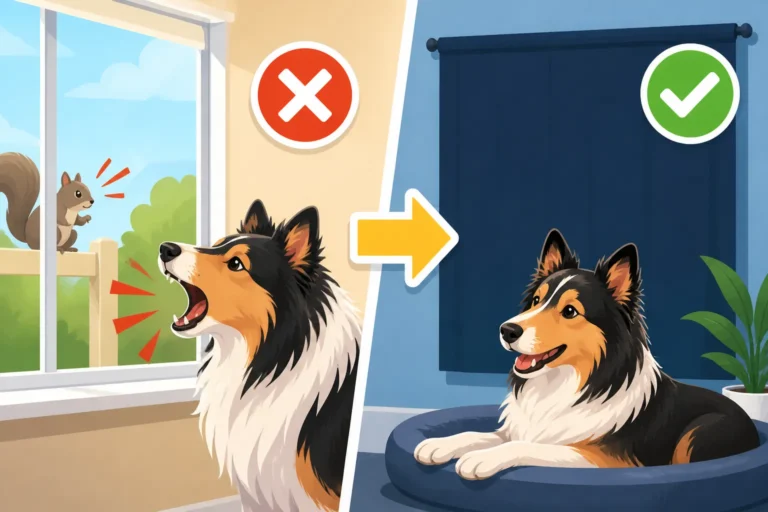
- "Go to Your Place": Teach your Collie to go to a designated bed or mat and stay there calmly. This is invaluable when children are running around, as it gives your dog a safe, quiet retreat where they know they should relax and not engage. Reward them with long-lasting chews or a puzzle toy to reinforce staying.
- Consistent Management: While training is ongoing, active management is critical. Use baby gates to separate your Collie from children when you cannot supervise 100%. Keep your Collie on a leash in the house during high-energy times. Prevention of the behavior is always the first line of defense.
- Appropriate Chew Toys: Ensure your Collie has plenty of appropriate chew toys. Sometimes, nipping can be a manifestation of pent-up energy or a need for oral stimulation. Providing engaging toys, readily available on platforms like Amazon, can redirect this energy.
Providing Appropriate Outlets for Herding Drive
Your Collie’s herding instinct isn't something you can, or should, completely eliminate. Instead, you need to provide healthy, acceptable ways for them to express it.
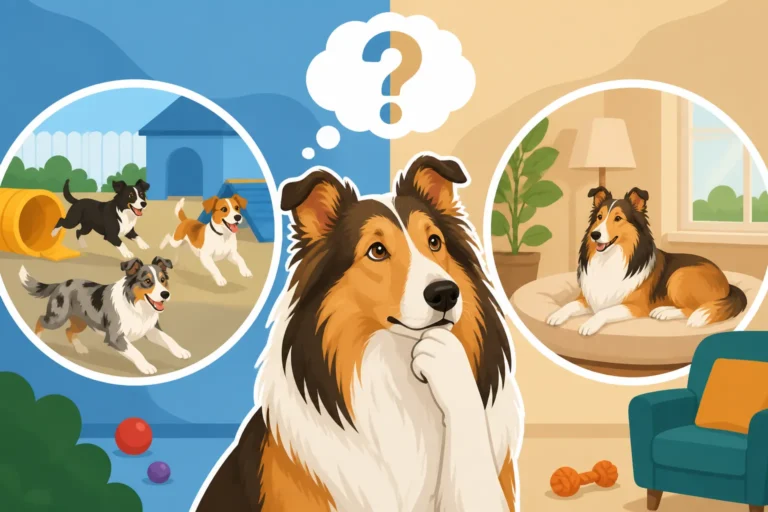
- Active Play: Daily vigorous exercise is non-negotiable for a Collie. This could include long walks, runs, or games of fetch in a securely fenced yard. A tired Collie is a good Collie, less likely to feel the urge to "work" the children. Consider Whether Forty Five Minutes a Day Is Really Enough for a Collie for a deeper dive into their exercise needs.
- Flirt Poles: A flirt pole is a fantastic tool for channeling prey drive and herding instinct. It's essentially a long pole with a lure attached by a rope, allowing your dog to chase and "catch" a moving target. This gives them a safe and controlled outlet for their natural drives.
- Dog Sports: Many Collies excel in dog sports that tap into their intelligence and agility. Obedience, rally, and agility are excellent choices. While herding trials might seem counterintuitive, they can actually be a controlled way for your Collie to express their instincts appropriately with actual livestock, under expert guidance. This can satisfy their drive in a way that translates to less "herding" of people at home. Find out Whether a Collie Should Try Herding Sheep if you're curious about this option.
- Puzzle Toys and Mental Stimulation: Collies are highly intelligent and need mental challenges as much as physical ones. Puzzle feeders, treat-dispensing toys, and scent work games can keep their minds engaged and prevent boredom, which can sometimes contribute to unwanted behaviors. Again, a quick search on Amazon reveals a plethora of options for enriching your Collie's life mentally.
Managing and Modifying Existing Nipping Behavior
If your Collie has already developed the habit of nipping at running children, don't despair. While it requires consistent effort and patience, the behavior can be modified. The key is a multi-faceted approach that involves environmental management, clear communication, and consistent positive reinforcement.
Creating a Safe and Predictable Environment
The first step in modifying any unwanted behavior is to prevent it from happening. Every time your Collie nips, the behavior is reinforced, making it harder to break.
- Supervised Interactions (Always): Never, ever leave your Collie unsupervised with children, especially if nipping has occurred. Even for a moment. This is non-negotiable for safety. This may sound extreme, but the potential consequences are too great. Consider Whether a Collie Should Be Supervised With Toddlers for more insights on this.
- Physical Barriers: Use baby gates, crates, or leashes to create physical boundaries when children are active. If children are playing boisterously, your Collie should be in another room or safely crated with a high-value chew toy. This teaches your dog that children running doesn't mean it's "work time."
- Teaching Children: Educate children on how to behave around the dog. Teach them "tree" (stand still like a tree) if the dog approaches too intensely. Explain that running and screaming can excite the dog. While it's unfair to place the full burden on children, teaching them calm interactions is part of creating a harmonious home.
- Predictable Routines: Collies often thrive on routine. A predictable schedule for walks, meals, and play can reduce anxiety and make them feel more secure, lessening the likelihood of instinctual reactions to perceived chaos.
Consistent Redirection and Positive Reinforcement
When the nipping behavior starts to emerge, your response is critical. Avoid punishment, as it can confuse a sensitive Collie and potentially lead to fear-based aggression. Instead, focus on redirection and rewarding desired behaviors.
- Interrupt and Redirect: The moment your Collie shows any sign of starting to herd (intense stare, slight lean forward, starting to circle), calmly and immediately interrupt the behavior. This could be a firm "no," a clap, or stepping in between the dog and child. The goal is to break the focus before the nip happens.
- Offer an Alternative: Immediately redirect their attention to an appropriate activity. Ask for a "sit" or "down" and reward. Offer a toy to chase or a puzzle to solve. This teaches them, "Instead of herding the child, I can do this and get rewarded." Keep an engaging toy (like a favorite tug rope or squeaky ball) handy for these moments.
- Reward Calmness: Actively seek out and reward moments when your Collie is calm and relaxed around children. If a child walks past without your Collie reacting, drop a treat! If they are lying quietly while children play, praise and reward them. This builds a positive association with calm behavior in the presence of children.
- "Emergency Recall": Reinforce a super-strong recall word (e.g., "COME!") with incredibly high-value treats. If a child starts running and your Collie looks like they're about to engage, use your emergency recall to get them to you, then reward them lavishly.
| Prevention Strategy | Description | Key Outcome |
|---|---|---|
| Early Socialization | Expose puppy to varied sights, sounds, people (especially calm children) in positive, controlled ways. | Develops a well-adjusted, confident dog less prone to reacting out of fear/over-excitement. |
| Foundational Training | Teach basic obedience (sit, stay, leave it, recall) consistently, using positive reinforcement. | Builds impulse control, responsiveness, and strengthens the human-dog bond. |
| Appropriate Outlets | Provide plenty of physical exercise (walks, fetch) and mental stimulation (puzzle toys, dog sports, flirt poles). | Satisfies herding drive and energy in constructive ways, reducing inappropriate targeting. |
| Supervision & Barriers | Never leave unsupervised with children; use gates, crates, or leashes during high-energy times. | Prevents reinforcement of unwanted behavior, ensures safety for all. |
| Redirection & Reward Calm | Interrupt incipient herding behavior immediately; redirect to acceptable activity; lavishly reward calm interactions with children. | Teaches alternative, desirable behaviors and builds positive associations. |
Seeking Professional Guidance
Sometimes, despite your best efforts, the nipping behavior persists or escalates. This is not a failure on your part, but a signal that you need to bring in expert help.
- Certified Professional Dog Trainer (CPDT-KA): A good professional trainer can assess your specific situation, observe your Collie’s behavior, and provide personalized strategies. They can teach you advanced techniques for impulse control, redirection, and behavior modification. They might recommend specific tools or exercises that you hadn't considered.
- Veterinary Behaviorist (Dip ACVB): If the nipping is severe, frequent, or shows any signs of true aggression, consulting a veterinary behaviorist is crucial. These are veterinarians with specialized training in animal behavior and can rule out any underlying medical causes for the behavior. They can also prescribe medication if anxiety or other behavioral disorders are contributing factors.
- Breed-Specific Knowledge: When looking for a professional, try to find one with experience in herding breeds, particularly Collies. They'll have a deeper understanding of the inherent drives and sensitivities of the breed. For instance, they'll know that Harsh Handling Breaks a Collie and It Does Not Come Back, and recommend only positive reinforcement methods.
Remember, addressing nipping at running children is an ongoing commitment. It requires vigilance, consistency, and a deep understanding of your Collie’s natural instincts. With the right approach, patience, and perhaps professional help, you can foster a safe and loving environment where your magnificent Collie and children can coexist happily.
Disclaimer
This article is for general informational purposes only and does not constitute professional advice. Laws, prices and regulations vary by location and change over time. Consult a qualified professional for guidance on your specific situation.