Whether a Collie Can Live on a Farm
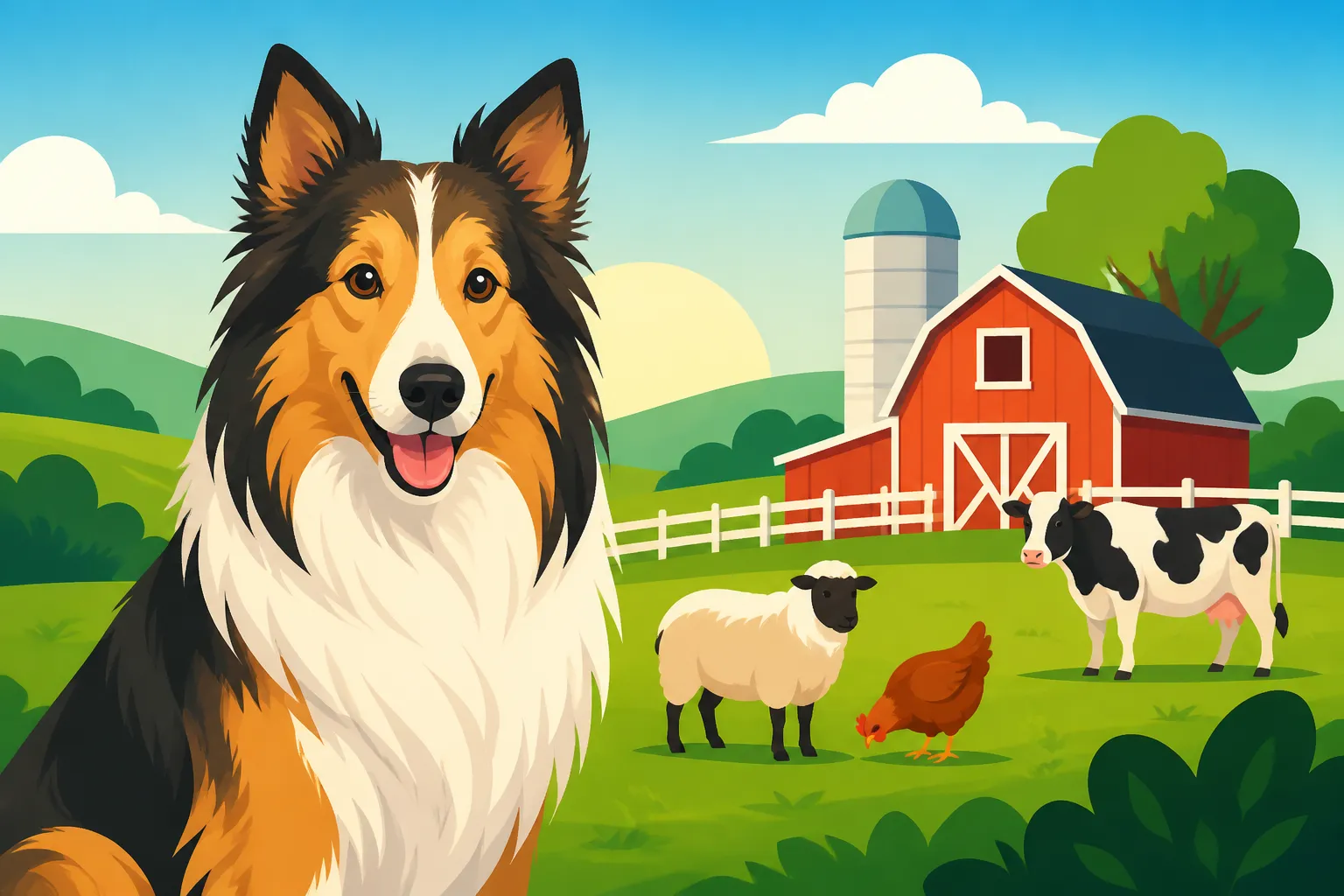
It's a common daydream, isn't it? Picturing your beautiful Collie trotting alongside you, a vigilant guardian of your rural domain, perhaps even gently guiding a flock of sheep. Many people assume a Collie, as a herding breed, would be a natural fit for farm life. However, the reality can be a complex blend of natural aptitude and significant challenges. This guide will delve into whether a Collie truly thrives on a farm, exploring their instincts, the practical demands, and what it really takes to make farm life a success for both you and your loyal companion.
The Collie's Core Instincts and Farm Compatibility
When we talk about Collies on a farm, we're really talking about harnessing some incredibly deep-seated instincts while managing others. It's not just a matter of "they're herding dogs, so they'll herd." The modern Collie has evolved, and while the instinct is still there, its manifestation can be quite different from their working ancestors.
The Herding Drive: Asset or Annoyance?
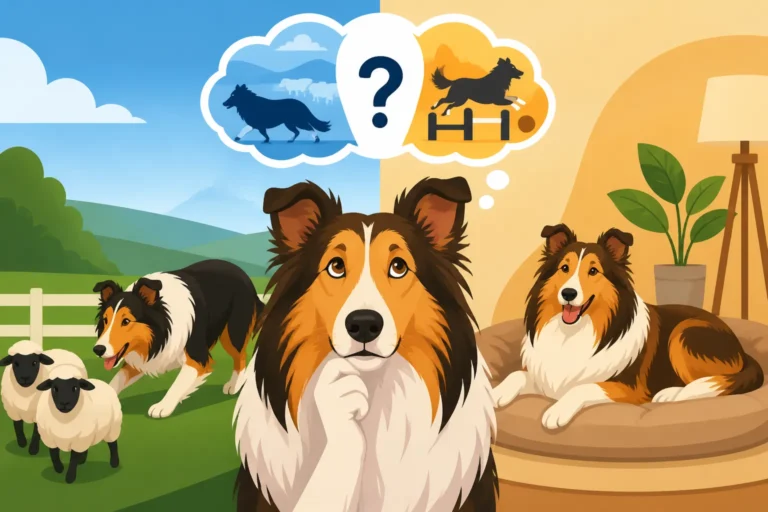
Historically, Collies were bred to gather and move livestock. That instinct, to collect and control, is still very much alive in most Collies. On a working farm with suitable livestock and proper training, this can be an incredible asset. Imagine a well-trained Collie gracefully maneuvering a small flock of sheep or helping to consolidate goats for feeding. For those interested in pursuing formal herding, a Collie can absolutely shine. You can test this instinct through various programs, and it's fascinating to see them engage with it. Whether a Collie Still Has Working Instinct is a question many ask, and for most, the answer is a resounding "yes," even if it expresses itself differently.
However, on a busy, diverse farm where the Collie isn't specifically trained for herding, this instinct can become a considerable nuisance, or even a danger. That drive to "gather" can apply to anything that moves: children, chickens, cats, ATVs, or even garden hoses. I've known Collies who spent their days trying to herd the neighbor's kids, gently nipping at heels, which is definitely not what anyone wants. Why a Collie Herds Your Children becomes a very real question when your dog is constantly circling and nudging. Without an appropriate outlet or clear boundaries, this natural inclination can lead to frustration for both the dog and the owner, potentially resulting in behaviors that seem disobedient but are, in fact, instinctual.
Temperament on the Farm: Calmness vs. Activity
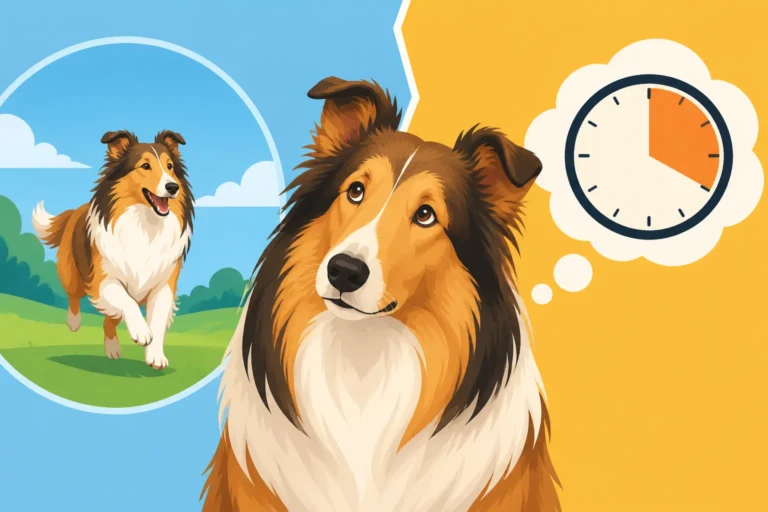
Collies are often described as intelligent, sensitive, and devoted. They form strong bonds with their families and tend to be watchful of their surroundings. These traits can make them excellent farm companions. Their watchful nature means they're often aware of unusual activity, acting as an early warning system for approaching strangers or potential trouble with livestock. They are not typically high-strung, frantic dogs that need constant, intense physical exertion to be content, unlike some other herding breeds. While they do need exercise and mental stimulation, it's often said that Forty Five Minutes a Day, and Half of It in Its Head is a good guideline, suggesting mental engagement is as crucial as physical activity.
However, a farm is a constant sensory buffet. Sights, sounds, and smells abound. A Collie's sensitivity means they can be easily overwhelmed if not properly accustomed to the chaos. A timid Collie might struggle with the sudden appearance of a tractor, the squawking of upset poultry, or the close proximity of large, unpredictable animals. An undersocialized Collie could become fearful or reactive, making them less than ideal around children or visitors to the farm. While a Collie generally Whether a Collie Settles Indoors quite well, a farm environment means their "indoors" might be a haven from a very stimulating and sometimes stressful "outdoors."
Protective Nature and Livestock Guardian Role
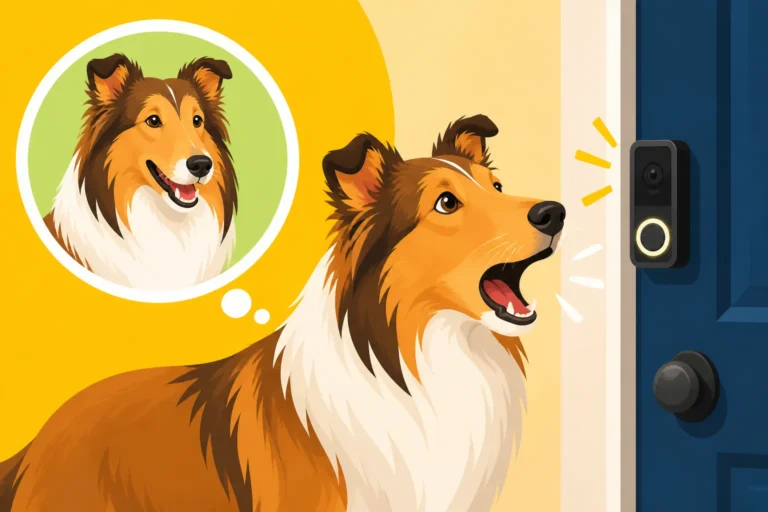
Many Collies possess a natural protectiveness towards their family and their perceived "flock" – which on a farm can include other animals. They make excellent alarm dogs, quick to bark at anything they deem amiss. Whether a Collie Makes a Watchdog is a resounding yes; they will alert you to strangers, unusual noises, or anything out of place. This can be beneficial in deterring casual trespassers or alerting you to a predator.
However, it's critical to distinguish between a "watchdog" and a "livestock guardian dog" (LGD). While a Collie might alert you to a coyote, they are generally not built or instinctively inclined to physically confront a serious threat to livestock in the way a Great Pyrenees or Anatolian Shepherd would. Their protective instinct is more about alarm and subtle deterrents, not brute force. If your farm's primary need is a dedicated LGD, a Collie is not the right choice. They can coexist with livestock, and even be gentle with them, but relying on them for heavy-duty predator defense could lead to tragic consequences for both the Collie and your animals. Their bark can be quite significant, and while useful, The Bark Is the Trait Collie Owners Underestimate might become an issue if your farm is close to neighbors.
Practical Considerations for a Farm Collie's Life
Beyond their inherent instincts, living on a farm presents a unique set of practical challenges and considerations for Collie owners. It's not just about the space; it's about the environment itself.
Grooming Challenges in a Rural Setting
Let's be honest, the magnificent coat of a Rough Collie is a major part of their appeal. But on a farm? It's a magnet for everything outdoors. Burrs, foxtails, mud, dust, straw, manure, and ticks will cling to that luxurious mane, frill, and petticoat like it's their job. Mane, Frill and Petticoat: the Parts of a Collie That Mat are precisely the areas that will pick up the most debris and tangle fastest. What might be a few minutes of brushing in a suburban home can turn into an hour-long archaeological dig for thorns and mud clumps after a single romp on the farm.
If you have a Rough Collie, be prepared for significantly increased grooming demands. Daily, thorough brushing becomes non-negotiable, especially during shedding seasons. A Collie's Coat Is the Bill That Arrives Every Eight Weeks might feel like an understatement when you're battling burrs every single day. You'll need an arsenal of grooming tools, from sturdy slicker brushes to fine-toothed combs, and possibly even a high-velocity dryer to tackle the mud and dampness. If you're not committed to this level of coat care, a Smooth Collie might be a much more practical choice for a farm environment, offering the same wonderful temperament with considerably less grooming hassle.
Space and Containment: Fences and Roaming
A farm certainly offers plenty of space, which sounds ideal for a dog like a Collie. They love to run and explore. However, "space" doesn't automatically equate to "secure." A Collie with a strong herding instinct or prey drive can cover ground quickly. While they are often quite biddable and responsive to their owners, the temptations of a farm environment – a scurrying squirrel, a distant flock of birds, or even the allure of "herding" the neighbor's cattle – can lead them astray.
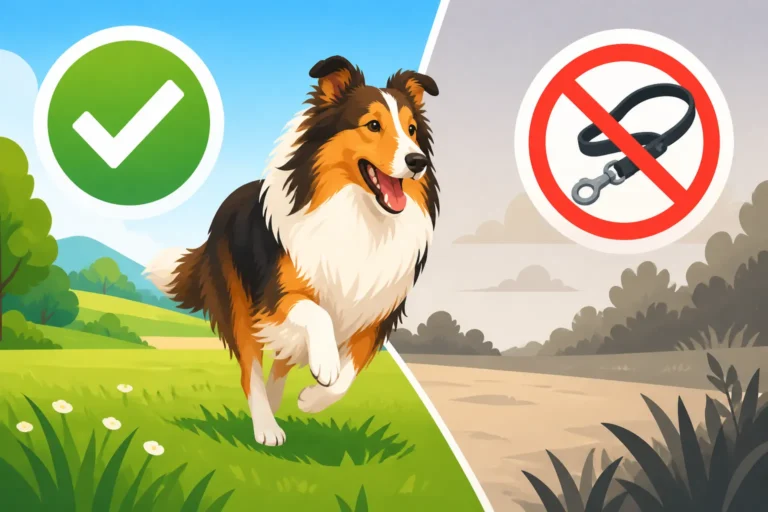
Reliable fencing is absolutely paramount. An invisible fence is rarely sufficient for a determined Collie, especially when there are strong natural temptations. Physical barriers, ideally at least five to six feet high, are essential to keep your Collie safely contained and prevent them from wandering onto roads, into restricted areas, or harassing livestock they're not meant to interact with. How Much Yard a Collie Actually Uses often depends on what's in that yard, and a farm full of interesting smells and movement means they'll want to explore every inch of it. The risk of them Whether a Collie Runs the Fence Line persistently can also be an issue if they see something they want to investigate on the other side.
Health Concerns Specific to a Farm Environment
Farm life, while seemingly idyllic, presents unique health risks for any dog, and Collies are no exception.
- Parasites: Ticks, fleas, and internal parasites are often more prevalent in rural settings. Keeping up with preventatives is crucial.
- Injuries: Farm equipment, barbed wire, falling objects, or interactions with larger animals can lead to serious injuries.
- Toxins: Pesticides, herbicides, fertilizers, engine fluids, and certain farm plants can be highly toxic. You must be vigilant about securing these substances.
- MDR1 Sensitivity: Many Collies carry the MDR1 gene mutation, which makes them highly sensitive to certain common medications, including some dewormers and anesthetics. This is a critical consideration on a farm where exposure to different medications or emergency situations might arise. Whether an MDR1 Collie Can Be Wormed Safely is a very important question, and the answer is that many common wormers are not safe for them. Always have your Collie tested for MDR1, and inform your vet. Assume Your Collie Has the MDR1 Mutation is always the safest approach until proven otherwise.
Regular veterinary care, meticulous supervision, and a well-stocked pet first-aid kit are indispensable for a farm Collie.
Training and Socialization for a Successful Farm Dog
A Collie living on a farm needs more than just space and a good heart; they need intentional, consistent training and extensive socialization to thrive and stay safe. You can't just unleash them and expect them to know the rules of the farm.
Early Exposure and Foundation Training
The first year of a Collie's life, especially, is critical for shaping a well-adjusted farm dog. The First Year With a Collie Puppy on a farm means introducing them carefully and positively to everything they will encounter: the sights and sounds of machinery, the various livestock (from a distance at first), strange smells, and different types of terrain. This early, controlled exposure is called socialization, and it's paramount. Don't throw a tiny puppy into a pen with a grumpy goat and expect success. Gradual, positive introductions are key.
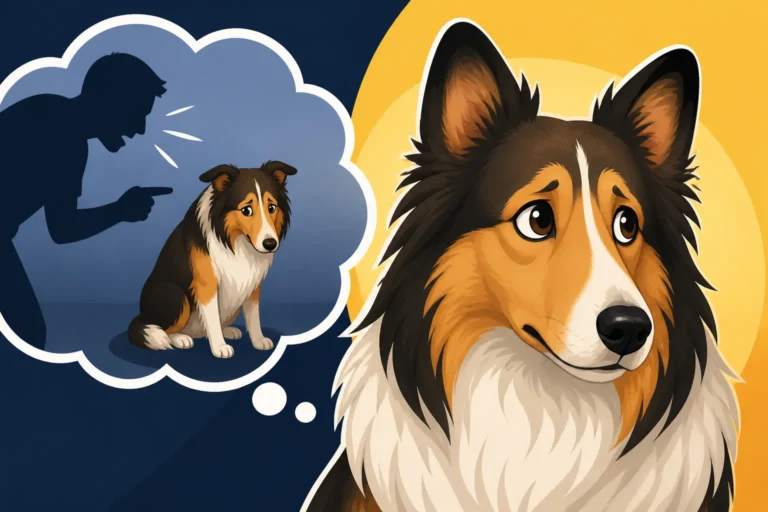
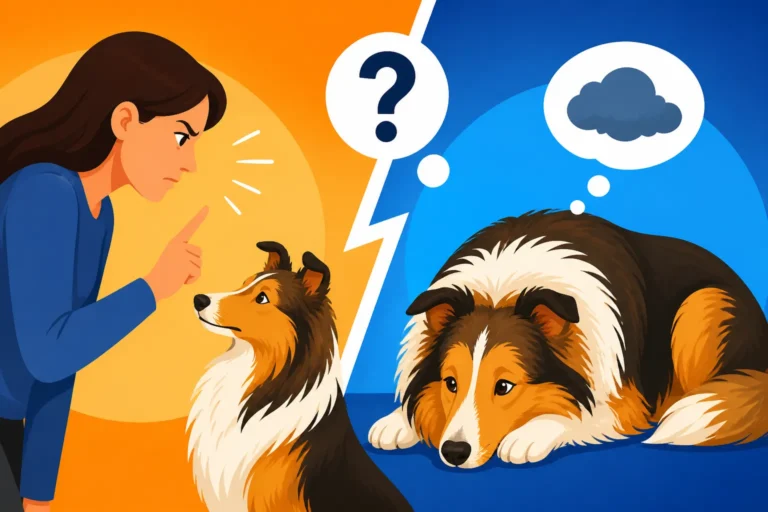
Formal obedience training, starting with basic commands like "sit," "stay," "come," and "leave it," is non-negotiable. These commands are not just tricks; they are lifelines on a busy farm. A strong recall, for instance, could save your Collie from a dangerous situation with machinery or an upset animal. Consider online training programs like BAXTER & Bella, which offer structured curricula that can be incredibly useful for puppy owners, especially those in rural areas where in-person classes might be scarce. This kind of program allows you to work at your own pace and apply lessons directly to your farm environment. Remember, Collies are sensitive souls, and Harsh Handling Breaks a Collie and It Does Not Come Back. Positive reinforcement methods are by far the most effective.
Managing Herding Instincts with Farm Animals
One of the biggest challenges for a farm Collie is managing their instinct around livestock they are not meant to herd.
Table: Collie Interaction with Common Farm Animals
| Farm Animal | Collie's Natural Instinct/Challenge | Training Focus | Potential Outcome (with training) |
|---|---|---|---|
| Chickens | Prey drive, herding (chasing) | "Leave it," "Stay," controlled exposure, reward calm | Coexistence, ignoring poultry, gentle monitoring |
| Sheep | Strong herding drive | Directional cues, "Walk up," "Stop," "That'll do" | Effective working partner, calm presence |
| Goats | Herding (can be stubborn), chasing | Respecting space, "Leave it," firmness, positive associations | Coexistence, gentle nudging, alarm system |
| Cattle | Herding (high risk if untrained) | Distance work, "Out," "Away," only supervised interaction | Observation, respectful distance, alarm system |
| Horses | Curiosity, chasing (dangerous) | "Leave it," respecting space, "Off," no chasing, desensitization | Calm around horses, respecting their presence |
| Cats | Curiosity, playful chase | Early socialization, "Leave it," clear boundaries | Peaceful coexistence, A Collie With Cats, Small Dogs and Livestock can be achieved |
For animals like chickens, where the primary concern is often a combination of prey drive and uncontrolled herding (chasing), strict "leave it" commands and teaching your Collie to be calmly present are essential. This takes time, patience, and consistency. For animals like sheep, if you intend for your Collie to work them, you'll need specialized herding training, often starting with a herding instinct test. Whether a Collie Can Be Taught to Stop Herding is possible, but it requires redirection and consistent instruction, channeling that drive into appropriate outlets or suppressing it with very strong "leave it" cues.
Safety and Emergency Preparedness
Farm life inherently involves more risks than a suburban backyard. It's crucial for your Collie's safety, and your peace of mind, to be prepared for anything.
- Veterinary Access: Know the nearest emergency veterinary clinic, and have their number programmed into your phone. Ensure your vet is aware of your Collie's breed-specific needs, such as MDR1 status. What a Collie Owner Should Carry to an Emergency Visit should include their medical records, especially if they have an MDR1 mutation.
- Secure Storage: Keep all medications, chemicals, and hazardous materials securely stored and out of reach. Even "natural" farm remedies might be toxic to dogs.
- Farm Rules: Establish clear rules for your Collie on the farm. Are they allowed in the barn? Only on leash? Are there zones where they are never allowed unsupervised? Consistency from everyone on the farm is key.
- Identification: A microchip and a sturdy collar with up-to-date ID tags are absolute necessities. On a large property, a GPS tracker can provide invaluable peace of mind. Many options are available on platforms like Amazon.
Integrating a Collie with Specific Farm Animals
The success of a Collie on a farm often hinges on their interactions with the various animals present. It's about understanding natural instincts and shaping them through careful management and training.
Collies and Poultry: Feathers and Frustration
Chickens, ducks, turkeys – poultry are often the biggest challenge for an untrained Collie. Their fluttering, squawking movements trigger a strong prey drive in some dogs, and the herding instinct to "gather" can quickly turn into a chase, which can be fatal for birds. Even a "gentle" herding nip can injure or kill a small bird.
Successful integration requires extensive supervision and training from puppyhood. Your Collie needs to learn that poultry are not toys and not for chasing. This might involve keeping the Collie on a leash in designated poultry areas, practicing "leave it" repeatedly, and rewarding calm, disinterested behavior. Some owners use a "place" command, teaching their Collie to lie quietly on a mat while poultry are nearby. A secure chicken run is also vital to protect the birds when you can't actively supervise. Remember, a single mistake can decimate a flock, and that's a hard lesson to learn.
Collies and Hoofed Stock: Sheep, Goats, and Cattle
This is where the Collie's heritage truly shines, if properly managed. With specific training, Collies can be excellent partners for moving and managing sheep and goats. Their natural "eye" (the intense stare used to control livestock) and quiet working style can be incredibly effective. Whether a Collie Should Try Herding Sheep is a popular question, and for many Collies, it's a fantastic outlet for their instincts.
However, without training, a Collie's attempts to "herd" can stress or injure livestock. They might chase, bark excessively, or nip too hard, especially with flighty animals like goats. With larger, more powerful animals like cattle, an untrained Collie can easily be injured or even killed. A cow or horse can perceive a nipping, barking dog as a threat and react aggressively. Respecting the size and strength of larger livestock is paramount. A good farm Collie learns to keep a respectful distance and only engage when directed. For genuine herding work, finding a reputable trainer who understands the Collie's softer working style is essential. Don't expect your Collie to work like a Border Collie; their methods are distinct.
Collies and Other Canines/Felines on the Farm
Many farms are home to other dogs – perhaps other working breeds, or older, calmer companions. Collies generally get along well with other dogs, especially if socialized from a young age. They are often quite happy to share their space and can even enjoy the company of another canine friend. Whether a Collie Gets On With Other Dogs is typically positive, but individual personalities always play a role. Introducing a new Collie puppy to an established farm dog requires patience and supervision, just like any new family member.
As for cats, A Collie With Cats, Small Dogs and Livestock can absolutely be achieved. Many Collies live peacefully with barn cats. Again, early and positive introductions are key. A Collie puppy who learns from the outset that the resident barn cat is part of the family, and not a plaything or something to chase, is more likely to grow into a dog that respects feline boundaries. However, a cat that consistently bolts and runs will often trigger a chase instinct, so a calm, confident cat is usually the best match. Provide plenty of vertical escape routes for cats if they feel overwhelmed.
In conclusion, a Collie can absolutely live on a farm, and even thrive there, but it's not an automatic fit. It requires a committed owner who understands the breed's unique needs, is prepared for significant training and grooming demands, and is ready to create a safe, structured environment. When done right, a Collie can be an invaluable, loyal, and beloved member of any farm family.
Disclaimer
This article is for general informational purposes only and does not constitute professional advice. Laws, prices and regulations vary by location and change over time. Consult a qualified professional for guidance on your specific situation.