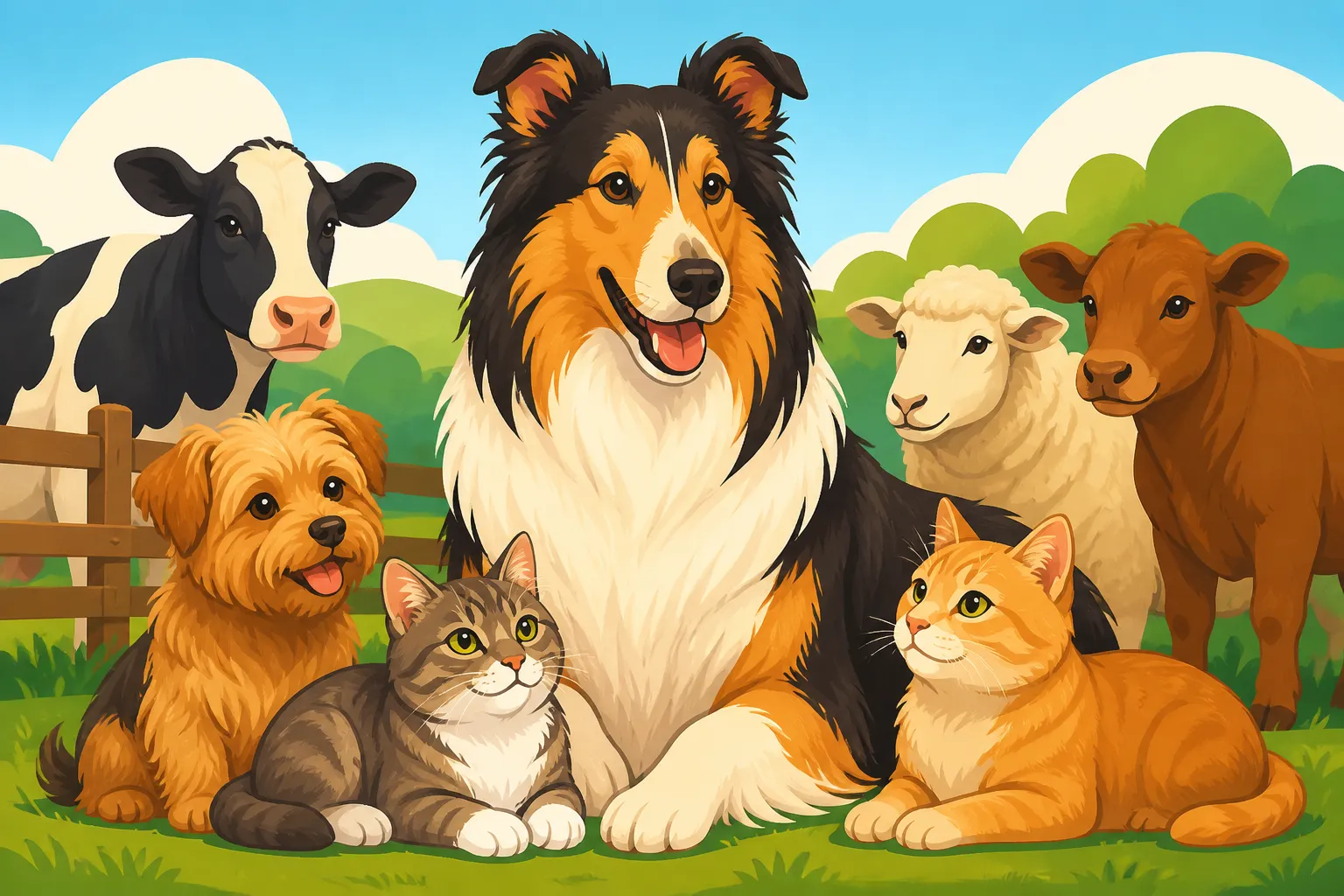
A Collie With Cats, Small Dogs and Livestock
Bringing a new pet into a household that already has furry (or feathered, or hooved) residents can feel like preparing for a diplomatic summit, especially when you’re dealing with a breed as unique as the Collie. Many Collie owners worry about how their intelligent, sensitive herding dog will interact with smaller, more delicate creatures like cats or tiny dogs, or even livestock if they live on a farm. This guide is here to walk you through understanding your Collie’s natural instincts and providing practical, realistic strategies to foster a peaceful coexistence, ensuring everyone, from your grand dame cat to your newest lamb, feels safe and secure.
Understanding the Collie's Herding Instinct
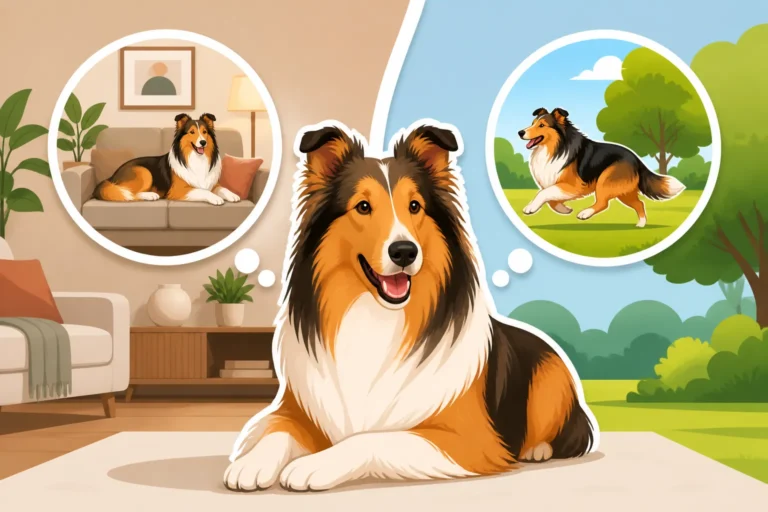
Before we dive into specific introductions, it’s crucial to understand the very core of what makes a Collie, well, a Collie: their herding instinct. This isn’t just a cute quirk; it’s a deeply ingrained behavioral pattern developed over centuries, and it dictates much of how they perceive and interact with other moving creatures.
The Root of the Behavior: A Natural Drive
Collies were originally bred in Scotland to work with sheep and cattle, guiding and gathering them. This job required a specific set of behaviors: observation, circling, gathering, and sometimes a gentle nip to direct stubborn individuals. These instincts are not "bad" or "good"; they simply are. When your Collie intently watches a squirrel, circles your toddler, or tries to "herd" your vacuum cleaner, they aren't being disobedient. They're engaging in hardwired behaviors that once served a vital purpose.
It’s important to remember that even Collies bred primarily for companionship or show still retain these instincts. They might manifest differently – perhaps as a strong desire to keep the family together, or a fascination with moving objects. This drive to gather and control is powerful, and it influences how they react to anything that moves, especially if it moves quickly or unpredictably. This can be a source of stress for owners who don't understand the "why" behind their Collie's actions, leading to frustration when behaviors like nipping at heels emerge. Recognizing this innate drive is the first step in managing it effectively.
Herding vs. Hunting: Key Differences for Other Animals
One of the biggest relief points for new Collie owners, especially those with cats or small pets, is understanding the distinction between herding and hunting instincts. While both involve movement and sometimes a "chase," their ultimate goals are entirely different. A hunting breed typically has a high prey drive, meaning they are driven to catch, kill, and consume. Their chase is often silent, focused, and culminates in a desire to dispatch the perceived prey.
A Collie, by contrast, is a herding dog. Their instinct is to gather and control, not to harm. Their chase is usually accompanied by intense focus, body language meant to direct movement, and often a distinctive "Collie bark" or vocalization. While they might nip at heels (mimicking how they’d move a sheep), this is usually a correctional or directional nip, not one intended to injure. It's a fundamental difference in motivation. This isn't to say a Collie can't harm a small animal, especially if introductions are mishandled or if the small animal panics and triggers an overzealous response. However, their core genetic programming is not to view smaller animals as food. This distinction is vital for setting expectations and designing appropriate integration strategies.
Individual Variation: Not All Collies Are the Same
Just like people, every Collie is an individual. While they share common breed traits, the intensity and manifestation of those traits can vary wildly. Some Collies might have an incredibly strong herding instinct, constantly trying to gather family members or direct household traffic. Others might have a much milder version, content to observe from a distance. A Collie from working lines might be more inclined to "work" everything in sight, while one from show lines might be more focused on human interaction.
Factors like early socialization, genetics, and individual personality all play a role. A Collie puppy raised with cats from a young age might be completely blasé about them, whereas an adult Collie adopted into a home with existing cats might require a much more gradual and cautious introduction. The First Year With a Collie Puppy highlights how formative these early experiences are. It's crucial not to assume your Collie will perfectly fit a generalized breed description. Observe your dog, understand their specific behaviors and reactions, and tailor your approach accordingly. This individualized understanding is key to successful integration into a multi-pet household.
Introducing a Collie to Cats: A Delicate Dance
Bringing a new Collie into a home with cats, or vice-versa, can feel like navigating a minefield. Cats are notoriously independent and often perceive dogs as large, clumsy, and potentially threatening. The Collie's natural instinct to gather and move can easily be misinterpreted by a cat as an aggressive chase.
Assessing Your Collie's Temperament
Before any direct introductions, take time to observe your Collie. What is their general demeanor around other small, fast-moving objects? Do they show intense interest, an immediate chase, or a more relaxed curiosity? If you already have the Collie, try exposing them to cats (safely, from a distance, perhaps through a glass door or at a friend's house) to gauge their initial reaction. Are they wide-eyed and focused, or do they seem indifferent?
Look for signs of high prey drive – an unblinking stare, a low crouch, tail wagging in a stiff, excited manner, or vocalizations that sound like a frustrated whine rather than a friendly "hello." If your Collie shows any strong predatory interest, the integration process will need to be much slower and more controlled. Conversely, if they show mild curiosity, or even a bit of fear or hesitation, it's often a good sign. A timid approach can sometimes be easier to manage than an overly zealous one. Knowing your Collie's baseline temperament will help you prepare for potential challenges and manage your expectations.
Creating a Safe and Controlled Introduction Environment
The key to successful cat-Collie introductions is control and safety for both animals. Rushing this step is a recipe for disaster and can set back progress significantly.
- Scent Swapping First: Before they even see each other, let them get used to each other's scent. Rub a cloth on your cat and place it in your Collie's bed. Do the same with your Collie's scent for your cat. This helps them learn that the new smell is not necessarily a threat, but just another member of the household.
- Visual but Separated: Use a baby gate, an exercise pen, or a crate to allow them to see each other without direct contact. Start with very short, positive sessions. Feed them treats on opposite sides of the barrier. The goal is for them to associate the sight of the other animal with positive things like food or praise. Keep your Collie on a leash during these early encounters, even with a barrier, to ensure you have full control. This prevents any sudden lunges or overly enthusiastic approaches that could terrify the cat. Whether a Collie Chases a Cat That Runs highlights the importance of managing this.
- Cat Escape Routes: Ensure your cat always has multiple ways to escape to a safe, dog-free zone. This could be a high cat tree, a separate room with a cat flap, or shelves they can jump onto. Cats feel much more secure when they know they can get away if they feel threatened. Never force an interaction or corner your cat. Their ability to retreat reduces stress and makes them more likely to tolerate the dog in the long run.
Managing Interactions and Setting Boundaries
Once initial introductions are going smoothly behind barriers, you can gradually move to supervised, leash-on interactions in the same room.
- Leash Control: Keep your Collie on a leash during these initial direct encounters. This gives you immediate control to prevent chasing or overly boisterous behavior. Reward calm behavior from both animals with quiet praise and treats. If your Collie starts to fixate or show signs of herding, gently redirect their attention with a "leave it" command or a favorite toy.
- Respecting Cat Signals: Teach your Collie to respect your cat's body language. If the cat hisses, bats, or runs away, that means "no." Do not let your Collie pursue. Use your leash and calm voice to call your Collie back and praise them for disengaging. Harsh Handling Breaks a Collie and It Does Not Come Back applies here; keep corrections gentle and focused on redirection.
- Separate Spaces and Resources: Even after they seem to get along, always provide separate eating areas, litter boxes, and quiet zones for your cat. This reduces competition and stress. Your cat should have places where they can truly relax without the dog's presence.
- Consistency is Key: Don't let your guard down too soon. Continue to supervise interactions closely, especially when you can't give your full attention. Over time, as trust builds, you can gradually decrease supervision, but always maintain those safe spaces for your cat. A consistent approach will lead to a more harmonious household.
Collies and Small Dogs: Navigating Size and Play Styles
Bringing a Collie, a medium-large, active herding dog, into a home with a tiny Chihuahua or a delicate Papillon requires careful consideration. It’s less about prey drive and more about managing size difference, play styles, and potential for accidental injury.
Recognizing the Collie's Play Style
Collies, especially younger ones, can play with a lot of enthusiasm. Their play style often involves:
- Herding motions: Circling, nudging, and "body checking" to direct movement.
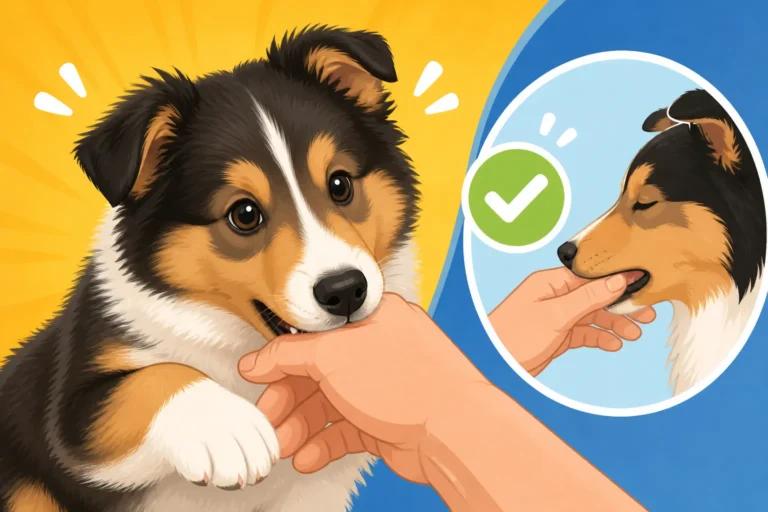
- Mouthiness: While not typically aggressive, they might use their mouths to grab or tug during play, which can be overwhelming or even accidentally harmful to a much smaller dog.
- Bounciness: They can be quite bouncy and agile, covering ground quickly.
- Vocalizations: Many Collies bark during play, which can be intimidating to a smaller, quieter dog.
Imagine a rambunctious pre-teen trying to play tag with a toddler. The pre-teen means no harm, but their size, speed, and energy can easily knock the toddler over or scare them. Understanding this potential mismatch is crucial. A Collie might see a small, fast-moving dog as something to be "rounded up" rather than a playmate of equal footing. Whether a Collie Gets On With Other Dogs expands on general dog-to-dog interactions.
Supervising Play to Prevent Overwhelm
Close supervision is absolutely non-negotiable, particularly in the early stages of their relationship and during play.
- Controlled Environments: Start interactions in a neutral, enclosed space where both dogs feel safe and you have control. Keep the Collie on a leash initially.
- Short, Positive Sessions: Introduce them for very short periods, gradually increasing the duration as they show comfort. End sessions on a positive note before either dog becomes overstimulated or stressed.
- Intervene Early: Watch for signs of stress in the smaller dog (tucked tail, lip licking, yawning, trying to hide) or over-excitement in the Collie (intense focus, persistent circling, mounting, overly rough play). At the first sign of discomfort or inappropriate play, gently separate them. A verbal interrupter or a quick physical separation is usually enough. Remember, you're the benevolent referee.
- Manage Energy Levels: A tired Collie is a good Collie. Ensure your Collie has had plenty of appropriate exercise and mental stimulation before interacting with the smaller dog. This can reduce the likelihood of over-the-top play. Forty Five Minutes a Day, and Half of It in Its Head talks about the importance of mental stimulation.
- Tools for Safety: Consider a body harness and leash for both dogs during early interactions. This gives you better control and prevents neck strain. For tiny dogs, a playpen or crate can offer a safe retreat within the same room. On Amazon, you can find a variety of durable puppy playpens that could work perfectly as a safe zone.
Training for Calm Interactions
Training plays a vital role in teaching your Collie appropriate behavior around smaller dogs.
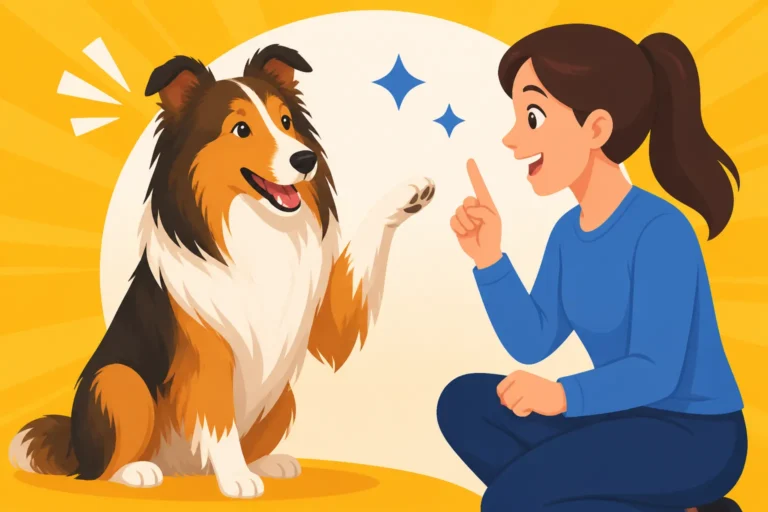
- "Leave It" and "Stay": These commands are invaluable. "Leave It" can redirect your Collie's attention away from the small dog if they become too fixated. "Stay" can keep them in one place while the smaller dog moves around, allowing the little one to feel less threatened. Practice these commands regularly in various environments.
- Recall: A solid recall is your safety net. If things escalate or your Collie gets too rough, a reliable "come" command can instantly defuse the situation. Practice this in an open area with positive reinforcement.
- Reward Calmness: Actively reward your Collie for calm, gentle behavior around the smaller dog. When your Collie lies down quietly while the small dog walks by, or offers a soft nose-nuzzle instead of a boisterous nudge, praise and treat them immediately. This reinforces the behaviors you want to see.
- Enroll in Training: If you're struggling, consider enrolling in a good obedience class or working with a professional trainer. [Consistent Training and Socialization] is always beneficial, and a trainer can provide personalized strategies for your specific dogs and household dynamics. BAXTER & Bella offers online resources that can guide you through training calm behavior and good manners, which can be invaluable when integrating different sized dogs.
Collies and Livestock: The Working Dog Heritage
For those living on farms or properties with livestock, the Collie's heritage presents both an advantage and a challenge. They can be excellent guardians and working partners, but their instinct needs careful shaping and management to ensure the safety of all animals.
Natural Inclination vs. Trained Behavior
It's a common misconception that because Collies are herding dogs, they will automatically know how to interact appropriately with sheep, goats, or chickens. This couldn't be further from the truth. An untrained Collie with livestock is often more of a menace than a help. Their natural inclination is to chase, gather, and sometimes nip, which can stress, injure, or even kill smaller or panicked farm animals.
Raw instinct is not the same as trained, disciplined herding. True working Collies undergo extensive training to learn how to move specific types of livestock gently, to respond to complex commands, and to know when to engage and when to disengage. Without this training, a Collie might see livestock simply as large, slow-moving toys to be chased. This is especially true for Collies from non-working lines, whose instincts might be present but unrefined. It's vital to respect that innate drive while understanding it needs channeling.
Safe Introductions to Farm Animals
Introducing your Collie to livestock requires extreme caution, control, and patience. Safety for the livestock is paramount.
- Secure Fencing: Before any direct interaction, ensure your livestock enclosures are absolutely secure and dog-proof. This means no gaps where a Collie could squeeze through, and fences tall enough to prevent jumping. Double fencing can add an extra layer of security for initial introductions.
- Leash and Long Line Control: Always keep your Collie on a leash or long line when introducing them to livestock. This gives you immediate control to prevent chasing or harassment. Walk them around the perimeter of the livestock enclosure, allowing them to see, smell, and hear the animals from a safe distance. Reward calm observation.
- Supervised, Gradual Exposure: Start with brief, highly supervised sessions. Never leave your Collie unattended with livestock, especially during the initial stages. Gradually increase exposure time as your Collie demonstrates calm and respectful behavior. Focus on teaching your Collie that livestock are not for chasing or playing with.
- Focus on Specific Livestock: Different types of livestock will elicit different reactions. Chickens, with their sudden movements, might trigger a chase more readily than a slow-moving cow. Whether a Collie Is Safe With Chickens addresses this directly. Be aware of these distinctions and adjust your approach accordingly.
- No Direct Access Without Training: Until your Collie is thoroughly trained and you are absolutely confident in their reliability around livestock, they should never have unsupervised, direct access. Even then, consistent reinforcement of boundaries is key.
Managing Instincts Around Livestock
Managing a Collie's herding instinct around livestock is an ongoing process that often requires consistent training and vigilance.
- Professional Herding Training: If your goal is for your Collie to actually work livestock, or even just coexist peacefully, seeking out a professional herding trainer is highly recommended. These trainers understand breed-specific instincts and can guide you through appropriate training methods, teaching your Collie how to channel their drive productively and safely. They can help you discern if your Collie has a natural "working eye" or if their instinct is more recreational. Whether a Collie Still Has Working Instinct is a great resource if you are considering this path.
- Redirection and Alternative Outlets: Provide your Collie with plenty of alternative outlets for their herding drive. This could include dog sports like agility, rally obedience, or scent work, which engage their minds and bodies. Engaging puzzle toys found on Amazon can also provide mental stimulation. A mentally and physically fulfilled Collie is less likely to fixate on the livestock.
- Boundary Training: Teach your Collie clear boundaries around livestock areas. Use commands like "off," "leave it," or "easy" to discourage unwanted attention. Reward them heavily for ignoring the livestock or for moving away from them when asked.
- Constant Supervision and Management: Even with training, a Collie's instincts are powerful. Always be present and attentive when your Collie is around livestock. If you have any doubts about their reliability, err on the side of caution and keep them separated or leashed. It’s better to be safe than to risk injury to your livestock or your dog. This isn't a "set it and forget it" situation; it requires ongoing commitment.
Strategies for Harmonious Multi-Pet Households
Regardless of the mix of animals in your home, creating a harmonious environment with a Collie involves more than just introductions. It's about ongoing management, consistent effort, and understanding the specific needs of all your pets.
Consistent Training and Socialization
This cannot be overstated. A well-trained and well-socialized Collie is a joy to live with, and much more adaptable to various situations, including multi-pet homes.
- Early and Ongoing Socialization: Expose your Collie puppy to a wide variety of sights, sounds, people, and appropriate animals from a young age. This helps them learn to react calmly and confidently rather than with fear or over-excitement. For an adult Collie, socialization might involve careful, controlled introductions with calm, well-behaved animals. How to Build Confidence in a Nervous Collie can provide guidance for shyer dogs.
- Basic Obedience is Non-Negotiable: Commands like "sit," "stay," "come," "leave it," and "down" are your foundation for control and redirection. Practice these commands daily in short, positive sessions. A Collie that reliably responds to commands is much easier to manage around other pets. Consider the online training programs from BAXTER & Bella, which offer structured lessons that can be tailored to a multi-pet environment.
- Positive Reinforcement: Always use positive reinforcement methods (treats, praise, toys) to reward desired behaviors. Collies are intelligent and sensitive; they thrive on encouragement and gentle guidance. Harsh corrections can damage their trust and make them anxious, which can exacerbate problem behaviors. Harsh Handling Breaks a Collie and It Does Not Come Back is a key point to remember here.
- Manage the Environment, Not Just the Dog: Training also involves managing the environment. If your Collie consistently chases the cat in the living room, limit their access to that area until you can work on the behavior. Use gates, leashes, and crates to prevent unwanted interactions until your Collie is reliable.
Providing Ample Mental and Physical Enrichment
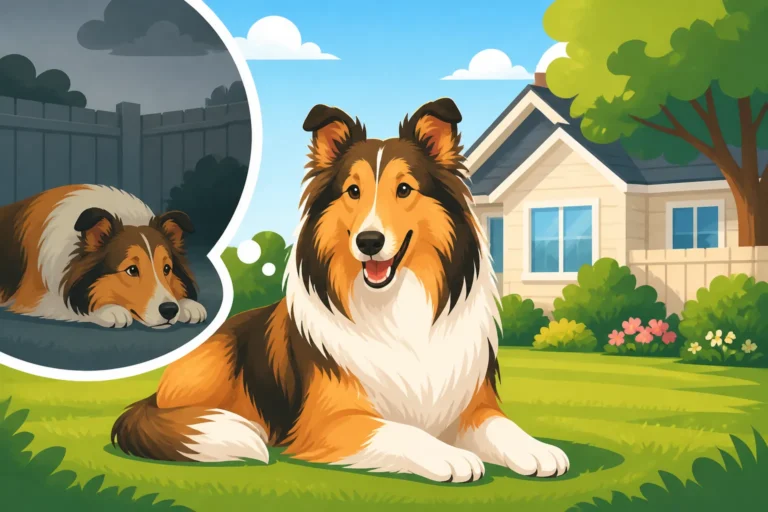
A bored, under-exercised Collie is a restless Collie, and a restless Collie is more likely to create mischief, including harassing other pets. Collies are intelligent and active dogs who need more than just a walk around the block.
- Physical Exercise: Collies need regular physical activity. This doesn't necessarily mean running marathons, but consistent walks, playtime in a securely fenced yard, or engaging in dog sports are crucial. Aim for at least 45-60 minutes of moderate exercise daily. A tired dog is a happy dog, and a dog less likely to be looking for trouble. How Much Exercise a Collie Needs Daily offers more specific details.
- Mental Stimulation: This is where Collies truly shine and where you can channel their intelligence. Puzzle toys, training sessions, scent work, and learning new tricks are excellent ways to engage their minds. Even simple games like "find it" with treats hidden around the house can be incredibly stimulating. A quick search on Amazon reveals a plethora of interactive feeders and puzzle toys that can keep your Collie's brain buzzing.
- Structured Play: Engage your Collie in structured play that fulfills their natural instincts in an appropriate way. A flirt pole can mimic a chase without involving another animal. Playing fetch or hide-and-seek can be mentally and physically draining. This helps to satisfy their drive to move and chase without directing it toward housemates.
- Dedicated One-on-One Time: Even in a multi-pet household, ensure your Collie gets dedicated one-on-one attention from you. This strengthens your bond, reinforces your role as their leader, and ensures their individual needs are met, reducing potential jealousy or attention-seeking behaviors directed at other pets.
Seeking Professional Guidance When Needed
Sometimes, despite your best efforts, things don't go as smoothly as you'd hoped. Don't hesitate to seek professional help. It's not a sign of failure; it's a responsible choice.
- Certified Professional Dog Trainer (CPDT-KA): A CPDT-KA or similarly certified trainer can assess your specific situation, observe the interactions between your pets, and provide tailored strategies. They can teach you effective training techniques and help you understand the nuances of your Collie's behavior.
- Veterinary Behaviorist (Dip ACVB): For more complex or deeply ingrained behavioral issues, such as severe prey drive, aggression, or anxiety, a veterinary behaviorist is the highest level of expertise. These are veterinarians with specialized training in animal behavior, who can diagnose behavioral disorders and prescribe medication if necessary, in conjunction with behavior modification plans.
- Breed-Specific Rescues: If you are adopting a Collie, especially an adult, a breed-specific rescue often has a wealth of knowledge about the breed's temperament and common issues. They might even have foster homes with various other pets, allowing them to assess a dog's suitability for a multi-pet home before adoption. Whether a Rescue Collie Should Be MDR1 Tested First is also an important health consideration for rescue Collies.
Remember, early intervention is often the most effective. Don't wait until problems become entrenched or severe before reaching out for help. A professional can provide an objective perspective and tools to help you create a peaceful home for everyone.
Common Challenges and Troubleshooting
Even with the best intentions and preparations, integrating a Collie into a multi-pet household can present unique challenges. Knowing how to identify and address these issues proactively is key to long-term success.
Dealing with Excessive Herding Behavior
It's one thing for a Collie to occasionally try to 'collect' the kids; it's another when they're constantly bothering your other pets with their herding instincts. This persistent behavior can be incredibly stressful for the targeted animal and disruptive to your home life.
- Identify Triggers: What specifically sets off your Collie's herding drive towards your other pets? Is it when the cat runs? When the small dog barks? When a flock of chickens scatters? Understanding the triggers helps you either avoid them or prepare for them. For example, if the cat running is the trigger, work on teaching the cat not to bolt, and teach the Collie to 'leave it' before the chase even begins.
- Redirection, Not Punishment: When your Collie starts to show intense herding interest, immediately redirect their attention to an appropriate activity. This could be a game of fetch, a puzzle toy, or a short training session. The goal is to interrupt the unwanted behavior and substitute it with a desirable one. Punishment is likely to only suppress the behavior temporarily, or worse, create anxiety around the other pet.
- Physical Barriers and Management: Sometimes, the best solution in the short term is physical separation. Use baby gates to keep your Collie and smaller pets in separate areas of the house when you can't actively supervise. Crate training your Collie can provide a safe space for them and a break for the other animals. This isn't a permanent fix, but it buys you time to work on training in a controlled manner.
- Increase Mental Stimulation: An under-stimulated Collie will often find their own "work," which can unfortunately be herding the household pets. Increase mental enrichment through engaging toys, training games, and scent work. A Collie whose brain is properly engaged often has less energy left for persistent, unwanted herding. Forty Five Minutes a Day, and Half of It in Its Head talks about the need for this.
Addressing Chasing and Nipping
Chasing and nipping, while part of the Collie's herding repertoire, are unacceptable behaviors when directed at household pets. A nip intended for a sheep can seriously injure a cat or small dog.
- Immediate Interruption: As soon as your Collie initiates a chase or a nip, interrupt it immediately and calmly. Use a sharp, clear verbal cue like "Ah-ah!" or "No!" followed by a "leave it" command. If they respond, reward them. If they don't, physically separate them.
- Leash Control Indoors: If chasing is a persistent problem, keep your Collie on a light leash even indoors, especially during times when interactions are likely (e.g., when the cat is active). This allows you to step on the leash or gently guide your Collie away the moment they show interest in chasing.
- Teach a "Gentle" Cue: Practice teaching your Collie to be gentle. For instance, hold a treat in your closed hand and only release it when your Collie nudges it softly rather than pawing or mouthing roughly. Extend this concept to interactions with toys, then eventually to gentle interactions with other pets under strict supervision.
- Work on Impulse Control: Games that teach impulse control, like "stay" before releasing for a meal or "wait" before going through a doorway, can transfer to interactions with other animals. The better your Collie's general impulse control, the easier it will be for them to resist the urge to chase or nip.
- Seek Professional Help for Persistent Problems: If chasing or nipping continues despite your best efforts, or if there's any sign of aggression, do not delay in contacting a professional dog trainer or veterinary behaviorist. These behaviors can quickly escalate and put your other pets at serious risk.
When Integration Isn't Working
Sometimes, despite all the effort, training, and management, a harmonious relationship simply isn't possible. This is a difficult reality to face, but it's important to be realistic for the safety and well-being of all animals involved.
- Re-evaluate the Safety Risk: Is any pet consistently stressed, injured, or living in fear? Are you constantly on edge, worried about what might happen next? If the answer is yes, then the current situation is not sustainable or fair to anyone.
- Long-Term Management Strategies: If direct interaction is too risky, can you manage the situation through permanent separation? This might involve completely separate living areas, schedules, and outdoor access. While not ideal, it can sometimes be a workable solution for dogs and other pets who simply cannot coexist peacefully. This requires significant dedication and changes to your daily routine, but it might be the only way to keep everyone safe.
- Consider Rehoming: This is the most heartbreaking option, and it should absolutely be a last resort. However, if the stress and risk are too high, and permanent separation isn't feasible or humane, then rehoming one of the animals may be the kindest decision for everyone's long-term welfare. A reputable Collie rescue organization can help place your Collie in a home better suited to its needs or with owners experienced in managing multi-pet dynamics. They understand that sometimes a dog's personality simply doesn't mesh with certain other animals, and they work hard to find the right fit. It's an incredibly tough decision, but a responsible one to ensure all pets can live a happy, stress-free life.
Remember, every animal deserves to feel safe and secure in their home. Your role as their caretaker is to ensure that environment for all of them, even if it means making difficult choices.
Disclaimer
This article is for general informational purposes only and does not constitute professional advice. Laws, prices and regulations vary by location and change over time. Consult a qualified professional for guidance on your specific situation.