Why a Collie Follows You From Room to Room
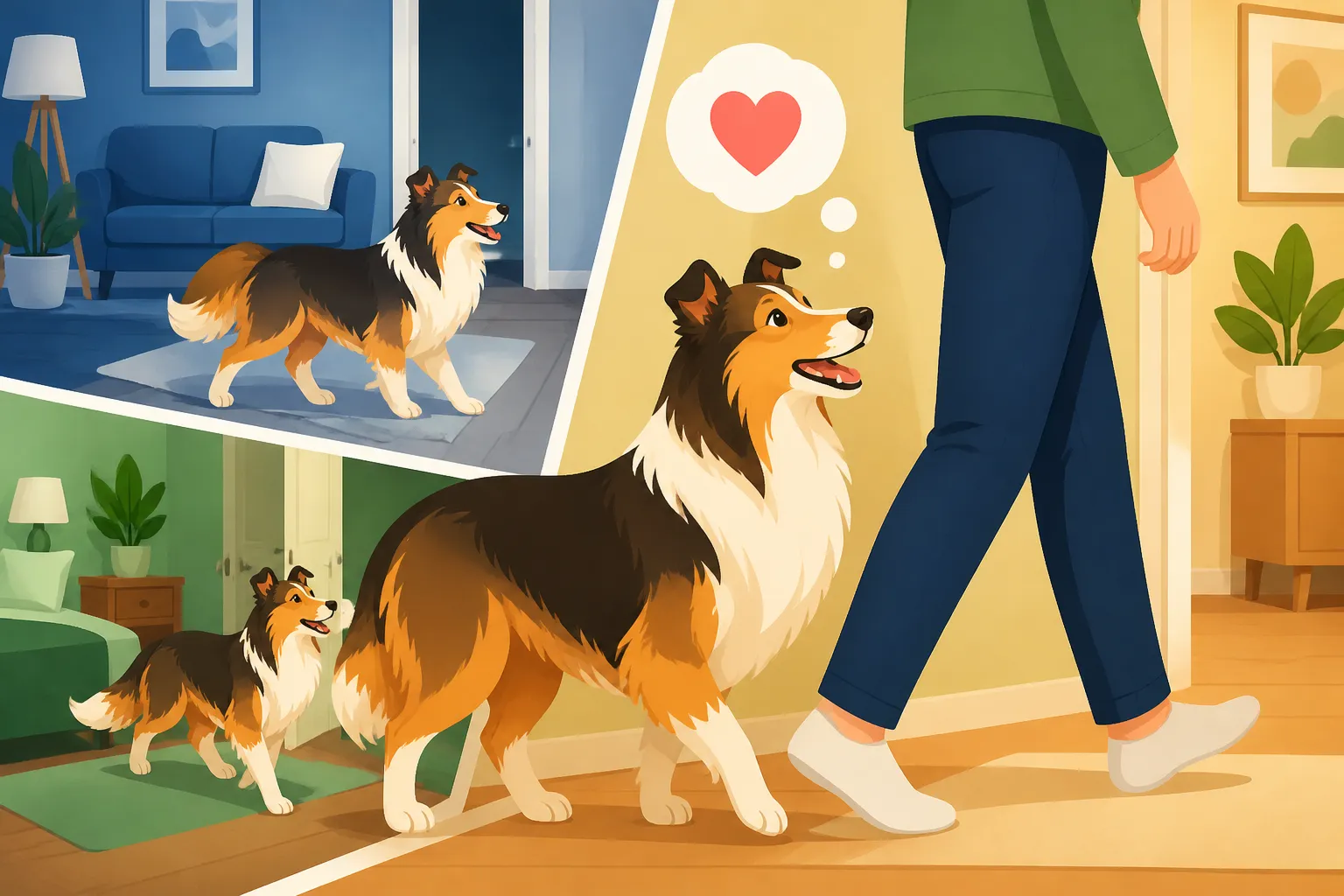
Ever feel like you have an extra shadow, one with fur and a wagging tail, anticipating your every move from the kitchen to the bathroom? You’re not alone. Many Collie owners find themselves constantly accompanied by their devoted companion, a behavior that is both endearing and, at times, a little bewildering. This comprehensive guide will delve deep into the multifaceted reasons behind your Collie's "Velcro dog" tendencies, helping you understand their natural instincts, deep affection, and how to manage this trait effectively.
The Collie's Innate Herding Heart and Its Impact on Following
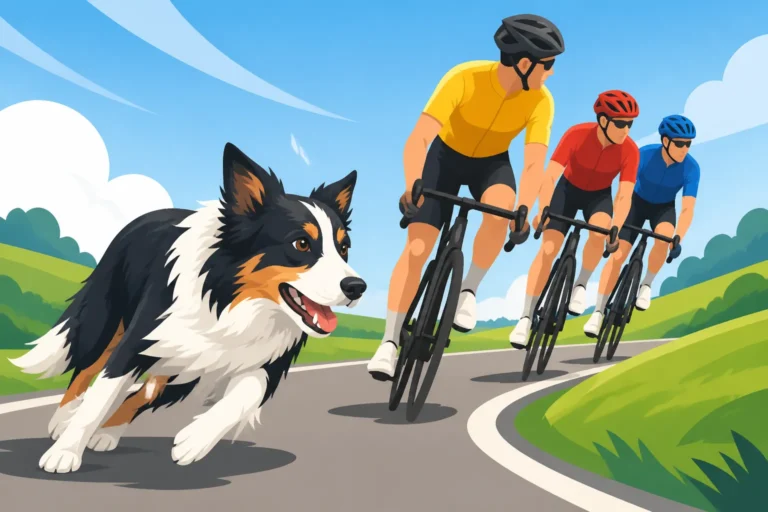
Collies, at their core, are herding dogs. This isn't just a fun fact; it's a fundamental aspect of their being that profoundly influences their behavior, including their tendency to stick close to their human family. Their ancestors were bred for centuries to gather and manage flocks, ensuring their safety and cohesion. That instinct doesn't just vanish because your Collie now lives on a comfy couch instead of a Scottish hillside.
The Instinct to Gather and Keep the Flock Together
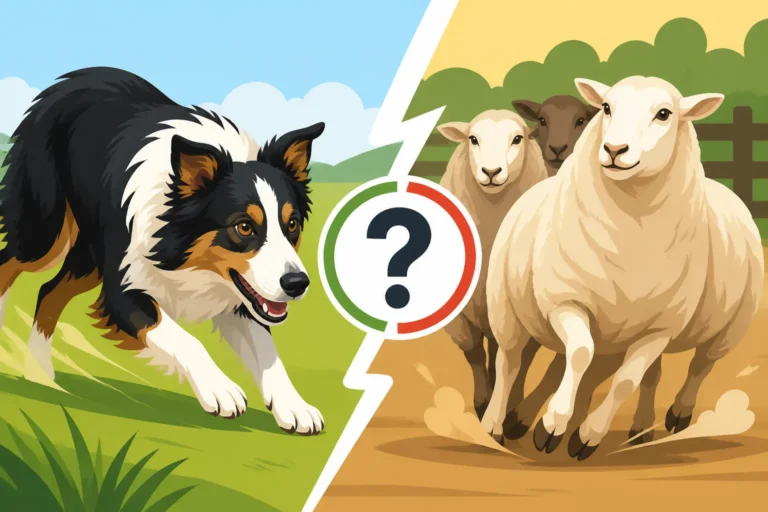
Think of your family as your Collie's personal flock. In the wild, or on a farm, a herding dog's job is to keep all the sheep or cattle moving in the right direction, to prevent strays, and to ensure no one gets left behind or separated from the main group. This drive translates directly into their domestic lives. When you move from one room to another, especially if the family unit is somewhat dispersed, your Collie might instinctively feel the need to "gather" everyone. They observe, they assess, and they subtly (or not so subtly) direct themselves to keep tabs on where each "flock member" is.
This isn't a conscious decision like, "Oh, my human is going to the fridge; I should follow." Instead, it's a deep-seated, almost primal urge. They're constantly monitoring the whereabouts of their most cherished possessions – you! If you get up to grab a cup of coffee, they might interpret that as a potential "stray" from the main group (even if the "main group" is just you sitting on the couch a moment before). Their gentle nudges, their watchful eyes, and their ever-present proximity are all manifestations of this herding instinct at work. It’s a silent conversation that says, "I've got you. We're all together."
The Collie's Vigilance and Sense of Responsibility
Beyond simply gathering, a herding dog is also inherently vigilant. They are the eyes and ears of the flock, constantly scanning for potential threats or changes in the environment. This means they are highly attuned to movement, sound, and even your subtle shifts in mood. When you stand up, they notice. When you walk towards a door, they sense it. Their following isn't just about sticking close; it's also about fulfilling an internal sense of responsibility. They want to be aware of what you're doing, where you're going, and to be ready to act if their "flock" needs them.
This inherent vigilance can manifest as a Collie being quite sensitive to household dynamics and even perceived tension. If there's a sudden noise or an unfamiliar person at the door, your Collie might position themselves between you and the perceived "threat" or simply stick closer for comfort and observation. This protective aspect of their herding nature makes them incredibly devoted companions, but it also explains why they might feel compelled to accompany you on every journey, no matter how short, through your home. It's their way of keeping an eye on things, ensuring all is well within their domain. They truly believe they are helping, even if all you're doing is getting a snack.
The Powerful Bond: Your Collie's Deep Connection to You
While herding instincts play a significant role, the sheer devotion and deep bond Collies form with their human families are equally powerful drivers behind their shadowing behavior. Collies are renowned for their affectionate and sensitive natures, often described as keenly attuned to their owners' emotions and presence.
Collies as Highly Affectionate and People-Oriented Dogs
Collies aren't just intelligent; they are profoundly loving. They thrive on companionship and human interaction. Unlike some breeds that might be more independent, Collies genuinely prefer to be in the same room as their people, or ideally, right next to them. This isn't just about physical proximity; it's about emotional connection. They see their humans as the center of their universe, and being near you is their ultimate form of contentment and security.
This breed often develops an incredibly strong bond, sometimes even to one specific family member, although they are generally affectionate with everyone they consider part of their "pack." If you find your Collie particularly glued to you, it could be a testament to the strength of this unique connection. They want to share your space, your quiet moments, and your daily activities. They might even try to initiate play or lean against you, seeking a gentle pat or just the reassurance of your hand on their fur. It’s their way of expressing love and their desire to be an integral part of your life, moment by moment. Many Collie owners understand that Whether a Collie Bonds to One Person can be quite pronounced, leading to this shadowing behavior.
Seeking Comfort and Emotional Support
Collies are highly perceptive and sensitive creatures. They often pick up on subtle cues from their human companions, including emotional states. If you're feeling a bit down, stressed, or even just quiet, your Collie might instinctively gravitate towards you, offering silent comfort and support. This isn't just following; it's a form of empathetic companionship. They sense a change, and their natural response is to be there for you, offering their presence as a soothing anchor.
Consider a scenario where you've had a tough day and come home feeling a little overwhelmed. Your Collie, sensing your shift in energy, might follow you more closely than usual, perhaps resting their head on your lap or nudging your hand. This isn't about them needing something; it's about them providing support. This emotional intelligence is a hallmark of the breed, and their desire to be close is often rooted in their capacity to provide and receive comfort. It's a beautiful, if sometimes inconvenient, aspect of owning such a sensitive and loving dog. They literally want to be your emotional support animal in every corner of your home.
Seeking Reassurance and Security
Sometimes, your Collie's persistent following isn't just about love or instinct; it's about their own need for reassurance and feeling secure in their environment. Collies can be sensitive souls, and any perceived instability or change can make them seek out their trusted human for comfort.
Response to Environmental Changes or Unfamiliarity
Dogs thrive on routine and predictability. Any alteration to their normal environment or daily schedule can be a source of mild anxiety or uncertainty, prompting them to stick closer to you. Perhaps you've moved furniture, introduced a new pet, or even just had a repair person in the house. These seemingly small changes can disrupt a Collie's sense of normalcy and make them feel a little unsettled. Their response is often to increase their proximity to their most trusted figure – you.
Imagine the post-holiday chaos: decorations coming down, a new sofa arriving, or simply guests leaving after a long stay. Your Collie, who relies on a stable environment, might shadow you more intently, looking for cues that everything is alright. They're seeking your calm presence to confirm that their world is still safe and predictable. It’s a classic stress response in a sensitive dog, showing that they view you as their protector and source of stability. Understanding Whether a Collie Is Sensitive to Household Tension can shed more light on this behavior.
A Lack of Confidence or Fearful Tendencies
While generally confident in familiar surroundings, some Collies can be prone to shyness or a lack of confidence, especially if they haven't been adequately socialized as puppies or have had negative experiences. In such cases, following you everywhere can be a coping mechanism. You represent safety, and being near you makes them feel less vulnerable. This isn't necessarily separation anxiety, but rather a dependence on your presence to navigate their world.
A timid Collie might stick to you like glue when new visitors arrive, or when there are unusual noises outside. They might even follow you into rooms they usually wouldn't venture into alone if they feel insecure. It's important to distinguish this from simple affection; a fearful follower often exhibits other signs of nervousness, such as a tucked tail, flattened ears, or reluctance to engage. In these situations, your role is to gently build their confidence, creating positive associations with different parts of the house and different situations, rather than inadvertently reinforcing their fear by constantly catering to their need for proximity. Resources on How to Build Confidence in a Nervous Collie can be very helpful here.
Curiosity and Information Gathering
Let's be honest: sometimes, your Collie just wants to know what's going on! They are intelligent and inquisitive dogs, and your activities, no matter how mundane, are the most interesting things happening in their world. Following you is their way of staying informed and feeling included.
The Desire to Be Involved in All Activities
Collies are highly intelligent and often want to be actively involved in the life of their family. They don't just want to be spectators; they want to be participants. If you're moving around the house, they figure something interesting must be happening, or at least they want to be prepared in case it is. This is especially true if your movements often lead to something enjoyable for them, like food preparation, going outside, or getting ready for a walk. They've learned that your actions are often precursors to exciting events.
Think about it: when you walk to the kitchen, there's a chance a treat might fall, or dinner might be prepared. If you head to the bedroom, perhaps it's time for quiet cuddles. If you go to the laundry room, maybe you'll grab the leash from the hook. For a Collie, every movement you make is a potential signal, and by following, they ensure they don't miss out on any opportunities. It's their very canine version of FOMO – Fear Of Missing Out. They're just collecting data, keeping their options open, and hoping to be included in whatever adventure comes next, even if that adventure is just you getting a glass of water.
Sensory Exploration and Environmental Awareness
Dogs experience the world primarily through scent, and their sense of hearing is far superior to ours. As you move through your home, you're leaving a trail of fascinating smells and perhaps making sounds that you don't even consciously register. Your Collie is simply following that sensory journey, gathering information about their environment and your activities within it. They might be smelling what you just touched, hearing the subtle creaks of the floorboards, or noticing the change in air currents.
Each room holds its own unique olfactory landscape, and your presence enhances or alters it. For a Collie, moving with you from the living room to the hallway and then to the study is like reading a constantly updating newspaper of scents and sounds. They're curious about the subtle changes, the new smells you might bring in, or the quiet rustle of a magazine you picked up. This isn't just idle curiosity; it's a fundamental way that dogs understand and interact with their world. They are natural detectives, and you are the most intriguing mystery in the house.
Boredom, Understimulation, or Undesirable Habits
Sometimes, the reason your Collie is glued to your side isn't quite as romantic as deep affection or ancient instinct. It might simply be that they're bored, understimulated, or have inadvertently developed a habit of constant following. Collies are intelligent dogs that require mental engagement, and without it, they'll find their own "jobs"—and shadowing you is an easy one.
Lack of Mental or Physical Exercise
Collies are working dogs, bred for stamina and intelligence. They need a significant amount of both physical exercise and mental stimulation to be truly content. If your Collie isn't getting enough opportunities to run, play, or engage their minds with training and puzzles, they can quickly become bored. A bored Collie often looks for ways to occupy themselves, and the easiest "job" readily available might be to stick to their human like glue. Following you provides a low-effort form of engagement, giving them something to focus on and a sense of purpose, however small.
Consider a Collie who's spent most of the day lounging. When you finally get up, that's their cue for action. They haven't had a proper outlet for their energy, so they channel it into observing and following you. This isn't ideal, as it doesn't truly satisfy their needs. Rather than feeling genuinely stimulated, they're merely occupying themselves. This kind of understimulation can lead to other unwanted behaviors, like Whether a Collie Chews When Bored or excessive barking. Ensuring your Collie gets their Forty Five Minutes a Day, and Half of It in Its Head can make a huge difference in reducing this kind of proximity seeking.
Unintentional Reinforcement of Following Behavior
It’s easy to inadvertently reinforce your Collie's following behavior. Every time they follow you and you respond – even with a glance, a gentle pat, or talking to them – you're essentially telling them that following you is a good thing that gets attention. Over time, this can solidify into a deeply ingrained habit. We love our Collies' devotion, so it's natural to acknowledge them when they're near, but this can create a cycle where they learn that constant proximity yields rewards.
Think about how often you might instinctively reach down and give your Collie a quick scratch behind the ears when they appear at your feet as you enter a new room. Or perhaps you talk to them, saying "What's up, shadow?" This positive reinforcement, no matter how small, reinforces the behavior. Without realizing it, we can teach our Collies that being constantly by our side is the best way to get our attention and affection. Breaking this cycle requires conscious effort to reward independence and self-settling, rather than constant following. This doesn't mean ignoring your Collie, but rather choosing when and where to give attention.
When Following Becomes Problematic: Addressing Separation Anxiety
While a certain degree of "shadowing" is normal and often endearing for a Collie, there's a point where it can cross over into a more serious issue: separation anxiety. This isn't just about wanting to be near you; it's about genuine distress when you're not present. Recognizing the difference is crucial for your Collie's well-being.
Distinguishing Healthy Closeness from Anxiety
The line between a devoted companion and a dog suffering from separation anxiety can sometimes feel blurry, but there are key differences. A Collie who simply enjoys being near you will typically settle calmly when you're in the room, and while they might follow you, they won't show intense distress if you leave them for a short period. They might sigh and wait, but they won't panic. Their following is generally quiet, observant, and responsive to your presence.
However, a Collie with separation anxiety will display clear signs of distress when left alone or even when anticipating your departure. This isn't just a preference for company; it's a profound fear of being isolated. The key is to observe their behavior when you are not present or when you are preparing to leave. If their following intensifies into clinginess, frantic efforts to prevent you from leaving, or if you consistently notice destructive behavior or vocalization after you've gone, it's time to consider that something more serious than mere devotion is at play. The article Whether a Collie Gets Separation Anxiety explores this topic in greater detail.
Common Symptoms of Separation Anxiety
Separation anxiety in Collies can manifest in a variety of ways, all indicative of a dog under immense stress. These symptoms are not malicious acts; they are panic responses. One of the most common signs is excessive vocalization – barking, howling, or whining – which often starts shortly after you've left and can continue for extended periods. This isn't just a "hello" bark; it's a distressed plea.
Another tell-tale sign is destructive behavior, often directed at exit points like doors or windows, or at items that smell strongly of you, such as clothing or bedding. Your Collie might attempt to chew through walls or scratch at doors in a frantic effort to reunite with you. Inappropriate urination or defecation, even in a previously house-trained dog, can also occur, specifically when you're gone. These are not acts of defiance; they are involuntary responses to extreme stress. Furthermore, a dog with separation anxiety might try to block your exit, pace frantically, drool excessively, or shake when they sense you're about to leave. If your Collie exhibits a combination of these symptoms when you are absent, it's a strong indicator that you're dealing with genuine anxiety, which requires a targeted approach to address. Understanding How Long a Collie Copes Alone can help you assess their tolerance.
Managing the "Velcro Dog" Tendency
While a Collie's devotion is wonderful, constant shadowing can sometimes be impractical or even indicate an underlying issue. Thankfully, there are many strategies you can employ to gently encourage more independence and create a healthier balance without diminishing your special bond.
Establishing Boundaries and Encouraging Independent Play
One of the most effective ways to manage constant following is to set clear boundaries within your home and actively encourage your Collie to occupy themselves. This doesn't mean being harsh; it means teaching them that it's okay, and even rewarding, to relax in a different room or to engage with their own toys. Start by designating specific "settle spots" for your Collie, perhaps a comfy bed or mat in a room where you spend a lot of time. Use a "place" or "stay" command, and reward them for remaining there while you move short distances, gradually increasing the duration and distance.
Introducing engaging chew toys, puzzle feeders, or long-lasting treats can also be incredibly helpful. If your Collie has something compelling to do on their own, they'll be less inclined to follow your every move. Brands like Kong or West Paw offer excellent options for mental enrichment. You can even find a wide variety of interactive toys and feeders on platforms like Amazon that can keep your Collie happily occupied for periods. The goal is to make self-entertainment a positive and rewarding experience. This teaches them that they don't always need to be by your side to feel secure or engaged.
Providing Ample Mental and Physical Stimulation
Remember that Collies are intelligent working dogs. A significant amount of their "Velcro" behavior can stem from sheer boredom. If their minds and bodies aren't adequately stimulated, they'll seek to fulfill those needs by shadowing you. Therefore, a cornerstone of managing this tendency is to ensure they receive plenty of appropriate outlets for their energy and intelligence. Regular, vigorous exercise is essential – more than just a quick stroll. Think about engaging walks, opportunities to run in a safe, fenced area, or active play sessions.
Beyond physical activity, mental stimulation is paramount. Collies excel at learning and problem-solving. Incorporate daily training sessions, even short ones, to teach new tricks or reinforce known commands. Scent work, where they use their noses to find hidden treats or toys, can be incredibly tiring for their brains. Enroll in an online puppy training program like BAXTER & Bella, which often provides structured activities and games that challenge a dog's mind, building confidence and fostering independence. A mentally and physically tired Collie is a content Collie, much more likely to choose to nap in their own spot rather than hover at your heels. The article Whether a Collie Needs a Job to Be Content further highlights the importance of mental engagement for this breed.
Using Management Tools Strategically
Sometimes, a little strategic management can go a long way in breaking the habit of constant following, especially in the early stages of training independence. Baby gates or exercise pens can be your best friends here. Instead of letting your Collie follow you from room to room, you can use a gate to create a temporary boundary. For instance, if you're going to the bathroom, gently guide your Collie to their bed, give them a small treat or a puzzle toy, and then close the gate. This teaches them that it's okay to be in a different room and that you will return.
This isn't about punishment; it's about gradually desensitizing them to your absence and building their comfort with being alone in a specific area. Make sure the area behind the gate is comfortable, safe, and includes something enjoyable for them to do. Over time, they'll learn to relax in that space, even when you're on the other side. This also prevents them from forming the habit of constant shadow-following, giving them opportunities to practice self-settling. Just remember to always make returns low-key and calm, so as not to unintentionally reward frantic greetings or anxious behavior.
Embracing the Shadow: Enjoying the Closeness
While managing excessive following is important, it's equally vital to appreciate the unique devotion your Collie offers. Their "Velcro dog" tendencies, in a healthy context, are a beautiful testament to the profound bond you share. Finding a balance allows you to enjoy their companionship without it becoming overwhelming.
The Joys of a Devoted Collie Companion
Let's not lose sight of the incredible privilege it is to have a Collie who wants to be close. This breed is known for its loyalty, intelligence, and deep affection. That furry shadow is a constant reminder of the love and trust your dog has placed in you. In a world that can often feel isolating, having a loyal companion who genuinely wants to be by your side can be incredibly comforting. They're excellent listeners, offer silent companionship, and are always there to brighten your day with a wag of a tail or a soft nudge.
This closeness means they are often very in tune with your moods and needs, often seeming to know when you need a quiet presence or a playful distraction. The joy of a devoted Collie is in their unwavering presence and their quiet insistence on being part of your life. It’s a reciprocal relationship where their following often stems from a place of deep love and an intrinsic desire to connect with their most cherished people.
Finding a Healthy Balance Between Proximity and Independence
The trick to a harmonious relationship with a "Velcro Collie" is to find a healthy balance. You want to nurture their affectionate nature and deep bond while also ensuring they have the confidence and ability to be independent when needed. This means actively encouraging moments of self-settling, rewarding calm behavior when they're not directly by your side, and providing them with their own enriching activities.
It's about having designated cuddle times and play sessions, but also periods where they learn to relax in their own space while you go about your day. This might involve setting up a comfortable dog bed in the living room and teaching a "go to mat" command, where they can observe you without being right underfoot. The goal isn't to push them away, but to teach them flexible coping mechanisms, so their happiness isn't solely dependent on your constant physical presence. A Collie who understands that you'll always return, and who has been given the tools to self-soothe and entertain themselves, is a truly secure and happy companion, whether they're by your side or enjoying a moment of quiet solitude in another room.
| Reason Your Collie Follows You | Underlying Need/Motivation | Healthy Manifestation | Potential Problem Sign |
|---|---|---|---|
| Herding Instinct | To keep the "flock" (family) together, protect | Observant, positions themselves within sight | Nipping heels, circling excessively |
| Deep Bond/Affection | Love, companionship, emotional connection | Calmly follows, seeks gentle physical contact | Intense clinginess, fear of being separated |
| Reassurance/Security | Sense of safety, stability, comfort | Stays near during new situations, settles quickly | Excessive anxiety, shaking, panting in new situations |
| Curiosity/Involvement | Desire to participate, gather information | Observes activities, interested in household events | Overly pushy, trying to get into everything |
| Boredom/Understimulation | Need for mental/physical engagement, purpose | Mildly follows, easily redirected to toys | Pacing, destructive chewing, excessive vocalization |
| Separation Anxiety | Fear of isolation, distress at being alone | (Not applicable – this is a problem, not healthy) | Panicked vocalization, destruction, house-soiling |
Disclaimer
This article is for general informational purposes only and does not constitute professional advice. Laws, prices and regulations vary by location and change over time. Consult a qualified professional for guidance on your specific situation.