Whether a Collie Gets Separation Anxiety
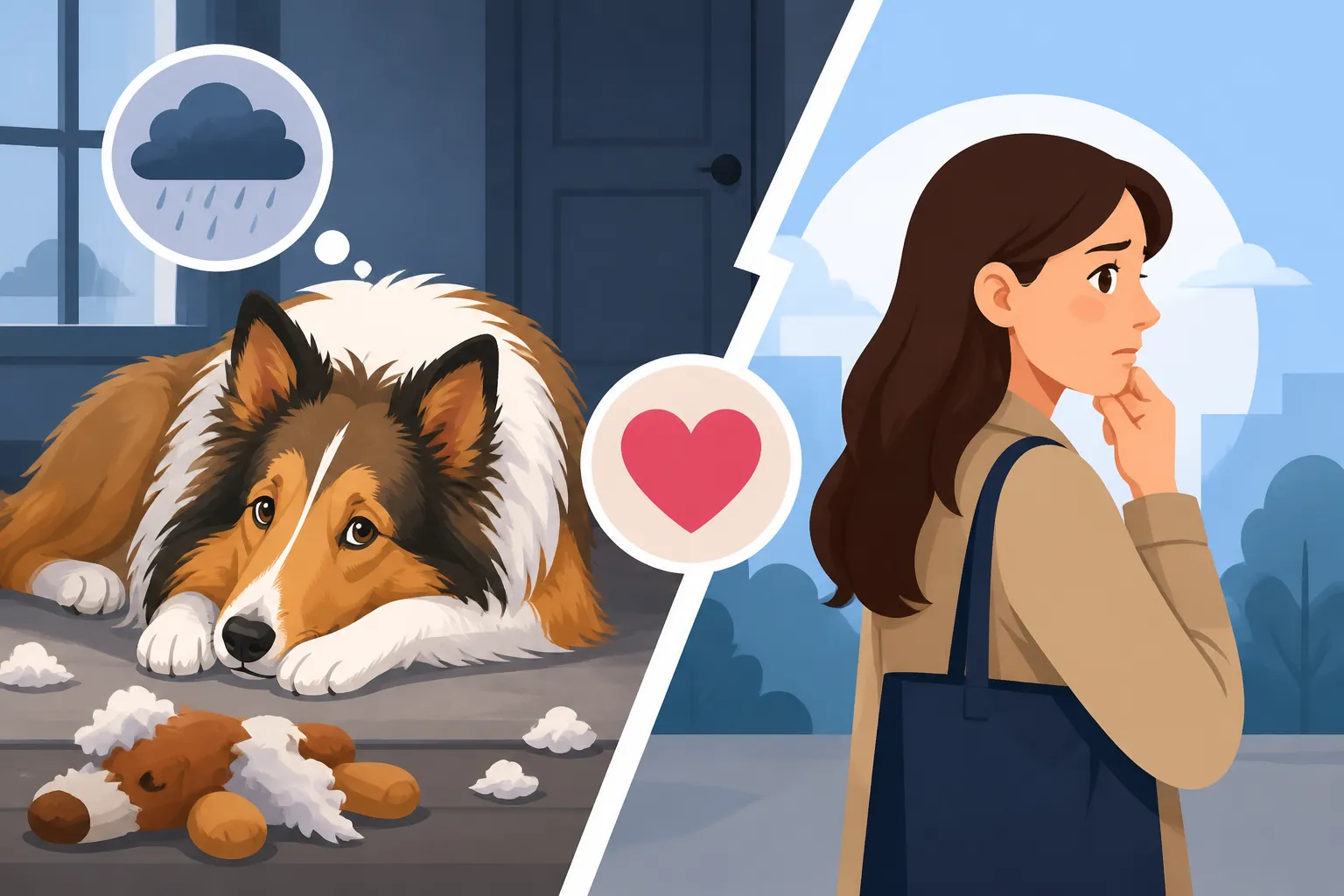
It's a common, heartbreaking worry for any Collie owner: that gentle, devoted shadow who follows you from room to room suddenly turning into a distressed mess the moment you step out the door. The idea of your beloved companion suffering while you're away can be truly agonizing, and many of us wonder if Collies, with their strong bonds and sensitive natures, are particularly prone to separation anxiety. This guide will delve deep into understanding separation anxiety in Collies, how to recognize its signs, and most importantly, how to help your furry family member feel safe and secure when you can't be by their side.
Understanding Separation Anxiety in Collies
Collies are renowned for their intelligence, loyalty, and their deep desire to be close to their human families. They are, after all, herding dogs, bred to work closely with people, to pay attention, and to respond to direction. This innate connection is one of the many reasons we adore them, but it can also make them more susceptible to feelings of distress when left alone. It's not about being clingy; it's about a genuine sense of panic that their primary caregiver is gone and might not return.
For a Collie, their world revolves around their family. They thrive on interaction, routine, and knowing their place within the "flock," so to speak. When that structure is suddenly removed, and they find themselves isolated, it can trigger a primal fear of abandonment. This isn't just a dog "acting out" or being naughty; it's a true anxiety disorder that causes significant emotional pain and stress for your Collie. Their behavior is a manifestation of that internal turmoil.
It's important to differentiate this deep-seated anxiety from simple boredom or a lack of manners. A bored Collie might chew on a slipper, but a Collie experiencing separation anxiety might try to chew through a door frame, frantically attempting to reunite with their person. The intensity and context of the behavior are key to understanding what's truly happening. We'll explore these nuances to help you pinpoint if your Collie is indeed struggling with separation anxiety.
What Makes Collies Potentially Susceptible?
Our Collies, both rough and smooth varieties, carry a history of close partnership with humans. They were bred to be vigilant, to think, and to react in cooperation with their shepherds, often over long, solitary days on the moors. This strong working relationship meant they developed a keen awareness of their human's presence and intentions. When you consider this genetic blueprint, it's easier to see why some Collies might struggle when that human connection is abruptly severed.
Their sensitive and intelligent nature also plays a role. Collies are known for being highly attuned to their owners' emotions and routines. They pick up on subtle cues, and a sudden deviation from their expected social structure can be unsettling. If their human leaves without the usual reassuring rituals, or if the departure signals a long, uncertain period of isolation, a sensitive Collie can quickly escalate from mild unease to full-blown panic. This isn't a fault in their character; it's an inherent part of what makes them such wonderful companions.
Furthermore, a Collie's early experiences can heavily influence their likelihood of developing separation anxiety. Puppies who are not gradually acclimated to being left alone, or those who experience significant stress during their formative months, may be more predisposed. A rescue Collie, for instance, might come with an unknown history that includes abandonment, making them particularly vulnerable to this type of anxiety. Understanding this background is crucial in providing empathetic and effective support. How a Rescue Collie Learns to Trust can offer valuable insights here.
Common Signs of Separation Anxiety in Collies
Recognizing the signs of separation anxiety is the first crucial step in helping your Collie. These behaviors don't typically happen when you're home; they manifest specifically when the dog is left alone or when the owner is about to depart. It can be incredibly frustrating to come home to a chaotic house, but remembering that these actions stem from distress, not spite, is vital.
The behaviors can range in severity and type, but they all point back to the same core issue: panic at being left alone. Owners often discover these behaviors through neighbor complaints, returning to damaged property, or, increasingly, through home surveillance cameras. These cameras have been a game-changer for many owners, finally allowing them to see the raw anxiety their Collies experience when they're not there.
It's a distressing discovery, whether you find tell-tale puddles on the floor or shredded furniture. But remember, your Collie isn't trying to punish you; they are literally beside themselves with worry. Their actions are desperate attempts to cope or escape their perceived abandonment.
Destructive Chewing and Digging
One of the most visible and frustrating signs of separation anxiety is destructive behavior, particularly chewing and digging, focused around exit points. Your Collie might target doorframes, windowsills, or even dig at the carpet or flooring near the door you used to leave. This isn't random chewing; it's often a frantic attempt to break free and find you.
Imagine coming home to find the bottom of your back door gnawed to splinters or the trim around your living room window deeply scored. This level of destruction goes far beyond what a bored dog might do to a chew toy. The damage can be extensive and costly, and it’s a clear indicator of extreme distress. It's their desperate plea to be reunited. Whether a Collie Chews When Bored might touch on some similar behaviors, but the underlying motivation is different when anxiety is involved.
Sometimes, Collies might also direct their destructive energy towards personal items of their owner, such as clothing, shoes, or blankets left on the bed. While this can seem like misbehavior, it's often a desperate attempt to find comfort in something that smells strongly of their absent person. They might not chew it to pieces, but rather "worry" it, holding it in their mouth for long periods or moving it to a den-like space.
Excessive Vocalization
Another common and often disruptive symptom is excessive vocalization. If your neighbors are complaining about constant barking, howling, or whining the moment you leave, that's a huge red flag for separation anxiety. This isn't just a few alert barks; it's persistent, often high-pitched, vocalizing that can last for hours.
A Collie's bark can be quite loud, and their vocalizations are a primary way they express distress. When they feel abandoned, they might howl like a wolf calling its pack, or bark incessantly in a frantic, almost panic-stricken tone. This can be particularly tough for owners who live in apartments or close-knit neighborhoods, as the noise can lead to serious issues with neighbors. Whether a Collie Barks While You Are Out addresses this directly, highlighting a common problem for Collie families.
Some Collies might also whine continuously, a low, mournful sound that speaks volumes about their unhappiness. Again, if you've set up a camera, you'll see that this vocalization often begins within minutes of your departure and may only subside when you return, sometimes picking up again as they anticipate your arrival home. This relentless noise is a clear cry for help.
House Soiling
Discovering urine or feces inside the house, especially when your Collie is reliably house-trained, is another strong indicator of separation anxiety. This isn't a deliberate act of defiance; it's an involuntary physical manifestation of extreme stress and fear. When a dog is truly panicked, their bodily functions can go awry.
You might find accidents in unusual places, not just by the door. Some anxious Collies might eliminate in their crate (if they are crate trained but experiencing anxiety in the crate), or even in areas where they normally sleep. This is particularly telling because dogs are naturally clean animals and generally avoid soiling their sleeping areas unless under immense stress.
It’s crucial to rule out medical issues or inadequate potty breaks first. If your Collie has had a recent vet check and is getting plenty of opportunities to relieve themselves outdoors, then house soiling when alone strongly suggests anxiety. It’s a messy symptom, no doubt, but one that speaks volumes about their internal state. How Long House Training a Collie Puppy Takes is a good resource if you're concerned about general house training, but remember to consider anxiety for regressions.
Other Stress Behaviors
Beyond the most common signs, Collies with separation anxiety can exhibit a range of other distress behaviors. Pacing, for instance, is a classic one. They might walk a frantic path around the house, often creating worn tracks on carpets or floors, unable to settle. They might pant excessively, even in a cool room, or drool far more than usual.
Some Collies might become intensely focused on your departure rituals, starting to pace, pant, or whine the moment they see you pick up your keys or put on your shoes. They are anticipating the anxiety to come. Others might try to block your exit, standing in the doorway, or becoming extra clingy just before you leave.
Less common but still possible behaviors include self-mutilation, such as excessive licking or chewing at their paws or tail to the point of causing injury. This is a coping mechanism, an attempt to self-soothe through the overwhelming stress. All these behaviors, when occurring exclusively or predominantly when left alone, paint a clear picture of an animal struggling with separation anxiety.
| Behavior Type | Common Signs in Collies | Potential Severity | When It Occurs |
|---|---|---|---|
| Destructive Chewing | Gnawing on door frames, windowsills, digging at carpet near exits, destroying owner's items | Moderate to Severe | When left alone; often focused on exit points |
| Excessive Vocalization | Persistent barking, howling, whining | Moderate to Severe | Starts shortly after owner leaves; can last hours |
| House Soiling | Urinating or defecating indoors, especially if house-trained | Moderate | When left alone; not due to lack of potty breaks |
| Pacing/Restlessness | Constant movement, inability to settle, frantic circling | Mild to Moderate | When left alone; often observed on cameras |
| Escaping Attempts | Trying to break out of crate, yard, or house | Severe | When left alone; can lead to injury |
| Excessive Drooling/Panting | Noticeable drooling or rapid, shallow breathing | Mild to Moderate | When left alone; a physiological stress response |
| Pre-departure Anxiety | Clinginess, panting, trembling as owner prepares to leave | Mild | As owner completes departure rituals |
Distinguishing True Separation Anxiety from Other Issues
It’s easy to jump to conclusions when you come home to a mess or a neighbor complains about barking. But it’s really important to distinguish true separation anxiety from other behavioral issues that might present similarly. Misdiagnosing the problem means you'll apply the wrong solution, and neither you nor your Collie will find relief.
A truly anxious Collie is suffering from a panic disorder, whereas a bored Collie is merely under-stimulated and a poorly trained one might not understand boundaries. The nuances can be subtle, but understanding the root cause is paramount to effective intervention. So, before you start treatment for separation anxiety, let's explore what else might be going on.
This investigative step is critical. Just like a doctor wouldn't treat a cough without knowing if it's allergies or pneumonia, we shouldn't treat destructive behavior without knowing if it's anxiety or just puppy antics. The First Year With a Collie Puppy will cover many normal developmental stages and challenges that could be mistaken for something more serious.
Boredom and Lack of Exercise
Many Collies, being intelligent and active herding dogs, can become destructive or vocal simply because they're bored or haven't had enough physical and mental exercise. A Collie that has spent all day cooped up without stimulation, might chew on furniture, not because they're panicking, but because they have pent-up energy and need an outlet.
Think about it: a Collie needs more than just a quick run around the yard. They need engaging activities, walks where they can sniff and explore, and mental challenges like puzzle toys or training sessions. If you're leaving a Collie for long stretches without adequate preparation, they might find their own (unwelcome) entertainment. Ensure your Collie is getting sufficient activity, perhaps two good walks a day and some dedicated playtime, before assuming anxiety is the culprit. Forty Five Minutes a Day, and Half of It in Its Head talks about exactly this need for mental and physical stimulation.
Leaving a variety of engaging toys, especially food-dispensing puzzle toys, can make a huge difference for a bored Collie. You can find many excellent options on Amazon, designed to keep intelligent dogs occupied for extended periods. If providing more enrichment and exercise significantly reduces the "symptoms" when you're away, then you might just have a bored dog, not an anxious one.
Incomplete Potty Training or Medical Issues
If your Collie is having accidents indoors while you're gone, the first step should always be to rule out incomplete potty training or underlying medical conditions. Especially with puppies or newly adopted dogs, house training might not be fully solidified. A puppy simply might not be able to hold it for an entire workday.
For an adult Collie, a sudden onset of house soiling could indicate a urinary tract infection, Bladder Stones in a Collie, or other health issues. A visit to the vet is always recommended to get a clean bill of health before attributing house soiling to behavior alone. Once medical causes are ruled out and you're confident in their training, then you can look at anxiety.
If your Collie is perfectly clean when you're home, even if you don't take them out for hours, but consistently soils when you leave, that's a stronger indicator of anxiety. But always go through the process of elimination: vet check, then training review, then behavior.
Normal Puppy Behavior
Puppies, by nature, are a whirlwind of energy, curiosity, and undeveloped self-control. Chewing, occasional accidents, and vocalizations are all part of normal puppyhood. A young Collie puppy, for example, will chew on everything as they explore their world and teething occurs. They also have tiny bladders and haven't fully learned how to hold it for extended periods.
It's common for puppies to cry or whine when left alone, as they are social animals learning independence. This isn't necessarily separation anxiety unless it persists intensely beyond a reasonable adjustment period (usually a few weeks) and is accompanied by other severe distress signs. Crate training can be very helpful for puppies, providing a safe den, but it needs to be introduced positively to avoid creating more anxiety. Crate Training a Collie Puppy offers advice on this.
Distinguishing normal puppy antics from genuine anxiety means looking at the intensity, duration, and context. If your Collie is past puppyhood and these behaviors suddenly appear or escalate dramatically, that's when you lean towards considering anxiety. However, for a young pup, patient training and management are usually the answer first.
Strategies for Preventing and Managing Separation Anxiety
The good news is that separation anxiety, while challenging, is manageable with the right approach. It requires patience, consistency, and often, a multi-faceted strategy. The goal isn't to make your Collie not care about you, but to teach them that your departures are temporary and that they can feel safe and comfortable in your absence.
Think of it as building their confidence muscle when you're not around. It's a gradual process, not a quick fix, and it often involves tiny steps forward. Remember, an anxious Collie is in genuine distress, so punishment will only make the problem worse, increasing their fear and potentially damaging your bond.
This journey might feel long, but seeing your Collie learn to cope and relax when alone is incredibly rewarding. It provides them with a much better quality of life and brings peace of mind to you. Don't be afraid to seek professional guidance if you feel overwhelmed, as a certified professional can tailor a plan specifically for your Collie's needs.
Building Independence Early On
Preventing separation anxiety starts from day one, especially with a Collie puppy. Instead of inadvertently fostering over-reliance, actively teach your puppy to be comfortable alone, even when you're home. This means encouraging independent play, making their crate a happy, safe space, and gradually increasing the time they spend out of your direct presence.
Start with very short separations. Put your Collie in their comfortable, distraction-free space (like a crate or puppy-proofed room) with a high-value chew or puzzle toy from Amazon, and step out of sight for just a minute or two. Return before they show signs of distress. As they get comfortable with this, slowly increase the duration. The key is to make every solo experience a positive one.
Avoid making a big fuss when you leave or return. Exaggerated goodbyes and ecstatic hellos can unintentionally heighten the emotional impact of your departures and arrivals, reinforcing the idea that your leaving is a major event. Aim for calm, casual transitions. Companies like BAXTER & Bella offer online puppy programs that often include valuable advice on building independence right from the start.
Desensitization and Counter-Conditioning
For a Collie already struggling with separation anxiety, the core of treatment lies in desensitization and counter-conditioning. Desensitization means gradually exposing your Collie to their triggers (like you picking up your keys) without the associated fear. Counter-conditioning means changing their emotional response to those triggers from fear to something positive.
Start by identifying your Collie's pre-departure cues. Do they get anxious when you put on your shoes? Jingle your keys? Pick up your purse? Practice these actions repeatedly throughout the day without actually leaving. Do it ten times, twenty times, until your Collie barely reacts. You're essentially "desensitizing" them to the power of these cues.
Then, introduce counter-conditioning. Pair those once-feared cues with something wonderful. For example, pick up your keys, then immediately give your Collie a super-delicious treat. Repeat. The goal is for them to associate your departure cues with good things, rather than panic. This helps to reframe their emotional experience.
Environmental Enrichment and Calming Aids
While addressing the root cause through training is paramount, supporting your Collie with environmental enrichment and calming aids can make a significant difference. A dog that is physically and mentally exhausted is less likely to have the energy for a full-blown panic attack.
Ensure your Collie gets ample exercise before you leave. A long walk, some fetch, or a stimulating training session can help them feel more relaxed and ready for a nap. Puzzle toys filled with delicious treats (again, Amazon has a huge variety) can keep their minds occupied for a good chunk of time after you depart. These aren't just for boredom; they provide a positive distraction.
Consider calming aids. These can include pheromone diffusers or collars, like those from Adaptil, or certain supplements designed to reduce anxiety. Some Collies also benefit from a Thundershirt or similar compression wrap, which can provide a sense of security. Always consult your vet before introducing any supplements to ensure they are appropriate for your individual Collie.
Seeking Professional Help
If your Collie's separation anxiety is severe, or if you're feeling overwhelmed and unsure how to proceed, please don't hesitate to seek professional help. This isn't a sign of failure; it's a responsible choice to give your Collie the best chance at recovery. A certified professional dog trainer specializing in behavior, or a veterinary behaviorist, can be an invaluable resource.
These professionals can accurately diagnose the severity of the anxiety, rule out other issues, and develop a customized treatment plan. This might include a detailed schedule of desensitization exercises, specific management strategies, and in some cases, medication to help reduce the intensity of the anxiety. Just like humans sometimes need medication to manage anxiety, some dogs do too, especially in the initial stages of treatment.
A professional can observe your Collie's behavior (often via video recordings you provide) and guide you through the process, offering insights and adjustments as needed. Remember, you're not alone in this struggle. Many Collie owners face this challenge, and with dedication and expert guidance, most dogs can learn to cope much better with being left alone. How a Collie Learns From Watching Another Dog or Whether an Undersocialized Collie Can Be Fixed might hint at the complexity of dog behavior, underscoring the value of professional help.
Disclaimer
This article is for general informational purposes only and does not constitute professional advice. Laws, prices and regulations vary by location and change over time. Consult a qualified professional for guidance on your specific situation.