How Long House Training a Collie Puppy Takes
Bringing a brand-new Collie puppy home is one of life's greatest joys, but it also comes with its fair share of anxieties, especially when you're staring down the barrel of house training. It can feel like an endless cycle of cleaning up puddles and questioning if you're doing something wrong, leaving you utterly exhausted and sometimes a little discouraged. This guide is here to provide you with a realistic roadmap, sharing practical tips and setting honest expectations for how long you can truly expect it to take to house train your clever, but sometimes stubborn, Collie puppy.
Setting Realistic Expectations for Your Collie Puppy's Potty Training Journey
Let's be honest, the internet is full of claims about puppies being fully house trained in a week or two, and while those stories are lovely, they aren't always the norm, especially with a breed as thoughtful (and sometimes particular) as a Collie. Your Collie puppy isn't a robot; they're an individual with their own learning pace, unique bladder control development, and personality. It’s absolutely vital to go into this process with patience, understanding that it's a marathon, not a sprint, and that setbacks are just part of the journey, not a sign of failure on your or your puppy's part.
For most Collie puppies, you can expect the core house training period to last anywhere from 2 to 4 months, starting from the moment they arrive in your home. This doesn't mean they'll be perfectly reliable by then, but that they'll have a strong grasp of where to go and when they need to go. Full, unwavering reliability, especially in new environments or during stressful situations, might take a bit longer, perhaps up to six months or even a year for some pups. Factors like how young they are when you get them, their previous experiences (or lack thereof), and how consistently you stick to a routine will all play a huge role in this timeline. Don't compare your Collie to your neighbor's Labrador; every dog is different!
Understanding the Factors That Influence the Timeline
Several things can either speed up or slow down your Collie's house training progress. Firstly, a puppy’s age directly correlates with their physical ability to hold it. A tiny 8-week-old pup simply doesn't have the same bladder control as a 16-week-old. Their little bodies are still developing, and you can't expect them to hold it for hours on end, no matter how much you wish they could. We'll talk about appropriate intervals in a moment, but remember that a young puppy's internal clock is very short.
Secondly, a puppy's past experiences are huge. If your Collie puppy came from a clean environment where they were introduced to potty training early by their breeder, they might pick it up faster. Conversely, if they spent time in a less-than-ideal situation, like a crowded kennel or pet store where they had no choice but to soil their living space, they might have a harder time understanding the concept of "holding it" and going outside. This isn't their fault, and it just means you'll need an extra dose of empathy and consistent guidance to help them unlearn those habits. Also, if you're bringing home a rescue Collie, whether a puppy or older dog, their previous circumstances can greatly impact how quickly they settle into a new routine. It's important to remember that trust and comfort play a big role in a dog feeling secure enough to learn and perform.
Lastly, your consistency is arguably the most significant factor. Puppies thrive on routine and predictability. If you're haphazard with potty breaks, sometimes taking them out every hour, sometimes every four, your puppy will struggle to understand the pattern. Consistency isn't just about taking them out; it's also about supervising them inside, recognizing their pre-potty signals, and celebrating their successes with enthusiasm. Think of it like teaching a child to read; if you only teach them letters sometimes, and sometimes words, and sometimes just tell them to figure it out, they won't learn as quickly or confidently.
The Cornerstone of Success: Consistency and Schedule
When it comes to house training a Collie puppy, consistency isn't just a buzzword; it's the entire foundation upon which success is built. Collies are intelligent and observant, which means they'll quickly pick up on patterns, good or bad, that you establish. A solid, predictable schedule for potty breaks, feeding, and play is your greatest tool, helping your puppy anticipate when it's time to go outside and preventing accidents indoors before they even happen. This routine helps build their confidence and allows them to understand what's expected of them.
Crate Training as a Potty Training Ally
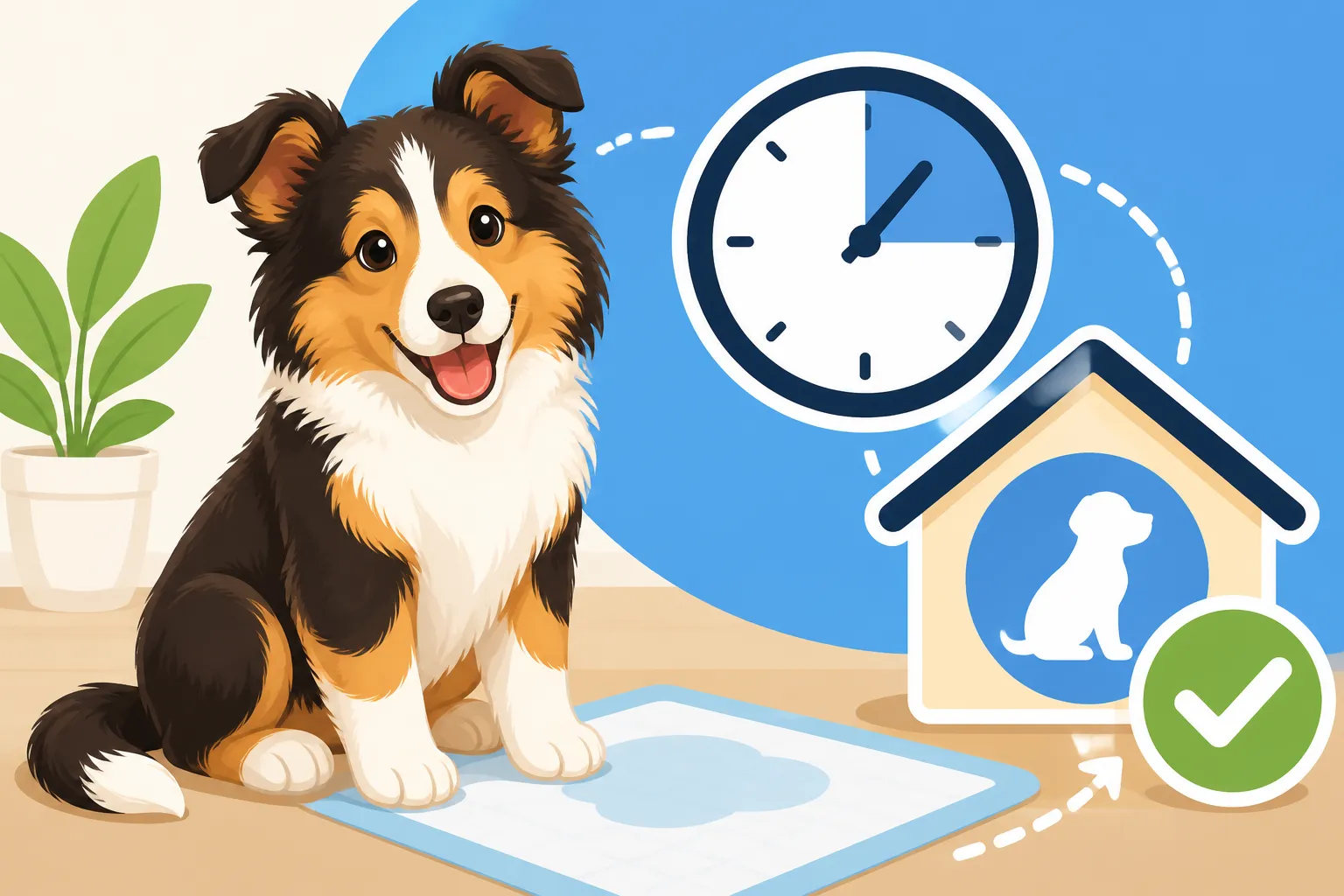
One of the most effective tools for house training, particularly with a Collie puppy, is a crate. Crate Training a Collie Puppy is not about punishment; it's about providing a safe, den-like space where your puppy feels secure and, naturally, doesn't want to soil their sleeping area. Most dogs have an innate desire to keep their den clean, which you can leverage for house training. The crate should be just large enough for your puppy to stand up, turn around, and lie down comfortably. If it’s too big, they might use one end as a bathroom and the other as a bed, defeating the purpose.
When your puppy is in their crate, they're learning to hold their bladder for increasing periods. The key is to take them out of the crate and directly to their designated potty spot outside immediately. Don't let them wander through the house first, or they might have an accident on the way. The crate is an invaluable management tool for those times you can't actively supervise your puppy, like when you're cooking dinner, showering, or simply need a few minutes of peace without a keen eye on your furry friend. When it's time to get a crate, you can find a good selection on platforms like Amazon, often with dividers that allow you to adjust the size as your puppy grows.
Crafting a Consistent Potty Schedule
Your daily schedule is the literal backbone of successful house training. Collies thrive on routine, and knowing when their next potty break is coming will prevent many accidents. Here’s a basic framework for a puppy potty schedule, which you'll need to adapt based on your specific puppy's age and needs:
| Time of Day | Activity | Notes |
|---|---|---|
| Morning | Wake up, immediate potty break outside | Carry your puppy if necessary to avoid accidents on the way. |
| Feeding | Feed breakfast | Choose a consistent feeding time. |
| Post-Meal | 10-15 minutes after eating, immediate potty break | Digestion stimulates bowel movements. |
| Play/Training | Playtime, short training session | Active play can also stimulate the need to go. |
| Every Hour | Potty break | For young puppies (under 4 months), take them out frequently, even if they don't seem to need it. |
| Naps | Wake up from nap, immediate potty break | Puppies often need to go right after waking. |
| Evening | Dinner, post-meal potty break | Similar to breakfast routine. |
| Pre-Bedtime | Last potty break of the night | Right before crating for the night. |
| Overnight | One or two scheduled potty breaks (for young puppies) | Gradually extend the time overnight as your puppy gains bladder control. |
Always take your puppy out after waking up, after eating or drinking, after playing, and before going into their crate for an extended period or bedtime. When they do their business outside, shower them with praise, a happy voice, and maybe a small, high-value treat. What Motivates a Collie can help you understand what kind of rewards your individual pup finds most irresistible. Positive reinforcement makes them associate going potty outside with good things, reinforcing the desired behavior. If you punish them for accidents, they might learn to hide their accidents from you, which is the last thing you want!
Troubleshooting Common House Training Hurdles with Your Collie
Even with the best intentions and the most consistent schedule, house training a Collie puppy isn't always a straight line. There will be frustrating moments, unexpected puddles, and times you feel like you're taking two steps back for every one forward. This is completely normal! The key is to understand why these hurdles happen and how to address them effectively, rather than getting discouraged. Remember, your Collie puppy is still learning the rules of a very big, confusing world.
Dealing with Accidents Indoors
Accidents happen, period. When they do, the most important thing is to manage your reaction. Yelling, scolding, or rubbing your puppy's nose in it (an outdated and ineffective method) will only teach your Collie to fear you or to hide their accidents. Your clever Collie will quickly learn that going potty around you is dangerous, leading them to sneak off to a quiet corner of the house to do their business, making it much harder for you to catch them in the act and redirect them. How Long a Collie Remembers a Bad Session might shed some light on why harsh handling is never the answer.
Instead, if you catch your puppy in the act, calmly interrupt them with a gentle clap or "outside!" and immediately scoop them up (if small enough) and take them to their designated potty spot. If they finish outside, lavish them with praise. If you find an accident after the fact, simply clean it up thoroughly using an enzymatic cleaner. These cleaners break down the odor molecules that can attract your puppy back to the same spot. Ordinary household cleaners might seem to remove the smell to you, but your dog's sensitive nose can still detect it, marking it as a suitable toilet area. Keep a good supply of these cleaners on hand; you can easily find them on Amazon or at any pet supply store.
Understanding and Addressing Potty Training Regression
Sometimes, a puppy who was doing great suddenly starts having accidents again. This can be incredibly disheartening, but it's often a normal part of development. "Regression" can happen for several reasons. It might coincide with a growth spurt, meaning their bladder control isn't quite keeping up with their expanding body, or perhaps they're entering an adolescent phase where they test boundaries (though this is more common later on). Sometimes, a change in routine, even a subtle one, can throw them off.
Medical issues can also cause sudden regression, so if your puppy suddenly starts having frequent accidents, especially if they seem to be straining, drinking excessively, or showing other symptoms, a vet visit is always a good idea to rule out things like a urinary tract infection. Once medical causes are excluded, regression usually means you need to go back to basics. Increase the frequency of potty breaks, enhance supervision, and reinforce positive behaviors with extra enthusiasm. It’s like revisiting the fundamentals to solidify the foundation.
Overcoming Outdoor Distractions
Collies are curious, intelligent dogs, and the great outdoors is a symphony of fascinating smells, sounds, and sights. For a young puppy, going outside can feel less like a mission to potty and more like an exciting adventure park. This can lead to them getting distracted, sniffing every blade of grass, chasing a leaf, or trying to greet a neighbor, only to come back inside and immediately have an accident. It's a classic puppy move!
To combat this, make potty breaks strictly business, at least initially. Take your Collie puppy to the same designated potty spot every time. Use a consistent phrase like "Go potty!" or "Do your business!" (whatever you choose, stick with it). Keep them on a leash, even in a fenced yard, to keep them focused and prevent them from wandering off. Stand still and be boring – no playing or interacting until they've done their business. The moment they finish, praise them profusely, offer a high-value treat, and then you can engage in a short play session or continue your walk. This teaches them that "potty first, then fun." Whether a Collie Is Easy to House Train can be a nuanced question, and managing these distractions is a big part of it.
Beyond the Basics: Advanced Tips and Long-Term Habits
Once your Collie puppy has the basic concept of house training down, it's time to solidify those good habits and prepare for long-term success. This phase involves refining their understanding, teaching them to signal their needs more clearly, and maintaining the consistency that got you here in the first place. This is where your dedicated effort really pays off in creating a reliably house-trained companion.
Teaching Your Collie to Signal Their Needs
A truly house-trained Collie won't just hold it; they'll communicate to you when they need to go out. Early on, this might be subtle: sniffing around, circling, or suddenly walking towards the door. As they get older, you can teach them more explicit signals. One popular method is bell training. Hang a set of bells on the doorknob leading to their potty area. Every time you take your puppy out, gently guide their paw to hit the bells, then immediately open the door and go outside. When they potty, praise and treat. They'll quickly associate ringing the bells with going out.
Another signal could simply be a sustained stare at the door, or a soft bark. Pay close attention to your Collie's body language. They are always communicating, and the more you observe, the better you'll become at anticipating their needs. Rewarding these early signals strengthens them, making your life and your Collie’s much easier. Programs like BAXTER & Bella offer structured guides for various training aspects, including communication, which can be invaluable for refining these signals.
Maintaining Vigilance and Preventing Relapses
Even after your Collie seems fully house trained, vigilance is still important. Life happens: changes in schedule, new environments, or even just exciting visitors can sometimes lead to a temporary lapse. Always be mindful of their last potty break, especially before car rides, vet visits, or trips to unfamiliar places. When you visit friends or family, treat your Collie like they're still in training for the first few hours – take them out frequently and keep a close eye on them. New smells and layouts can confuse even the best-trained dog.
It's also crucial to remember that a Collie's bladder control improves with age, but they're not fully mature until closer to The Age a Collie Finally Settles, which can be around two or three years old. Until then, continue to be proactive, even if you’ve extended the time between breaks. Just because they can hold it for five hours doesn't mean they should if you're home and able to take them out sooner. Regular, consistent potty breaks contribute to their overall health and comfort.
The Importance of Continued Enrichment
While not directly a potty training tip, providing your intelligent Collie with plenty of mental and physical enrichment helps overall behavior, including house training. A bored or under-exercised puppy is more likely to develop undesirable behaviors, and sometimes, accidents can be a sign of stress or insufficient attention. Ensure your Collie is getting enough appropriate exercise and mental stimulation. Engaging their minds with puzzle toys, short training sessions, and interactive play keeps them happy and less likely to have "oopsie" moments out of boredom or anxiety. Collies are bright and love to learn; How Many Cues a Collie Can Learn will show you just how much they enjoy mental challenges!
The journey of house training a Collie puppy requires a generous helping of patience, a dash of humor, and unwavering consistency. It's a phase that will pass, and the bond you build through this foundational training will last a lifetime.
Disclaimer
This article is for general informational purposes only and does not constitute professional advice. Laws, prices and regulations vary by location and change over time. Consult a qualified professional for guidance on your specific situation.