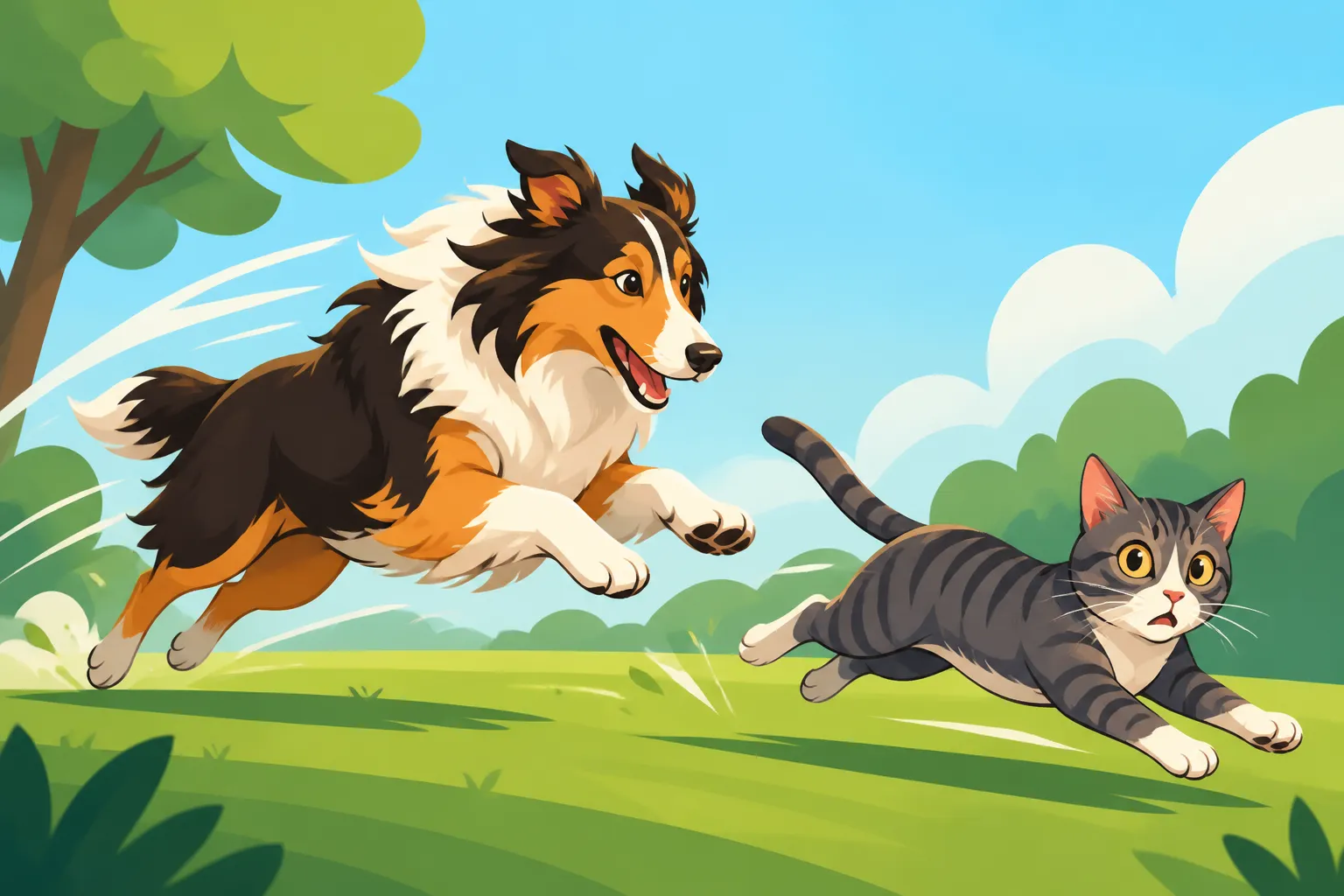
Whether a Collie Chases a Cat That Runs
It’s a common scenario that pops up in conversations among Collie owners and hopeful future owners: you adore your intelligent, loyal Collie, but you also have a beloved feline friend, or perhaps you're considering adding a cat to your home. The worry often starts when you imagine your elegant, long-nosed Collie, a natural-born herder, seeing your nimble cat dart across the living room. Will it be a playful chase, a harmless nudge, or something more concerning? This guide aims to shed light on how Collies interact with cats, especially those with a penchant for running, and equip you with practical strategies to foster a harmonious multi-pet household.
Understanding the Collie's Deep-Seated Herding Instinct
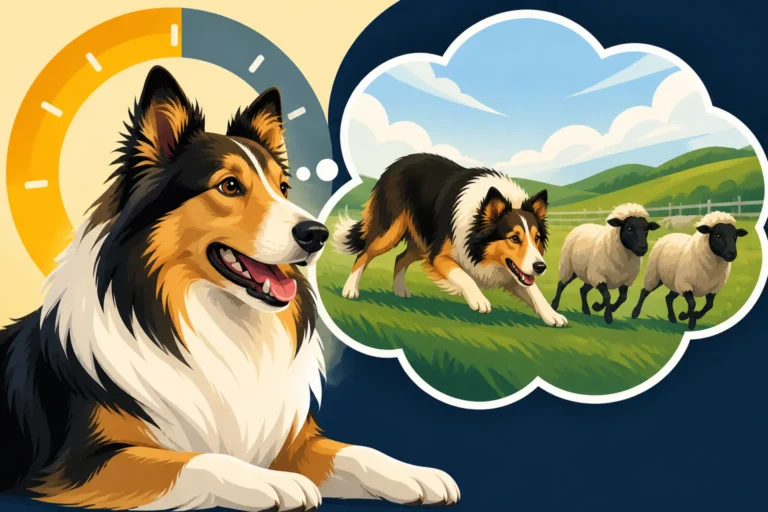
Collies, both Rough and Smooth varieties, carry a strong legacy from their ancestors, who were primarily bred to gather and move livestock across the Scottish Highlands. This isn't just a quaint historical fact; it's etched into their very being, influencing their behavior in countless ways, even in a modern suburban home. When you see your Collie intently watching a squirrel, or gently nudging your children away from the street, you're witnessing generations of selective breeding at play. This instinct is powerful, and it’s crucial to understand how it differs from a simple predatory drive when considering their interactions with smaller, faster animals like cats. It’s not about hunger or aggression; it's about control, movement, and keeping the "flock" together.
This innate drive means that the sight of something moving quickly and erratically often triggers a deep-seated response in a Collie. They might crouch, stare intently, circle, or even attempt to "head off" the moving object, much like they would a stray sheep. It's a natural inclination, and while it might look alarming to a cat owner, it rarely comes from a place of malice. Instead, it's their brain saying, "That thing is moving, and I need to manage it!" The frustration for owners often stems from this disconnect: we see a dog chasing a cat, and we instantly worry about harm, while the Collie might simply be trying to perform its ancient job in a new, inappropriate context.
The Difference Between Herding and Predation
It's absolutely vital for Collie owners to distinguish between herding behavior and true predatory behavior. While both involve a chase, the underlying motivation and outcome are vastly different. A predatory chase is typically silent, intense, and aims to catch, injure, and consume. You'd see a low crawl, a focused stalk, perhaps a snap or bite, and an intent to incapacitate. This is a survival instinct, driven by hunger.
Herding, on the other hand, is a series of behaviors designed to control movement without harming the "stock." A herding Collie might run, bark, circle, and even nip at heels, but the intent is usually to direct or gather, not to kill. They want to move the object, not destroy it. Often, a Collie's herding chase of a cat looks more like a playful, if intense, game of tag. The Collie might stop once the cat stops, or if the cat finds a high perch, because its job (moving the "stock") has effectively been completed or thwarted. Understanding this distinction can alleviate a lot of anxiety, though it doesn't mean you can ignore the behavior entirely. The risk is less about lethal intent and more about stress for the cat or accidental injury.
Why a Running Cat Triggers the Instinct So Powerfully
The sight of a cat bolting across a room is, for a Collie, like ringing a dinner bell for their instinctual brain. Cats are masters of sudden, darting movements, often triggered by playful energy, startling sounds, or simply a desire to get from point A to point B as quickly as possible. This rapid, unpredictable motion is precisely what a herding dog is wired to respond to. It mimics the sudden break of a lamb from the flock or the quick turn of a stubborn ewe.
A stationary cat, or one moving slowly and purposefully, is far less likely to activate the herding sequence. It's the speed and the perceived "escape" that ignite the Collie's drive. This isn't a fault of the cat, nor is it necessarily a fault of the dog; it's a clash of natural behaviors. The cat is being a cat, and the Collie is trying to be a Collie. This dynamic can be incredibly frustrating for owners who want peace in their homes. You can't ask a cat not to run, and you can't ask a Collie not to have instincts. The key lies in management and redirection, creating an environment where both can thrive without constantly triggering each other's inherent behaviors.
Managing the Collie-Cat Dynamic in Your Home
Creating a peaceful home where Collies and cats coexist requires thoughtful planning and consistent effort. It's not about eradicating instincts, but about channeling them appropriately and providing a safe, stress-free environment for both species. Think of it as setting up clear boundaries and offering alternative, acceptable outlets for your Collie's natural drives. This proactive approach will save you countless headaches and ensure the well-being of both your furry family members.
Creating Safe Spaces for Your Cat
One of the most effective strategies for managing a Collie's herding instinct around a cat is to give your cat abundant "escape routes" and safe zones. Cats are arboreal by nature, meaning they feel much safer when they can get up high, away from potential threats on the ground. This isn't just about avoiding a chase; it's about reducing your cat's overall stress levels. A cat that feels constantly threatened is a stressed cat, which can lead to behavioral issues and even health problems.
Consider installing cat trees that reach the ceiling, shelves, or even cat superhighways on your walls. These provide vertical territory where your cat can observe the world from a safe vantage point without feeling cornered. Investing in sturdy, multi-level cat trees from online retailers like Amazon can make a huge difference. Additionally, utilize baby gates or pet doors that allow only the cat access to certain rooms, like the laundry room, a spare bedroom, or even just the bathroom where their food and litter box might be. This creates canine-free sanctuaries where your cat can eat, sleep, and use the litter box without interruption or fear. It gives them autonomy and peace of mind, knowing they always have a safe retreat. How a Collie Treats a Cat delves further into fostering positive interspecies relationships.
Training and Redirection for Your Collie
Positive reinforcement training is your best friend when teaching your Collie appropriate behavior around cats. You want to teach your Collie that calm behavior around the cat leads to good things, and that chasing the cat is never rewarding. Start by teaching a solid "leave it" command. This command is invaluable for interrupting your Collie's gaze or initial crouch before a chase even begins. Practice it with toys, then gradually introduce the cat, always on a leash or behind a barrier, to ensure control.
A strong recall is equally important. If your Collie starts to fixate or move towards the cat, a reliable "come" can quickly redirect their attention away from the feline. Always reward successful redirection with high-value treats or an engaging toy. Puzzle feeders, available on Amazon, can also be a fantastic way to redirect mental energy and provide enrichment, taking their mind off potential "herding projects."
Consider enrolling in a structured online training program, like those offered by BAXTER & Bella, which focus on positive reinforcement and building a strong foundation of obedience. These programs can guide you through teaching cues like "settle," "place," and "look at me," which are incredibly useful for managing your Collie's attention and energy around other pets. The goal is to teach your Collie that you are the most interesting thing in the room, and that ignoring the cat (especially when it runs) is what earns them praise and rewards. This helps redirect that powerful herding brain towards acceptable, human-directed tasks.
Supervised Introductions and Controlled Interactions
When bringing a new cat or Collie into a home where the other already resides, or simply trying to integrate existing pets, supervised introductions are non-negotiable. This is not a "throw them in and see what happens" situation. Slow, controlled interactions are key to preventing negative experiences that can be incredibly difficult to undo.
Start with scent swapping – exchanging blankets or toys so each animal can get used to the other's smell. Then, move to visual contact through a barrier, like a baby gate, where they can see each other without direct interaction. Keep these sessions short, positive, and always supervise them. Reward both the Collie for calm behavior and the cat for not reacting negatively. During direct interactions, keep your Collie on a leash, especially during the initial stages. This allows you to physically interrupt any chase attempts and prevents your Collie from rehearsing unwanted behaviors. Over time, as both pets show signs of comfort and appropriate behavior, you can gradually increase their unsupervised time together, but never rush this process. It can take weeks, even months, for a truly harmonious relationship to form. Patience is a virtue here, and consistency is paramount. You might also want to consult The First Year With a Collie Puppy for general guidance on early training and socialization.
Recognizing Warning Signs and When to Seek Help
While many Collie-cat dynamics can be managed with patience and training, it's important to recognize when things might be escalating beyond benign herding. Not all "chasing" is the same, and an owner's ability to interpret their Collie's body language is critical. There's a fine line between a boisterous herding game and behavior that indicates genuine stress for the cat or potential aggression from the Collie. Ignoring these signs can lead to a breakdown in the household harmony, and potentially, injury.
Distinguishing Play, Herding, and Aggression
Understanding the nuances of your Collie's interactions with your cat is crucial. Here's a quick guide to help you differentiate:
| Behavior Type | Collie Body Language | Cat Body Language | Intent (Collie) | Potential Outcome |
|---|---|---|---|---|
| Play | Loose, bouncy, play bows, happy barks, open mouth, soft eyes, taking turns chasing | Loose, playful nips/swats, tail up or gently swishing, soliciting chase/play, "bunny kicks" | Engagement, fun, bonding | Harmless interaction |
| Herding | Intense stare, lowered head, crouching, circling, short sharp barks, nudging, nipping at heels (no break of skin) | Running away, hiding, hissing, flattened ears, puffed tail, arching back, growling | To control movement, gather "flock" | Cat stress, accidental injury |
| Aggression | Stiff body, hard stare, growling, snarling, raised hackles, exposed teeth, direct pounce/lunge, bitting (with intent to injure) | Severe fear, deep hiss, loud growl, spitting, scratching, fighting back, fleeing/hiding permanently | To harm, to drive away, dominance | Serious injury to cat |
A Collie engaging in herding behavior might chase a cat that runs, but if the cat stops and glares, the Collie might also stop and circle. If the cat continually runs and hides, and the Collie continually seeks it out with intense focus and persistent nipping that causes the cat to yelp, this has crossed the line from benign herding into a potentially dangerous and certainly stressful situation for the cat. This table is a starting point; always observe the overall context and both animals' reactions. An extreme version of herding can feel very much like aggression to a cat, even if the dog has no ill intent. For a more general understanding of canine communication, check out A Collie Reads a Room Better Than It Reads a Command.
When Professional Intervention is Necessary
Sometimes, despite your best efforts with management and training, the Collie-cat relationship just doesn't improve, or worse, it deteriorates. If you observe any of the following, it’s a strong indication that you need professional help:
- Persistent stress in the cat: Your cat is constantly hiding, refusing to eat, avoiding common areas, or exhibiting stress-related behaviors like inappropriate urination or over-grooming. A stressed cat is not a happy cat, and long-term stress can lead to serious health issues.
- Physical harm: Any instance where the Collie's nipping breaks the cat's skin, or the cat is visibly injured as a result of an interaction. This is a clear line that should never be crossed.
- Escalating aggression: The Collie's behavior progresses from herding nudges to growling, lunging, or biting with increasing intensity. This indicates a serious underlying issue that requires immediate attention.
- Unsupervised incidents: You come home to find evidence of negative interactions, even after you thought they were doing well. This means your management strategies aren't robust enough or the underlying dynamic is too volatile.
- Your own anxiety: If you are constantly on edge, stressed, and unable to enjoy your pets because of the tension, it's time to seek help. A harmonious home environment is important for everyone, including you.
In these situations, it's crucial to consult a certified professional dog trainer or a veterinary behaviorist. These experts can assess the specific dynamics of your household, identify triggers, and develop a tailored behavior modification plan. They can also rule out any underlying medical conditions that might be contributing to behavioral changes in either animal. Do not wait for a serious incident to occur. Early intervention is always more effective and can save lives and relationships. For more on behavioral aspects, you might find Whether a Collie Is Sensitive to Household Tension or Whether an Undersocialized Collie Can Be Fixed helpful.
Ultimately, living with a Collie and a cat that loves to run is a journey that requires commitment, understanding, and a willingness to adapt. Your Collie isn't trying to be malicious; it's simply acting on deeply ingrained instincts. By providing safe spaces for your cat, consistent positive reinforcement for your Collie, and knowing when to call in the professionals, you can absolutely create a loving home where both your magnificent Collie and your mischievous cat can thrive.
Disclaimer
This article is for general informational purposes only and does not constitute professional advice. Laws, prices and regulations vary by location and change over time. Consult a qualified professional for guidance on your specific situation.