Whether a Collie Copes With a House Move
Moving house is one of the most stressful life events for us humans, and if you've ever done it with a dog, you know that your beloved Collie feels every bit of that upheaval, and sometimes even more. The familiar scents, sounds, and routines vanish overnight, replaced by an unfamiliar landscape that can leave even the most adaptable Collie feeling disoriented and anxious. This guide will walk you through how your sensitive Collie might react to a house move and offer practical, empathetic strategies to help them cope and settle into their new home with as much peace as possible.
Understanding the Collie's Nature and Change
Collies are renowned for their intelligence, loyalty, and often, their deep sensitivity. They thrive on routine, predictability, and strong bonds with their human family. This means that a sudden, dramatic change like a house move can be a particularly unsettling experience for them. It's not just about the new walls; it's about the disruption to their entire world.
The Collie's Sensitivity to Environment and Routine
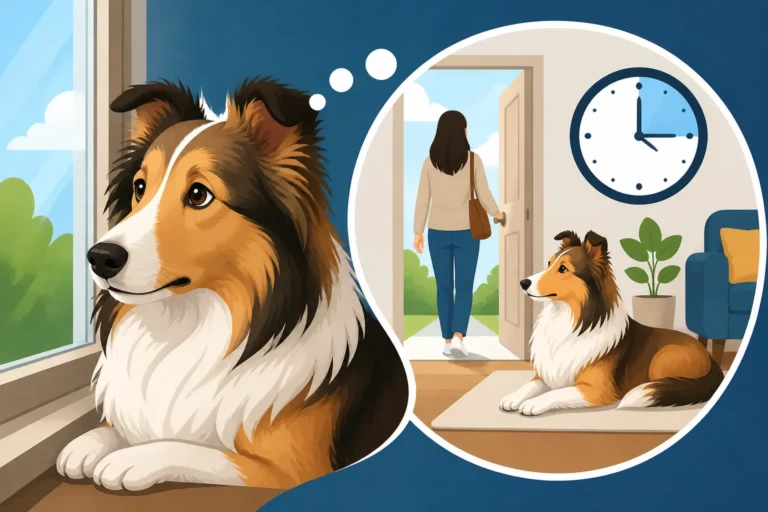
Our Collies are creatures of habit and highly attuned to their environment. Think about how your Collie knows exactly when it's walk time, meal time, or even when you're about to leave the house. This isn't just cleverness; it's a deep understanding of their routine and the sensory cues that accompany it. A house move shatters this predictability. The packing boxes appear, furniture gets rearranged, strange people might come and go, and the familiar rhythm of the household is thrown into disarray. A sensitive Collie can pick up on every subtle shift in your mood, every new smell from moving supplies, and every changed sound.
For a breed that is often described as feeling deeply and valuing consistency, this period of flux before, during, and after a move can be truly taxing. They might become clingier, more vocal, or even withdraw. It's vital to remember that these aren't misbehaviors but rather expressions of their inner turmoil. They're trying to make sense of a world that suddenly doesn't make sense anymore. It helps to understand that Whether a Collie Is Sensitive to Household Tension – they truly absorb our stress, which only compounds their own.
How a Collie Perceives "Home"
For a Collie, "home" isn't just a physical address; it's a complex tapestry of sensory information and emotional security. It's the scent of their bedding, the particular creak of the floorboards, the way the light filters through the windows at certain times of day, and above all, the presence of their beloved family. Their sense of territory is tied to these familiar elements. When you uproot them, you're not just moving them from one building to another; you're taking away their entire framework of comfort and safety.
Imagine suddenly being dropped into an entirely new place where everything looks, smells, and sounds different, and you have no idea what's coming next. That's a bit like what your Collie experiences. They rely heavily on their sense of smell to map their world, and a new home is a blank slate. Every corner needs investigating, every scent needs cataloging, and all the previous markers of "safe" are gone. This is why some Collies might initially seem lost or even depressed in a new house. They're grieving the loss of their old territory and trying desperately to establish a new one. Whether a Collie Grieves a Lost Family Member is a testament to their deep emotional capacity, and this can extend to the loss of a familiar home environment as well.
Signs of Stress in a Collie During Transition
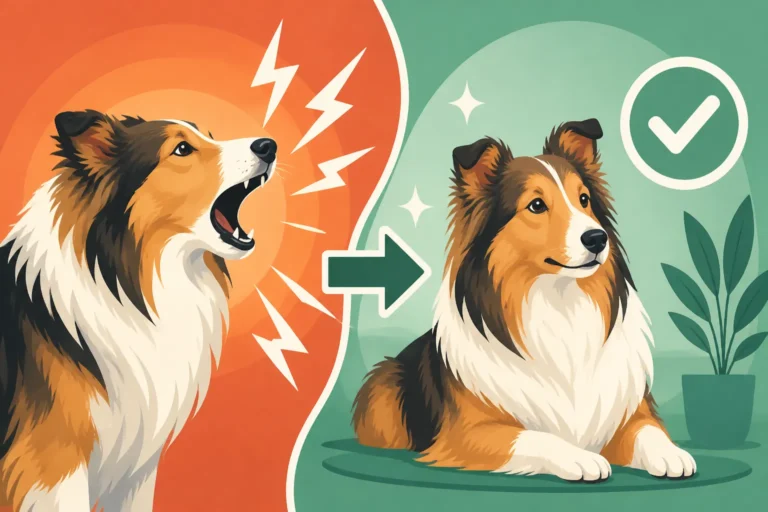
Recognizing stress in your Collie is the first step toward helping them cope. They can't tell you in words that they're feeling anxious, so they'll communicate through their behavior. Before the move, you might notice an increase in barking, particularly if they're usually quiet, as they react to the unusual activity. Some Collies might become more destructive, chewing on items they normally wouldn't, or having accidents in the house even if they're perfectly house-trained.
During the actual moving process, they might hide, pant excessively, or refuse to eat. Once in the new home, these behaviors can persist or change. You might see pacing, whining, excessive licking, or an unwillingness to settle down. Some Collies might exhibit signs of separation anxiety, even if they've never had it before, because their world feels so insecure that they can't bear for you to leave them alone. Others might become unusually clingy, following you from room to room. It's also possible for them to regress in training, forgetting cues they once knew reliably. Be mindful that even a change in eating habits or a refusal to drink can be a subtle sign of anxiety.
Preparing Your Collie for a Move
While you can't eliminate all stress, thoughtful preparation can significantly ease your Collie's transition. The goal is to introduce change gradually and provide as much continuity and security as possible.
Gradual Introduction to Packing and Change
The sudden appearance of boxes can be alarming to a Collie. Start early by bringing out packing materials well in advance, letting them investigate empty boxes and packing paper. Leave some boxes unpacked for a few days so they become part of the normal furniture. When you start packing, do it in short bursts and try to keep your Collie involved or occupied with a favorite toy or chew. If possible, pack rooms your Collie uses less first.
Maintain a positive atmosphere. Talk to your Collie calmly, reassuring them that everything is okay. Play calming music, and offer extra cuddles. If you have any new items for the new house, like a new bed or food bowls, introduce them slowly beforehand. You could even order some new enrichment toys from Amazon in advance to distract them during the packing process. The more they associate these changes with positive experiences, the less likely they are to view them as threatening.
Maintaining Routine Amidst Chaos
This is perhaps the most critical aspect of helping your Collie cope. Even when your house is full of boxes and movers, try to stick to your Collie's regular schedule for meals, walks, and playtime. If their dinner is usually at 6 PM, make sure it's still at 6 PM. If their morning walk is at 7 AM, try to keep it that way. These familiar routines are anchors in a sea of change.
If you absolutely cannot maintain the exact schedule, try to keep the order of events the same. For example, morning potty break, breakfast, then a short play session. Even if the times shift slightly, the sequence provides a sense of predictability. Delegate a "Collie-care" person during the most chaotic days of the move if you need to, someone whose sole job is to ensure the dog's routine is respected. Remember, Whether a Collie Needs a Predictable Routine is a definite 'yes', especially during stressful times.
Creating a Safe Space in the New Home
Before you even bring your Collie into the new house, set up a designated safe space for them. This could be their crate, a bed in a quiet corner, or a small room where they won't be overwhelmed. Fill it with familiar items: their bed, favorite blankets, toys, and water bowl. The scent of these items will provide comfort and familiarity in the new, strange environment.
When you first arrive at the new house, bring your Collie into this safe space. Keep them there while you unload and get settled, especially if movers are still around. This gives them a quiet retreat away from the noise and commotion. Once the main flurry of activity has subsided, you can begin to slowly introduce them to the rest of the house, always starting from their safe haven. Make sure the area feels secure, perhaps using a baby gate if it's a doorway, so they don't feel trapped but still have a defined boundary.
Settling Your Collie into the New Environment
The work doesn't stop once you've arrived. The first few weeks in a new home are crucial for helping your Collie adjust and feel secure again.
The First Few Days: Establishing Predictability
Upon arrival, keep your Collie on a leash for their first exploration of the new yard, even if it's fenced. This allows them to explore safely and eliminates any risk of them bolting in fear or confusion. Inside, let them explore at their own pace. Don't force them into rooms they're hesitant about. Continue to maintain their established routine for meals, potty breaks, and playtime. Consistency is key here.
Spend extra time with your Collie during these initial days. Offer gentle praise, play their favorite games, and provide plenty of physical affection. This reinforces their bond with you and reassures them that they are safe and loved. If you've enrolled in an online dog training program like BAXTER & Bella, now is a great time to re-engage with some familiar training exercises. This can provide mental stimulation and a sense of normalcy for your Collie. Short, positive training sessions can help them feel accomplished and connected to you.
Re-establishing Training and Socialization
Once your Collie seems a bit more settled, usually after a few days to a week, it's time to gently re-establish training and socialization. Start with basic cues in the new environment – "sit," "stay," "come." These familiar commands reinforce your leadership and their understanding of expectations. Keep sessions short, positive, and reward-heavy. This helps build their confidence in the new space. Remember that How Long a Collie Remembers a Bad Session means you want to make these early experiences as positive as possible.
When it comes to socialization, proceed cautiously. If you have a fenced yard, let them explore it freely, but supervise them. Introduce them to new walking routes gradually, starting with quiet areas. Avoid dog parks or overly stimulating environments until they are fully comfortable in their new home base. If you have friends with well-behaved dogs, perhaps arrange a controlled, calm introduction in your yard first. This helps them build positive associations with the new surroundings and new potential doggy pals.
Addressing Persistent Anxiety and Behavioral Changes
Even with the best preparation, some Collies might struggle more than others. If your Collie exhibits persistent anxiety, destructive behavior, excessive vocalization, or house-soiling that doesn't resolve within a few weeks, it's important to seek professional guidance. A veterinary behaviorist or a certified professional dog trainer with experience in anxiety can offer tailored strategies.
They might suggest calming aids, such as diffusers that release synthetic canine pheromones, anxiety wraps, or even temporary anti-anxiety medication if the stress is severe. For enrichment, consider puzzle feeders, which you can find on Amazon, to keep their minds engaged, or interactive toys to provide a healthy outlet for their energy. Remember, addressing anxiety early is crucial. Ignoring it can lead to deeply ingrained behavioral problems. A good trainer can also help with How to Build Confidence in a Nervous Collie if they're struggling to adapt.
Creating a Smooth Move: A Checklist for Collie Owners
To help you keep track, here’s a quick overview of key actions before, during, and after your move with your beloved Collie.
| Stage of Move | Key Actions for Your Collie | Why It Helps Your Collie |
|---|---|---|
| Before Move | Introduce packing boxes gradually. | Reduces novelty and fear of new objects. |
| Maintain strict daily routine (walks, meals). | Provides stability and predictability amidst change. | |
| Create a designated "safe room" for moving day. | Offers a quiet retreat from chaos and noise. | |
| Introduce new bedding/toys for the new house (if applicable). | Familiar scents ease transition and create positive associations. | |
| Keep your own stress levels in check. | Collies are sensitive to human emotions; your calm helps them stay calm. | |
| Moving Day | Secure your Collie in their safe room with familiar items and water. | Prevents escape, injury, and reduces overstimulation. |
| Feed meals at regular times, if possible. | Maintains routine and reduces digestive upset. | |
| Arrange for a trusted friend or family member to care for them off-site if moving is chaotic. | Removes them from the most stressful part of the day. | |
| After Move | Set up Collie's safe space in the new home first. | Gives them an immediate place of security. |
| Leash-walk in the new yard for initial potty breaks. | Ensures safety in an unfamiliar outdoor space. | |
| Re-establish the daily routine as quickly as possible. | Recreates structure and normalizes the new environment. | |
| Explore new surroundings gradually, starting with quiet areas. | Prevents overstimulation and builds positive associations. | |
| Spend extra quality time: play, cuddles, gentle training sessions. | Reinforces your bond and reassures them of their safety and place in the family. | |
| Consider calming products (pheromones, supplements). | Can provide additional support for anxiety. |
Moving house is a monumental task, but with a little extra planning and a lot of patience, you can help your loyal Collie navigate this challenging transition. They look to you for security, and by being their steady anchor, you can turn a potentially traumatic event into a new adventure they eventually embrace.
Disclaimer
This article is for general informational purposes only and does not constitute professional advice. Laws, prices and regulations vary by location and change over time. Consult a qualified professional for guidance on your specific situation.