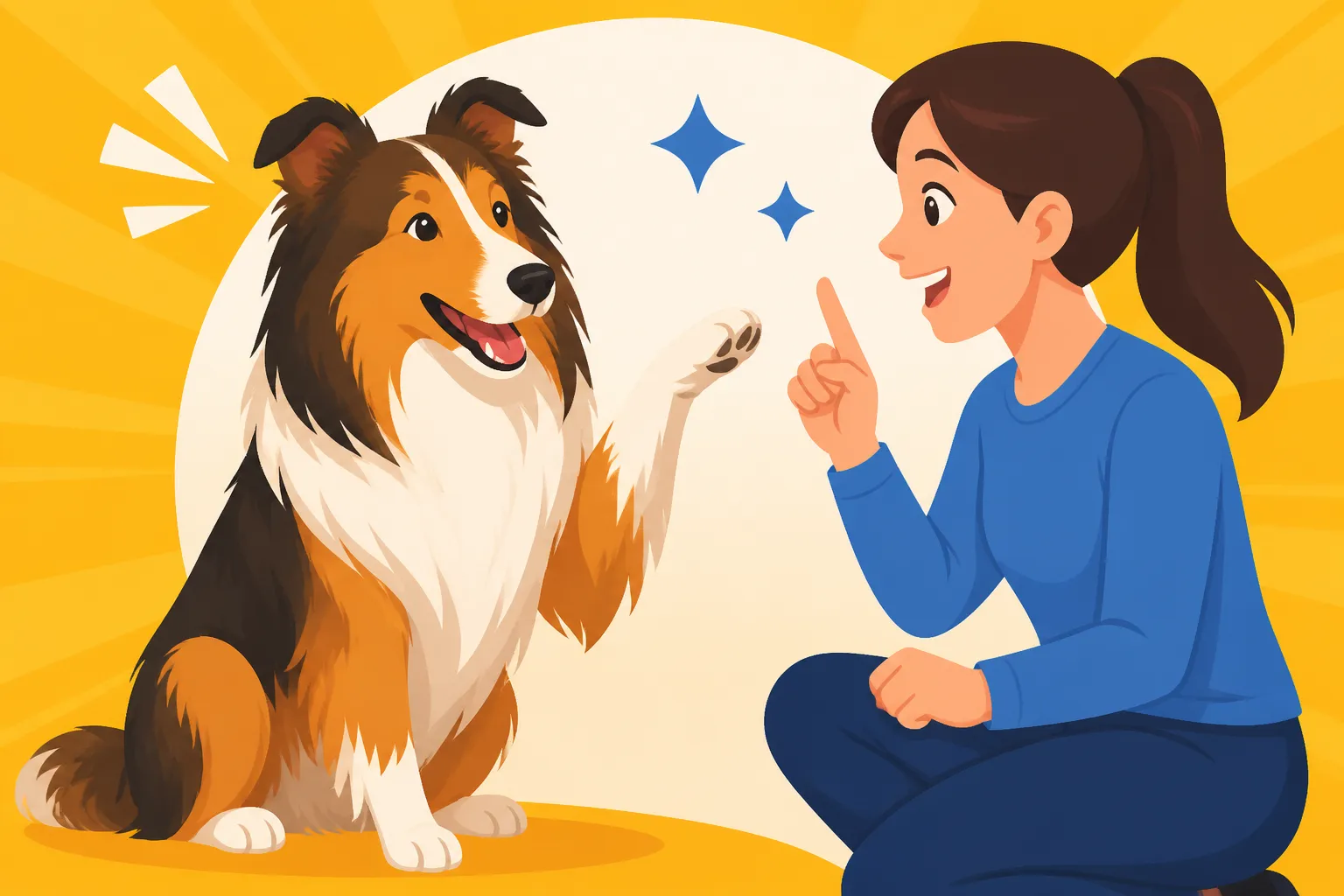
Whether a Collie Enjoys Trick Training
It’s a common misconception that Collies are just regal beauties, content to pose for pictures and look lovely on the sofa. Many people assume trick training is solely for high-energy breeds or those with a "show-off" personality. If you've ever wondered if your elegant Collie would actually enjoy learning fun new behaviors, or if it's even worth the effort, you're in the right place. This guide will delve into why Collies often thrive with trick training and how it can deepen your bond.
Why Collies Are Surprisingly Good Candidates for Trick Training
You might look at your dignified Collie, lounging gracefully, and think they're above such frivolous activities as "play dead" or "spin." But beneath that magnificent coat lies a sharp mind and a sensitive soul. Collies, while not always as overtly "driven" as some other herding breeds, possess a deep desire to engage with their people. This innate connection makes them excellent candidates for trick training, often surprising their owners with their aptitude and enthusiasm.
Their Intelligence and Eagerness to Please
Collies are genuinely intelligent dogs. They pick up on routines, body language, and subtle cues from their humans remarkably quickly. This isn't just about learning "sit" and "stay" – it extends to more complex sequences and understanding what you're asking of them, even when it's just for fun. They possess a keen observational ability, often watching and learning even when you don't realize they're paying attention.
What truly sets Collies apart for trick training is their inherent eagerness to please. Unlike some breeds that might see training as a means to an end (like getting a treat and then immediately wandering off), Collies often value the interaction itself. The praise, the focused attention, the shared activity – these are powerful motivators for a Collie. When you're working together on a trick, they're not just performing a task; they're connecting with you. This mutual engagement strengthens your relationship and makes them genuinely want to participate. If you've been curious Whether a Collie Is Actually That Intelligent, you'll find that their mental capacity is well-suited for more than basic obedience.
Their Sensitive and Thoughtful Nature
Collies are known for being sensitive dogs. This isn't a weakness; it's a profound strength when it comes to positive reinforcement training. They respond incredibly well to gentle guidance, clear communication, and rewards that aren't just food-based. A harsh word or an impatient tone can shut a Collie down, making them reluctant to try again. But with patience and encouragement, they blossom.
This thoughtfulness means they'll often analyze what you're asking, sometimes taking a moment longer than a more impulsive breed, but then performing the trick with precision once they understand. They appreciate a calm, structured learning environment where they feel safe to make mistakes and try again. For a Collie, trick training isn't just about the physical action; it's a mental puzzle, and solving it brings them immense satisfaction. They often display a deep concentration, a furrowed brow, and a focused gaze that shows just how engaged they are in the learning process.
The Many Benefits of Integrating Trick Training into Your Collie's Life
Trick training isn't just a party trick; it's a powerful tool for enhancing your Collie's overall well-being. From boosting confidence to providing crucial mental exercise, the advantages extend far beyond simply having a dog who can wave hello.
Providing Essential Mental Stimulation
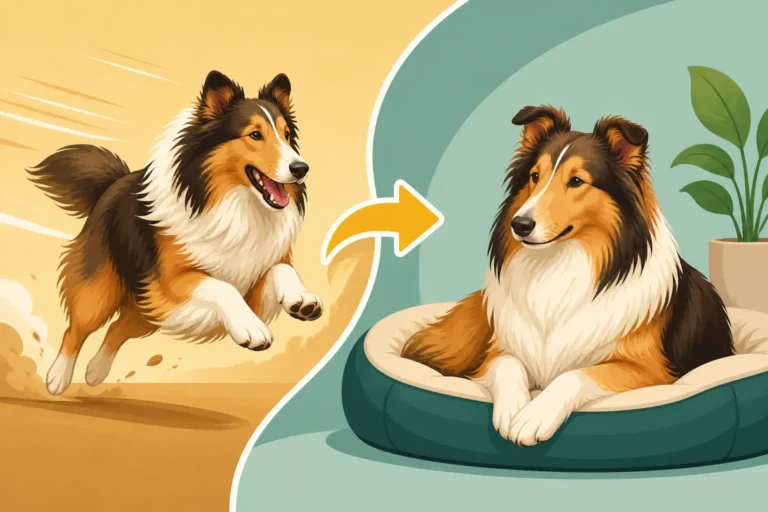
Physical exercise is vital for Collies, but mental exercise is equally, if not more, important. A bored Collie can quickly become a destructive or anxious Collie. Their intelligent brains need something to chew on, so to speak. Trick training provides a fantastic outlet for this mental energy. It forces them to think, problem-solve, and focus their attention on you.
Imagine a rainy day when a long walk isn't feasible, or your Collie is recovering from a minor injury and needs less physical activity. Short, engaging trick training sessions can tire them out mentally just as much as a brisk walk can physically. It keeps their minds sharp, prevents boredom, and helps channel their energy into positive behaviors. Many Collie owners notice a significant decrease in unwanted behaviors like excessive barking or destructive chewing when their dogs are regularly engaged in mental activities. If you've ever wondered Whether a Collie Chews When Bored, you'll find mental engagement is a key preventative.
Strengthening the Bond Between You and Your Collie
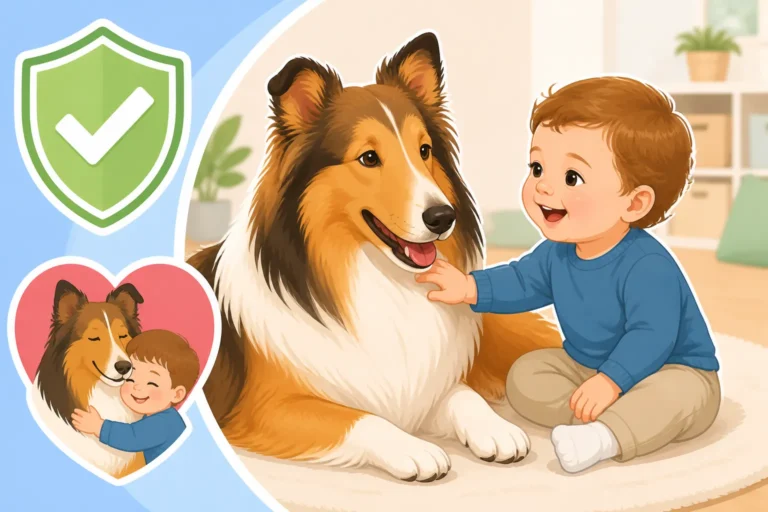
Perhaps the most invaluable benefit of trick training is the profound strengthening of the bond between you and your Collie. When you engage in trick training, you're not just giving commands; you're communicating, collaborating, and celebrating small successes together. This shared experience builds trust and mutual understanding.
Your Collie learns to look to you for guidance and positive feedback, and you learn to read their subtle cues – their moments of confusion, their bursts of understanding, their sheer delight when they "get it." It's a dance of communication that deepens your connection far beyond what everyday routines can achieve. Owners often find that their Collies become more attentive and responsive in other areas of their lives because of the positive foundation laid during trick training. This is where What Motivates a Collie really shines through: it's often the desire to please you.
Boosting Confidence and Reducing Anxiety
For some Collies, especially those who might be a little reserved or naturally shy, trick training can be a huge confidence booster. When a dog successfully learns a new trick and receives enthusiastic praise and rewards, it instills a sense of accomplishment. This positive reinforcement builds their self-esteem, showing them that they are capable and that engaging with you is a rewarding experience.
Think about a Collie who might be a bit nervous around new people or in novel environments. Having a repertoire of tricks can give them a job, something familiar and reassuring to focus on when they feel overwhelmed. Instead of cowering, they might be encouraged to perform a "wave" or a "bow" for a friendly stranger, turning a potentially anxious situation into a positive interaction. This can be especially helpful for How to Build Confidence in a Nervous Collie.
Getting Started: Tips for Successful Trick Training with Your Collie
You're convinced! Your Collie is ready to unleash their inner performer. But where do you begin? The key to successful trick training with a Collie lies in understanding their specific needs and temperament.
The Power of Positive Reinforcement
This cannot be stressed enough: Collies thrive on positive reinforcement. This means rewarding desired behaviors, not punishing mistakes. Keep a variety of high-value treats on hand – small, soft, and easy for your Collie to swallow quickly. You might also find a clicker to be an incredibly useful tool, marking the exact moment your Collie performs the desired action. When paired with a treat, the clicker becomes a powerful communication signal. You can find excellent clickers and treat pouches on Amazon.
Beyond treats, use verbal praise ("Good boy!", "Yes!") and gentle physical affection if your Collie enjoys it. The goal is to make every training session a fun and rewarding experience, not a chore. If your Collie isn't getting it, don't get frustrated. Re-evaluate your approach, break the trick down into smaller steps, or try a different reward. Remember, your Collie's sensitive nature means patience is paramount.
Short, Sweet, and Frequent Sessions
Collies, like most dogs, have relatively short attention spans, especially when learning something new. Long, drawn-out training sessions are counterproductive and can lead to frustration for both of you. Instead, aim for multiple short sessions throughout the day – think 5-10 minutes each.
These brief, focused bursts keep your Collie engaged and prevent them from getting bored or overwhelmed. End each session on a high note, even if it's just successfully repeating an already mastered trick. This leaves your Collie feeling accomplished and eager for the next session. This approach also integrates well with the idea that Training Sessions Count as a Collie's Exercise.
Choosing the Right Tricks to Start With
When you're just beginning, pick tricks that are relatively easy to teach and build on natural Collie behaviors. Think about what your Collie already does naturally and how you can shape that into a trick.
Here's a table of some great beginner tricks and why they often work well for Collies:
| Trick Name | Description | Why it Suits a Collie | Common Challenges & Solutions |
|---|---|---|---|
| Sit & Stay | Foundation for almost all other tricks, teaching impulse control. | Collies are eager to please; good for their thoughtful nature. | Can be too passive; make it exciting with quick releases. |
| Paw/Shake | Offering a paw. | Many Collies naturally lift paws when greeting or asking. | Can be hard for some Collies to understand "give" the paw. Lure with treat. |
| Spin/Twirl | Turning in a circle. | Uses their natural agility and desire to follow a lure. | Can get dizzy or confused. Start with small movements. |
| Bow | Front legs down, rear end up. | Mimics a play bow, a natural dog behavior. | Some Collies find this awkward. Lure slowly under their chest. |
| Targeting | Touching nose to your hand or a stick. | Builds focus and precision, useful for other tricks. | May try to mouth the target. Use a flat hand or treat in hand. |
| Tidy Up (into basket) | Picking up toys and putting them in a designated spot. | Taps into their herding instinct to gather and organize. | Requires multiple steps. Break down: pick up, carry, drop. |
Don't be afraid to think outside the box. Some online training platforms, like those offered by BAXTER & Bella, provide structured courses and ideas for various tricks, guiding you through the steps. For a sensitive Collie, learning How Long a Collie Takes to Learn a New Cue might vary, but consistency is key.
Making it Fun and Varied
Variety is the spice of life, even for our four-legged friends! Once your Collie masters a few basic tricks, mix them up. Combine tricks into short routines. Teach them in different locations (indoors, outdoors, different rooms) to help with generalization. Use different rewards – sometimes a favorite toy, sometimes a game of tug, sometimes just exuberant praise.
Keep the atmosphere light and playful. If you're stressed or frustrated, your Collie will pick up on that energy. If you find yourself getting impatient, it’s time to take a break. Remember, the goal is mutual enjoyment and strengthening your bond. If you keep it fun, your Collie will undoubtedly enjoy trick training and look forward to every session.
Overcoming Common Challenges with Collie Trick Training
Even with the best intentions and the most wonderful Collie, you might encounter a few bumps on the road to trick-training stardom. Understanding common Collie traits can help you navigate these challenges with grace and success.
Dealing with Sensitivity and "Sulking"
Because Collies are so sensitive, they can sometimes "sulk" or become reluctant if they feel misunderstood or if the training becomes too intense. They aren't being stubborn; they're often feeling discouraged or overwhelmed. If your Collie walks away, lies down, or gives you the "side-eye" during a session, it's a clear signal to ease up.
- Solution: Take a break. Revert to a trick they know perfectly and end the session on a positive note. For the next session, break the challenging trick into even smaller, easier steps. Use even more enthusiastic praise for tiny successes. Ensure your body language is relaxed and encouraging, not demanding. You may have noticed Whether a Collie Sulks After a Correction; this sensitivity is precisely why positive reinforcement is so crucial.
Managing the Bark and "Herding" During Excitement
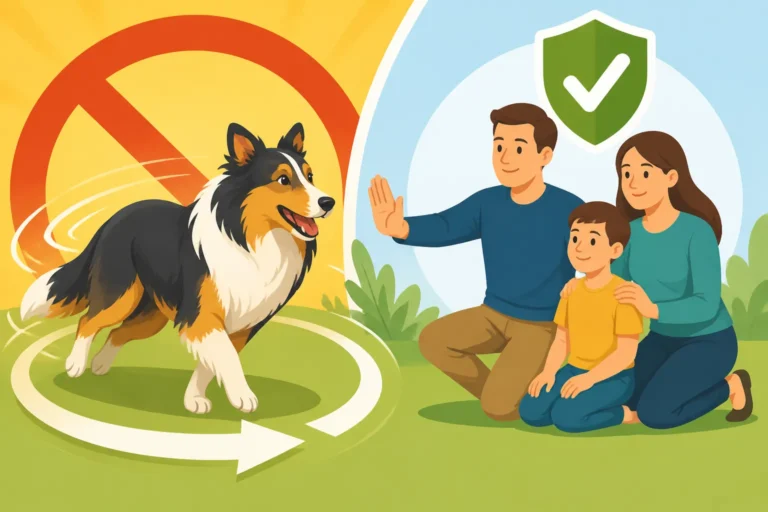
Some Collies, especially when they get excited or a little frustrated, might resort to barking or even trying to "herd" your hands or feet. This is their natural instinct kicking in, but it can be distracting and sometimes unwanted during a training session.
- Solution: If barking occurs, calmly pause the session. Wait for a moment of quiet, then immediately reward the silence before resuming. If the herding nips start, stand still, ignore the behavior, and only proceed when your Collie is calm. You might also incorporate a "quiet" cue into your general training, which can be immensely helpful. Keep sessions short to manage excitement levels. For more on this, you might explore Whether a Collie Barks.
Keeping Them Engaged and Preventing Boredom
While Collies are intelligent, they can also get bored if training becomes too repetitive or predictable. Their minds crave novelty and challenge. If your Collie seems disinterested, it might not be that they don't like trick training, but that the current approach isn't stimulating enough.
- Solution: Introduce new tricks regularly, or put a new spin on old ones. Change the training location. Use puzzle toys as part of their reward system – perhaps they have to solve a simple puzzle to get their training treat at the end. Puzzle Feeders Tire a Collie can be an excellent way to extend mental engagement. Vary your rewards: sometimes a treat, sometimes a short game of fetch, sometimes just a belly rub. Keeping them guessing in a fun, positive way will maintain their enthusiasm.
In conclusion, a Collie absolutely enjoys trick training! It aligns perfectly with their intelligence, desire to please, and need for mental stimulation. By using positive reinforcement, keeping sessions short and fun, and understanding their sensitive nature, you'll discover a rewarding activity that benefits both you and your magnificent Collie.
Disclaimer
This article is for general informational purposes only and does not constitute professional advice. Laws, prices and regulations vary by location and change over time. Consult a qualified professional for guidance on your specific situation.