Queen Victoria Made the Collie Fashionable in the 1860s
Before the majestic Rough Collie became a household name and a silver screen legend, it was a practical, hardworking dog navigating the rugged Scottish terrain. Yet, for many prospective owners today, understanding the breed's health, temperament, and care can feel like sifting through centuries of folklore and outdated advice. This comprehensive guide will peel back the layers of history, revealing how the patronage of Queen Victoria fundamentally reshaped the Collie from a utilitarian farm dog into the regal companion we cherish, while also addressing the lasting implications of that transformation for modern Collie ownership.
The Collie Before the Crown: Humble Beginnings as a Working Dog
Long before the Collie graced royal estates and cinematic stages, it was an indispensable part of life in the Scottish Highlands and Lowlands. These were dogs of toil, bred for their intelligence, endurance, and keen herding instincts. They weren't admired for their elegant profiles or voluminous coats, but for their ability to gather, move, and protect livestock, particularly sheep, across challenging landscapes. Their beauty was in their utility, their value measured by their effectiveness on the farm.
From Scottish Highlands to Market Towns
Imagine the windswept hills of Scotland in the early 19th century. Here, the Collie, often smaller and stockier than today's show dogs, worked tirelessly alongside shepherds. Their primary role was to manage flocks, a task that demanded quick thinking, agility, and an innate understanding of animal behavior. These dogs were not confined to remote pastures; they were also vital in droving, moving sheep and cattle long distances to markets in bustling towns and cities. This arduous journey required immense stamina and a calm, yet assertive, demeanor to keep the herd together and safe from harm.
The dogs found working in different regions often had slight variations in appearance and working style, adapted to local conditions and specific herding challenges. Some were known for their "eye" – an intense stare used to control sheep – while others relied more on their physical presence. What united them was their unwavering dedication to their task and their shepherd. Their lineage was traced through their working ability, not pedigrees or beauty standards. They were simply "colley dogs" or "shepherd's dogs," a testament to their honest, unpretentious origins.
The Underrated Intelligence and Herding Prowess
Even in their early working days, the intelligence of the Collie was undeniable. Shepherds relied on these dogs to make independent decisions, especially when out of direct sight, guiding flocks through treacherous terrain or away from predators. This wasn't merely rote obedience; it was an intuitive understanding of complex tasks, problem-solving on the fly, and a deep partnership with their human handlers. This remarkable intellect and sensitivity set them apart, even among other herding breeds.
Their herding style was often described as "loose-eyed," meaning they didn't rely solely on an intense stare like some Border Collies, but used a combination of presence, barking, and gentle nips to direct sheep. This made them incredibly versatile, capable of working various types of livestock and adapting to different situations. The bond between a shepherd and his Collie was profound, built on mutual respect and shared purpose. This deep understanding and eagerness to please, which is still a hallmark of the breed, made them exceptionally trainable, even if their early "training" was more often an apprenticeship in the fields. It's truly fascinating to consider The Collie Was a Scottish Droving Dog Before It Was a Show Dog.
Early Descriptions and Varied Appearances
Descriptions of early Collies paint a picture quite different from the glamorous dogs we often see today. They were generally smaller, perhaps more compact, with less exaggerated features. Their coats, while certainly functional for protection against the elements, were not typically as profuse as those of modern Rough Collies, nor were their heads as long and refined. Colors varied, but black and tan or sable were common, often with white markings that assisted shepherds in spotting their dogs in dim light.
These dogs were valued for their functional attributes, such as sturdy build, weather-resistant coats, and keen eyesight. There wasn't a strict "breed standard" as we understand it today; instead, dogs were bred for traits that contributed to their effectiveness on the farm. This meant a greater diversity in appearance, reflecting regional preferences and the specific demands of their work. The focus was entirely on working ability, and any aesthetic appeal was purely secondary, a stark contrast to the selective breeding that would emerge in later centuries.
A Royal Encounter: Queen Victoria's Introduction to the Collie
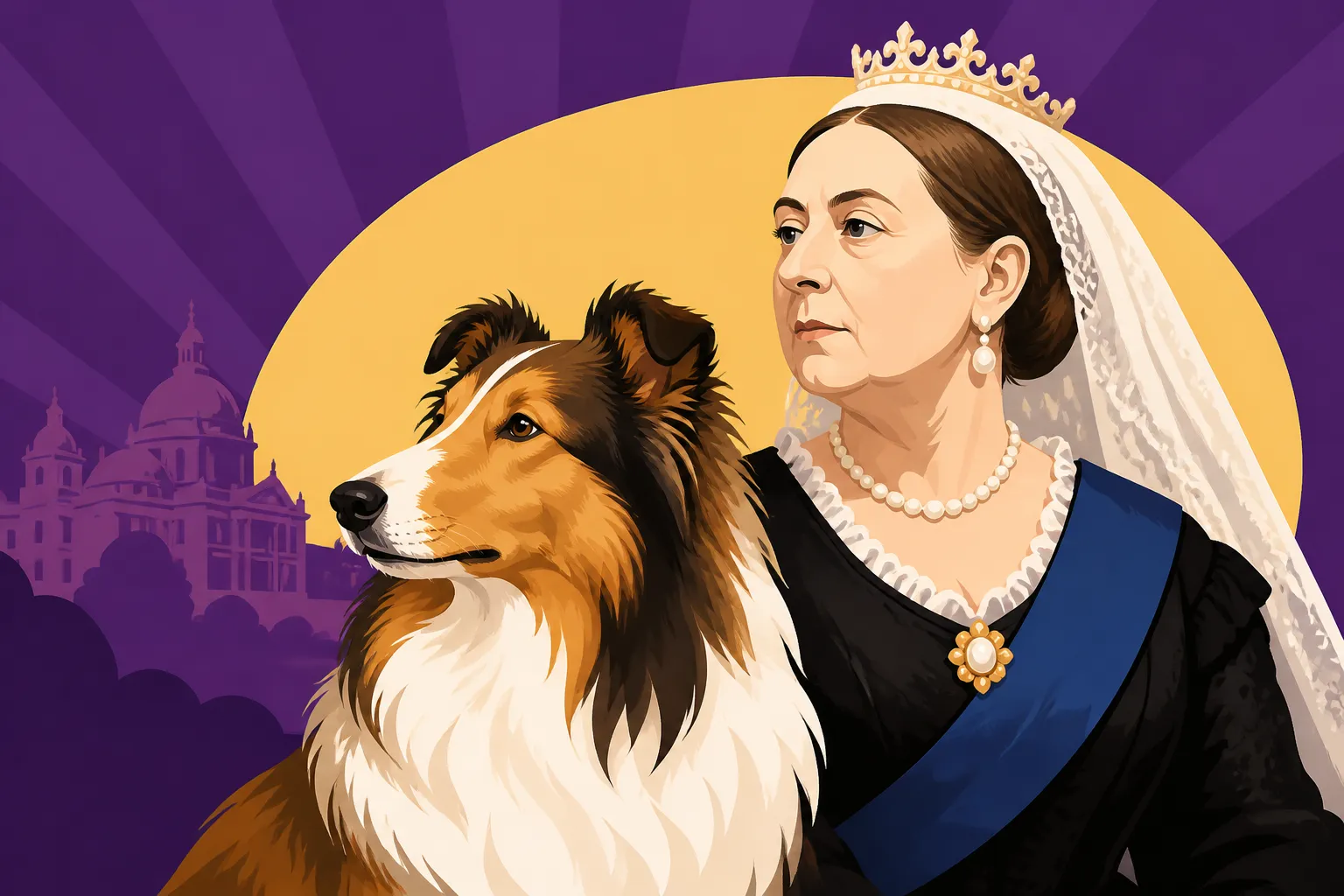
The mid-19th century marked a pivotal moment for the Collie, a moment that would forever change its destiny from working dog to royal favorite and eventually, global icon. The catalyst for this dramatic shift was Queen Victoria's growing affection for Scotland and, specifically, her encounter with the native dogs of the region. Her personal endorsement proved to be an unstoppable force, catapulting the humble Collie into the highest echelons of society.
Balmoral and the Fascination with Scottish Culture
Queen Victoria's deep love for Scotland began with her first visit in 1842 and solidified with the purchase of Balmoral Castle in 1852. This beloved retreat in the Scottish Highlands became her sanctuary, a place where she could escape the pressures of court life and immerse herself in the rugged beauty and romanticism of Scottish culture. She embraced local traditions, attire, and even the local fauna. It was here, amidst the wild landscapes she adored, that she encountered the indigenous sheepdogs known as Collies.
Her fascination extended to all things Scottish, and the hardy, intelligent working dogs naturally caught her eye. She was known to be a keen observer of animals and had a genuine appreciation for their loyalty and utility. The Collies she saw working the estates around Balmoral were undoubtedly impressive, demonstrating a level of intelligence and devotion that resonated with the Queen's own sensibilities. This personal connection, rather than a calculated fashion statement, was the true beginning of the Collie's royal journey.
The Royal Kennel's First Collies
It wasn't long before Queen Victoria decided to bring Collies into her own royal kennels. Her earliest Collies, acquired around the 1860s, were primarily working dogs, chosen for their temperament and intelligence. They weren't initially selected for the exaggerated features that would later become fashionable in the show ring. These were robust, active dogs, capable of fulfilling practical duties on the vast royal estates, even if those duties sometimes involved more companionship than actual herding.
One of her notable Collies was named Sharp, a tri-color Rough Collie who was said to be devoted to the Queen. She greatly admired his intelligence and gentle nature. Sharp was even painted by royal artists, further cementing the Collie's image as a dog worthy of the highest regard. The presence of Collies within the royal household immediately elevated their status, turning them from an obscure working breed into a subject of curiosity and admiration among the British aristocracy. This direct patronage from the monarch herself was an endorsement unlike any other, sparking widespread interest.
The Influence of a Monarch's Passion
The Queen's affection for Collies had an almost immediate and profound impact on the breed's popularity. What the monarch admired, society often followed. Aristocrats and wealthy commoners alike began seeking out these "Queen's dogs" for their own estates and households. This sudden demand shifted the focus from purely working ability to also include aesthetics, as people desired dogs that resembled those seen at court or depicted in royal portraits.
This royal seal of approval effectively launched the Collie from obscurity into the spotlight, making it a highly fashionable companion. Breeders, sensing the burgeoning market, began to focus more on appearance, aiming to produce dogs that met the aesthetic preferences of the new, affluent clientele. The foundation had been laid for the Collie's transformation, driven by the powerful influence of Queen Victoria's personal choice. Her passion was undeniably the spark that ignited the Collie's rise to prominence. Many historical sources note When Queen Victoria First Saw a Collie.
The Victorian Era: The Collie's Ascent to Stardom
With Queen Victoria's enthusiastic endorsement, the Collie's ascent from humble sheepdog to Victorian darling was swift and dramatic. The newfound prestige transformed the breed's purpose, its appearance, and its place in society. The show ring, in particular, became the primary arena where the Collie's future was shaped, leading to a rapid evolution of the breed's physical characteristics and public perception.
The Show Ring and the Breed Standard's Evolution
The late 19th century saw the burgeoning of dog shows as a popular pastime for the gentry and an important platform for breed development. Once Collies entered the show ring, a formal breed standard began to emerge, describing the ideal physical traits for the breed. This standard was heavily influenced by the aesthetic preferences of the time, often favoring more refined and elegant features over the robust, functional attributes of the working dogs. Breeders began selecting for a longer, narrower head, a more profuse coat, and a more elegant, graceful silhouette.
The show ring became a powerful engine for change, pushing the breed towards a more stylized appearance. Winning dogs would become popular sires, passing on their desirable show traits to future generations. This selective breeding, while creating a distinct and beautiful "show Collie," also began to diverge significantly from the original working type. The emphasis shifted from a dog's ability to herd sheep to its ability to conform to an ever-evolving ideal of beauty, as judged in the competitive environment of dog shows.
Popularity Among the Upper Class
The Collie's popularity wasn't just confined to dog shows; it permeated Victorian society, particularly among the upper and middle classes. Owning a Collie became a status symbol, a visible sign of one's discerning taste and connection to the royal family. These dogs were no longer just farmhands; they were companions, pets, and even artistic muses. Their gentle nature, combined with their striking appearance, made them ideal family dogs for homes with the space and means to accommodate them.
Families embraced Collies for their perceived loyalty, intelligence, and protective instincts, qualities that resonated with the Victorian ideal of a noble and devoted canine companion. They graced country estates, suburban homes, and were often seen accompanying ladies on leisurely strolls. The demand for Collies skyrocketed, leading to more structured breeding programs and, unfortunately, sometimes to less scrupulous breeding practices aimed at quantity over quality. This era truly cemented the Collie's place as a beloved pet.
Artistic Depictions and Literature
The Collie's elevated status was further amplified by its frequent appearance in art and literature of the period. Painters often depicted Collies in pastoral settings or alongside their elegant owners, highlighting their beauty and gentle demeanor. These artistic representations helped to solidify the public image of the Collie as a noble, intelligent, and picturesque animal, reinforcing its fashionable appeal.
Beyond paintings, the Collie also found its way into popular literature, foreshadowing its later role in the "Lassie" phenomenon. Stories and poems featuring brave and loyal Collies further endeared the breed to the public, showcasing their heroic and devoted qualities. This cultural permeation ensured that the Collie was not just a passing trend but became deeply ingrained in the public consciousness as the epitome of canine companionship, a loyal and intelligent friend who was also aesthetically pleasing.
From Utility to Elegance: The Evolution of the Collie's Look
The transition from a working dog to a fashionable pet under Queen Victoria's influence brought about significant and lasting changes to the Collie's physical appearance. Breeders, guided by emerging show standards and societal preferences, began to actively select for traits that emphasized refinement and elegance over pure rugged utility. This selective breeding fundamentally altered the breed's silhouette, head shape, and coat type.
The Development of the Modern Collie Head
Perhaps the most striking change in the Collie's appearance during this era was the transformation of its head. The original working Collies possessed a broader, more robust skull, suitable for powerful jaws and practical tasks. However, Victorian breeders began to favor a longer, narrower, more chiseled head, with a distinct "stop" (the indentation between the eyes) and a finely tapered muzzle. This change was purely aesthetic, aimed at creating a more "noble" and aristocratic look, often referred to as the "classic Collie profile."
This pursuit of an elongated head became a hallmark of the show Collie, a defining feature that distinguished it from its working ancestors and other herding breeds. While undeniably beautiful, this shift sometimes came with health implications, as extreme refinement could occasionally lead to issues such as tooth crowding or a more delicate skull structure. Nevertheless, the long, elegant head became so ingrained in the breed standard that it remains a key characteristic of the show-type Rough Collie to this day, a direct legacy of Victorian breeding preferences. It makes you wonder Whether the Collie's Long Head Came From Show Breeding.
The Rise of the Rough Collie Aesthetic
Simultaneously with the head's transformation, the Rough Collie's coat became increasingly profuse and glamorous. The functional, weather-resistant double coat of the working Collie evolved into the magnificent, flowing mane, frill, and abundant feathering we recognize today. This luxurious coat, while stunning to behold, required significantly more care than its utilitarian predecessor. It became a symbol of opulence and dedication, as maintaining such a coat was a time-consuming endeavor, often requiring the services of professional groomers or dedicated staff.
The aesthetic appeal of the voluminous coat, particularly the prominent "frill" around the neck and the "petticoats" on the hindquarters, became highly desirable in the show ring. This emphasis on coat volume, coupled with the elegant head, created the iconic image of the Rough Collie as a dog of regal beauty. This rich coat, however, also presents practical challenges for owners, from shedding seasons that bury your house in fur to the potential for matting if not diligently brushed. Understanding A Collie's Coat Is the Bill That Arrives Every Eight Weeks is a vital consideration for prospective owners.
The Impact on Working Lineage
While the show Collie was evolving into a highly stylized companion, the working lines, though dwindling in number and public visibility, continued to exist. These working Collies retained many of their ancestral traits – a hardier build, a less exaggerated head, and a coat more suited for function than fashion. The divergence between show and working lines became increasingly pronounced during this period, creating two distinct types of Collies.
This split meant that while the general public associated the name "Collie" with the long-nosed, heavily coated show dog, a different kind of Collie quietly continued its traditional work. The aesthetic focus of the Victorian era meant that many of the traits vital for herding, such as acute stamina, robust bone structure, and strong natural instincts, were no longer prioritized in show breeding. This separation highlights the power of human intervention and selective breeding in shaping a breed's purpose and physical form over time.
Rough vs. Smooth: The Two Sides of Royal Favor
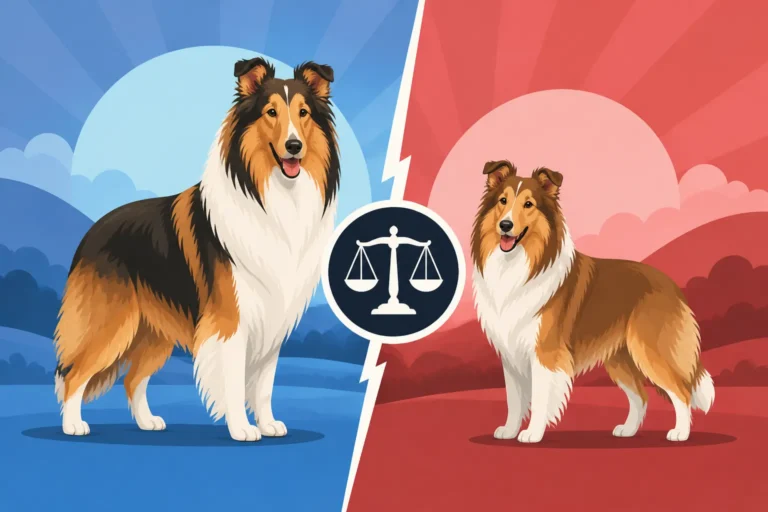
While the Rough Collie became the undeniable poster child of Victorian dog fancy, its lesser-known cousin, the Smooth Collie, also existed and had its own, albeit different, trajectory through this period of intense breed development. Both varieties share a common ancestry and fundamentally similar temperaments, yet their coat types led to divergent paths in terms of popularity and selective breeding priorities.
Shared Ancestry, Different Fates
Both Rough and Smooth Collies originated from the same pool of Scottish herding dogs. The smooth coat was not a separate breed but a natural variation within these working lines, likely offering advantages in certain weather conditions or when navigating dense undergrowth where a long coat might snag. In their utilitarian past, a smooth coat was simply another functional attribute, not a "flaw" or a "designer" trait.
However, when the Collie gained royal patronage and entered the show ring, the long, flowing coat of the Rough Collie captured the public's imagination and became the preferred aesthetic. The Smooth Collie, with its shorter, denser coat, was largely overlooked in comparison. While Rough Collies were meticulously bred for exaggerated coat length and head refinement, Smooth Collies often retained more of their original working dog characteristics, simply because there was less pressure to conform to the extreme show standards that dictated the Rough variety.
The Smooth Collie's Enduring Practicality
Despite its relative lack of fanfare, the Smooth Collie continued to be valued for its practicality. Many working shepherds, perhaps less swayed by Victorian fashion trends, recognized the advantages of a shorter coat: it was easier to maintain, collected fewer burrs and debris, and dried faster. Thus, the Smooth Collie remained a capable and efficient working dog, even as its rough-coated relatives soared in popularity as companions.
Even among early enthusiasts who owned both varieties, the Smooth Collie was appreciated for its slightly more streamlined look and its ability to handle arduous conditions without the same grooming demands. For those who wanted a Collie's intelligence and temperament but preferred a lower-maintenance coat, the Smooth offered an ideal solution. This quiet perseverance allowed the Smooth Collie to retain a closer link to its ancestral working roots, even as the show ring for the Rough Collie became increasingly focused on extravagant beauty.
Modern Recognition and Breeding Considerations
Today, the Smooth Collie is recognized as a distinct variety of the Collie breed, sharing the same breed standard in many aspects, except for coat length. While still rarer than the Rough Collie, it has its devoted enthusiasts who appreciate its elegant simplicity and practical coat. Modern breeding programs for Smooth Collies focus on maintaining their health, temperament, and adherence to the breed standard, much like their rough-coated counterparts.
Breeders of both varieties often face the challenge of balancing aesthetic ideals with genetic health. For any prospective Collie owner, understanding The Three Genetic Tests a Collie Breeder Owes You is crucial, whether looking at a Rough or a Smooth. While Queen Victoria's preference undeniably favored the long-coated Collie, the Smooth Collie's quiet persistence ensures that the dual legacy of the breed—both beauty and practical utility—continues to thrive in the modern era.
| Collie Variety | Coat Type | Grooming Effort | Public Popularity (Victorian Era) | Link to Working Ancestry |
|---|---|---|---|---|
| Rough Collie | Long, profuse double coat | High | Very High (Royal Favor) | Diverged significantly |
| Smooth Collie | Short, dense double coat | Moderate | Low | Retained more traits |
The Enduring Echoes of a Queen's Choice: Legacy and Modernity
Queen Victoria's embrace of the Collie was more than just a fleeting trend; it set in motion a chain of events that profoundly shaped the breed for generations to come. The legacy of her patronage is evident in the breed's physical characteristics, its widespread recognition, and even some of the challenges modern Collie owners face. The "Lassie" phenomenon, while occurring much later, capitalized on the very image that Victorian breeding had cultivated.
The Enduring Appeal of the "Lassie" Image
Decades after Victoria's reign, the Collie's image as an intelligent, loyal, and heroic companion was immortalized by the fictional character Lassie. This iconic Rough Collie, first appearing in a novel and then famously portrayed by the dog Pal in numerous films and a long-running television series, cemented the breed's place in popular culture worldwide. Lassie embodied all the noble qualities that Victorian society had admired in the Collie: beauty, bravery, and an unwavering devotion to family.
The "Lassie" phenomenon, which truly took off in the 1940s and continued for decades, fueled an incredible surge in Collie popularity, even greater than in Victorian times. It introduced the breed to a global audience, making the Rough Collie one of the most recognizable dog breeds on the planet. This image of the Collie as a discerning, protective, and almost human-like companion directly stemmed from the foundation laid by Queen Victoria's original endorsement and the subsequent refinement of the breed's appearance and temperament in the show ring. How Many Films the Collie Pal Appeared In is a testament to the character's lasting impact.
Health Considerations and the Pursuit of Balance
While Victorian breeding focused on aesthetics, the modern era brings a heightened awareness of genetic health. The intensive selective breeding for certain traits, while creating the iconic Collie look, inadvertently concentrated some genetic predispositions. Today, responsible breeders diligently work to balance the pursuit of the breed standard with the imperative of genetic health testing. Conditions like Collie Eye Anomaly (CEA), Multidrug Resistance 1 (MDR1), and Dermatomyositis (DMS) are now understood and managed through careful breeding practices and genetic screening.
The emphasis on a long, refined head, for instance, might have inadvertently contributed to issues like poor dentition or a higher incidence of eye anomalies. Similarly, the popularity boom after Lassie led to some indiscriminate breeding, which could dilute the health gene pool. Thankfully, resources like DNA testing for What the Collie DNA Health Panel Covers and widespread information from breed clubs have empowered breeders and owners to make informed decisions, striving to produce healthy Collies that retain their beauty and intelligence without compromising their well-being. This ongoing commitment to health is a critical part of the Collie's modern story.
The Collie's Place in Contemporary Society
Today's Collie finds its place in a diverse range of homes, from suburban families to active individuals. While no longer primarily a working dog in most households, the breed's innate intelligence and desire to please make them excel in various dog sports like obedience, rally, and even agility, as well as therapy work. Their gentle nature makes them wonderful family companions, often forming deep bonds with children and other pets.
However, the image of the elegant, low-maintenance companion can sometimes be misleading. Collies, particularly Rough Collies, still require significant grooming to maintain their luxurious coats, and their intelligence demands mental stimulation beyond just walks. They thrive on companionship and can develop separation anxiety if left alone for long periods. The Queen's preference for beauty certainly made them fashionable, but modern owners must remember the active, intelligent spirit that lies beneath the impressive coat, ensuring they meet the breed's comprehensive needs.
Caring for a Regal Companion: Modern Collie Ownership
Owning a Collie in the 21st century means embracing a legacy of beauty, intelligence, and a touch of royal history. It also means understanding the practical demands of their care, from maintaining their magnificent coats to catering to their intelligent minds. The good news is that modern resources and knowledge make it easier than ever to provide a Collie with a happy, healthy, and fulfilling life.
The Commitment to Coat Care
For Rough Collie owners, the voluminous double coat is both a source of pride and a significant commitment. While beautiful, it's prone to matting and requires regular, thorough brushing to prevent tangles, remove shedding undercoat, and keep the skin healthy. This isn't a quick once-a-week job; for a Rough Collie in full coat, you're looking at dedicated sessions. Tools like a good pin brush, a slicker brush for touch-ups, and a wide-toothed comb are essential. Thankfully, retailers like Chewy offer a comprehensive selection of grooming tools specifically designed for long-haired breeds, making it easier to gather everything you need.
Beyond daily or weekly brushing, Collies experience seasonal "coat blows" twice a year, usually in spring and fall, where they shed massive amounts of undercoat. During these periods, daily, intensive grooming sessions are crucial to prevent matting and manage the shedding. Many owners opt for professional grooming during these times, but learning to line brush and effectively use a high-velocity dryer at home can save a lot of money and keep your Collie comfortable. Remember, a Collie should never be shaved, as their double coat provides essential insulation against both heat and cold. Considering What a Collie's Coat Care Costs Over a Lifetime can help you budget realistically.
Meeting Exercise and Mental Stimulation Needs
While Collies are not hyperactive dogs like some other herding breeds, they are intelligent and do require regular exercise and mental engagement. A daily walk of 45-60 minutes, combined with playtime in a securely fenced yard, is generally sufficient for their physical needs. However, a Collie's intelligent mind needs more than just physical exertion. They thrive on purpose and problem-solving.
This means incorporating training sessions, puzzle toys, and interactive games into their routine. Collies excel at obedience and rally, enjoy scent work, and can even do well in agility. Engaging their minds helps prevent boredom, which can manifest as excessive barking, destructive chewing, or general restlessness. Interactive toys and treat dispensers, readily available from online pet supply stores like Chewy, can be excellent tools to keep their brains active when you're not directly interacting with them. It's often said that a Collie needs Forty Five Minutes a Day, and Half of It in Its Head.
Diet and Health Management
Feeding a Collie appropriately is key to their health and longevity. As a medium-to-large breed, they require high-quality dog food formulated for their size and activity level. Portion control is important, as excess weight can put strain on their joints and overall health, especially as they age. Many Collies benefit from being fed two meals a day rather than one large one.
Beyond diet, proactive health management is paramount. Regular veterinary check-ups, appropriate vaccinations, and year-round parasite prevention are non-negotiable. Due to the breed's genetic predispositions, owners must be particularly vigilant about conditions like MDR1 sensitivity. Always remind your veterinarian that your Collie might have this mutation, as certain common drugs can be dangerous. Carrying a medical tag or having their file flagged at the clinic is a simple but life-saving step. Discussing How a Collie Owner Tells the Vet About MDR1 is a conversation you should be prepared to have.
Disclaimer
This article is for general informational purposes only and does not constitute professional advice. Laws, prices and regulations vary by location and change over time. Consult a qualified professional for guidance on your specific situation.