When Queen Victoria First Saw a Collie
Many of us cherish the image of the elegant, intelligent Collie, a loyal companion forever etched in our minds, perhaps through tales of Lassie. But before this beloved breed became a symbol of canine grace and devotion, its existence was largely confined to working alongside shepherds in the rugged British countryside. It's easy to overlook the pivotal moment that catapulted the Collie from relative obscurity into the public eye, a transformation heavily influenced by a single, powerful individual. This guide explores the fascinating journey of the Collie, specifically examining when and how Queen Victoria's discerning eye first fell upon these remarkable dogs, forever changing their destiny and perception.
The Humble Beginnings: Collies Before Royal Gaze
Before Queen Victoria entered the picture, the Collie wasn't the refined show dog we often picture today. These were hardy, no-nonsense working dogs, indispensable partners to shepherds, particularly in the Scottish Highlands and Borders. Their lives were dedicated to the demanding task of managing livestock across vast, often unforgiving landscapes. They weren't bred for beauty contests; they were bred for brawn, brains, and an unwavering ability to control a flock in conditions that would make most modern dogs shiver.
It’s often a surprise to learn that the "Collie" itself wasn't a single, uniform breed as we understand it now, with a strict breed standard and registered pedigrees. Instead, it was more of a type, a collection of local variations of herding dogs, each suited to its specific region and the type of livestock it worked. Their appearance could vary quite a bit, from shaggy-coated dogs that could brave the harshest elements to smoother-coated variants favored for their speed and agility. What united them was their innate herding instinct, their incredible intelligence, and their fierce willingness to work alongside their human partners, often for little more than shelter and scraps.
The Working Dog's Life in the Highlands
Imagine a misty Scottish morning, sheep scattered across a vast moor, and a lone shepherd relying entirely on his dog to gather them and keep them safe from predators. This was the Collie's world. These dogs were literally their owner's right hand, navigating treacherous terrain, enduring harsh weather, and making quick, intelligent decisions to keep the flock together and move them efficiently. Their bark wasn't a nuisance; it was a carefully calibrated command, understood by the sheep. Their intense stare, a silent, powerful influence on the flock, could move hundreds of animals with minimal fuss.
Their daily existence was far from pampered. They lived outdoors, often alongside the flock, sharing the same hardships and rugged existence as their human partners. Food wasn't gourmet kibble, but whatever scraps could be spared or found, supplemented by their own hunting prowess. Their comfort was the warmth of their own thick coat, a patch of dry ground, and the profound satisfaction of a job well done at the end of a long, arduous day. This gritty reality forged dogs of incredible resilience, unwavering loyalty, and unparalleled intelligence, but it hardly put them on the radar of polite society or potential pet owners. The very idea of bringing one of these workhorses into a drawing-room would have been quite unthinkable to many in the urbanized centers of Britain.
These were animals of immense practicality. Every physical trait, every behavioral nuance, was honed by generations of natural selection and human purpose. Their acute senses, their stamina, their ability to work independently yet remain utterly devoted to their shepherd – these were the qualities that mattered. Fancy markings or a particular head shape held no value; survival and efficiency did.
Appearance and Temperament: Utilitarian and Smart
The Collies of this era were typically medium to large-sized dogs, robust and agile, built for endurance rather than speed in short bursts. Their coats, whether rough or smooth, were primarily functional. The rough-coated variety offered excellent insulation against the brutal cold and driving wet of the Highlands, shedding water and providing a barrier against thorny undergrowth. The smooth-coated dogs, while lacking the dramatic mane, were often quicker, less prone to matting in certain conditions, and perhaps preferred for their easier maintenance after a long day in the fields, especially when working in boggy areas.
Colors varied, but dark, often black and tan or sable, were common. These colors allowed them to blend in with the landscape, providing camouflage when needed for stealthy herding, or to stand out against snow-covered ground, making them visible to their shepherd from a distance. Their eyes were keen, always watching, always assessing the flock and the environment. There was an earnestness and an intelligence in their gaze that was unmistakable, even to an untrained observer.
Their temperament, born of their working life, was characterized by intelligence, watchfulness, and a highly responsive nature to their shepherd's commands. They possessed a keen awareness of their surroundings and an impressive problem-solving ability when it came to flock management – figuring out how to retrieve a stray lamb or move a stubborn ewe. While fiercely loyal to their human, they weren't necessarily seeking constant affection in the way a modern lapdog might; their bond was forged in partnership and shared labor, a profound connection built on trust and mutual respect rather than indulgence. This deep-seated intelligence and loyalty, however, would become one of their most appealing traits once they stepped out of the fields and into the public eye. The Collie Was a Scottish Droving Dog Before It Was a Show Dog beautifully details this crucial phase of their history.
A Queen's Discovery: When Victoria Met the Collie
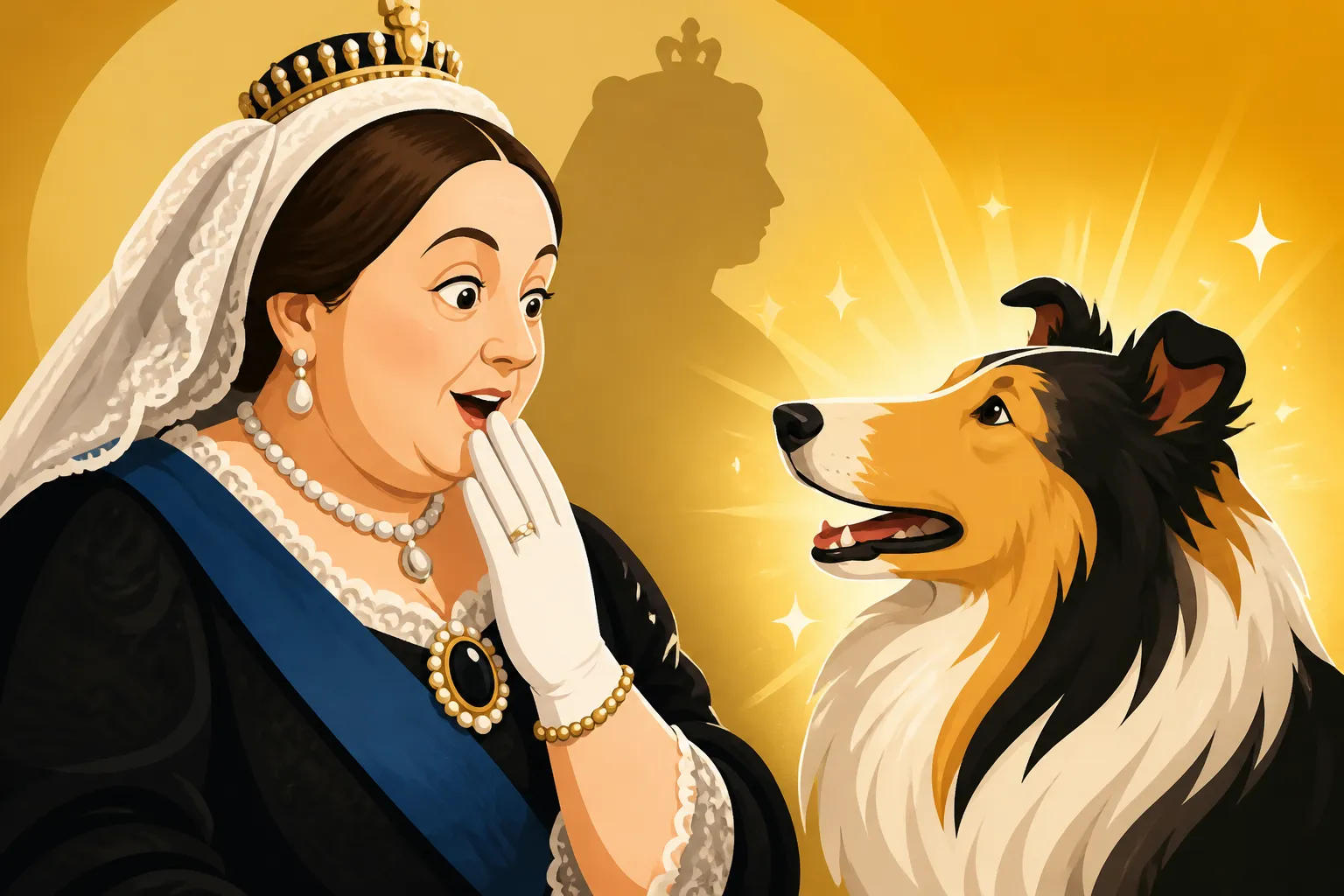
It's a moment often cited as the turning point for the breed, when the Collie truly began its ascent from working dog to royal favorite and, eventually, household name. Queen Victoria, known for her profound love of animals and her keen interest in natural history and rural life, was a significant figure in the popularization of many dog breeds during her long reign. Her endorsement was the ultimate seal of approval, a kind of royal influencer effect that guaranteed a breed's newfound celebrity status among the elite and, subsequently, the wider public.
Her connection to Scotland was deep and personal, especially through Balmoral Castle, her beloved Scottish estate. It was here, amidst the rugged beauty of the Highlands and the quiet grandeur of her private retreat, that she would often encounter the dogs that worked the local estates, crofts, and farms. These were the true, unembellished working Collies, entirely devoid of any pretensions of grandeur, and they captured her attention not for their fancy pedigrees or fashionable breeding, but for their striking appearance, their undeniable intelligence, and their noble, self-possessed demeanor.
The Balmoral Connection
Queen Victoria first visited Balmoral in 1848, and over the years, she developed a profound and lasting affection for Scotland, its wild landscapes, and its resilient people. It was during her extended stays there, often spending weeks or even months away from the bustle of London, that she would have seen the local shepherds and drovers working their dogs with effortless skill. These Collies, with their keen eyes, tireless energy, and innate understanding of their duties, were an integral and impressive part of the Scottish landscape, almost as wild and free-spirited as the heather-covered hills themselves.
While it's difficult to pinpoint the exact day, month, or even year of her "first sight" – as history rarely offers such precise details for casual observations – historical accounts and her own journals strongly suggest that her appreciation for the Collie solidified in the 1860s. By this decade, Collies were firmly on her radar, and she began to acquire them for her own kennels at Windsor and Balmoral. This wasn't an instant, singular epiphany, but rather a gradual appreciation born from repeated, intimate observations of these remarkable animals in their natural element. She recognized something truly special in these dogs, something beyond their purely practical purpose. She saw grace, intelligence, and an inherent dignity that resonated deeply with her own sensibilities. This marked the precise moment Queen Victoria Made the Collie Fashionable in the 1860s.
This was a time when the world was expanding, and so was our understanding of animal intelligence. Victoria, a forward-thinking monarch in many ways, was receptive to recognizing the profound capabilities of these working dogs. She understood the quiet dedication that drove them and the unique bond they shared with their handlers.
Acquiring Royal Collies
Once Queen Victoria developed an interest, it wasn't long before Collies became an esteemed part of her extensive canine retinue. She was known to acquire dogs that caught her eye during her various travels across her kingdom or those that were gifted to her by loyal subjects or grateful handlers. While specific names of her very earliest Collies might not be universally documented in every public record, her fondness for them became well-known throughout her court and beyond. Importantly, these were not the meticulously bred show dogs of later years, developed for specific aesthetics, but rather robust and intelligent representatives of the working stock she so admired. She sought out genuine working dogs, often directly from the shepherds themselves, valuing their authenticity and proven abilities.
Her acquisition of Collies, sometimes directly from humble Scottish shepherds, was a clear and unambiguous signal to the rest of the country. If the Queen, the very head of the British Empire, found these dogs worthy of her royal household, then they must indeed possess exceptional qualities and considerable merit. This royal patronage wasn't just a fleeting fancy or a casual whim; it was a serious and deliberate endorsement that immediately elevated the breed's profile from provincial workhorse to a dog of national interest. It validated the shepherds' generations-long choice of companion and sparked a wave of intense interest that spread rapidly through the upper echelons of society and into the broader public consciousness. The fact that Whether Queen Victoria Kept Collies at Balmoral became a topic of public interest speaks volumes about her influence. She effectively made them desirable.
This endorsement did more than just boost popularity; it shifted the perception of what a "respectable" dog could be. The idea of a working dog being elevated to a royal pet was transformative, demonstrating that true nobility could be found in utility and intelligence, not just in pampered lineage.
Royal Endorsement and Public Fascination
Queen Victoria's admiration for the Collie was far from a private affair; in fact, little about a monarch's life truly remains private. As the reigning sovereign, her personal preferences and interests often set trends that rippled powerfully through British society, influencing everything from fashion and architecture to leisure pursuits and, most certainly, to pet ownership. When she expressed a fondness for Collies, it wasn't long before these majestic dogs began appearing in the homes and estates of the aristocracy, eager to emulate their sovereign's discerning taste. This royal seal of approval acted as a powerful and unmistakable catalyst, transforming the Collie's status almost overnight from an obscure working breed to a highly sought-after companion.
The impact was immediate and remarkably widespread. No longer were Collies seen merely as rugged, utilitarian working dogs; they were now perceived as elegant, intelligent companions, worthy of royal palaces and grand country houses, embodying a certain sophisticated wildness. This dramatic shift in perception spurred an intense public fascination, leading to a dramatic increase in demand for the breed across various social strata. Everyone, it seemed, wanted a "Queen's dog."
The Ripple Effect in Victorian Society
The Victorian era was a time of burgeoning interest in purebred dogs, and dog shows were becoming increasingly popular as social events and platforms for showcasing canine excellence. Queen Victoria's involvement in these circles, often as a patron, an enthusiastic attendee, or even an exhibitor of her own beloved dogs, amplified her influence exponentially. When her Collies began to be noticed and admired, it instantly legitimized the breed in the eyes of the burgeoning dog fancy. Aristocrats, aspiring gentry, and even the growing middle classes, who often looked to royalty for cues on taste, propriety, and acceptable leisure activities, quickly followed suit. Owning a Collie became more than just acquiring a pet; it became a distinct sign of status, good breeding, and a refined sensibility.
This sudden surge in popularity, while beneficial for the breed's recognition, wasn't without its complications, of course. Demand often outstripped the existing supply of well-bred working dogs, leading to some rushed and sometimes less-than-responsible breeding practices as opportunistic individuals sought to cash in on the "Collie craze." However, it also meant that a new generation of serious and dedicated breeders began to emerge. These breeders focused intently on refining the Collie's appearance to meet the new aesthetic ideals of the show ring while striving, often admirably, to retain its inherent intelligence, biddability, and gentle disposition. The breed transitioned from a purely utilitarian role to one encompassing both work and companionship, and eventually, becoming a star of the burgeoning show circuit. What Royal Approval Did to Collie Demand truly captures the essence of this societal shift.
Collie Portrayals in Art and Literature
As the Collie's popularity soared, so too did its representation in the popular culture of the time. Artists, ever keen to capture the zeitgeist, began to depict Collies in various settings, often alongside their aristocratic owners in stately portraits, in idyllic pastoral scenes, or even as heroic figures in narrative paintings. These artistic portrayals further cemented the breed's image as noble, graceful, intelligent, and deeply loyal. Paintings of the era, from formal compositions to more casual sketches, showcase the growing appreciation for the Collie's distinctive features, from its expressive, almond-shaped eyes to its abundant, flowing coat.
Similarly, Collies began to appear more frequently in literature, often embodying virtues like unwavering loyalty, quiet courage, profound sagacity, and an almost intuitive understanding of human emotions. While the famous "Lassie" character, who would become a global sensation, wouldn't emerge until the 20th century, the groundwork for the Collie as a beloved and heroic figure in popular storytelling was undoubtedly laid during this transformative Victorian period, thanks in no small part to the powerful effect of royal endorsement. These literary and artistic depictions helped to profoundly shape public perception and deepen the emotional connection people felt towards the breed, moving them beyond mere utility to a position of cherished family member and even a symbol of ideal canine companionship.
The Transformation of the Collie Breed
The sudden and intense attention brought by royal patronage inevitably led to significant, sometimes profound, changes within the Collie breed itself. What was once a diverse group of regional working dogs, bred almost exclusively for their functional abilities and resilience in harsh environments, now faced a new and powerful selective pressure: aesthetics. Breeders, eager to meet the soaring demand and gain recognition and prizes in the nascent dog show world, began to focus more intently on developing a standardized, visually appealing appearance.
This period marked a crucial pivot point in the breed's history, where the "type" of Collie that was admired for its prowess in the fields began to noticeably diverge from the "type" that was celebrated in the show ring. While the underlying intelligence, biddability, and herding instinct generally remained, the emphasis on specific visual characteristics became paramount. The elegant, long-headed profile, the profuse and luxurious coat, the perfectly tipped ears, and the characteristic markings started to be emphasized, refined, and even exaggerated through selective breeding.
Developing the Show Standard
Before Queen Victoria's influential interest, there wasn't really a unified "breed standard" for Collies that transcended local variations. Each region had its own preferences, often dictated by the specific demands of the terrain, climate, and type of livestock, and functionality was always the guiding principle. A good working dog was simply one that excelled at its job, regardless of whether its head was perfectly proportioned, its stop was well-defined, or its coat was perfectly feathered according to later aesthetic ideals. However, with the rise of formal dog shows, standardization became absolutely essential for fair judging and consistent breeding goals.
The initial breed standards, heavily influenced by the dogs that were gaining favor in exhibition halls and royal kennels, began to meticulously describe features like the elongated, refined head, the characteristic semi-prick ears, and the dense, flowing double coat. Breeders then focused intensely on selecting for and, in some cases, even exaggerating these traits to create a more "finished" and aesthetically pleasing animal. This period saw a concerted and deliberate effort to create a consistent, recognizable "Collie" that could not only win ribbons and accolades but also capture the public's imagination with its striking beauty. The result was a dog that looked increasingly distinct from its rugged, purely utilitarian ancestors, yet retained an undeniable charm, intelligence, and noble presence. This pursuit of specific aesthetics ultimately led to discussions about Whether the Victorian Show Ring Changed the Collie's Head and how the breed's appearance evolved. The Collie Standard Has Changed Since 1900 further elaborates on this fascinating and sometimes controversial evolution.
Rough vs. Smooth Collies
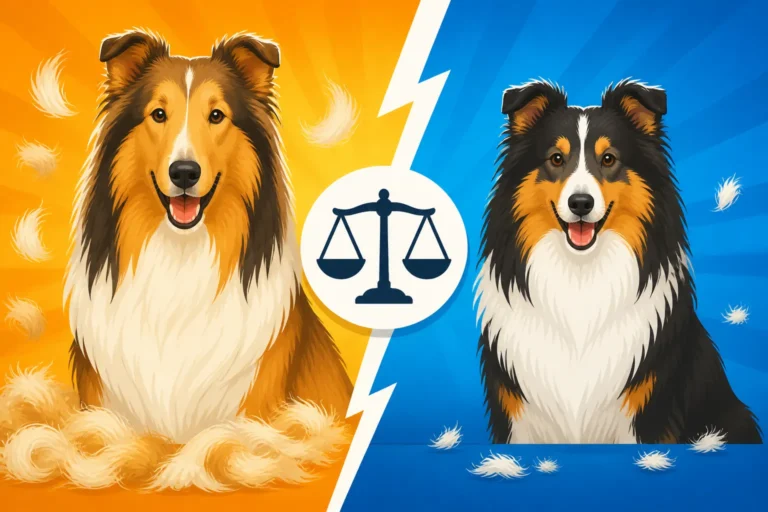
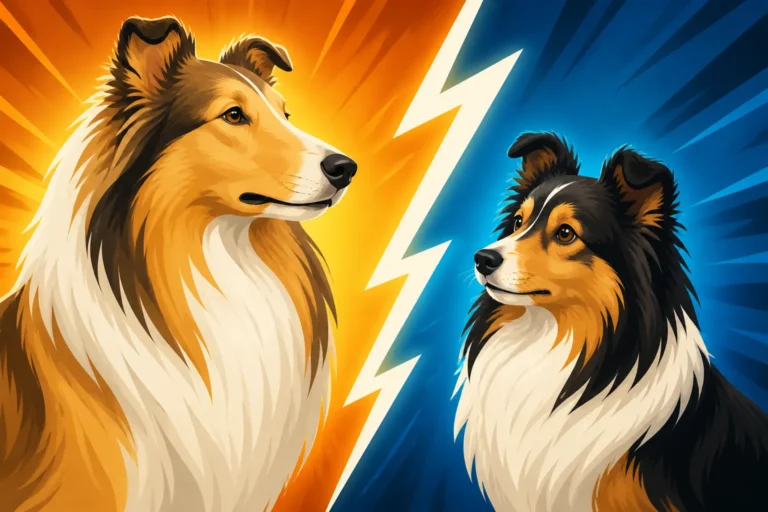
An interesting and significant aspect of this transformation was the increasing distinction between the Rough Collie (the long-coated variety) and the Smooth Collie (the short-coated variety). While both coats existed as working dogs and were considered part of the same genetic pool, the Rough Collie, with its more dramatic and elegant appearance, particularly its abundant mane, impressive frill, and feathered legs, quickly became the darling of the show ring and the preferred choice for those seeking a majestic companion. This wasn't because the Smooth Collie was less capable, less intelligent, or less loyal; it was purely an aesthetic preference driven by the evolving tastes of the era, which favored extravagance and visual flair.
The Rough Collie's luxuriant coat, which had once served as vital protection against the formidable elements of the Scottish glens and moors, was now valued for its sheer beauty and the grooming challenges it presented. Ironically, this symbol of resilience in the working world became a symbol of leisure and dedicated care in the new Victorian context, requiring significant time and effort to maintain. While the Smooth Collie continued its invaluable work on farms, and remains a beloved and highly capable variety today, the Rough Collie became the iconic image of the breed in the public consciousness, largely due to its overwhelming popularity in the show ring and the clear favor shown to it by royalty. This divergence highlights that Rough and Smooth Are Two Varieties of One Collie but their paths in popular perception diverged significantly during this period.
Lasting Legacy: Queen Victoria's Enduring Influence
Queen Victoria's impact on the Collie breed was monumental and undeniably long-lasting, far beyond a mere fleeting trend. Her initial interest didn't just provide a temporary boost in popularity; it fundamentally altered the trajectory of the breed, shaping its physical characteristics, elevating its social standing, and ultimately dictating much of its future development. Without her royal patronage and the visibility she bestowed upon these dogs, it's highly probable that the Collie would have remained a relatively obscure, regional working dog, appreciated only by those who directly relied on its skills, rather than becoming the global icon it is today.
Her role underscored the immense power of celebrity endorsement, even in the nascent media landscape of the 19th century. She transformed a utilitarian animal, known primarily for its ability to manage livestock, into a captivating symbol of grace, intelligence, and devoted companionship. This profound shift paved the way for the Collie's integration into countless homes worldwide, from humble abodes to grand estates. The Collies of today, whether they are elegantly gracing a show ring, demonstrating their intelligence in an obedience trial, or simply curled up on a living room rug, carry the echoes of that pivotal Victorian shift in their very lineage and public perception.
The Shift from Work to Companion
Perhaps the most significant and far-reaching legacy of Queen Victoria's interest was the repositioning of the Collie from a purely working animal to a cherished and respected family companion. While many Collies continued to work in traditional roles, and still do in various parts of the world, the door was unequivocally opened for them to enter homes where their primary role was that of a beloved pet, a member of the family unit. This shift demanded a subtle but important alteration in desired temperament; while intelligence and loyalty were always prized attributes, an eagerness for human companionship, a gentle demeanor, and an adaptability to indoor living became equally, if not more, important traits for home life.
This newfound emphasis on companionship meant that breeders, while still valuing the Collie's formidable intelligence, also began to selectively breed for dogs that were more amenable to indoor living, tolerant of children, and eager for interaction with their human "flock." The Collie's natural sensitivity, its strong desire to be part of its family unit, and its innate desire to please its owner made this transition relatively smooth and successful. It laid the crucial foundation for the breed's enduring reputation as excellent family dogs – known for being patient with children, watchful, and deeply devoted to their owners – traits that remain highly valued by Collie enthusiasts and prospective owners to this very day. Their suitability for family life made them a popular choice for those seeking a gentle giant.
The Foundation of Modern Collie Breeding
The era ushered in by Queen Victoria's interest was also the period when modern Collie breeding truly took root and became a structured, purposeful endeavor. Dedicated kennels emerged, often run by passionate individuals who saw the potential for the breed to achieve greatness. Systematic breeding programs were established, often with meticulous record-keeping and a clear vision for the future of the breed, guided by the newly forming breed standards. This rigorous and focused approach, emphasizing both physical form (conformation) and a stable, intelligent temperament, helped to solidify and consistently produce the characteristics that define the Collie we recognize today.
Many of the foundational bloodlines of today's Collies, dogs whose names appear repeatedly in pedigrees, can be traced directly back to this pivotal Victorian period. It was a time when serious breeders began to meticulously record pedigrees, carefully select breeding pairs, and selectively breed for desired traits that aligned with the emerging show ring ideals while striving to maintain the breed's inherent virtues. This historical link profoundly highlights how deeply Queen Victoria's influence permeated the very structure of the breed's development, creating the enduring framework within which Collies have been bred and admired ever since. It was a time of intense focus and dedication, laying the crucial groundwork for future generations of these magnificent and intelligent dogs.
Beyond the Monarchy: The Collie's Path to Pop Culture
While Queen Victoria undoubtedly opened the first, crucial door for the Collie, providing its initial springboard to widespread recognition, its journey to enduring global fame didn't end with her reign. Her royal endorsement set the majestic stage, but it was the subsequent popular culture phenomena of the 20th century that truly cemented the Collie's place in the global consciousness. The image of the intelligent, loyal, and brave Collie, first recognized and admired by a queen, was amplified a thousandfold through various media, particularly the powerful new mediums of film and television.
This continued evolution saw the Collie transform from a beloved royal companion into a ubiquitous household name and a cherished symbol of canine heroism for multiple generations. The breed's inherent qualities – its striking appearance, its sharp intelligence, its gentle demeanor, and its profound loyalty – initially appreciated by hardworking shepherds and then by discerning royalty, proved to be perfectly suited for storytelling. These attributes allowed the Collie to captivate audiences worldwide and inspire countless tales of canine devotion.
Lassie: The Ultimate Collie Icon
Without question, the single most powerful force behind the Collie's enduring global popularity was the creation of the fictional character, Lassie. This iconic figure, first appearing in Eric Knight's deeply moving 1938 novel Lassie Come Home, and then brought to vivid, unforgettable life by Pal, a remarkably intelligent male Rough Collie, in the seminal 1943 film adaptation, became an immediate and overwhelming sensation. Lassie, through her cinematic and televised adventures, embodied every admirable trait ever associated with the breed: unparalleled loyalty, remarkable intelligence, unwavering courage, and an almost supernatural ability to find her way home or rescue those in peril.
The original film and the subsequent incredibly popular television series created a powerful, romanticized image of the Collie that resonated deeply with the public across continents. For many children and adults alike, Lassie was the quintessential Collie, and her heartwarming adventures cemented the breed's reputation as the ultimate family dog and an undeniable hero. The character transcended mere entertainment, becoming a true cultural touchstone that profoundly influenced public perception of dogs in general, and Collies in particular, for decades to come. This phenomenon, where A Dog Named Pal Played Lassie and Changed the Breed Forever, had an impact few other dogs in history can claim. The loyalty and intelligence displayed by Lassie set an incredibly high bar for what a dog could be.
Enduring Appeal and Modern Challenges
Even today, decades after her screen debut, the "Lassie effect" continues to subtly shape perceptions of the Collie. Many people who consider bringing a Collie into their home do so with the expectation of acquiring a dog with Lassie's almost mythical intelligence, intuitive understanding, and gentle nature. While real Collies are indeed highly intelligent, deeply affectionate, and incredibly biddable dogs, they are still dogs, not mythical heroes capable of understanding complex human language or performing impossible feats of rescue. Owning one comes with its own unique set of responsibilities, particularly regarding the extensive grooming needs of their famous coats and their natural, sometimes quite pronounced, vocal tendencies.
The lasting appeal of the Collie is a testament to its intrinsic qualities, which were first recognized in the rugged Scottish Highlands, amplified by historical events like Queen Victoria's patronage, and then massively propelled by powerful cultural portrayals. However, like many breeds that have experienced intense popularity, the Collie has also faced challenges related to periods of irresponsible breeding, often aimed at capitalizing quickly on public demand without prioritizing health or sound temperament. This makes it all the more important for prospective owners today to seek out reputable and ethical breeders who prioritize the health, temperament, and genetic soundness of their dogs, ensuring that the noble legacy of this magnificent breed continues to thrive for generations to come. Despite its enduring charm, Why the Collie Fell Out of the Top Fifty shows that even iconic breeds face fluctuating popularity and changing preferences among pet owners.
| Characteristic | Before Queen Victoria's Influence (e.g., Early 1800s) | After Queen Victoria's Influence (e.g., Late 1800s / Early 1900s) |
|---|---|---|
| Primary Role | Indispensable working dog, shepherd's aid | Cherished companion, show dog, family pet (also continued work) |
| Breeding Focus | Functionality, herding ability, resilience | Aesthetics, conformity to breed standard, temperament for home |
| Appearance | Varied, utilitarian; local types, robust build | Standardized, refined, long-headed, profuse coat emphasized, elegant |
| Public Perception | Rugged, rural, laboring animal, often overlooked | Noble, elegant, intelligent, prestigious, highly desired |
| Demand | Limited to working agricultural communities | Widespread, growing rapidly among aristocracy and middle class |
| Social Status | Low; associated with peasantry and working class | High; symbol of status, good breeding, and refined taste |
Disclaimer
This article is for general informational purposes only and does not constitute professional advice. Laws, prices and regulations vary by location and change over time. Consult a qualified professional for guidance on your specific situation.