Whether Queen Victoria Kept Collies at Balmoral
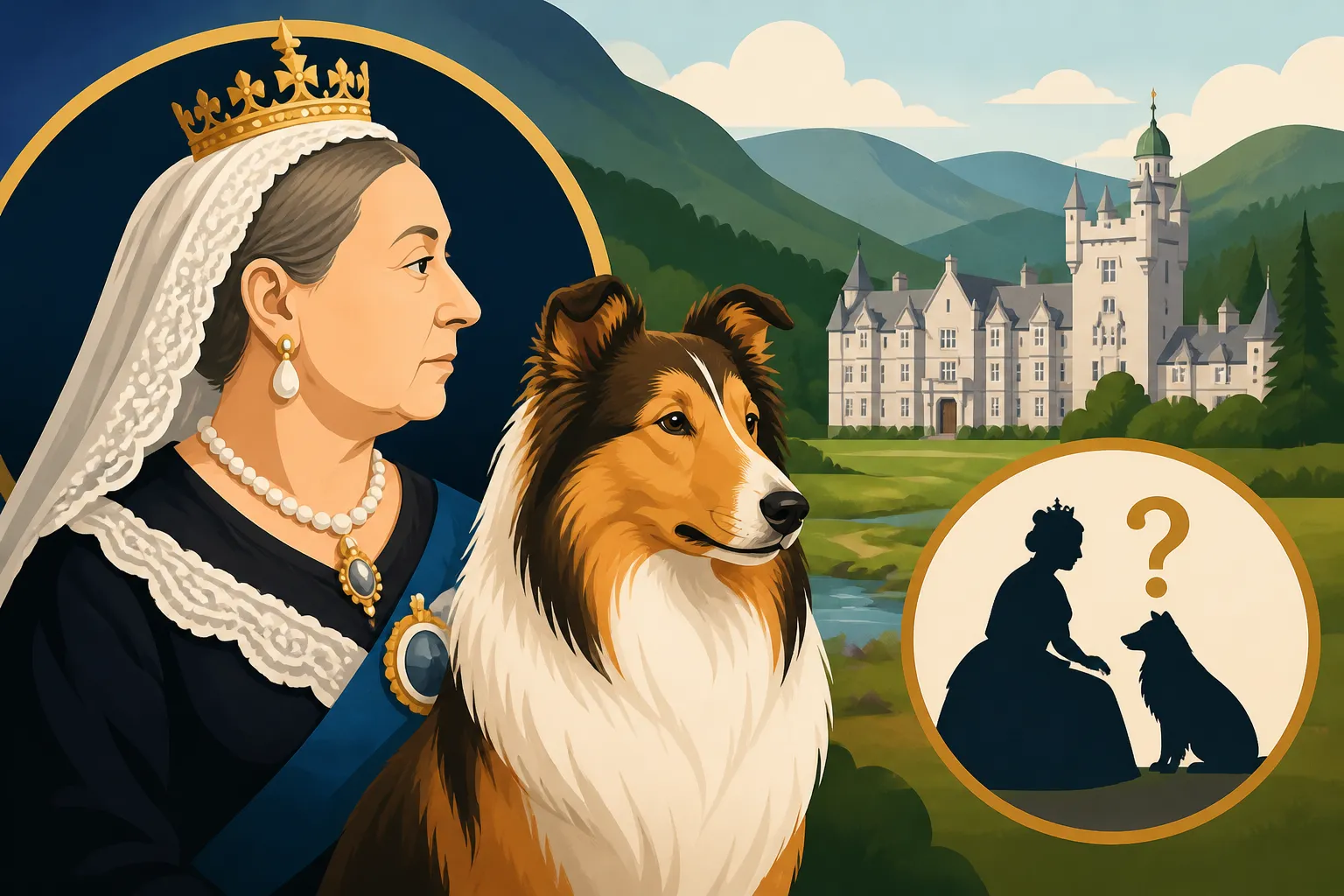
It’s a fascinating thought, isn’t it? The idea of a majestic Collie running through the rugged Scottish Highlands, perhaps at the heels of Queen Victoria herself. Many of us know the story of Queen Victoria's deep love for dogs and how her affection helped elevate several breeds from working stock to fashionable companions. When we think of her, we often picture her at Balmoral, her beloved Scottish estate, and it’s natural to wonder if her passion for Collies extended to bringing them to this wild, beautiful place. This guide will explore the historical evidence and common beliefs surrounding Queen Victoria's relationship with the Collie breed, particularly in the context of her time at Balmoral.
Queen Victoria’s Royal Endorsement and the Collie’s Rise
Queen Victoria was more than just a monarch; she was a trendsetter, and her personal preferences had an enormous impact on popular culture, including the world of dog breeds. Before her reign, the Collie was primarily known as a hardworking sheepdog in Scotland, valued for its intelligence and herding prowess. It was a dog of the fields, not the palaces. However, this all began to change when the Queen's attention turned to these striking, intelligent canines.
Her Early Encounters with Collies
Queen Victoria first truly noticed the Collie during her visits to Scotland, particularly during her early stays at Balmoral in the mid-19th century. Imagine her traveling through the wild landscapes, witnessing these magnificent dogs at work, effortlessly controlling flocks of sheep across vast, heather-covered hills. These were not the stylized, long-nosed show Collies we might envision today, but rather sturdy, practical working dogs, bred for function over form. Their keen intelligence, loyalty, and striking appearance in their natural element undoubtedly caught her royal eye. These early encounters planted the seed for what would become a lifelong admiration, and it’s easy to see how anyone would be charmed by a Collie in its element. It’s the kind of experience that makes you appreciate the raw beauty and purpose of a breed, a far cry from just seeing them in a city park.
The Royal Seal of Approval
Once Queen Victoria expressed her admiration for Collies, the breed’s status began to change dramatically. Her interest elevated them from humble working dogs to pets fit for royalty. She acquired several Collies throughout her life, and their presence in her kennels, and importantly, in her personal life and portraits, sent a clear message to the upper echelons of society: Collies were now fashionable. This royal endorsement led to a surge in popularity, not just in Britain but across the globe. Everyone wanted a dog like the Queen's, transforming the Collie from a regional specialist into a beloved companion. This shift was incredibly significant, changing the breed's trajectory forever and influencing its development as a show dog. If you're curious about this pivotal moment, you can delve deeper into What Royal Approval Did to Collie Demand.
Balmoral Castle and the Scottish Highlands
Balmoral Castle, situated in the heart of Royal Deeside, Aberdeenshire, was Queen Victoria’s private retreat, a place where she could escape the rigid formalities of court life and truly connect with nature. It’s an iconic location inextricably linked with her reign and her love for Scotland.
The Estate’s Natural Environment
The landscape surrounding Balmoral is rugged, expansive, and breathtakingly beautiful. Think dense forests, towering mountains, swift rivers, and wide-open moorlands. It’s precisely the kind of terrain where a working herding dog would thrive. Sheep and cattle were (and still are) a part of the agricultural landscape of the Scottish Highlands, making the presence of herding dogs a practical necessity. The natural environment of Balmoral would have provided the perfect backdrop for Collies, allowing them to engage their instincts, whether actively working or simply enjoying the vast spaces. This context makes the idea of Collies at Balmoral not just romantic, but also very logical. They fit the environment like a glove.
Collies as Working Dogs in Scotland
Before their royal fame, Collies were indispensable to Scottish shepherds. They were known for their exceptional intelligence, stamina, and an innate ability to manage livestock. These were dogs bred for generations to cover vast distances, make independent decisions, and respond to subtle commands. The Collies Queen Victoria would have encountered in Scotland were, first and foremost, working animals. They were probably quite different in appearance from the modern show Collie, perhaps smaller, hardier, and with less extravagant coats, perfectly suited to the harsh Scottish weather. The Collie Was a Scottish Droving Dog Before It Was a Show Dog really hammers home how vital they were to rural life. Even if Victoria primarily kept them as companions at Balmoral, their inherent working drives would have remained, a testament to their heritage.
Did Queen Victoria Keep Collies at Balmoral?
So, did the Queen actually bring her beloved Collies to her Scottish sanctuary? The answer, unequivocally, is yes. Balmoral was her escape, and her dogs were a significant part of her private life there.
Documenting Royal Pets
Historical records, paintings, and personal writings offer plenty of evidence of Queen Victoria’s affection for Collies and their presence at Balmoral. She often had artists paint her dogs, and her journals frequently mention them by name. One particularly famous Collie named Noble was a favorite of the Queen's, and he was very much a fixture at Balmoral. Noble was known for his calm temperament and intelligence, often accompanying the Queen and Prince Albert on their walks across the estate. This wasn't just a casual passing interest; these dogs were integrated into her daily life, reflecting a deep personal bond that many of us Collie owners understand implicitly. It's truly wonderful to think that our love for these dogs mirrors that of a queen from centuries past.
Here’s a glimpse into the kind of Collie traits appreciated during Victoria's time:
| Trait | Victorian Era Collie (Working) | Modern Collie (Companion/Show) |
|---|---|---|
| Primary Role | Herding livestock, farm guardian | Family companion, show dog |
| Appearance | Sturdy, practical coat, moderate size | Elegant, abundant coat, refined head |
| Temperament | Independent, intelligent, hardy | Gentle, devoted, sensitive |
| Exercise Needs | High, requires mental stimulation | Moderate to high, adaptable |
| Coat Care | Minimal, self-maintaining | Significant, regular grooming |
Artists and Writers Capturing the Era
Beyond the Queen’s own records, numerous artists and writers of the era depicted Queen Victoria with her dogs, and many of these works were set against the backdrop of Balmoral. These visual and textual accounts provide invaluable insights into the daily life of the royal family and their canine companions. Imagine a painting of the Queen in her Highland dress, her loyal Collie, perhaps Noble, sitting regally beside her amidst the heather and crags. These portrayals weren’t just flattering portraits; they were snapshots of a cherished reality, showcasing the deep affection the Queen held for her dogs and how integral they were to her life at Balmoral. Even photographs from the later part of her reign show her surrounded by her beloved pets, Collies often among them, truly cementing their place in royal history.
The Legacy of Royal Collies at Balmoral
Queen Victoria's association with Collies at Balmoral left an indelible mark on the breed, influencing its trajectory for generations to come. Her personal choice had far-reaching consequences that are still felt in the Collie world today.
Impact on Breed Popularity
The sheer fact that Queen Victoria, the most powerful woman in the world, openly adored Collies meant their popularity skyrocketed. Suddenly, a breed that had been largely unknown outside of rural Scotland became a sought-after pet in parlors and estates across the British Empire and beyond. This newfound fame didn’t just create demand; it also changed how Collies were bred. Breeders began to focus more on aesthetic qualities that appealed to the show ring and companion homes, rather than purely on working ability. This is where the divergence between working lines and show lines really began, something explored in depth in Whether Working Collies and Show Collies Diverged. It’s a classic example of how royal trends can profoundly shape a breed's future.
Shaping the Collie’s Image
The image of the Collie as a loyal, intelligent, and beautiful companion was solidified by Queen Victoria's patronage. Her Collies, particularly those associated with the romantic setting of Balmoral, contributed to an idealized perception of the breed. This image was further amplified by popular literature and eventually by iconic figures like Lassie, though that came much later. The royal connection gave the Collie a certain prestige and elegance that has endured. It presented them as dogs of noble character, devoted to their owners, a perception that rings true for many Collie enthusiasts even today. This historical context provides a rich backdrop for understanding the breed's enduring appeal.
Exploring the Historical Connection to Balmoral
The connection between Queen Victoria and her Collies, especially at Balmoral, highlights a significant period in the breed’s history. It’s a story of how a working dog found favor with royalty and, in turn, gained global recognition.
Connecting to Collie History and Heritage
Understanding this historical link helps us appreciate the Collie's journey from the Scottish hills to beloved family pets. It reminds us that every breed has a rich past that shapes its present characteristics and temperament. Knowing that a Collie like yours might share lineage with the dogs that walked the Balmoral estate adds a layer of depth to your relationship with your own furry friend. It's a testament to the breed's enduring qualities of intelligence, loyalty, and striking beauty that captivated a queen and continue to captivate us today. When you see your Collie gazing out the window, you might just imagine a touch of that royal dignity in their posture.
The Role of Scottish Culture
Balmoral wasn't just a place for Queen Victoria; it was a symbol of her deep affection for Scotland and its culture. Her embrace of Collies can also be seen as an embrace of Scottish heritage. These dogs were, after all, icons of the Scottish landscape and way of life. By bringing them into her personal sphere at Balmoral, she not only elevated the breed but also celebrated a piece of Scottish identity. This cultural immersion was a significant part of her experience there, and her Collies were an extension of that. This deep connection to place and culture is something that still resonates with many Collie owners today, appreciating the breed's proud Scottish roots.
Researching Your Own Breed’s History
Perhaps learning about Queen Victoria’s Collies has sparked your own interest in your dog’s lineage or breed history! It’s a wonderful journey to embark on, and there are many resources available for the curious owner.
Utilizing Breed Club Resources
One of the best places to start your historical research is through national and local breed clubs. Organizations like the Collie Club of America are treasure troves of information, often maintaining archives, historical photos, and lineage records that trace back generations. These clubs are usually passionate about preserving their breed's history and can offer guidance on where to find reliable information. They might even have dedicated historians or publications that delve into specific aspects of the breed’s past, like how the breed standard evolved or key figures who influenced its development. Connecting with these groups can open up a whole new world of understanding for you and your Collie.
Exploring Historical Archives and Literature
For the truly dedicated, historical archives, university libraries, and even online digital archives can provide a wealth of primary source material. Think old dog show catalogs, breed books from the late 19th and early 20th centuries, and even general historical texts that mention canine companions. Sometimes, a casual mention in a Victorian-era novel or a detailed description in an old farming manual can provide fascinating insights into how Collies were viewed and lived in different periods. Places like the Kennel Club Library or specialized university collections often have extensive holdings. And don't forget the power of a good search engine; many historical documents are being digitized, making it easier than ever to explore. When considering what kind of historical artifacts were relevant, think about things like:
- Victorian art and photography: Often depicted dogs with their owners.
- Royal journals and correspondences: Personal accounts detailing pets.
- Early dog show records: Documenting breed standards and winners.
- Newspaper articles: Reporting on popular trends and royal activities.
- Breed club publications: Historical newsletters and yearbooks.
When you're diving into these resources, whether it’s through a breed club or historical archives, it's always helpful to keep an eye out for details specific to your Collie's heritage. Perhaps you'll find information about specific lines or even regional variations in the breed's development. Ensuring your Collie is well-cared for while you're busy researching is important too; you can often find great deals on enrichment toys and comfortable beds from reputable online retailers like Chewy, perfect for keeping them happy while you're lost in history books.
Connecting the Past to Present Day Care
Understanding the historical context of the Collie breed, including its royal connections and working origins, can even influence how we care for our dogs today. It reminds us of their innate intelligence and their need for mental stimulation, not just physical exercise. A Collie that once herded sheep for hours might not need to do that every day now, but they still benefit greatly from puzzle toys, training sessions, and engaging activities that challenge their minds. Forty Five Minutes a Day, and Half of It in Its Head talks exactly about this. This historical perspective helps us honor their heritage by providing a life that caters to their natural instincts. And speaking of care, if you're ever looking for high-quality, durable toys that stand up to an intelligent Collie's play, you'll find a fantastic selection at Chewy, ensuring your dog's mind and body are well-stimulated.
The story of Queen Victoria and her Collies at Balmoral is a beautiful testament to the enduring bond between humans and dogs. It’s a narrative that intertwines royalty, nature, and the rise of a beloved breed, reminding us of the rich history behind our own furry family members.
Disclaimer
This article is for general informational purposes only and does not constitute professional advice. Laws, prices and regulations vary by location and change over time. Consult a qualified professional for guidance on your specific situation.