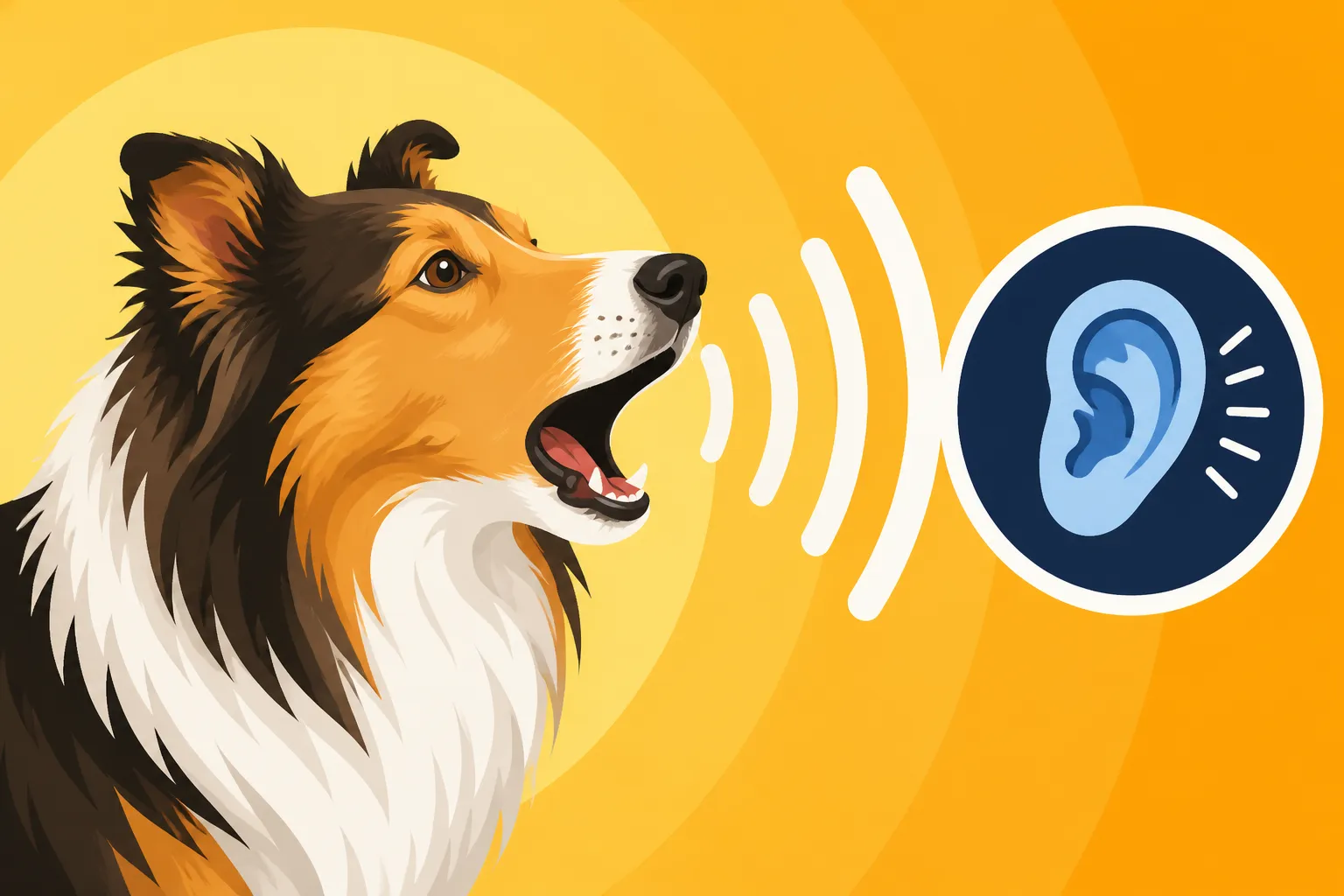
How Loud a Collie’s Bark Is
Oh, the Collie bark! It’s one of those things you don't truly grasp until you live with it, isn't it? That deep, resonant "woof" can certainly carry, and if you're feeling a bit overwhelmed by the sheer volume, believe me, you are not alone. Many a new Collie owner has found themselves surprised by just how much vocal presence these beautiful dogs possess. This guide is here to shed some light on the true intensity of a Collie's bark and offer practical, empathetic advice on how to navigate this rather significant part of living with our beloved Lassie-lookalikes.
Understanding the Collie Bark: It's More Than Just Noise
When we talk about how loud a Collie's bark is, we're not just discussing a sound; we're talking about an experience. It's the sudden jolt that makes you drop your coffee, the persistent alert that has your neighbors raising an eyebrow, or the frantic outburst when a squirrel dares to cross the yard. For many, the sheer volume of a Collie's bark is a significant point of concern and a key reason people look for solutions. It’s not just an occasional peep; it can be a full-throated, powerful declaration.
The Anatomy of a Collie Bark: What Makes it Resonate
Collies, being herding dogs, were historically bred to communicate over distances with their shepherds and other dogs, often in windy, open fields. This means they developed strong, clear, and yes, loud barks. Their physical build contributes to this: a deep chest and a robust vocal apparatus allow them to produce a sound that truly travels. It's not a yappy bark like some smaller breeds; it's a profound, resonant sound that feels like it vibrates through the very foundations of your home. Imagine a booming tenor voice compared to a high-pitched soprano – that's the difference.
When your Collie barks, especially in an alarm situation, they're typically putting their whole body into it. You'll see their chest expand, their neck muscles tense, and sometimes even a little shimmy of their hindquarters. All of this combines to create a powerful acoustic output. It's a natural instinct, deeply ingrained, and for them, it's simply an effective way to get a message across. For us, however, that message can feel like a sonic assault, particularly indoors where sounds echo and amplify.
Comparing Collie Barks to Other Breeds
To truly appreciate the loudness of a Collie's bark, it helps to put it into perspective. While individual dogs vary, and a calm, well-trained Collie might bark less, the potential for volume is definitely there. Generally, a Collie's bark can range anywhere from 80 to 100 decibels (dB), especially when they're truly invested in their message. To give you some context, here's a table comparing typical decibel levels for various sounds:
| Sound Source | Approximate Decibel Level (dB) | Impact / Notes |
|---|---|---|
| Whisper | 30 | Very quiet, barely audible |
| Normal Conversation | 60 | Typical background noise, comfortable |
| Vacuum Cleaner | 70 | Annoying over prolonged periods |
| Collie Bark (typical) | 80-100 | Can be startling, above safe exposure limits |
| Lawn Mower | 90 | Hearing damage possible with prolonged exposure |
| Motorcycle | 100 | Hearing damage likely in short time |
| Chainsaw / Rock Concert | 110-120 | Painful, immediate risk of hearing damage |
As you can see, a Collie's bark can easily reach the level of a busy street or even a lawnmower. It's certainly above what's considered comfortable for human ears, especially indoors or in close proximity. This isn't to say every bark will hit 100 dB, but even a sustained 85 dB bark is more than enough to disrupt peace and quiet, wake the baby, or annoy the neighbors. It's a significant factor when considering whether A Collie Suits an Apartment or Whether Neighbors Tolerate a Collie.
Why Your Collie Uses Their Voice So Much
It’s easy to get frustrated by persistent barking, but understanding why your Collie barks is the first step toward managing it. Collies are intelligent, sensitive creatures, and their barks are rarely arbitrary. They are communicating something important to them, even if it feels trivial to us. This breed, in particular, has a strong natural inclination to use their voice, a trait that many Collie owners unfortunately The Bark Is the Trait Collie Owners Underestimate.
The Instinctive Alarm System
One of the most common reasons for a Collie's loud barking is their deeply ingrained alarm system. As herding dogs, they were bred to be vigilant, alerting their flock and shepherd to potential threats. This instinct hasn't vanished just because they now live on your sofa instead of a sheep pasture. They see their home and family as their "flock" and feel a strong responsibility to protect it.
So, when they spot a leaf blowing across the yard, a delivery truck pulling up, or someone walking a dog down the street, their immediate reaction is often to bark. They're telling you, "Hey! Something's out there! I see it! Are you seeing it too?" This protective instinct can be a double-edged sword: it's great for alerting you to genuine dangers, but it can be overwhelming when applied to every perceived anomaly in their environment. This is why you might wonder Whether a Collie Alerts to Everything Outside.
Demand Barking and Attention-Seeking
Another major contributor to a Collie's vocal prowess is demand barking. These intelligent dogs quickly learn that barking gets a reaction from you, even if that reaction is negative. If you've ever found yourself rushing to see what the commotion is about, or telling your Collie to "be quiet!" every time they bark, you might inadvertently be reinforcing the behavior. From your Collie's perspective, "Ah, barking gets attention! Success!"
This can manifest in many ways: barking for food, barking to go outside, barking for a toy, or simply barking because they want you to acknowledge their existence. They are often deeply bonded to their families and crave interaction. If they feel neglected or bored, barking becomes a reliable tool to get your eyes, hands, or even just your voice directed at them. It’s a very common behavior, and it highlights how Harsh Handling Breaks a Collie and It Does Not Come Back if you try to use punitive methods. Positive reinforcement is key here.
Boredom and Under-stimulation
While Collies aren't typically the hyperactive, constantly-needing-a-job dogs that some other herding breeds are, they are still highly intelligent and need mental stimulation. A bored Collie is a creative Collie, and their creativity often expresses itself through barking. If they're left alone for long periods without engaging activities, or if their daily routine lacks variety, they can easily resort to barking out of sheer frustration or under-stimulation.
This isn't just about physical exercise, though that's important too. A Collie needs their mind to be engaged. Puzzle toys, training sessions, short walks with new sniffing opportunities, or even just quiet time spent observing the world from a safe vantage point can help. If you're pondering Whether Forty Five Minutes a Day Is Really Enough for a Collie, consider that mental exercise is just as vital as physical exertion for these thinking dogs. A dog that is mentally tired is often a quieter, happier dog.
Strategies to Manage and Reduce Barking Volume
So, you understand why your Collie barks loudly. Now, what can you actually do about it? The good news is that while you might not eliminate barking entirely (it's part of being a dog!), you can certainly manage and reduce its frequency and intensity. This often involves a multi-faceted approach, combining training, environmental adjustments, and sometimes professional help.
Effective Training Techniques and Tools
Positive reinforcement is your best friend when it comes to managing barking. Punishing a Collie for barking often backfires, making them more anxious or confused, and potentially damaging your bond. Instead, focus on teaching them what you want them to do rather than just scolding them for what you don't.
One excellent technique is teaching a "quiet" cue. You can do this by letting your Collie bark a few times (at a trigger like the doorbell, for instance), then holding a treat to their nose. The moment they quiet down to sniff the treat, reward them and say "Quiet!" Repeat this consistently, gradually increasing the time they need to be quiet before getting the reward. Over time, you can fade the lure of the treat and simply use the "Quiet!" command. For comprehensive guidance on such methods, programs like BAXTER & Bella offer excellent online resources that walk you through step-by-step positive reinforcement training.
Another important aspect is desensitization and counter-conditioning. If your Collie barks at every passerby, try to make those triggers less scary or exciting. Start with the trigger far away (a distant window, perhaps), and reward your Collie with high-value treats for not barking. Slowly, over many sessions, you can decrease the distance. This helps them associate the trigger with good things (treats!) rather than a reason to sound the alarm. If you're wondering Whether a Collie Can Be Taught a Quiet Cue, the answer is a resounding yes, with patience and consistency.
Environmental Management and Enrichment
Sometimes, the simplest solutions involve changing the environment. If your Collie barks at everything outside the window, consider blocking their view. Opaque window film, frosted glass, or even strategically placed curtains or blinds can significantly reduce their visual access to triggers. For instance, Whether Blocking the Window Stops a Collie Barking is often a yes, at least for visual triggers.
Provide plenty of mental and physical enrichment. Remember, a tired Collie is a good Collie! Ensure they get sufficient exercise tailored to their needs. While How Much Exercise a Collie Needs Daily can vary, regular walks, playtime, and opportunities to sniff and explore are crucial. Beyond physical activity, offer mental puzzles, such as snuffle mats or KONG toys filled with treats. You can find a vast array of these enrichment tools on platforms like Amazon. These occupy their minds and give them an appropriate outlet for their energy, reducing the likelihood of boredom barking.
If your Collie barks persistently when you're not home, consider exploring options like doggy daycare or a trusted dog walker. For some Collies, having another canine companion can also help, though this is a significant decision. You might explore Whether a Collie Needs a Second Dog for Company.
When to Seek Professional Help
There are times when barking becomes excessive, disruptive, or even compulsive despite your best efforts. If your Collie's barking is severely impacting your quality of life, causing issues with neighbors, or seems rooted in anxiety or fear, it's absolutely okay – and often necessary – to call in the professionals. A certified professional dog trainer or a veterinary behaviorist can assess your specific situation, identify underlying causes, and develop a tailored behavior modification plan.
They might suggest further investigations into potential medical issues (sometimes pain or discomfort can lead to increased vocalization), or recommend specific training protocols or even medication in severe cases of anxiety. Don't feel ashamed to seek help; canine behavior is complex, and sometimes an outside perspective is exactly what's needed to help both you and your Collie find peace.
Living Peacefully with a Vocal Collie
Learning to live with a vocal Collie is a journey, not a destination. It requires patience, understanding, and a commitment to consistent training and management. While their loud barks can be challenging, remember that it's an inherent part of who they are. The goal isn't to silence them completely, but to teach them when and how it's appropriate to use their voice.
Maintaining Harmony with Neighbors
One of the biggest concerns for owners of vocal dogs is how their Collie's barking impacts neighbors. A persistent, loud bark can quickly become a source of friction. Open communication with your neighbors is crucial. Let them know you're aware of the barking and actively working on it. Sharing your efforts can go a long way in fostering understanding.
Consider strategies like bringing your Collie inside during peak barking times (e.g., mail delivery), providing white noise or classical music when you're out to mask external sounds, and ensuring your dog has plenty of exercise and mental stimulation before you leave the house. If you've addressed the main triggers and still have issues, it might be helpful to ask your neighbors what specifically triggers the barking and at what times, so you can target your training more precisely. This ties into the discussion of Whether Neighbors Tolerated a Collie, and how proactive communication can make a huge difference.
Supporting Your Collie's Emotional Well-being
Ultimately, managing barking is about supporting your Collie's overall emotional well-being. A happy, confident, and well-adjusted Collie is less likely to engage in excessive vocalization. Ensure they have a predictable routine, plenty of positive interaction with you, and opportunities to engage their minds and bodies.
Spend quality time together, reinforcing your bond. Provide a safe and comfortable space for them to retreat to if they feel overwhelmed. Celebrate their quiet moments and reward calm behavior generously. By creating an environment where your Collie feels secure, understood, and adequately stimulated, you'll find that their need to 'shout' at the world diminishes, replaced by a more harmonious and peaceful co-existence. For those truly dedicated to comprehensive training and building a strong foundation, online programs that focus on positive reinforcement and relationship-building can be invaluable.
Collies are wonderful companions, full of loyalty and intelligence. Their bark is just one facet of their complex personalities. With the right approach, you can turn a potential source of frustration into a manageable aspect of life with your beloved herding dog.
Disclaimer
This article is for general informational purposes only and does not constitute professional advice. Laws, prices and regulations vary by location and change over time. Consult a qualified professional for guidance on your specific situation.