Whether a Collie Needs a Second Dog for Company
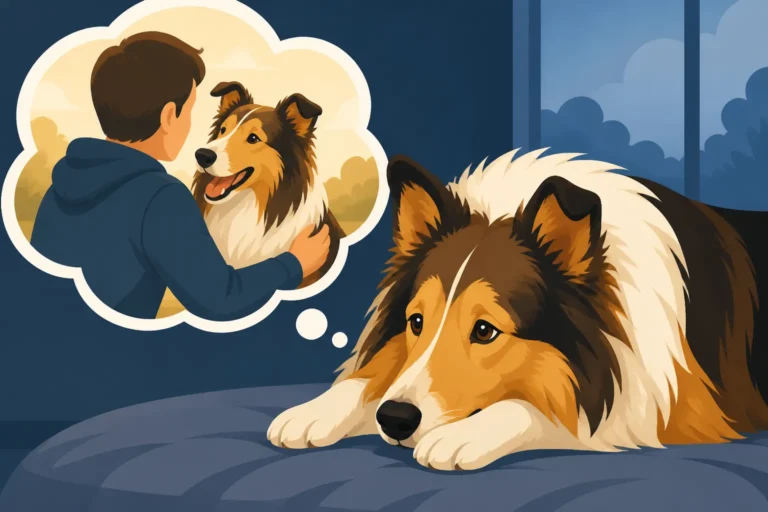
It’s a common heartache for us Collie owners, isn’t it? You look at your beloved, intelligent, and often sensitive Collie, especially after a long day or when they seem a little down, and you can’t help but wonder: are they lonely? Do they need a furry sibling to truly thrive? This guide is going to walk you through the nuances of Collie companionship, helping you understand their social needs, identify if a second dog is the right solution, and explore other ways to ensure your Collie lives a full, happy life.
The Collie's Inherently Social Nature and Companionship Needs
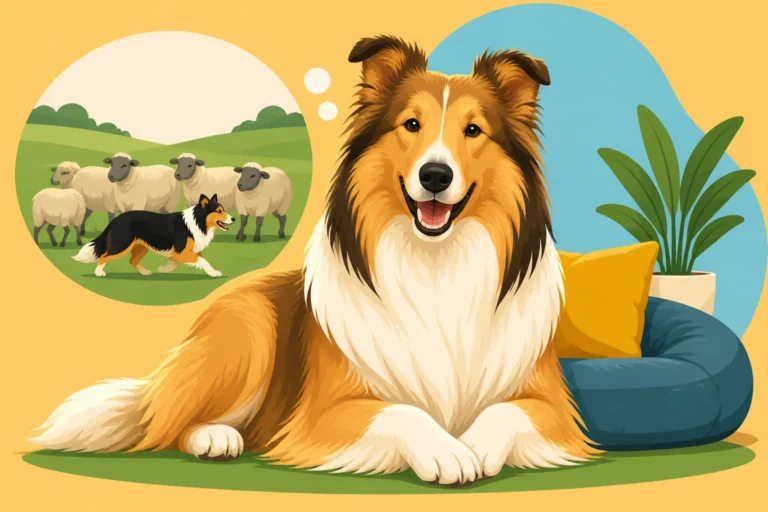
Collies are, at their core, deeply social creatures. They were bred for centuries to work closely with humans and other dogs, managing flocks and being an integral part of a family or working unit. This isn't a breed content to be left in the yard alone for hours on end; they crave interaction, connection, and a sense of belonging. Understanding this fundamental aspect of their personality is the first step in addressing their companionship needs.
A Breed Built for Connection
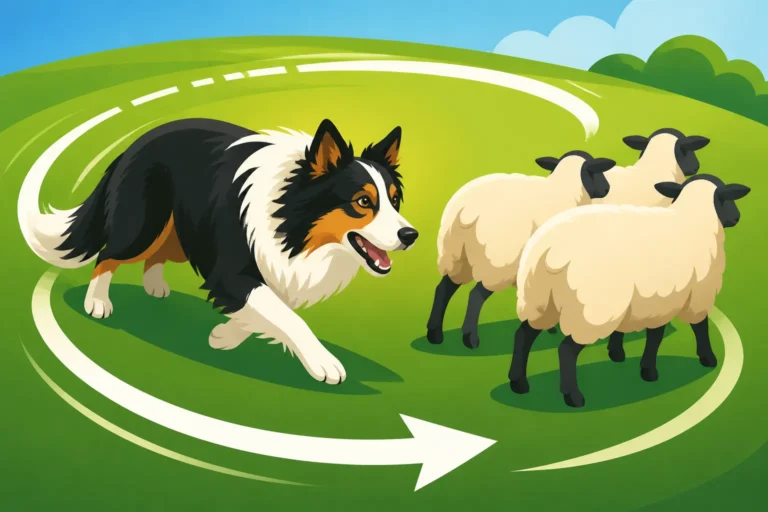
Think about the origins of the Collie. They weren't solitary hunters, but cooperative herders. This means they developed an innate desire for a "pack" – whether that pack is human, canine, or a combination of both. They thrive on being involved in household activities, observing their family, and receiving affection. This isn't just about cuddles, it's about mental engagement and a feeling of purpose within their social group. If your Collie spends a significant portion of their day watching you, following you from room to room, or gently nudging for attention, they are simply expressing this deep-seated need for connection. Why a Collie Follows You From Room to Room touches on this behavior.
Individual Personality Over Breed Stereotype
While the breed generally leans towards sociability, every Collie is an individual. Some are veritable social butterflies, greeting every dog and human with enthusiastic wags and playful bows. Others might be more reserved, preferring the company of their immediate family, human or canine. You might have a Collie who is perfectly content to be your one-and-only, soaking up all the attention and happily engaging in one-on-one play. Then there are those who seem to yearn for a peer, someone who speaks their own language of barks, nudges, and chase games. It's crucial to observe your specific dog's personality rather than making assumptions based purely on breed characteristics. Does your Collie seem to enjoy the company of other dogs when you encounter them on walks? Do they light up at the dog park, or are they more comfortable observing from a distance?
Recognizing Signs Your Collie Might Benefit from a Canine Friend
It's easy to project our own feelings onto our dogs, especially when we feel guilty about leaving them alone. But there are specific behaviors that can indicate your Collie truly is seeking more regular canine companionship. These aren't just signs of boredom, but often a deeper yearning for social interaction that only another dog can truly provide.
Subtle Cues of Loneliness or Under-Stimulation
Before jumping to the conclusion that your Collie needs a second dog, it's wise to rule out simple boredom or a need for more mental and physical exercise. A Collie that paces, sighs frequently, or seems generally listless when left alone might just need more to do. However, if these behaviors persist even after ample exercise and mental games, it could point to a deeper social void. Look for signs like excessive sleeping during the day despite adequate activity, a lack of enthusiasm for activities they once enjoyed, or even a subtle shift in their interaction with you – perhaps a clinginess that goes beyond their typical devoted nature. They might spend a lot of time gazing out windows, seemingly waiting for something more. What a Collie Does With an Empty Afternoon explores how they might fill their time.
Behaviors Indicating a Need for a Playmate
If your Collie exhibits certain behaviors consistently, especially around other dogs, it's a strong indicator they might benefit from a permanent canine companion.
- Intense interest in other dogs: Do they fixate on dogs passing by, whine when they can't greet them, or become overly excited by dog-centric TV shows?
- Persistent invitations to play with you, but not engaging: Your Collie might bring you toys, bow, and try to initiate play, but when you respond, their enthusiasm quickly wanes as if they're looking for a different kind of interaction – one they can only get from another dog.
- Destructive behaviors tied to social isolation: While chewing can be a sign of general boredom, if your Collie only destroys items when left entirely alone, or seems to target things that smell like you, it could be a sign of separation anxiety that a canine friend might help mitigate, though it's not a cure-all. Whether a Collie Gets Separation Anxiety dives deeper into this topic.
- Vocalization patterns: If your Collie barks or howls excessively when you're away, and this behavior isn't solely tied to territoriality, it could be a cry for company. They might even develop a distinctive "lonely howl" that's different from their alert bark.
Factors to Consider Before Getting a Second Dog for Your Collie
Deciding to bring a second dog into your home is a huge commitment, not just for you, but for your existing Collie. It's not a decision to be made lightly, and there are many practical and behavioral aspects to weigh. A second dog should enrich everyone's lives, not add stress.
Assessing Your Current Collie's Temperament and Social Skills
Before you even start looking for another dog, you need to honestly evaluate your current Collie. Are they generally tolerant and easygoing with other dogs? Do they share their toys and space well? A Collie who is already dog-reactive, resource-guarding, or overly anxious around other canines is likely not a good candidate for a housemate. Introducing another dog in such a scenario can exacerbate existing behavioral issues and create a stressful environment for both animals.
It’s also important to consider their energy levels. If your Collie is a high-energy dog who loves to run and play for hours, a younger, equally playful companion might be a good match. But if your Collie is older and prefers gentle walks and quiet naps, a boisterous puppy might be overwhelming. Observe your Collie carefully during supervised playdates or at dog parks. How do they react to different personalities? Do they prefer submissive friends or do they enjoy a good rough-and-tumble?
Practicalities: Time, Space, and Finances
Bringing a second dog means doubling many aspects of dog ownership. This isn't just about finding room for another dog bed; it's about doubling your time commitment, the space required, and your financial outlay.
- Time: Can you realistically provide enough individual attention, training, and exercise for two dogs? While they will play with each other, they still need one-on-one time with you. Two dogs also mean potentially two sets of grooming, two leashes to hold, and twice the amount of time spent on things like nail trims and vet visits.
- Space: Do you have enough physical space in your home and yard for two Collies to comfortably coexist, relax separately if needed, and play without constantly bumping into each other? Even if your current Collie is a snuggle bug, the dynamics might change with another dog.
- Finances: Think beyond the initial adoption fee. You'll have double the food bill, double the routine vet care, and double the cost of preventives and potential emergency care. Pet insurance premiums for a second dog will also add up. What a Collie Costs in Its Most Expensive Year can give you a sobering look at expenses. Consider investing in durable toys from places like Amazon that can withstand the play of two Collies.
Introducing a New Dog: A Thoughtful Process
If you decide a second dog is right, the introduction process is critical. You can't just throw them together and hope for the best. A gradual, controlled introduction on neutral territory is usually recommended. Allow them to meet on leash, take short walks together, and supervise all interactions closely at home. Consider seeking guidance from a professional trainer or behaviorist if you're unsure. Online resources, like those offered by BAXTER & Bella, can provide invaluable support and structured guidance for integrating a new puppy or adult dog into a multi-dog household, focusing on positive reinforcement and smooth transitions.
Comparison of Single vs. Multi-Collie Household
| Feature | Single Collie Household | Multi-Collie Household |
|---|---|---|
| Companionship | Solely relies on human interaction; can get lonely if under-stimulated. | Built-in canine companionship; can reduce feelings of loneliness. |
| Play & Exercise | Humans are primary playmates; owner must meet all exercise needs. | Dogs can play together, fulfilling some exercise and mental stimulation. |
| Time Commitment | Significant, but focused on one dog's needs. | Effectively doubles many time commitments (training, walks, vet). |
| Financial Cost | One set of food, vet, supplies, insurance. | Double the food, vet, supplies, insurance. |
| Space Required | Adequate space for one large dog. | More space needed for separate relaxation areas and play. |
| Training Needs | Focused on individual dog; fewer household integration issues. | Training for two individual dogs, plus managing group dynamics. |
| Potential Issues | Boredom, separation anxiety (if under-stimulated). | Sibling rivalry, resource guarding, managing different personalities. |
| Benefits | Undivided attention for your Collie. | Mutual canine comfort, endless entertainment, balanced social life. |
Alternatives to a Second Dog for Socialization and Mental Stimulation
Let's be real: not everyone can, or even should, get a second dog. It's a massive undertaking. Thankfully, there are many fantastic ways to enrich your Collie's life and fulfill their social and mental needs without expanding your pack. These alternatives can be just as effective, sometimes even more so, depending on your individual Collie's personality and your lifestyle.
Increasing Social Opportunities
Your Collie might thrive with regular, structured social outings rather than a full-time housemate.
- Doggy Daycare: For many Collies, a few days a week at a well-run doggy daycare can be a fantastic way to burn off energy, socialize with a variety of dogs, and come home happily exhausted. Look for facilities with experienced staff who understand herding breeds and offer structured play and rest times. Whether Daycare Suits a Collie is a good read on this.
- Playdates: Do you have friends or neighbors with well-socialized dogs? Arranging regular playdates can provide your Collie with valuable canine interaction without the commitment of another full-time pet. Start with short, supervised sessions and gradually increase duration as the dogs get comfortable.
- Classes and Dog Sports: Enrolling your Collie in obedience, agility, rally, or even herding instinct classes (Whether a Pet Collie Should Try Herding) provides both mental stimulation and social interaction. They'll be around other dogs and people in a controlled, positive environment, which is excellent for their overall well-being. This can also deepen the bond between you and your Collie, fulfilling their desire for connection with you.
Boosting Mental and Physical Engagement
Sometimes, what looks like loneliness is simply boredom. Collies are intelligent and need their brains worked as much as their bodies.
- Enrichment Toys and Puzzles: Investing in a variety of puzzle toys, treat-dispensing toys, and KONGs can keep your Collie engaged for extended periods, especially when you're busy or away. Filling a KONG with peanut butter or yogurt and freezing it provides a long-lasting challenge. You can find a wide array of these on Amazon. Whether Puzzle Feeders Tire a Collie highlights their benefits.
- Training and Brain Games: Collies absolutely adore learning. Even if your Collie knows all the basic commands, you can teach them new tricks, work on advanced obedience, or even explore scent work in your backyard. Ten minutes of focused training can be as tiring as a long walk for a smart Collie. Online training platforms, like BAXTER & Bella, offer a wealth of ideas for ongoing enrichment and skill-building, even for adult dogs.
- Longer, More Varied Walks: Don't just stick to the same route! Explore new trails, visit different parks, or even try urban walks to expose your Collie to new sights, sounds, and smells. These sensory experiences are incredibly enriching and can significantly reduce boredom and the feeling of isolation. How Much Exercise a Collie Needs Daily emphasizes the importance of varied physical activity.
- Consistent Quality Time: At the end of the day, your Collie wants you. Even if you have another dog, your bond with your Collie is paramount. Dedicate consistent, undivided attention to them daily – whether it's a dedicated cuddle session, a game of fetch in the yard, or simply sitting together while you read. This one-on-one connection reinforces their place in your family and ensures they feel loved and secure.
Ultimately, the decision to add a second dog is deeply personal and dependent on many factors. There's no single right answer, only the best one for your Collie and your family. By carefully considering your Collie's needs, your resources, and the available alternatives, you can ensure they receive all the companionship and enrichment they deserve.
Disclaimer
This article is for general informational purposes only and does not constitute professional advice. Laws, prices and regulations vary by location and change over time. Consult a qualified professional for guidance on your specific situation.