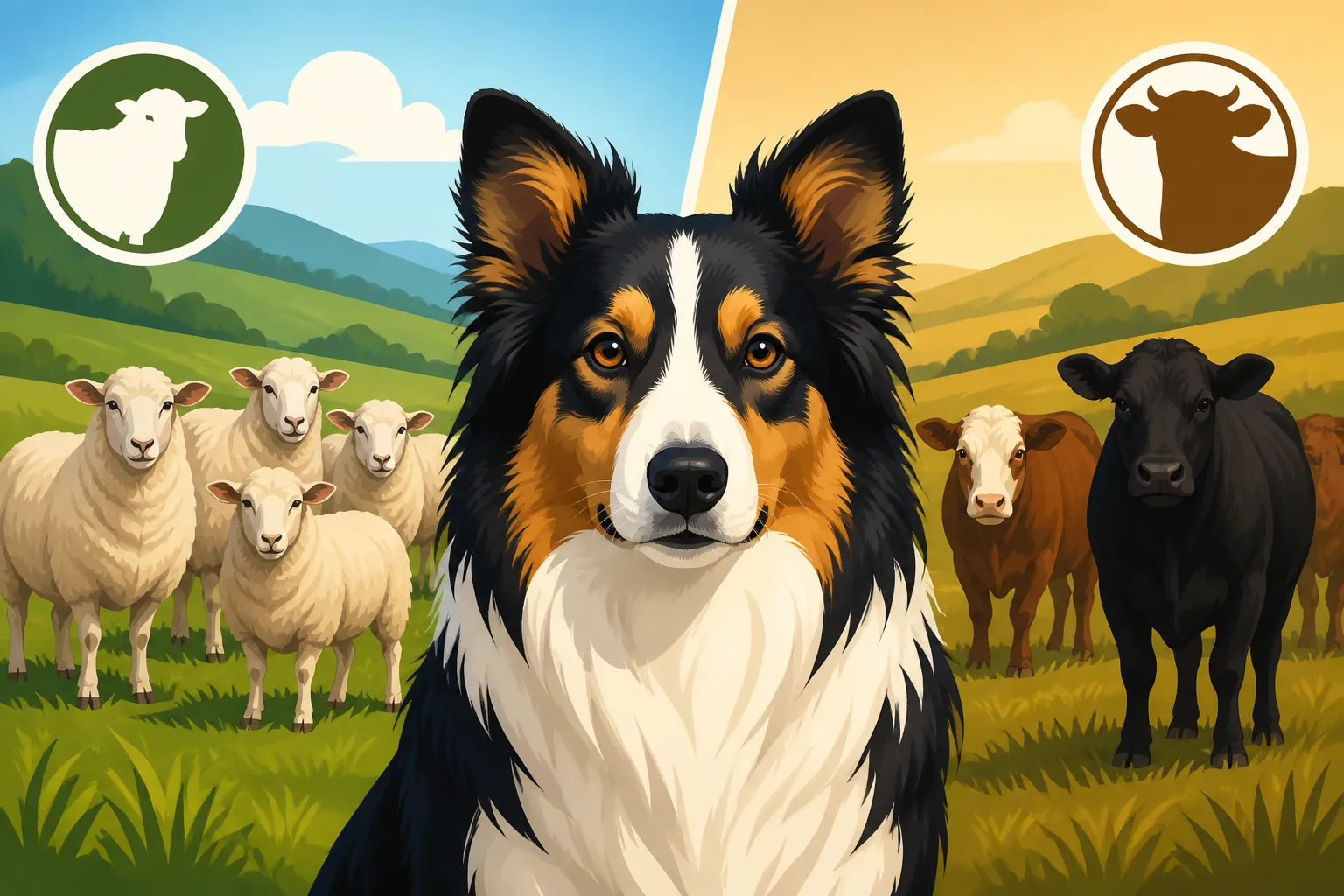
Whether a Collie Works Sheep or Cattle
Many Collie owners look at their elegant, intelligent dogs and can’t help but wonder if that deep-seated herding instinct is still alive and kicking. The image of a dog working livestock is powerful, but it’s natural to question whether your beloved companion, who might be more accustomed to herding children or dust bunnies, truly possesses the aptitude for traditional farm work, especially with different types of animals. This guide will delve into the nuanced world of Collie herding, examining their historical role with sheep and cattle, and what modern owners can realistically expect from their beautiful, biddable breed.
The Historical Roots of the Collie as a Herding Dog
It’s easy to look at a modern Collie and forget their rugged past, but these dogs were once the lifeblood of Scottish farms. Understanding where they came from is key to appreciating their capabilities today.
From Scottish Highlands to Gentle Companionship
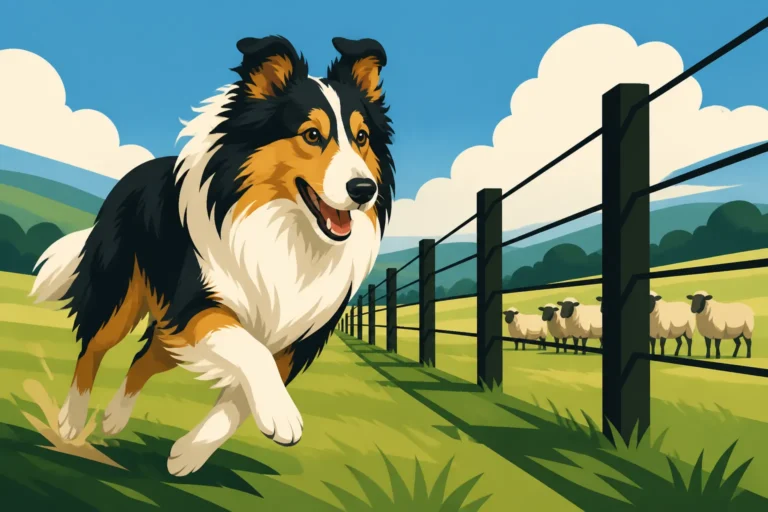
Long before they graced dog shows or became beloved family pets, Collies were indispensable working dogs in the harsh, beautiful landscape of the Scottish Highlands. Their primary role was to herd and guard sheep, often over vast distances and treacherous terrain. These were not simply "pretty" dogs; they were hardy, intelligent, and deeply connected to their human partners. Their duties were varied, ranging from gathering strays from distant hillsides to moving entire flocks to market. They needed keen observational skills, a strong desire to please, and the stamina to work all day in unpredictable weather.
Over generations, as farming practices evolved and the need for independent droving dogs lessened, the Collie’s role began to shift. They transitioned from strictly utilitarian dogs to more versatile farm companions, still assisting with livestock but also becoming cherished members of the household. This shift gradually led to the refinement of their temperament, favoring a more gentle, biddable nature that made them adaptable to various environments. The foundation of their intelligence and loyalty, however, remained firmly in place, even as their lives became less about daily strenuous work and more about companionship. This evolution, while making them wonderful family dogs, also changed some aspects of their working drive. For a deeper dive into their origins, check out The Collie Was a Scottish Droving Dog Before It Was a Show Dog.
The Loose-Eyed vs. Strong-Eyed Herding Style
When we talk about herding dogs, it’s crucial to understand that not all breeds work in the same way. There are distinct styles, and the Collie's traditional approach is known as "loose-eyed" or "upright." This means they primarily use their presence, voice (barks and yips), and flanking movements to influence the livestock. They don't typically "crouch" and fix the stock with an intense stare, which is characteristic of "strong-eyed" breeds like the Border Collie.
A loose-eyed dog often works at a greater distance from the animals, using wider arcs and more upright body posture. They might bark to encourage movement or use their body to block a direction, but the intensity of their focus is less about pinning the animal with their gaze and more about gentle persuasion and guidance. This style is often effective for gathering and moving large flocks of sheep that are accustomed to being handled. For a Collie, it's about collaboration and communication, not intimidation. This fundamental difference in working style influences how they approach various types of livestock and explains why they excel at certain tasks more than others.
Collies and Herding Sheep Today
The allure of seeing a Collie work sheep is strong, tapping into generations of history. But what does that look like for a modern Collie, and how much of that instinct is still truly present?
Natural Instinct Versus Modern Breeding
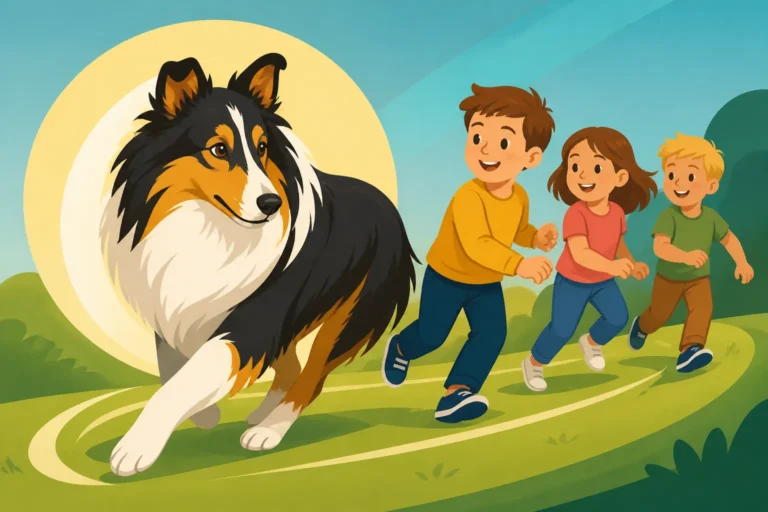
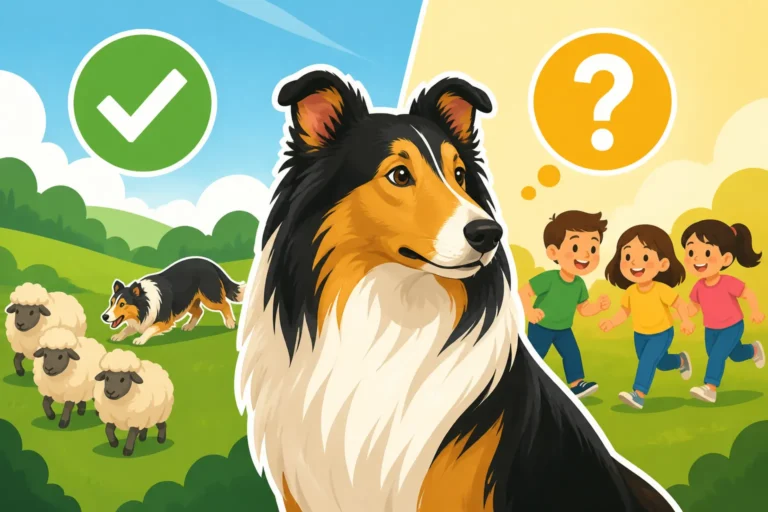
While the spark of herding instinct is certainly still tucked away in the Collie's genetic code, its intensity can vary wildly in modern dogs. Many Collies today are bred primarily for conformation (how well they meet breed standards in appearance) and for their wonderful temperament as family pets. This isn't a bad thing at all; it has given us the sweet, loyal, and intelligent companions we adore. However, it means that the raw, powerful drive needed for daily farm work might be less pronounced in some lines. Some Collies will show a strong desire to gather and move things – often your children, other pets, or even you! – but for others, the instinct might be much softer, appearing as playful chasing rather than focused herding.
It’s a misconception that every Collie, just by virtue of its breed, will instinctively know how to herd sheep with precision. Some will, with remarkable natural talent, taking to it like they were born yesterday on a Scottish hillside. Others might need a lot more encouragement and guidance, while some might simply prefer a good walk or a puzzle toy. It's a spectrum, and it's heavily influenced by their specific lineage and how much herding drive has been intentionally preserved. If you're curious about whether your particular Collie still has that spark, you might wonder Whether a Collie Still Has Working Instinct.
Assessing a Collie's Herding Potential with Sheep
If you're eager to explore your Collie's herding side, the best first step is to seek out a herding instinct test. These aren't high-pressure trials; they’re typically designed to gently introduce a dog to sheep in a controlled environment and observe their natural reactions. A good instructor will place your dog in a small pen with a few trained sheep and watch how your Collie responds. Do they show interest? Do they try to move the sheep, even clumsily? Do they use their body or voice? What a Herding Instinct Test Shows in a Collie can tell you a lot.
Collies on sheep will often exhibit their characteristic "loose-eyed" style. You might see them trot in wide arcs around the sheep, using their presence to gather them, perhaps with a soft bark to encourage movement. They generally won't "head" the sheep with an intense stare or go for nips at the heels, which are traits of other breeds. Training for herding with a Collie requires patience and positive reinforcement, building on their natural desire to work with you. Resources from reputable trainers, including online platforms like BAXTER & Bella, can offer foundational obedience skills that are incredibly useful before ever stepping near livestock. Solid recall, "stay," and directional cues are critical regardless of the animal you're herding.
Collies and Herding Cattle
While Collies have a strong association with sheep, their suitability for working cattle is a different conversation entirely. The sheer size and nature of bovines demand a very particular kind of herding dog.
The Demands of Cattle Herding
Cattle are massive, powerful animals with a very different herd dynamic and a stronger flight (or fight) response than sheep. Herding cattle requires a dog with immense courage, physical presence, and often, a willingness to be more assertive, even forceful. A dog herding cattle needs to be able to command respect, stand its ground, and sometimes, deliver a swift, decisive nip to a heel to get a stubborn animal moving. This is not a job for the faint of heart or a dog that relies solely on gentle persuasion.
Historically, Collies were used with cattle, particularly as drovers moving herds over long distances to market. Their stamina and intelligence were highly valued. However, even in those days, their role was often more about keeping the herd together, preventing strays, and acting as a perimeter guard rather than the intense, close-quarters work seen in some other cattle dog breeds. The demands were different; it was less about precise, intricate control and more about persistent, wide-ranging management. The sheer physical danger involved in working with large, unpredictable cows means that any dog put to this task needs to be incredibly resilient and well-trained.
Why Modern Collies Are Less Suited for Cattle
The modern Collie, generally bred for a gentle, sensitive nature and keen biddability, often lacks the sheer force and inherent "toughness" required to confidently and safely work cattle. A loose-eyed herding style, while perfect for sheep, can be a liability with cattle. An animal as large and determined as a cow might simply ignore a dog using wide arcs and gentle barks, or worse, perceive it as an annoyance and retaliate. A Collie's natural inclination is to avoid confrontation, which is an excellent trait for a family pet, but not ideal when you need to move a thousand-pound steer.
The risks for a Collie attempting to herd cattle are significant. They could easily be kicked, trampled, or charged, leading to serious injury. While a Collie might show initial interest, their innate temperament typically doesn't equip them for the sustained assertiveness and physical risk that cattle herding demands. If a Collie were to engage in cattle work, it would require highly specialized, intense training from a young age, with an emphasis on safety and the dog's ability to maintain control without getting hurt. Even then, it's generally not recommended for the average pet Collie. For safety reasons, if you're ever around large livestock with your dog, having appropriate gear like a sturdy leash and collar, perhaps even a harness, is paramount. Many reliable options for pet safety equipment can be found on platforms like Amazon.
The Path to Enjoyable Herding for Your Collie
So, if your Collie has a spark of herding instinct, how can you nurture it safely and enjoyably? It’s all about the right approach and mindset.
Finding the Right Environment and Instruction
If you're interested in exploring your Collie's herding abilities, finding the right instructor and environment is paramount. Look for facilities that specialize in herding and have experience with a variety of breeds, including "loose-eyed" dogs like Collies. A good instructor understands that a Collie's style is different from a Border Collie's and won't try to force your dog into a method that doesn't suit them. They will prioritize positive reinforcement and building confidence, ensuring the experience is enjoyable and safe for your dog and the livestock.
A positive first experience can ignite a lifelong passion, while a harsh or confusing one can extinguish that spark. The focus should be on allowing your Collie to explore and develop their natural instincts in a supportive setting, rather than striving for competitive success right away. It's about letting them be a Collie, in the most authentic sense. You might notice your Collie uses different tactics than other herding breeds, which is perfectly normal. It's important to understand Whether a Collie Herds Differently Than a Border Collie so you can appreciate their unique contributions.
Herding as an Enrichment Activity, Not Just a Job
For most pet Collies, herding should be viewed as a fantastic form of mental and physical enrichment, rather than a demanding job. It taps into their primal instincts, engages their keen intelligence, and provides an unparalleled opportunity for teamwork and bonding between you and your dog. Even if your Collie never becomes a champion herding dog, the joy they get from working with sheep, moving them in a controlled way, is immense. It's a wonderful outlet for their energy and their innate desire to have a purpose. Many Collies thrive on mental stimulation, and herding provides that in spades. You can find more ideas for keeping your Collie mentally engaged by considering ideas like Forty Five Minutes a Day, and Half of It in Its Head.
Engaging in herding can also build confidence in a shy dog and provide a structured way for an energetic dog to focus its drive. It's truly incredible to see your dog connect with its heritage, even if it’s just for fun. Many clubs offer "herding for fun" or "herding instinct" clinics that are perfect for this purpose. You can learn more about if this suits your dog in Whether a Pet Collie Should Try Herding. And while herding can be costly, understanding What Herding Instinct Testing Costs a Collie Owner can help you budget appropriately. The satisfaction of seeing your Collie connect with its roots is often well worth the effort and investment.
Below is a table summarizing the general aptitudes of Collies for sheep and cattle herding, based on their typical temperament and working style.
| Feature / Aspect | Herding Sheep (Collie Aptitude) | Herding Cattle (Collie Aptitude) |
|---|---|---|
| Historical Role | Primary. Drove and managed flocks in Scottish Highlands. | Secondary. Often as drovers or perimeter guards, less close-quarters. |
| Natural Instinct | Often present, varying intensity; "loose-eyed" style prominent. | Less suited to modern cattle herding demands due to temperament. |
| Physical Demands | Requires stamina, agility, keen observation. | Requires immense courage, physical presence, and power. |
| Temperament Required | Biddable, intelligent, gentle, responsive to handler. | Assertive, fearless, tough, willing to confront large animals. |
| Risks for Dog | Relatively low in controlled environments. | High; risk of being kicked, trampled, or charged. |
| Training Required | Can be developed with positive, patient instruction. | Specialized, intense training from a young age; generally not advised. |
| Modern Suitability | Excellent for recreational herding and instinct work. | Low for typical pet Collies; specialized working lines might exist but are rare. |
Disclaimer
This article is for general informational purposes only and does not constitute professional advice. Laws, prices and regulations vary by location and change over time. Consult a qualified professional for guidance on your specific situation.