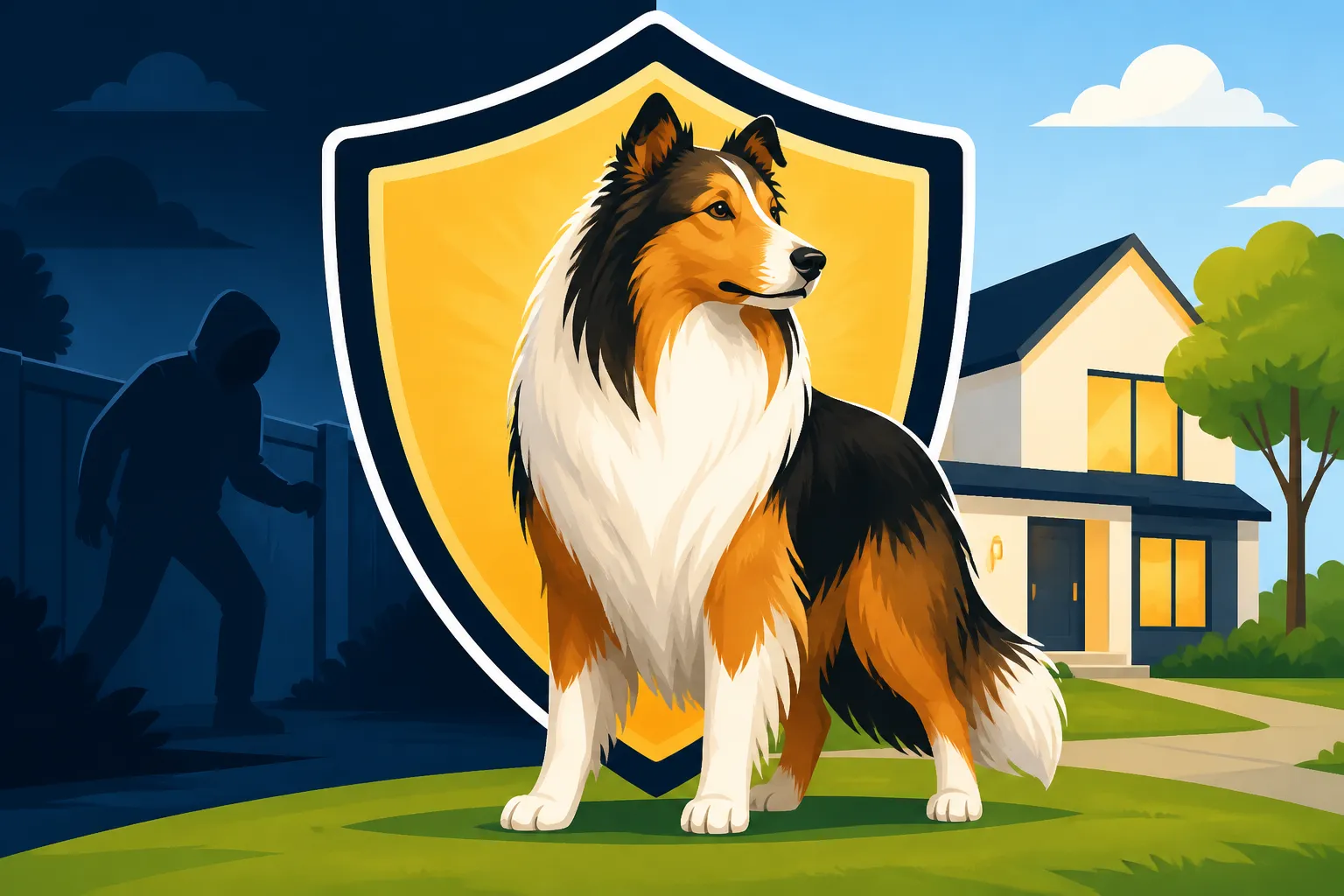
Whether a Collie Guards Anything
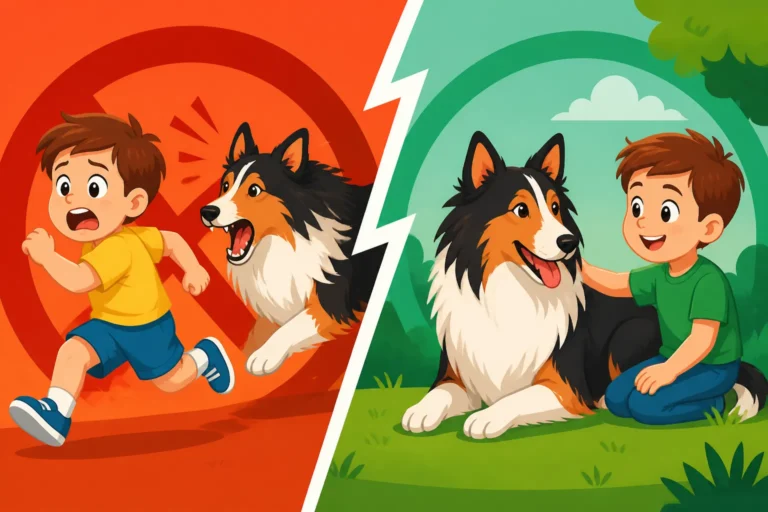
It's a common misconception that Collies, with their gentle demeanor and famous "Lassie" image, are completely devoid of guarding instincts. While they aren't typically the ferocious guard dogs you might picture, understanding whether a Collie guards anything, and what that truly means, is crucial for any owner. This guide will delve into the nuances of Collie behavior, distinguishing between natural protective instincts and genuine guarding issues, to help you better understand your beloved companion.
Understanding Guarding in the Collie Context
When we talk about "guarding" in dogs, it’s not a single, clear-cut behavior. It’s a spectrum, and how a Collie expresses it is often unique to the breed. It’s important to differentiate between a dog being watchful or alert, and one displaying aggressive possessiveness.
What Do We Mean By Guarding?
Guarding behavior in dogs can manifest in several ways, and each has its own set of triggers and expressions. Generally, it falls into a few categories: resource guarding, territorial guarding, and personal guarding.
Resource guarding is perhaps the most commonly recognized form. This is when a dog exhibits protective behaviors over items it perceives as valuable – its food bowl, a high-value chew, favorite toys, or even a particular sleeping spot. For some breeds, this can escalate quickly, involving growling, snapping, or even biting if someone approaches their valued possession. It’s a primal instinct, rooted in survival, but in a domestic setting, it needs careful management to prevent conflict.
Territorial guarding, on the other hand, involves a dog protecting its perceived space, such as your home, yard, or even the car. This often manifests as barking at strangers passing by the window, or being wary of visitors at the door. Some breeds are purpose-bred for this, acting as sentinels. Personal guarding is when a dog becomes protective of its owner or specific family members, placing itself between them and perceived threats, or pushing other animals away from their person. This can be very subtle, like a body block, or more overt, like a warning growl. For Collies, these guarding tendencies tend to be more nuanced and less aggressive than in some other breeds.
The Collie's Herding Instinct vs. Guarding
The Collie's historical role as a herding dog means they have deeply ingrained instincts to manage and protect their flock. This can often be misinterpreted as guarding behavior, especially when it comes to their human family. A Collie's instinct is to keep its "flock" together and safe, which sometimes looks like circling family members, nudging children away from potential hazards, or even trying to block doorways.
This behavior stems from a desire for order and safety within their perceived group, not necessarily from a possessive drive over individual people or objects. For instance, a Collie might stand between a child and a fast-approaching visitor, not because it's guarding the child as a "resource," but because it's managing the movement and safety of its flock. They are incredibly observant and sensitive dogs, keenly aware of their environment and the dynamics within their family unit. This vigilance often translates into being excellent alarm systems, alerting you to anything out of the ordinary, but stopping short of overt aggression. Their "guarding" is typically more about maintaining harmony and alerting you, rather than confronting or attacking.
Resource Guarding in Collies
While Collies are generally known for their gentle and biddable nature, it's a mistake to assume they are entirely immune to resource guarding. Any dog, regardless of breed, can develop this behavior under certain circumstances, and understanding how it might manifest in a Collie is key to preventing problems.
Food and Toy Guarding
Compared to some breeds selectively bred for protection or strong prey drive, Collies are less prone to aggressive food or toy guarding. Their temperament is typically more yielding and less prone to confrontation. However, it's not unheard of. A Collie might, for example, freeze over a particularly high-value chew bone if approached too quickly, or give a low growl to another pet that comes too close to its dinner bowl. This isn't usually an attempt to injure, but rather a clear communication: "This is mine, please respect my space."
Factors contributing to resource guarding in any dog, including a Collie, can include past experiences (such as being in a household where food was scarce or constantly competed for), a lack of early socialization around valued items, or even just individual personality differences. A Collie puppy, especially one that wasn't taught to share or trade its toys from a young age, might develop mild guarding tendencies. It's usually more about a nervous possessiveness than outright aggression. The key is to address these behaviors early and gently, focusing on positive reinforcement and building trust.
Space and Attention Guarding
Collies are deeply devoted to their families and thrive on companionship. This strong bond can, in some cases, translate into a subtle form of space or attention guarding. It’s less about aggression and more about their profound desire to be close to their people. You might notice your Collie subtly pushing another pet away if it's vying for your lap, or strategically placing itself between you and a guest on the sofa. They want to be involved, to be near you, and to be the focus of your affection.
This isn't typically a sign of dominance or aggression, but rather a manifestation of their strong attachment and herding instinct to keep their flock close and orderly. For instance, a Collie might lean against your legs or rest its head on your lap, and if another family member approaches, it might give a soft nudge or a hard stare. It’s their way of saying, "I'm currently occupying this prime spot, and I prefer to keep it." This behavior usually poses no danger but can be a bit inconvenient for other family members or pets. Recognizing it as an expression of their bond, rather than a malicious act, helps in managing it with understanding and gentle redirection.
Territorial and Personal Guarding
Collies are often described as "Lassie-like," which conjures images of brave, protective, yet gentle dogs. This perception holds a lot of truth, especially when it comes to how they interact with their territory and their people. Their guarding is typically more about vigilant awareness than aggressive defense.
Guarding the Home and Yard
A Collie’s natural instinct is to be keenly aware of its surroundings, a trait honed over centuries of watching flocks. This translates into being an excellent watchdog for the home and yard. They are generally quick to notice anything out of the ordinary – a squirrel on the fence, a leaf blowing past the window, or a stranger walking down the street. Their response is almost always to alert you with a series of barks. This is why The Bark Is the Trait Collie Owners Underestimate so often; they will let you know if someone is at the door, if the mail carrier is coming, or if a car drives by.
However, this is typically where their "guarding" stops. While they are vocal alarm systems, they are rarely aggressive towards intruders. A Collie is more likely to stand back and bark, observing the situation, than to launch a full-scale physical defense. They are often reserved with strangers, not rushing up for pets, but also not typically exhibiting hostility. They'll assess the situation, perhaps offer a low rumble, but usually defer to their human family for how to proceed. Their goal is to inform you, not necessarily to confront the perceived threat themselves. In essence, they make great watchdogs, but not usually protection dogs. Whether a Collie Makes a Watchdog is certainly true in terms of alerting, but not in terms of active physical guarding.
Guarding Their People
The protective nature of a Collie towards its family is one of its most endearing qualities, often fulfilling the "Lassie" ideal. They form incredibly strong bonds with their human companions and tend to be very attuned to their well-being. This can manifest as a deep-seated desire to keep their people safe, especially children. You might see a Collie gently nudging a child away from a potential danger, or standing calmly between a family member and a perceived threat.
Their protection is usually expressed through vigilance, presence, and non-confrontational methods. For example, if a new person approaches you too quickly or loudly, your Collie might position itself between you and the stranger, giving a watchful stare or a low woof. They rarely resort to biting or aggressive lunging. It's more about being a steadfast presence, a living shield if you will, without the intention to harm. This protective instinct is a testament to their loyalty and intelligence, discerning potential discomfort or threat and responding in a measured, appropriate way. They want to ensure their loved ones are secure and free from harm, acting as a gentle shepherd rather than an aggressive enforcer.
Factors Influencing Guarding Behavior
Understanding why a Collie might exhibit guarding behaviors involves looking at a blend of inherent breed characteristics, individual experiences, and the environment they live in. It's rarely just one thing, but often a combination that shapes how a dog behaves.
Genetics and Early Socialization
While Collies aren't genetically predisposed to aggressive guarding, every dog breed carries the potential for resource guarding to some degree. What sets the Collie apart is their specific genetic blueprint, which leans towards a watchful, alert nature rather than an overtly confrontational one. They were bred to manage and guide sheep, not to fight off predators. This means their "guarding" genetics predispose them to observation and signaling, rather than active defense. However, genetics are only part of the story; early experiences play an enormous role in shaping behavior.
This is where early socialization becomes paramount. A Collie puppy that is exposed to a wide variety of sights, sounds, people, and other friendly animals during its critical developmental period (typically up to 16 weeks) is far less likely to develop fear-based guarding behaviors. Lack of proper socialization can lead to anxiety and insecurity, which might then manifest as defensive or possessive guarding. For example, a Collie puppy isolated from other dogs might become possessive over toys because it never learned how to share or interact appropriately. Conversely, a well-socialized puppy learns that resources are plentiful, and that strangers and new situations are generally not threats. This foundational period sets the stage for a confident, well-adjusted adult dog, reducing the likelihood of problematic guarding. Consider resources like BAXTER & Bella online puppy programs, which focus heavily on positive exposure and skill-building from a young age, helping owners navigate this crucial time. This can truly make all the difference in building a confident Collie that understands its place in the world. The First Year With a Collie Puppy is a huge factor in their long-term temperament.
Training and Environment
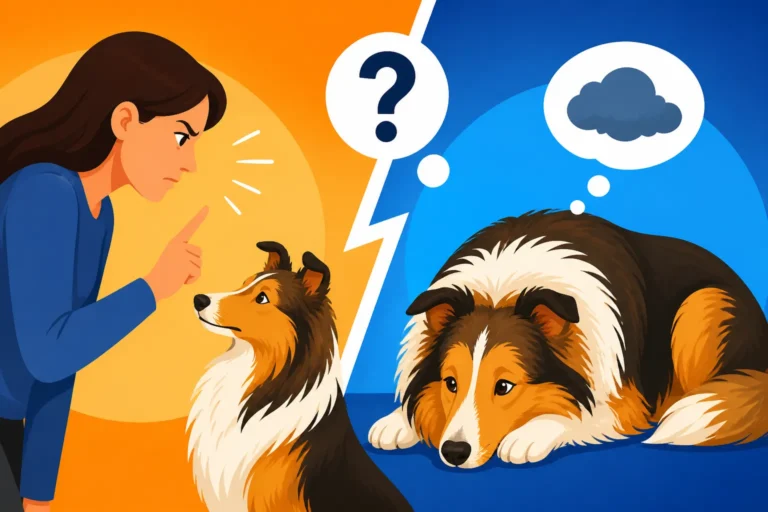
The way a Collie is trained and the environment in which it lives significantly impact its potential for guarding behaviors. Collies are intelligent and sensitive dogs who respond best to positive reinforcement. Harsh training methods, or anything that instills fear or anxiety, can backfire dramatically. Harsh Handling Breaks a Collie and It Does Not Come Back; they are not a breed that tolerates intimidation. A dog that is constantly reprimanded or punished for natural alerting behaviors, such as barking at a stranger, might learn to suppress those behaviors but might also develop anxiety or fear, which could then escalate into more serious, fear-based guarding. They might feel they need to guard themselves, or their resources, if they perceive their environment as unpredictable or threatening.
A secure, predictable, and enriching environment is crucial for a Collie's well-being and to prevent guarding issues. This means having their own designated safe space, consistent routines, and plenty of mental and physical stimulation. A bored or under-stimulated Collie is more likely to develop undesirable behaviors, including potentially channeling pent-up energy into obsessive or possessive tendencies. Moreover, observing household dynamics is vital; if there's tension or inconsistent rules around resources (like who can approach the dog's food bowl), a Collie can pick up on this and start guarding. A calm, consistent, and loving home, coupled with positive training that builds confidence and trust, is the best defense against any unwanted guarding behaviors.
Managing and Preventing Guarding Behaviors
While Collies are not generally prone to aggressive guarding, prevention and proactive management are always the best approach for any dog. By understanding the potential triggers and implementing positive strategies, you can help your Collie feel secure and confident.
Strategies for Resource Guarding
If you notice even subtle signs of resource guarding in your Collie, such as stiffening over a toy or growling softly when approached while eating, it’s important to address it immediately and gently. One of the most effective strategies is the "trade-up" game. This involves offering your Collie an even higher-value treat or toy in exchange for the item they are guarding. For example, if they are possessive over a specific squeaky toy, offer them a delicious piece of chicken in exchange. Once they take the chicken, they’ll naturally drop the toy. Praise them, let them enjoy the treat, and then return the toy if appropriate. This teaches them that people approaching their items means good things happen, not that their possessions will be taken away.
Another key strategy is making meal times a positive, non-threatening experience. Instead of just putting down a bowl and walking away, occasionally hand-feed your Collie a portion of their meal, or drop extra treats into their bowl as they eat. This helps build a positive association with your presence around their food. For multi-pet households, always feed dogs separately to avoid any competition. Chew toys and long-lasting treats, often found on Amazon, can be great for enrichment, but be sure to supervise, especially in the early stages of addressing any guarding. The goal is to create an environment where your Collie feels no need to defend its resources because it trusts that you will always enhance, rather than diminish, its experience.
Addressing Territorial or Personal Guarding
For Collies that exhibit territorial vigilance, like barking at every passerby or stranger at the door, the goal isn't to eliminate their natural watchfulness but to manage it. Positive reinforcement for calm behavior is key. For example, if your Collie barks at the doorbell, teach them to go to a designated "place" (like their bed) and reward them with a high-value treat for staying there quietly while you answer the door. This redirects their energy into an acceptable behavior. Whether a Collie Barks at the Doorbell can be a major pain point, so this kind of redirection is crucial.
For personal guarding, where your Collie might try to keep other people or pets away from you, focus on controlled introductions and positive associations. When guests visit, ensure they interact positively with your Collie, offering treats and gentle attention rather than rushing in. Encourage your Collie to greet visitors politely, rewarding calm interactions. Never punish your Collie for being protective, as this can heighten their anxiety and make them more reactive. Instead, build their confidence through consistent, positive training and clear boundaries. Teach them that you are the one who manages the "flock" and that their input is appreciated as an alert, but aggressive guarding isn't necessary. How to Build Confidence in a Nervous Collie is a valuable skill for any owner to learn and apply to these situations.
When to Seek Professional Help
While Collies are generally tractable and respond well to positive training, there are times when guarding behaviors might become concerning, requiring intervention from a qualified professional. Knowing when to escalate your concerns is an important part of responsible dog ownership.
Recognizing Problematic Guarding
It's natural for a Collie to alert you with a bark or be reserved with strangers. That's part of their charm and their heritage. However, if these behaviors cross into aggression – such as persistent, intense growling, lunging, snapping, or actually biting – then it's time to recognize that you have a significant problem. Problematic guarding isn't just an inconvenience; it's a safety concern for everyone in the household, including other pets, children Whether a Collie Should Be Supervised With Toddlers, and visitors.
Other red flags include guarding behaviors that are becoming more frequent, more intense, or harder to interrupt. If your Collie is consistently guarding multiple resources, or is showing possessiveness over you or specific family members to the point where others are genuinely intimidated or cannot safely approach, professional help is warranted. Additionally, if the guarding seems to stem from fear or anxiety, rather than just mild possessiveness, a professional can help you understand the underlying emotional state and address it appropriately. Ignoring these signs can lead to escalation, making the problem much harder to resolve down the line.
Finding the Right Professional
If you've identified problematic guarding behavior in your Collie, the next step is finding the right professional to help. It's absolutely crucial to seek out certified professionals who use positive, force-free training methods. Look for certified professional dog trainers (CPDT-KA), certified dog behavior consultants (CDBC), or veterinary behaviorists. These professionals have specialized knowledge in canine behavior and can help you understand the root cause of the guarding and develop a safe, effective behavior modification plan. A veterinary behaviorist, in particular, can rule out any underlying medical conditions that might be contributing to the behavior and can prescribe medication if anxiety or fear is a significant factor.
Avoid trainers who advocate for dominance-based or confrontational methods, as these approaches are not only ineffective for Collies but can also exacerbate guarding behaviors, turning a fearful dog into an aggressive one. A good professional will involve you in the process, teach you how to read your Collie's body language, and equip you with the tools to build a stronger, more trusting relationship with your dog. They understand that solving guarding issues is about teaching new associations and building confidence, not about suppressing natural instincts through fear. Don't hesitate to reach out if you're struggling; early intervention from the right expert can make all the difference in helping your Collie live a happy, secure life.
| Behavior Aspect | Typical Collie Tendency | Problematic Guarding Behavior |
|---|---|---|
| Alerting | Barks at novel sights/sounds, then quiets | Persistent, frantic barking; growling at non-threats |
| Resource | Eats food politely; shares toys | Freezing, growling, snapping over food/toys; hoarding |
| Territorial | Wary of strangers; observes newcomers | Aggressive lunging at fence lines; biting at visitors |
| Personal Space | Stays close to owner; gentle nudges | Body blocking, growling at others approaching owner; biting |
| Response to Threat | Observes, alerts, seeks owner's lead | Charges, attacks without provocation; unmanageable |
Disclaimer
This article is for general informational purposes only and does not constitute professional advice. Laws, prices and regulations vary by location and change over time. Consult a qualified professional for guidance on your specific situation.