How Long a Collie’s Coat Blow Lasts
Oh, the infamous "coat blow"! If you’re a Collie owner, you know exactly what I’m talking about. It's that time of year, or maybe times of year, when your beautiful, majestic dog suddenly transforms into a walking, barking, hair-shedding machine, leaving a fine (or not-so-fine) layer of fluff on every surface imaginable. It’s enough to make you wonder if you accidentally adopted a sheep in disguise, and the most pressing question always becomes: when will this end? This guide is here to shed some light on just how long a Collie's coat blow typically lasts, what influences it, and how you can manage the fluffy tidal wave when it hits.
The Phenomenon of a Collie's Coat Blow
Let’s be honest, living with a Rough Collie means living with hair. But a coat blow isn't just everyday shedding; it's an event, a magnificent (and sometimes maddening) biological process where your dog essentially "dumps" a significant portion of their undercoat. It’s a necessary reset, driven by seasonal changes and hormones, but for us humans, it often feels like an endless battle against tumbleweeds of dog hair.
What Undercoat and Guard Hairs Do
To truly understand the coat blow, we need to appreciate the Collie's magnificent double coat. It's not just for show; it's a highly functional piece of canine engineering. The outer layer consists of what we call "guard hairs." These are the longer, coarser, often more vibrantly colored hairs that give your Collie its distinctive silhouette and protect them from the elements. They're like the shingles on a roof, designed to repel water and dirt. They also provide some insulation, but their primary role is protection.
Beneath this outer layer lies the "undercoat." This is where the magic (and the mess) happens. The undercoat is soft, dense, and much finer, almost like wool or cotton. Its sole purpose is insulation, keeping your Collie warm in winter and helping them regulate their body temperature in summer by creating an insulating layer that prevents heat from penetrating too quickly. When your Collie "blows" their coat, it’s this insulating undercoat that’s being shed in massive quantities, clearing out the old, dead hair to make way for new growth better suited to the upcoming season.
Why Collies "Blow" Their Coats
Think of it as nature's seasonal wardrobe change. Wild canids, and even our domesticated dogs, evolved to adapt to changing temperatures. As daylight hours lengthen in spring, a Collie's body signals that the heavy winter undercoat is no longer needed. It starts to detach from the hair follicles, ready to be shed. The reverse happens in the fall, though often less dramatic, as they shed some summer coat to prepare for a thicker winter one.
Hormonal shifts also play a significant role. Intact females, for example, will often have a massive coat blow after a heat cycle, or even more dramatically, after whelping a litter. This post-partum shed can be truly astonishing in its volume. Even neutered or spayed Collies still experience these seasonal changes, though the intensity and timing can sometimes vary compared to intact dogs. It’s a deeply ingrained biological rhythm, one that no amount of brushing can completely stop, only manage.
The Visual and Tangible Reality for Owners
Let's not sugarcoat it: a Collie's coat blow is a lot of hair. I mean, a lot. You'll find it clinging to your clothes, decorating your furniture, swirling in corners like miniature dust devils, and even somehow appearing in your coffee. It gets everywhere, and it can feel like a never-ending battle. During this period, your beautiful Collie might look a bit scraggly, with tufts of old undercoat sticking out, especially around their neck, rump, and behind their ears. This isn't a sign of poor health (unless accompanied by other symptoms, of course), but simply the natural process of the old hair detaching.
The reality is that your vacuum cleaner will become your best friend, and you’ll likely develop a new appreciation for lint rollers. The sheer volume can be shocking, even for seasoned Collie owners. It truly feels like The Three Weeks Twice a Year When a Collie Buries Your House, and for many, that's not an exaggeration. The good news is that this intense period does have an end, and with consistent grooming, you can significantly reduce the amount of loose hair migrating through your home.
Key Factors Influencing Coat Blow Duration
So, how long does this fluffy nightmare last? There's no single, universal answer, which is part of the frustration. It depends on several interconnected factors, making each Collie's experience a little unique. Understanding these variables can help you anticipate and better manage your individual dog's shedding cycles.
Hormonal Cycles and Spay/Neuter Status
This is a big one. For intact female Collies, a significant coat blow is almost guaranteed roughly two to three months after each heat cycle. The hormonal fluctuations essentially signal the body to release the old coat. If she's had puppies, prepare yourself – the post-whelping coat blow is often the most dramatic of all, as her body recovers and resets. For intact males, while less predictable, they can still experience seasonal blows tied to testosterone levels, though often not as intense as an intact female.
When a Collie is spayed or neutered, these intense, hormone-driven blows related to heat cycles or pregnancies typically cease. However, it's not a magic bullet against all shedding. In fact, many owners report that Whether a Spayed Collie's Coat Changes is a real phenomenon, often resulting in a thicker, softer, and more cottony undercoat that sheds more or mats more easily year-round. While the sudden "dumps" might be less frequent, the overall management can sometimes become more challenging due to the change in coat texture. This "spay coat" or "neuter coat" can sometimes feel like it never truly finishes blowing, as new hair replaces old in a continuous cycle rather than distinct phases.
Environmental Triggers and Climate
A Collie's coat is primarily influenced by daylight hours and temperature. Dogs kept mostly outdoors in natural light cycles tend to have more pronounced, distinct seasonal coat blows. As the days lengthen in spring, the heavy winter undercoat is shed to prepare for warmer weather. In the autumn, a lighter summer coat is replaced by a denser winter one.
However, many Collies live predominantly indoors, where artificial lighting and climate control can disrupt these natural cycles. An indoor Collie might shed more consistently year-round, rather than having two massive, distinct blows. This is often referred to as Whether an Indoor Collie Sheds Year Round Instead. While this means less intense "blows," it also means a steady, never-ending stream of hair. A home kept at a consistent temperature with artificial light can essentially trick a dog's body into a perpetual state of moderate shedding, as there's no strong signal to completely change coats.
Diet, Health, and Coat Quality
What goes into your Collie absolutely affects what comes out – especially in terms of coat health. A high-quality diet rich in essential fatty acids (like Omega-3 and Omega-6) can significantly improve the overall health and integrity of your Collie's coat. Healthy skin and coat mean stronger hair follicles, which can translate to less brittle hair and potentially a more manageable shed. Conversely, a poor diet can lead to dull, dry, and weak hair that breaks easily and sheds excessively outside of a normal coat blow cycle.
Supplements, like fish oil, can also play a supportive role. Discussing Whether a Collie Needs Supplements for Its Coat with your vet can be beneficial, as these can help nourish the skin and promote a healthy coat. Hydration is also key; a dehydrated dog can have drier skin and coat. Any underlying health issues, stress, or parasites can also cause abnormal shedding or exacerbate a normal coat blow. If you notice excessive shedding that seems unrelated to a seasonal blow, is patchy, or is accompanied by skin irritation, it's always wise to consult your veterinarian. Remember, diet affects shedding in ways you might not immediately connect.
Distinguishing Between Regular Shedding and a Full Coat Blow
It's easy to lump all Collie hair loss into one category, but there's a definite difference between the daily shedding you'll experience year-round and the full-blown "coat blow" that truly tests your patience and vacuum cleaner's endurance. Understanding this distinction can help you manage expectations and care routines.
The Daily Drip of Hair Versus the Deluge
Every single day, your Collie sheds hair. It's a continuous process of old hair follicles completing their lifecycle and making way for new growth. This "daily drip" is manageable with regular brushing – perhaps 15-20 minutes every few days – and contributes to the general understanding that Collies are not a low-shed breed. This normal shedding can fluctuate slightly based on activity, stress, or minor environmental changes, but it typically doesn't overwhelm your home.
The "deluge" of a coat blow, on the other hand, is an entirely different beast. During a true coat blow, your Collie will release vast quantities of undercoat over a relatively short period. You’ll be able to literally pull handfuls of soft, downy hair from their body, and brushing will yield mounds of fluff. This is when you'll find hair everywhere, not just on the floor, but on shelves, in drawers, and seemingly defying gravity to stick to ceilings. This intense phase means your regular brushing routine needs to be amplified dramatically, moving from a maintenance task to a major undertaking designed to extract as much loose hair as possible.
Life Stages and Their Impact on Shedding Patterns
A Collie's shedding patterns can also shift throughout their life. A young puppy will shed their soft "puppy coat" to make way for their adult coat, which can be a noticeable, albeit smaller, mini-blow. This typically happens around 4 to 6 months of age and again around 1 year. During adolescence, as their adult coat fully develops, you might see more shedding as their coat density increases.
Middle-aged Collies (from about 3 to 7 or 8 years old) often have the most predictable and robust coat blows, settling into their routine seasonal cycles. As Collies age and enter their senior years, their coat can sometimes thin out, or conversely, become more prone to matting and develop a different texture, which can affect shedding. Hormonal changes, even in spayed/neutered seniors, or general health decline can alter coat health and shedding patterns. Each stage brings its own nuances to hair management.
When to Be Concerned About Excessive Hair Loss
While a coat blow is normal, there are times when excessive hair loss or unusual shedding can signal an underlying problem. If your Collie is shedding in patches, has red, inflamed, or flaky skin, or if the hair loss is accompanied by itching, scratching, or discomfort, it's time to call your vet. These symptoms could indicate allergies, parasites (like fleas or mites), fungal infections, bacterial infections, or even more serious conditions like thyroid issues or autoimmune diseases.
Also, if your Collie's coat blow seems to never end, or if the hair quality is poor (dry, brittle, sparse), it's worth a vet check. While a "spay coat" can be dense and require more work, it shouldn't look unhealthy or cause the dog discomfort. A visit to the vet can rule out medical causes and ensure your Collie is healthy and comfortable, even during the heaviest shedding periods.
Practical Strategies for Surviving a Collie Coat Blow
Alright, so the coat blow is happening. What do you do? The key is consistent, targeted action. You can't stop the shedding, but you can absolutely manage it, minimize the mess, and make the process more comfortable for your Collie and less stressful for you.
Essential Grooming Tools and Techniques
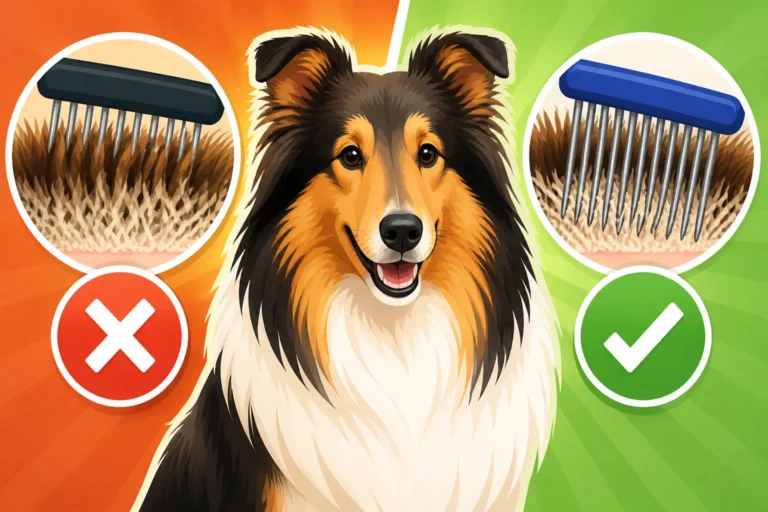
First and foremost, you need the right tools. Forget the flimsy brushes you might use on a short-haired dog; a Collie's double coat demands specific equipment. You'll need a good quality pin brush, an undercoat rake (often called a V-rake or shedding rake), and a sturdy greyhound comb with both wide and fine teeth. A high-velocity dryer, while an investment, is also incredibly effective. What a V Rake Does on a Collie is to get deep into that thick undercoat and pull out the loose fluff without damaging the guard hairs.
During a coat blow, you should be brushing your Collie daily, sometimes twice a day. The technique is crucial: you need to line brush. This involves parting the coat and brushing in small sections, from the skin out, making sure you get all the way down to the skin to remove the dead undercoat. Don't just skim the top of the coat! Using a detangling spray can help minimize breakage and make the process easier. A deshedding tool like a Furminator should be used with extreme caution on a Collie, if at all, as it can cut and damage the delicate guard hairs if misused. Many groomers recommend against them for Collies, as they can ruin the coat texture.
A high-velocity dryer is a game-changer for speeding up the coat blow and reducing loose hair. After a bath (which can also help loosen dead hair), using a force dryer can literally blow out tons of undercoat, especially when the hair is damp. It’s like a super-powered leaf blower for your dog! This significantly reduces the amount of hair you have to brush out and helps the coat dry thoroughly, preventing skin issues. Whether a High Velocity Dryer Is Worth It for a Collie is a resounding yes for many Collie owners who brave the coat blow at home. You can find excellent options on Amazon or Chewy.
Diet and Supplements for Coat Health
As mentioned earlier, a healthy coat starts from within. During a coat blow, ensuring your Collie is getting optimal nutrition can help the new coat come in strong and healthy. Look for high-quality dog foods with real meat as the first ingredient and a good balance of fats, particularly omega fatty acids. Some premium brands, including custom food services like Ollie, focus on fresh ingredients and balanced nutrition that can support coat health.
Supplements like fish oil (specifically salmon oil or krill oil) are fantastic for skin and coat health due to their high Omega-3 content. Biotin and zinc supplements can also be beneficial, especially if your vet identifies a deficiency or specific need. Always talk to your veterinarian before starting any new supplements to ensure they are appropriate for your dog's individual needs and don't interact negatively with any existing medications or conditions. A healthy diet and proper supplements won't stop a coat blow, but they can ensure the process is smoother and the resulting new coat is as magnificent as your Collie deserves. Feeding a Collie Through Its Growth and Its Coat is a journey, and supporting it nutritionally during these intense shedding phases is critical.
Maintaining a Clean Home During the Shedding Season
Let’s be honest, this is probably the biggest frustration for most owners during a coat blow. Beyond brushing your Collie, you'll need an arsenal of home-cleaning tricks. A good quality vacuum cleaner is non-negotiable, preferably one designed for pet hair, with strong suction and good filtration. Consider a robot vacuum for daily maintenance, but don't expect it to handle the full force of a coat blow alone!
Regularly washing bedding, throws, and furniture covers is essential. Keep lint rollers handy by every door and in your car. Some owners even invest in washable slipcovers for furniture during peak shedding season. Brushing your Collie outdoors, if possible, can keep a significant amount of hair out of your house from the start. A grooming table can also help contain the mess during brushing sessions, preventing hair from scattering everywhere. Remember that during The Three Weeks Twice a Year When a Collie Buries Your House, you’re not alone in feeling like your home has been taken over by fluff. Embrace it, equip yourself, and know that it will pass!
Anticipating and Preparing for Future Coat Blows
While the "how long" part of the coat blow is crucial, knowing "when" it's likely to happen can help you prepare mentally and logistically. Being proactive rather than reactive will make the process much more manageable.
The Typical Schedule for Major Shedding Events
For most Collies, you can expect two major coat blows a year. The most significant one typically occurs in the spring (think March through May), as they shed their heavy winter undercoat. This is usually the most dramatic and longest-lasting, often extending for 2 to 4 weeks of intense shedding, sometimes even longer if the coat is particularly dense or if you’re not brushing consistently. This is when you'll be asking How Much Undercoat a Collie Drops and marveling at the sheer volume.
The second, usually less severe, blow happens in the fall (around September to November). During this time, they shed their lighter summer coat to grow in a denser winter coat. This autumnal shed might last a bit less, perhaps 2 to 3 weeks of intense fluff. As mentioned, intact females will also have a blow a few months after each heat cycle, regardless of the season, and certainly after puppies. Keep a calendar to track your Collie's individual shedding cycles, as every dog is a little different.
Adapting Your Routine to Seasonal Changes
Knowing when the major shedding events are likely to strike allows you to adapt your routine. Ahead of the spring and fall, consider scheduling extra grooming appointments with a professional if you don't feel equipped to handle the full coat blow yourself. A professional groomer can perform a thorough deshedding treatment using high-velocity dryers and specialized tools, dramatically reducing the amount of loose hair in your home. What a Collie's Deshedding Treatment Costs is often worth it for the peace of mind and cleaner home.
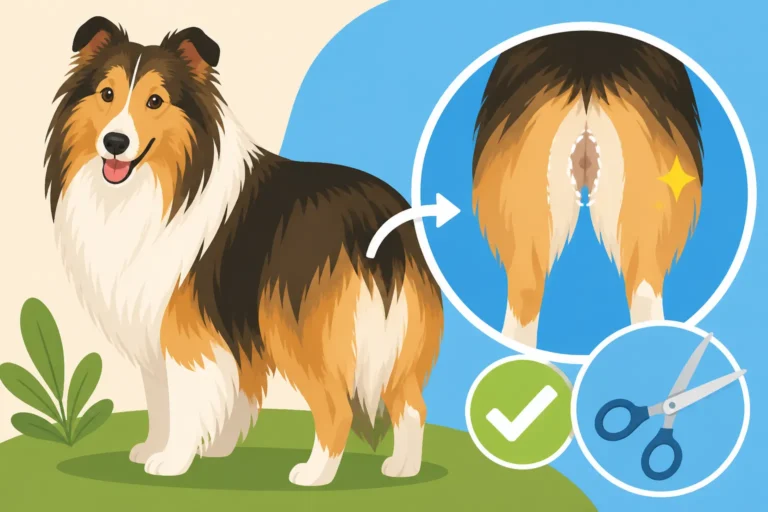
Stock up on your grooming supplies: plenty of detangling spray, fresh blades for your clippers if you do sanitary trims, and ensure your brushes and combs are in good condition. Get your vacuum cleaner serviced, or just accept that it will be working overtime. During these periods, you might also consider adjusting your dog's outdoor routine slightly, especially if they love to roll in things that then get tangled in their shedding coat.
Long-Term Coat Care for Lifelong Health
Managing coat blows is part of responsible Collie ownership, but it's also about maintaining overall coat health throughout their lives. Regular, consistent brushing, even outside of coat blows, prevents matting and helps distribute natural oils, keeping the skin and coat healthy. How Often a Rough Collie Should Be Brushed isn't just a suggestion; it's a necessity. Aim for at least 2-3 times a week, year-round, increasing to daily during seasonal blows.
Beyond brushing, ensure your Collie is fed a balanced diet, gets adequate exercise, and receives regular vet check-ups. A healthy Collie generally has a healthier coat, which can make shedding cycles more manageable. A poor coat, prone to matting or excessive dryness, can make even a normal coat blow feel like an insurmountable challenge. By investing in long-term coat care, you not only keep your Collie looking beautiful but also prevent discomfort and potential skin issues, ensuring they are happy and healthy in their glorious, fluffy coat.
| Shedding Type | Timing | Duration (Intense Phase) | Primary Cause | Management | Impact on Home |
|---|---|---|---|---|---|
| Daily Shedding | Year-round, continuous | Constant, low level | Natural hair follicle lifecycle | Regular brushing (2-3x/week) | Minor hair on surfaces |
| Spring Coat Blow | March – May (variable by climate) | 2-4 weeks (intense) | Increasing daylight, warmer temperatures | Daily intensive brushing, baths, force drying | Heavy hair, tumbleweeds |
| Fall Coat Blow | September – November (variable) | 2-3 weeks (intense) | Decreasing daylight, cooler temperatures | Daily intensive brushing, baths, force drying | Significant hair, but less than spring |
| Hormonal Blow | ~2-3 months post-heat or post-whelping | 3-6 weeks (very intense) | Hormonal shifts | Maximal grooming effort, professional help advised | Extreme hair, can feel never-ending |
| Spay/Neuter Coat | Continuous post-surgery | Ongoing, can be dense | Altered hormonal balance, coat texture change | Consistent daily brushing, careful mat prevention | Consistent moderate-heavy hair |
| Unusual/Patchy | Any time, irregular | Variable, concerning | Health issues, parasites, stress | Vet visit immediately | Variable, often accompanied by skin issues |
Disclaimer
This article is for general informational purposes only and does not constitute professional advice. Laws, prices and regulations vary by location and change over time. Consult a qualified professional for guidance on your specific situation.