Whether a Collie’s Diet Affects Its Shedding
If you're a Collie owner, you know the struggle: hair, hair everywhere! It gets into your food, clings to your furniture, and somehow manages to find its way into every nook and cranny of your home. It's perfectly natural to wonder if there's anything you can change to lessen the shedding, and often, the first place our minds go is their diet. This guide will dive deep into how your Collie's nutrition impacts their coat health and shedding, and what you can realistically expect from dietary adjustments.
The Unavoidable Truth About Collie Shedding
Let's start by managing expectations: your Collie is going to shed. A lot. It's a fundamental part of their genetic makeup and their glorious double coat. While diet plays a crucial role in the health of that coat, it's not a magic bullet that will stop natural shedding. The frustration is real, especially when you feel like you just vacuumed, but understanding why they shed so much is the first step.
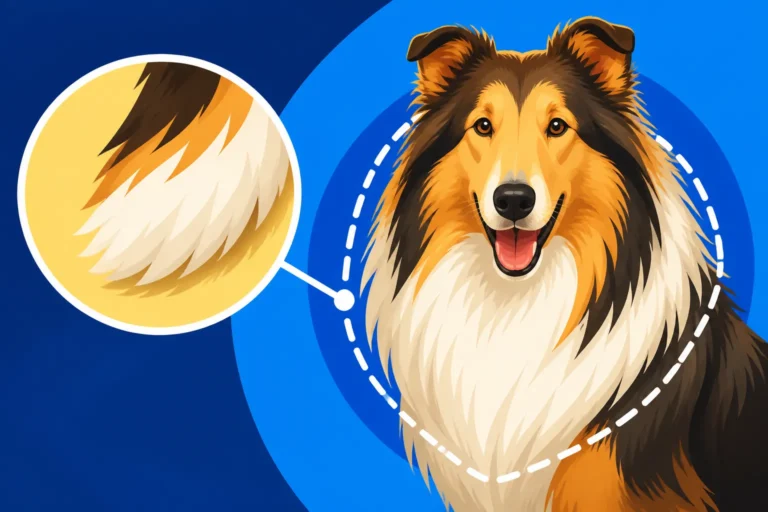
Collies possess a magnificent double coat, a testament to their heritage as working dogs in the often-harsh climates of Scotland. This coat consists of two distinct layers: a soft, dense undercoat that provides insulation, and longer, coarser guard hairs that protect against elements like rain and snow. Both are essential, and both contribute to the shedding you experience.
The most intense shedding periods, often referred to as "coat blows," typically occur twice a year, usually in the spring as they shed their heavy winter coat and again in the fall to prepare for a new, thicker one. During these weeks, you might feel like you could build a second Collie from the amount of hair you find. It's an overwhelming time for many owners, leaving you wondering if it will ever end. We've certainly written about The Three Weeks Twice a Year When a Collie Buries Your House. But even outside these major seasonal events, Collies do shed year-round, continuously replacing old or damaged hairs. This constant, albeit lighter, shedding is just part of living with a double-coated breed. No diet, no matter how perfect, will eliminate this natural process.
How Diet Can Influence Coat Health (and indirectly shedding)
While diet won't stop the normal, healthy shedding cycle of your Collie, a poor or incomplete diet can absolutely exacerbate shedding and lead to a dull, unhealthy coat. Think of it this way: if your dog isn't getting the right building blocks, their body will struggle to maintain healthy skin and hair, leading to brittle fur that breaks easily and excessive, unhealthy shedding. When you see hair loss that seems abnormal, or your dog's coat just doesn't have that classic Collie luster, it's definitely time to consider what's in their food bowl.
Essential Nutrients for a Healthy Coat
A vibrant, healthy coat begins from the inside out, and specific nutrients are non-negotiable for supporting skin integrity and hair growth. Without these, you might notice your Collie shedding more than usual, or their coat simply looking "off."
First up, protein is paramount. Hair is primarily made of protein (keratin), so a diet rich in high-quality, animal-based protein sources is crucial. Look for real meat, like chicken, beef, lamb, or fish, listed as the first ingredient on your dog's food. Generic "meat meal" can be okay, but whole protein sources generally offer superior bioavailability. When a dog isn't getting enough protein, or the protein is of poor quality, their body prioritizes essential functions over hair growth, leading to weak, brittle hair that sheds prematurely.
Next, fatty acids, particularly Omega-3 and Omega-6, are superstars for skin and coat health. Omega-3s, often found in fish oil, help reduce inflammation and support a healthy skin barrier, which is vital for preventing dryness and irritation. Omega-6s, found in many vegetable oils and animal fats, contribute to a shiny coat and healthy skin cell function. An imbalance or deficiency can result in dry, flaky skin, which directly affects the hair follicles and can lead to excessive shedding. You can explore Whether Fish Oil Improves a Collie's Coat for more depth.
Finally, a host of vitamins and minerals play supportive roles. Zinc is critical for skin health and cell division; a deficiency can manifest as dull coats and skin lesions. Biotin (a B vitamin) is often touted for hair and nail strength. Vitamin A supports skin cell production, and Vitamin E is an antioxidant that protects skin cells. Without a balanced intake of these micronutrients, even with adequate protein and fats, your Collie's coat might suffer. This is why some owners consider Whether Zinc Deficiency Affects a Collie's Coat.
Signs of a Poor Diet Affecting the Coat
Sometimes, the signs that your Collie's diet might be falling short go beyond just "more hair on the floor." It's about the quality of the coat and skin. Recognizing these indicators can help you pinpoint if a dietary change is truly needed, rather than just brushing more often.
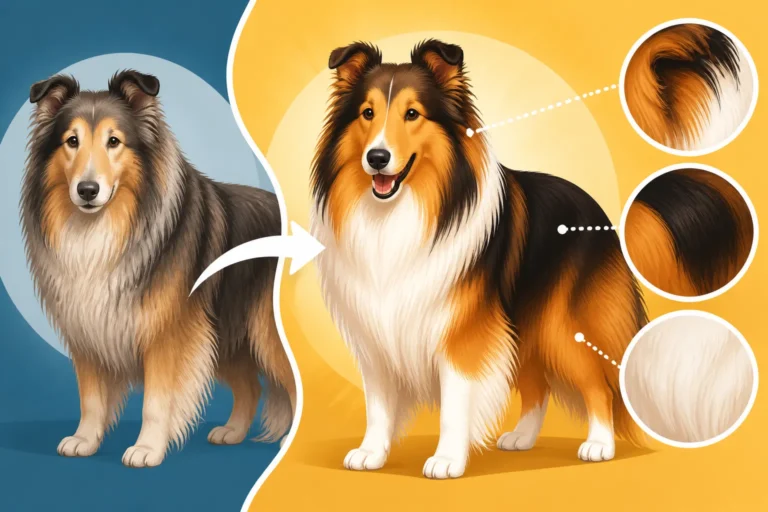
One of the most common signs is a dull, brittle coat. Instead of the characteristic lustrous sheen, the fur might look lifeless, dry, or even feel coarse to the touch. The vibrancy of their color might seem muted. This isn't just cosmetic; it indicates that the hair strands themselves lack the natural oils and structural integrity to reflect light and remain strong.
Dry, flaky skin is another huge red flag. If you part your Collie's fur and see flakes that resemble dandruff, or if their skin looks red or irritated, it's a strong indicator of a compromised skin barrier, often linked to nutritional deficiencies. Dry skin can be itchy, leading to more scratching, which in turn causes more hair to fall out.
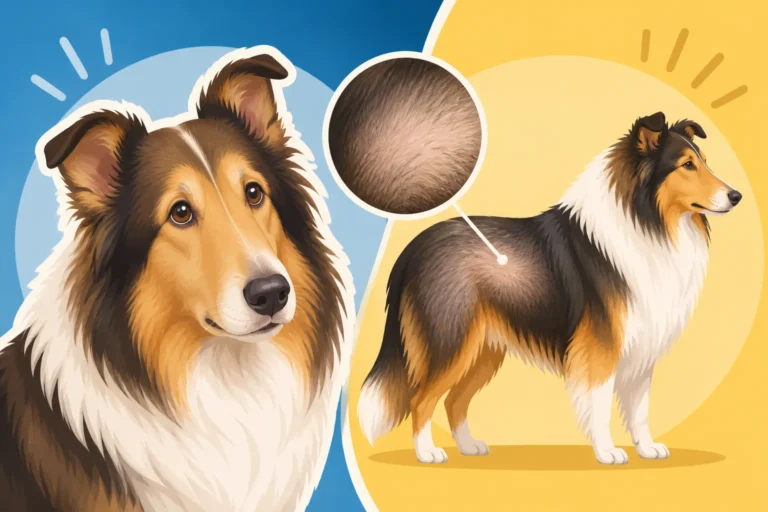
Naturally, excessive shedding beyond normal seasonal blow is a key sign. While Collies shed, if you're experiencing unusually heavy shedding constantly, or if you're seeing sparse patches of fur or even balding, it's definitely time to investigate. This isn't the gentle ebb and flow of a typical coat blow; it's persistent, unhealthy hair loss. If you find yourself constantly sweeping up large clumps of hair when it's not "coat blowing" season, something is likely amiss.
Finally, general poor overall coat quality can manifest in a variety of ways. Perhaps their feathering isn't as full, or the texture feels uneven. They might even have a faint, "doggy" odor that isn't due to needing a bath. These are all subtle cues that their body isn't getting what it needs to maintain optimal skin and coat health. If you're concerned about your Collie's health, it might be worth exploring Whether a Collie Needs Supplements for Its Coat, but always consult with your vet first.
Choosing the Right Food for Your Collie's Coat
Okay, so we know a good diet won't stop normal shedding, but it can significantly improve coat health and reduce unhealthy shedding. The real question is, how do you choose the right food for your majestic friend? It can feel like navigating a minefield of marketing claims and confusing ingredients lists.
Reading Dog Food Labels for Coat Health
This is where you become a detective. Don't just grab the bag with the prettiest picture. Turn it over and really dig into the ingredients list.
The first ingredient should always be a whole meat source, like "chicken," "beef," or "lamb." Not "chicken by-product," not "corn," but actual, identifiable meat. This ensures a strong foundation of high-quality protein, which, as we discussed, is crucial for hair structure. A healthy protein content is generally above 25% for adult dogs, but consult with your vet for specific needs based on your Collie's activity level and age.
Beyond the first ingredient, be wary of excessive fillers like corn, wheat, or soy as primary ingredients. While not inherently "bad" for all dogs, these can sometimes be harder to digest or provide less bioavailable nutrition compared to meat and whole grains (like brown rice or oats) or vegetables. Similarly, avoid foods with artificial colors, flavors, or preservatives. These offer no nutritional value and can sometimes trigger sensitivities in susceptible dogs, which might manifest as skin irritation.
Finally, always look for an AAFCO (Association of American Feed Control Officials) statement on the packaging. This statement confirms that the food is "complete and balanced" for a specific life stage (e.g., "for adult maintenance" or "for growth and reproduction"). This isn't a government endorsement, but it indicates that the food meets minimum nutritional requirements based on industry standards, which is a good baseline.
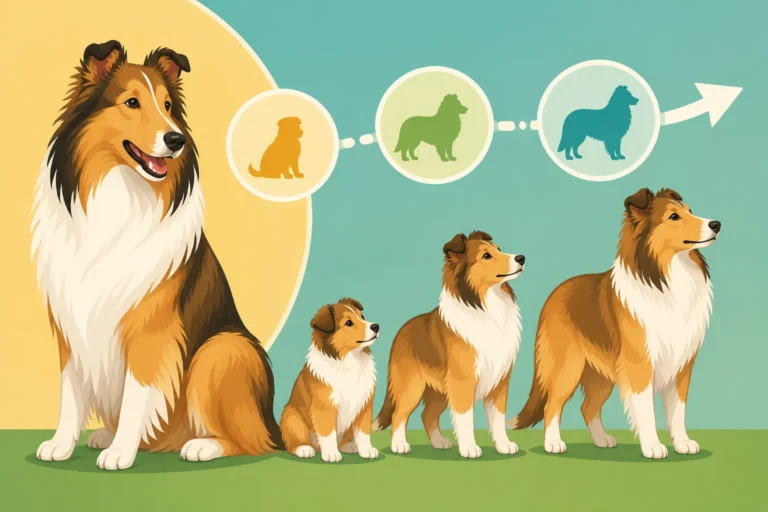
There are many fantastic brands out there, and what works for one Collie might not work for another. Some owners swear by fresh food delivery services like Ollie, which emphasizes human-grade ingredients. Others find excellent quality in premium kibbles available through retailers like Chewy, which offers a vast selection across different price points and dietary needs. The key is finding a food that works for your dog's individual needs. And remember, Whether a Collie Needs a Large Breed Formula is a consideration, especially for puppies, to ensure proper growth without too rapid weight gain.
The Role of Supplements (and when they're truly needed)
Sometimes, even with a great diet, a little extra boost can make a difference. However, it's critical to approach supplements with caution and always in consultation with your veterinarian. More isn't always better, and an imbalance can be as problematic as a deficiency.
Fish oil is perhaps the most widely recommended supplement for coat health. Rich in Omega-3 fatty acids (EPA and DHA), it can significantly improve skin hydration, reduce inflammation, and promote a shiny, softer coat. Many owners notice a visible difference in their Collie's coat quality when consistently adding fish oil to their diet. You can easily find high-quality fish oil supplements on Amazon or at pet stores.
Beyond fish oil, be very careful. While there are many "coat health" supplements on the market, blindly adding them without a diagnosed deficiency can be risky. For example, excessive Vitamin A or D can be toxic. If your Collie's coat issues persist despite a high-quality diet and consistent grooming, your vet might run tests to identify specific deficiencies (like zinc) or underlying medical conditions. Only then should you consider targeted supplementation. They can recommend a specific product and dosage.
Hydration Matters Too
It sounds simple, almost too simple, but adequate hydration is just as vital for skin and coat health as the food your Collie eats. Imagine your own skin when you're dehydrated – it looks dull, perhaps a little dry, right? The same goes for your dog.
Water helps maintain skin elasticity, supports cell function, and aids in the transport of nutrients throughout the body, including to the hair follicles. A dog that isn't drinking enough can have drier skin, which can lead to increased flakiness and a less healthy coat, potentially contributing to more shedding of brittle hairs. Ensure your Collie always has access to fresh, clean water. Change it frequently, and consider having multiple water bowls around the house, especially if you have a large home or your Collie is prone to forgetting to drink. Encouraging How Much Water a Collie Drinks a Day can make a real difference in their overall health, not just their coat.
What Diet Won't Fix: Other Factors Influencing Shedding
After all this talk about diet, it's important to reiterate that even the most perfectly formulated, premium dog food won't stop your Collie from being a Collie. Their shedding is a complex interplay of genetics, hormones, environment, and grooming. Diet addresses only one piece of the puzzle, albeit an important one.
Seasonal Changes and Hormones
As mentioned earlier, the biggest factor influencing shedding volume is seasonality. Your Collie's magnificent double coat is designed to adapt to environmental temperatures. When spring arrives and temperatures rise, they "blow" their thick winter undercoat to make way for a lighter summer coat. Come autumn, they shed that lighter coat to grow in a dense, insulating layer for winter. These are natural, evolutionary processes that no diet can circumvent. You'll still be pulling out massive amounts of fluff during these times, and you might want to review When a Collie Blows Its Coat.
Hormonal changes also play a significant role. Intact (unspayed/unneutered) dogs often have more predictable seasonal coat blows, while spaying or neutering can sometimes alter coat texture and shedding patterns. Some spayed Collies develop a softer, "cottony" coat that might shed more consistently year-round rather than in distinct seasonal blows. This is a common phenomenon often discussed when considering Whether a Spayed Collie's Coat Changes.
Grooming Practices
This might be the single most impactful factor you can control, apart from diet, when it comes to managing shedding. A poorly groomed Collie will always appear to shed more, even if their diet is perfect. Why? Because the dead undercoat gets trapped in their dense fur, forming mats and tangles, and eventually comes out in huge clumps on your floor, appearing as excessive shedding.
Regular, thorough brushing is paramount. It helps remove dead hair before it falls out all over your house, stimulates the skin to distribute natural oils, and prevents matting. For a Rough Collie, this means several sessions a week, especially during coat-blowing season. Using the right tools, such as a good slicker brush and an undercoat rake, is essential for reaching all the way to the skin and effectively removing the loose undercoat. We have a great resource on Four Tools and Twenty Minutes: Brushing a Rough Collie that can help you get started. If you're wondering How Often a Rough Collie Should Be Brushed, the answer is, probably more than you think!
Environment and Stress
Your home environment can also influence your Collie's shedding. Indoor dogs, constantly exposed to artificial light and climate control, might shed more consistently year-round compared to dogs that spend significant time outdoors in natural light cycles. Their bodies don't get the same strong signals for seasonal coat changes.
Stress, too, can trigger temporary increases in shedding. Just like humans might lose more hair when under significant stress, dogs can experience a "stress shed." A move, a new pet, a change in routine, or even separation anxiety can manifest as increased hair loss. This type of shedding typically resolves once the stressor is removed or the dog adjusts.
Medical Conditions Beyond Diet
Finally, if you've ensured a high-quality diet and consistent grooming, but your Collie is still experiencing excessive, abnormal shedding, it's crucial to consider underlying medical conditions. Many health issues can manifest as changes in coat quality and shedding.
Skin infections (bacterial, fungal, or yeast), parasites (fleas, mites), and allergies (environmental or food-related) can all cause itching, irritation, and subsequent hair loss. Thyroid issues, specifically hypothyroidism (an underactive thyroid), are another common culprit. A low thyroid can lead to a dull, dry, sparse coat, often accompanied by lethargy and weight gain. If you notice signs like a thinning coat, particularly on the flanks, alongside other symptoms, it's vital to discuss Signs a Collie's Thyroid Is Low with your vet.
In any case where shedding is accompanied by skin lesions, excessive scratching, changes in skin texture, or bald spots, a visit to the veterinarian is non-negotiable. They can perform diagnostic tests to rule out or identify underlying health problems and recommend appropriate treatment.
| Aspect | Healthy Coat (Well-Fed) | Unhealthy Coat (Potentially Diet-Related) |
|---|---|---|
| Appearance | Shiny, soft, vibrant color, resilient | Dull, brittle, coarse, faded color, thin patches |
| Texture | Smooth to the touch, dense undercoat | Dry, rough, greasy, sparse, easily broken hairs |
| Skin | Supple, clear, no redness or flakes, healthy pigment | Dry, flaky, itchy, red patches, sores, excessive dandruff |
| Shedding | Regular seasonal blows, manageable year-round shedding | Excessive shedding outside normal cycles, balding spots, constant hair loss |
| Growth | Strong, consistent growth | Slow growth, fragile new hairs, patchy regrowth |
Disclaimer
This article is for general informational purposes only and does not constitute professional advice. Laws, prices and regulations vary by location and change over time. Consult a qualified professional for guidance on your specific situation.