What a Collie’s Frill Is
That glorious, almost lion-like mane around your Collie's neck is more than just beautiful hair; it's a defining characteristic of the breed, a marvel of canine anatomy, and, let's be honest, often a bit of a challenge to keep pristine. If you've ever wondered about the true nature of this magnificent feature, from its genetic origins to the daily battle against mats and slobber, you're in the right place. We're going to dive deep into what makes a Collie's frill so special and how best to care for it.
Unpacking the Majesty: What Exactly Is a Collie's Frill?
When you gaze at a beautiful Rough Collie, one of the first things that captures your eye is that incredible framing of hair around their head and neck. That's the frill, sometimes referred to as a ruff or mane, and it's a truly distinctive feature that gives the breed its regal and often dignified appearance. It’s not just an aesthetic detail; it plays a significant role in the overall picture of what a Collie is meant to be.
More Than Just Neck Hair: The Frill's Role in Breed Standard and Appearance
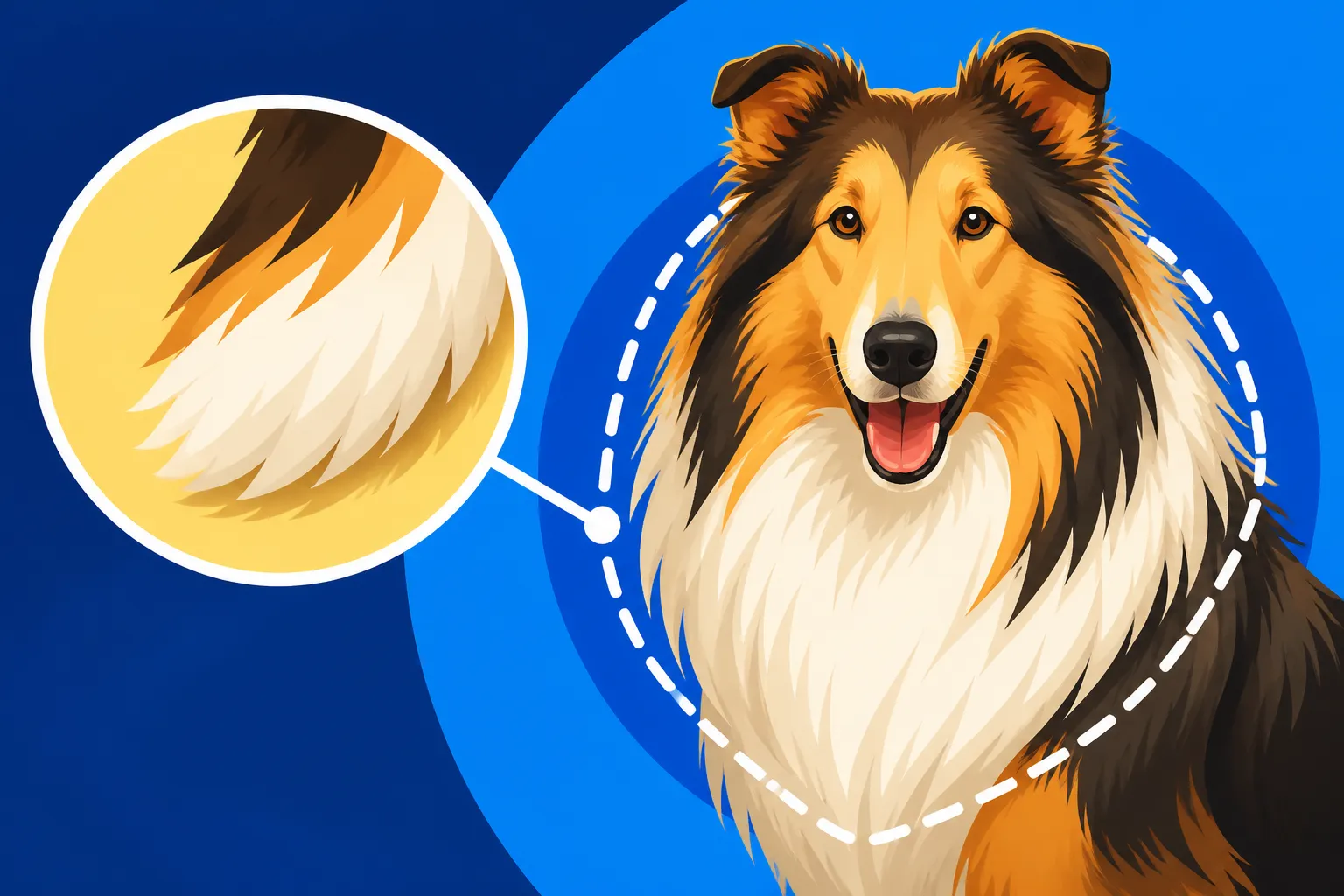
The frill is absolutely central to the Collie's breed standard. It's not just a collection of long hairs; it's specifically described as an abundant, full, and flowing adornment that extends from behind the ears down to the brisket, blending seamlessly into the chest and shoulders. This generous growth of coat creates a powerful, almost lion-like impression, enhancing the noble expression that Collies are so famous for. Without a well-developed frill, a Collie would simply not look like a Collie, losing much of its characteristic elegance and balance.
Think of it this way: the frill helps to frame the intelligent, expressive eyes and the well-chiseled head, creating that iconic, soft yet alert look. It adds visual breadth to the neck and chest, giving the dog a strong, substantial presence. This abundance of coat also serves to protect the sensitive neck and throat area from the elements, a practical function stemming from their ancestral role as working herding dogs in the rugged Scottish Highlands. It's a natural scarf, if you will, but one that demands quite a bit of attention from us humans. Mane, Frill and Petticoat: the Parts of a Collie That Mat explores how these different areas come together.
Where the Frill Begins and Ends
So, where exactly does this magnificent growth start and finish? The frill originates directly behind the ears, flowing downwards and outwards, encompassing the entire neck. It then spreads across the shoulders and deep into the chest, forming a full, almost cape-like effect. This isn't just a narrow band; it's a broad expanse of dense, flowing hair that can be several inches long in a mature Rough Collie.
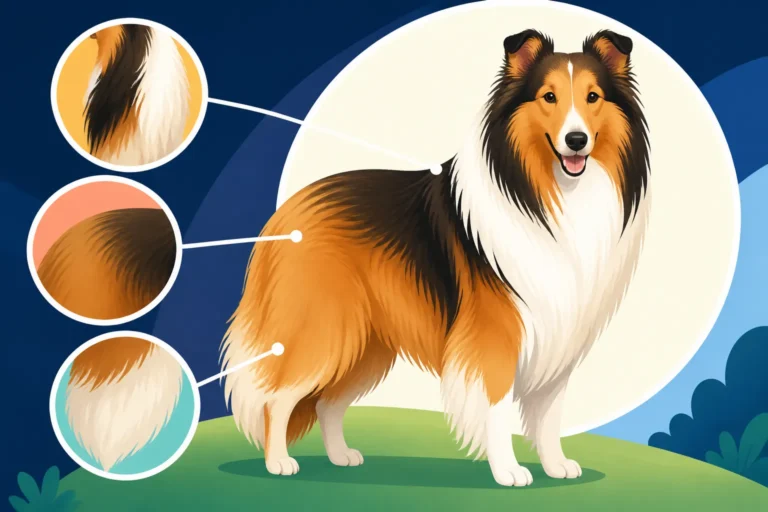
You'll notice it's thickest and longest around the throat and chest, where it forms a prominent "tucker" or "bib." On the sides of the neck, it merges with the longer hair on the shoulders and upper forelegs, which are often called "feathering." The transition should be smooth and gradual, without any abrupt lines, contributing to the harmonious outline of the dog. Understanding these boundaries helps immensely when you're tackling a grooming session, ensuring you don't miss any critical areas where mats love to form.
The Unique Construction of the Collie's Frill
To truly appreciate (and effectively care for) the Collie's frill, it helps to understand its unique construction. It's not just one type of hair; it's a complex, multi-layered system designed for protection and insulation. This double coat is what gives the Collie its weather-resistant qualities and, unfortunately, also its propensity for serious matting if neglected.
A Double Coat Marvel: Undercoat and Guard Hairs in the Frill
Like the rest of a Rough Collie's coat, the frill is composed of two distinct layers: a soft, dense undercoat and a coarser, straight outer coat (also known as guard hairs). The undercoat is incredibly plush, almost like wool, and its primary job is to provide insulation against both cold and heat. It traps air, keeping the dog warm in winter and cool in summer. This undercoat is especially thick in the frill area, contributing greatly to its volume and fluffiness.
Above this insulating layer are the guard hairs. These are longer, coarser, and naturally resistant to dirt and moisture. They lie smoothly over the undercoat, protecting it from the elements and giving the frill its characteristic flowing appearance. In the frill, these guard hairs can be remarkably long, sometimes reaching four to six inches or more, creating that impressive drape. It's the interplay between these two layers, especially when the undercoat starts to shed or "blow," that often leads to those dreaded mats and tangles. How Much Undercoat a Collie Drops really highlights the sheer volume of hair involved.
Why the Frill Grows So Long and Dense
The density and length of the frill are largely genetic, a hallmark of the Rough Collie breed. These dogs were developed to work in the often harsh and unpredictable climate of the Scottish Highlands, where thick, protective coats were essential for survival. A substantial frill would have provided extra warmth and protection to the vital neck and throat area, guarding against biting winds, rain, and snow. It also offered a degree of physical protection during conflicts with predators or even just from rough vegetation.
Over generations, breeders selected for dogs with these pronounced coats, not just for utility but also for the aesthetic appeal that has become synonymous with the breed. The hair follicles in the frill region are simply programmed to produce longer, thicker hair than in other parts of the body. This continuous growth, combined with the natural shedding cycle of the undercoat, means that constant attention is required to prevent the frill from becoming a matted mess. It's a glorious evolutionary adaptation, but one that certainly keeps us Collie owners busy with our brushes!
Mastering Frill Grooming: Tools and Techniques
Caring for a Collie's frill is an ongoing commitment, not a sporadic task. Neglect can quickly lead to painful mats that pull at the skin, causing discomfort and even skin infections. Regular, thorough grooming is key, and having the right tools makes all the difference.
Essential Tools for a Healthy Frill
You wouldn't try to sculpt a masterpiece with a dull crayon, and you shouldn't try to groom a Collie's frill with subpar tools. Investing in quality grooming equipment is essential. First and foremost, you'll need a good quality pin brush, ideally with long, polished pins that can reach deep into the undercoat without scratching the skin. This is your daily driver for general brushing. For serious tangles and de-shedding, a sturdy slicker brush with fine, angled wires is indispensable, but use it gently to avoid "raking" the skin. You can find excellent options on Amazon or Chewy.
Next, a metal comb with both wide and fine teeth is crucial for detail work and ensuring you've completely removed all tangles. The wide-toothed end can help gently separate larger mats, while the fine-toothed end is perfect for checking behind the ears and around the delicate throat area. Finally, a high-velocity dryer is a game-changer for drying the frill after a bath, preventing mildew and ensuring the undercoat is completely dry and fluffy. It also helps to blast out loose undercoat. Which Four Brushes a Collie Owner Needs provides a deeper look into selecting your grooming arsenal.
The Art of Line Brushing and Detangling the Frill
Line brushing is the most effective technique for grooming a Collie's double coat, especially the dense frill. Instead of just brushing over the top, you need to work in small sections, parting the hair and brushing from the skin outwards. Start at the bottom of the frill, near the chest, and create a horizontal part in the coat. Hold the hair above the part up with one hand, exposing a small "line" of hair to brush.
With your pin brush or slicker, gently brush downwards from the skin, moving through the line of hair until it's completely tangle-free. Once that section is done, move up slightly, create another line, and repeat the process. This meticulous method ensures you're reaching all the way to the skin, preventing mats from forming deep within the coat. For any stubborn tangles you encounter, a detangling spray can be a lifesaver. Spray it directly on the mat, work it in with your fingers, and then gently tease the tangle apart with the wide end of your metal comb. This careful approach takes time, but it saves your Collie a lot of discomfort. How to Line Brush a Collie goes into more detail on this essential technique.
Regular Maintenance and Emergency Mat Removal
Regularity is the golden rule for frill care. Ideally, a thorough brushing of the frill should happen every few days, if not daily, especially during shedding season. This prevents small tangles from becoming enormous, painful mats. How Often a Rough Collie Should Be Brushed will give you a good schedule to follow. After each walk, particularly if your Collie has been romping in tall grass or brush, quickly check the frill for burrs, twigs, or other debris that can instantly start a mat.
If, despite your best efforts, you find a significant mat, approach it with patience. Never try to cut a mat out blindly with scissors, as it's incredibly easy to cut skin underneath. Instead, try to work it out with your fingers, a detangling spray, and the wide teeth of a comb. If it's too tight, a mat splitter or a dematting tool can be used with extreme caution, always pointing away from the skin. For very severe, pelted mats, the kind that feel like a solid block, it's often best to consult a professional groomer or your vet. They have specialized tools and expertise to remove them safely, even if it means shaving the area. It's always better to involve a professional than to cause injury or severe pain to your beloved Collie.
Everyday Challenges and Solutions for the Frill
A Collie's frill, while beautiful, is a magnet for all sorts of everyday grime and environmental hazards. Keeping it looking its best requires proactive management of these common challenges.
Food, Water, and Drool: Keeping the Frill Clean
Let's face it, Collies aren't always the tidiest eaters or drinkers. Their long frills often dip into food bowls, get soaked when they drink, and can become matted with drool after a particularly enthusiastic chew on a toy or bone. This combination of moisture and food residue creates a perfect breeding ground for mats and can also lead to skin irritation or an unpleasant odor. Many Collie owners recognize the challenge of the frill getting in the way of dinner.
One simple solution is to invest in a snood. This is a fabric tube that you can slip over your Collie's ears and neck during meal times, keeping the frill neatly tucked away from food and water. You can find these easily on Amazon. Another strategy is to use elevated food and water bowls, or bowls with a narrower opening or a dome in the center, which can help minimize how much the frill dips in. After they've finished eating or drinking, a quick wipe down with a damp cloth, followed by a dry one, can prevent issues. If you feed a fresh, moist food like Ollie, special care needs to be taken to wipe the frill down thoroughly after meals to prevent food from drying and sticking in the hair. Regularly checking and cleaning the frill in this area is a small step that prevents much larger problems. Whether a Collie's Frill Gets Food In It is a common frustration we all share.
Environmental Hazards: Burrs, Tangles, and Friction
Collies love to explore, to romp in fields, and to generally enjoy the great outdoors. Unfortunately, their magnificent frills are practically designed to pick up every burr, twig, and leaf imaginable. A single walk through tall grass can leave the frill peppered with debris, which, if not immediately removed, will quickly intertwine with the undercoat and form tight, painful mats.
Beyond natural debris, friction can also be a silent enemy of the frill. Collars, especially ill-fitting ones or those left on constantly, can rub and abrade the hair, causing breakage and matting. Consider using a flat, wide collar made of a smooth material, or even a martingale collar that loosens when not on lead, to minimize friction. Harnesses can also rub, so choose one that fits well and distribute pressure evenly. When your Collie rolls on their back or rubs their neck against furniture, these seemingly innocent actions can contribute to tangles. A quick brush-through after outdoor adventures and being mindful of collar fit can go a long way in keeping the frill free of environmental woes and friction-induced mats.
The Frill Across a Collie's Life Stages
The frill isn't a static feature; it evolves and changes throughout your Collie's life, presenting different grooming needs and challenges at various stages. Understanding these changes helps you adapt your care routine effectively.
From Puppy Fluff to Adult Grandeur: Frill Development
When you first bring home a Collie puppy, their coat is generally soft and fluffy, lacking the density and length of an adult frill. This "puppy coat" is relatively easy to manage, but it's a critical time to start building positive grooming habits. Get your puppy used to being handled, to the feel of brushes and combs, and to lying still for grooming sessions. Make it a pleasant experience with lots of praise and treats. Even though the puppy frill isn't prone to the severe matting of an adult, regular, gentle brushing will help prevent the smaller tangles that can occur as their adult coat starts to grow in.
As your Collie matures, typically between six months and two years of age, their adult coat will begin to "blow" the puppy fluff and come in with full force. This is when the frill starts to develop its impressive length and density. This transition period is often the most challenging for grooming, as the old puppy coat intermingles with the new adult coat, creating a prime environment for matting. You'll notice a significant increase in shedding and the need for more frequent and thorough brushing. Patience is paramount during this time, and consistent line brushing will be your best friend to navigate the change without letting the frill become unmanageable.
Aging Gracefully: Frill Care for Senior Collies
As Collies enter their senior years, usually around 7-9 years of age, their coat can undergo further changes. Some senior Collies may experience a thinning of their coat, including the frill, while others might find their coat becomes coarser or more prone to matting due to changes in skin elasticity or reduced mobility. Arthritis or other health issues can make standing for long grooming sessions uncomfortable for an older dog, so adjustments to your routine may be necessary. Caring for a Collie Past Nine offers broader advice for senior care.
For senior Collies, frequent, shorter grooming sessions might be preferable to one long, arduous one. Use a soft brush and be extra gentle, as their skin can become more delicate. If your senior Collie has developed lumps or bumps, be very careful not to snag them with brushes or combs. Their natural oils might also change, sometimes requiring different bathing products. It's also common for senior dogs to have less muscle tone around their face and neck, which can lead to increased drooling or food getting stuck more easily in their frill. Maintaining a clean frill is still important for their comfort and skin health, so continue your diligent care, adapting as their needs evolve, and always prioritizing their comfort above all else.
The Smooth Collie's Interpretation of the Frill
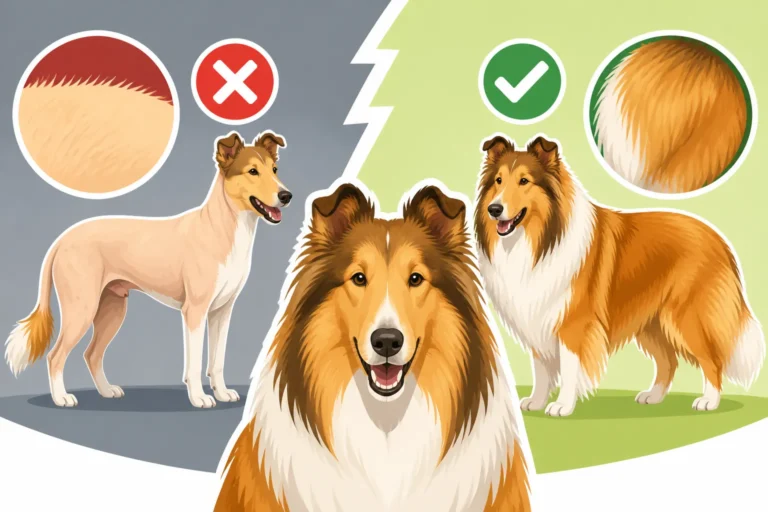
While the Rough Collie is famous for its abundant coat and magnificent frill, it's important to remember that the Smooth Collie is fundamentally the same breed, just with a shorter coat. This means they also have a "frill" of sorts, albeit a much less dramatic one.
A Shorter Story: The Smooth Collie's Neck Ruff
The Smooth Collie possesses a dense, short, and hard outer coat, with a very thick undercoat, particularly around the neck. While it doesn't flow like the Rough Collie's frill, the hair around a Smooth Collie's neck is noticeably longer and denser than the coat on its body. This forms a distinct "ruff" or "frill" that still contributes to the strong, substantial appearance of the neck and chest. You can easily feel the difference in texture and depth compared to the hair on their back. It still frames the head, giving that characteristic strong, noble outline, just without the dramatic length.
This shorter frill still provides protection and insulation, fulfilling the functional role of the longer coat in the Rough Collie, but without the extensive grooming demands. While a Smooth Collie might not get burrs caught in its frill with the same frequency as a Rough, the density of the coat means it still provides excellent weather resistance. It’s a testament to the breed’s heritage that even the smooth variety retains this important feature, showcasing the underlying structure and protective qualities of the Collie coat, just in a more streamlined package.
Similar Care Principles, Different Effort
Even though a Smooth Collie's frill is much shorter, the underlying principles of coat care still apply, just with significantly less effort required. They still have an undercoat that sheds, so regular brushing, perhaps once or twice a week with a slicker brush and a rubber curry comb, is beneficial to remove loose hair and stimulate the skin. This keeps their coat healthy and minimizes shedding around the house. You won't typically need to worry about the same kind of severe matting or tangles that plague Rough Collie owners, but neglecting even a short double coat can lead to dullness and less effective insulation.
Bathing a Smooth Collie is also much quicker, and drying time is dramatically reduced. While a Rough Collie might need a high-velocity dryer and hours of careful line brushing, a Smooth Collie can often be towel-dried and air-dried with ease. So, while the visual impact of their frill is different, and the daily grooming grind is certainly lighter, Smooth Collies still benefit from consistent, albeit less intensive, attention to their coat and its defining features. They are, after all, still Collies, and their coats, frills and all, are part of what makes them so unique and wonderful. Whether a Smooth Collie Costs Less to Groom is a question many consider when choosing between the varieties.
| Frill Characteristic | Rough Collie | Smooth Collie |
|---|---|---|
| Length | Very long, abundant, flowing hair (4-6+ inches) | Shorter, denser hair, forming a noticeable ruff (1-2 inches) |
| Density | Extremely dense, thick double coat with profuse undercoat | Very dense, hard outer coat with thick undercoat |
| Appearance | Majestic, lion-like mane framing the head, contributing to regal expression | Defined ruff, giving a strong neck and substantial appearance, less dramatic flair |
| Grooming Needs | High: Daily/every-other-day thorough line brushing, mat prevention, careful cleaning | Moderate: Weekly brushing to remove loose hair, occasional bathing |
| Matting Risk | Very High: Prone to severe matting if neglected, especially behind ears, under jaw, and on chest | Low: Generally not prone to matting due to shorter length, but undercoat still sheds |
| Protection | Excellent insulation against cold/heat, good physical protection | Good insulation against cold/heat, adequate physical protection |
| Challenges | Food/water residue, burrs, friction from collars, extensive shedding, long drying times | Less susceptible to external debris, easier to dry, lighter shedding challenges |
Disclaimer
This article is for general informational purposes only and does not constitute professional advice. Laws, prices and regulations vary by location and change over time. Consult a qualified professional for guidance on your specific situation.