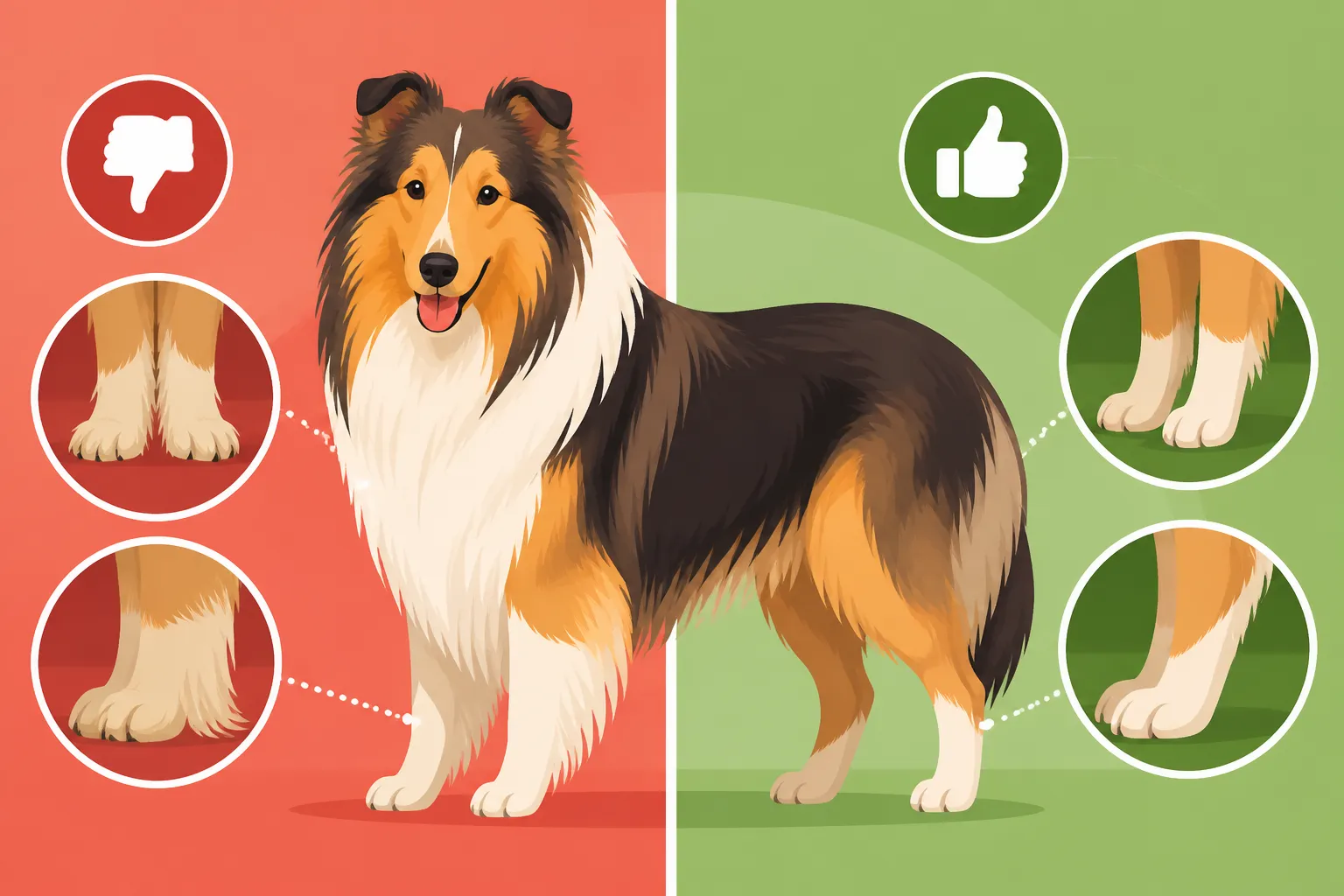
Whether a Collie’s Feet and Hocks Are Tidied
It's a common question for us Collie owners, especially when you're knee-deep in fluff and wondering where one hair ends and the next begins: what exactly should you do with those furry feet and hocks? Many of us are so focused on the majestic mane and flowing tail that the idea of tidying the lower extremities can seem a bit mysterious, or even against the natural look we love. But believe me, ignoring these areas can lead to a world of discomfort for your beloved companion, and this guide is here to walk you through exactly why and how to keep your Collie's feet and hocks comfortable and tidy.
Understanding the Collie's Coat Standard and Why It Matters
The Collie is renowned for its magnificent double coat, especially the Rough Collie, with its abundant mane, frill, and flowing feathering. This impressive coat is a hallmark of the breed, a big part of what makes them so striking. But with great beauty comes great responsibility, particularly when it comes to grooming. The breed standard often emphasizes a "natural" appearance, which can sometimes lead new owners to believe no trimming or tidying is ever acceptable. It’s a common misconception that can leave both you and your dog struggling with practical matters.
The 'Natural' Look Versus Practicality
When breed standards talk about a "natural" coat, they're generally referring to the overall silhouette, texture, and growth patterns, not necessarily a hands-off approach to every single strand of hair. A truly wild, untended coat would quickly become a matted mess, uncomfortable and unhealthy for any dog, let alone one with such dense furnishings. The "natural" ideal still implies a well-maintained dog whose coat flows freely and without tangles, allowing their structure and movement to shine through. This means that while you'd never want to sculpt a Collie's coat like a poodle, strategic tidying in certain areas is not only permissible but often necessary for their comfort and hygiene. It's about finding that sweet spot where their inherent beauty is preserved, but their daily life isn't hampered by inconveniently long hair.
For the everyday pet Collie, practicality often trumps strict show ring adherence. Your Collie isn't constantly in a show ring, but they are walking on concrete, running through fields, and navigating your home. Long hair on the feet can pick up burrs, dirt, moisture, and even cause slips on smooth floors. The frustration of constantly cleaning muddy paws or dealing with painful mats is very real, and it’s okay to address these issues. A little responsible tidying goes a long way in making both your life and your Collie's much more enjoyable without compromising their classic good looks. Remember, a clean, comfortable dog is a happy dog, and that's the most important standard of all.
Rough Versus Smooth Collies and Foot Feathering
While both Rough and Smooth Collies are the same breed, their coat types dictate vastly different grooming needs. The Rough Collie, with its long, abundant outer coat and dense, soft undercoat, is where most of our grooming discussions center. Their feet, in particular, will have significant feathering, which means longer hair growing around and sometimes over their paws, and delicate wisps extending up their hocks (the joint above their rear paws, similar to an ankle). This feathering can be absolutely stunning, adding to their elegant appearance, but it's also a magnet for everything outdoors.
The Smooth Collie, on the other hand, boasts a short, dense, harsh outer coat that lies flat to the body. While they don't have the dramatic feathering of their rough-coated counterparts, they are not entirely without hair on their feet. There's still hair that grows between their paw pads and around the edges of their feet, just not to the same voluminous extent. You might think, "Great, less grooming!" and to a certain degree, you'd be right. But even a Smooth Collie can benefit from attention to these areas. The Smooth Collie Is the Same Dog With Less Work in many aspects of grooming, but not no work. The principles of keeping hair out from between the paw pads and neatly rounding off the foot edges still apply to ensure traction and cleanliness, even if the amount of hair removed is significantly less. It’s about functionality for all Collies, regardless of their coat length.
Why Tidying Your Collie's Feet Is Essential (Beyond Just Looks)
We love our Collies for their regal appearance, and a perfectly groomed coat is part of that. But beyond looking spick and span, there are some really important health and comfort reasons why keeping those feet and hocks tidy is a non-negotiable part of their care. It’s not just about aesthetics; it’s about preventing problems down the line that can cause real discomfort for your best friend.
Preventing Mats and Debris Accumulation
Imagine walking around all day with tiny pebbles stuck between your toes, or having sticky burrs constantly pulling at your skin. That's essentially what your Collie can experience if the hair between their paw pads and around their feet is left to grow wild. This longer hair acts like a magnet, picking up everything from dirt, mud, and small stones to burrs, foxtails, and even snow and ice balls in colder climates. When this debris gets entangled in the soft, fine hair, it quickly forms tight, painful mats. These mats aren't just an annoyance; they can pull at the skin, causing irritation, sores, and even infections if moisture gets trapped underneath.
Moreover, if the hair between the pads becomes severely matted, it can restrict the natural splay of their toes, making walking incredibly uncomfortable and awkward. It can even lead to changes in their gait as they try to avoid putting pressure on sensitive areas. I've seen Collies come into rescue with paw pads so matted they could barely walk, their feet caked with debris, leading to limping and distress. Regular, gentle trimming in these critical areas is one of the easiest ways to prevent such painful situations. It minimizes the surface area for debris to cling to and drastically reduces the likelihood of these problematic mats forming. This preventative care is a small investment of time that pays huge dividends in your Collie's comfort and overall well-being.
Improving Traction and Comfort
Have you ever watched your Collie slip and slide across your hardwood floors like they're on an ice rink? Overgrown hair on the paw pads is often the culprit. Just like the tread on a tire, your Collie's paw pads are designed to provide grip and traction. When excessive hair grows long and covers these pads, it essentially acts as a slick barrier between the pad and the floor, drastically reducing their natural grip. This loss of traction isn't just a minor inconvenience; it can lead to dangerous slips and falls, especially on smooth surfaces like tile, linoleum, or hardwood. For an athletic and sometimes clumsy breed like the Collie, a sudden fall can result in sprains, strains, or even more serious injuries, particularly as they get older and their joints become more susceptible.
Beyond preventing slips, trimming the hair between the paw pads significantly improves your Collie's overall comfort. When the hair is kept short, their pads can make full contact with the ground, allowing for a more natural and stable gait. This is particularly important during exercise or playtime, where good traction is essential for quick turns and confident movement. Think of it as ensuring your Collie always has their best "athletic shoes" on, providing the stability they need for every stride. A quick, regular trim in this area can dramatically reduce the risk of injury and ensure your Collie moves with the confidence and comfort they deserve throughout their life.
The 'How-To' of Tidying Collie Feet and Hocks Safely
Now that we understand why tidying these areas is so important, let's talk about how to actually do it without turning it into a wrestling match or a grooming mishap. It’s definitely something you can learn to do at home, saving you trips to the groomer just for a paw trim, and it can even be a bonding experience if approached correctly. Patience and the right tools are your best friends here.
Gathering Your Tools and Creating a Calm Environment
Before you even think about picking up scissors, make sure you have everything you need within arm's reach. This prevents you from having to stop mid-groom, which can frustrate your Collie or make them more anxious. You'll want a good quality pair of blunt-nosed grooming scissors for trimming around the paws and feathering, as their rounded tips help prevent accidental pokes. For the hair between the paw pads, small, cordless clippers (sometimes called "mini-trimmers" or "paw clippers") are often safer and more efficient than scissors. These can be found on sites like Amazon or Chewy, and investing in a quiet, low-vibration model will make a huge difference for sensitive pups. You'll also need a fine-toothed comb to separate the hair, and maybe some paw balm to soothe the pads afterwards, especially if they’re prone to dryness. And don't forget the treats! High-value treats are absolutely essential for positive reinforcement.
Creating a calm, positive environment is paramount. Choose a time when your Collie is relaxed, perhaps after a good walk when they're a bit tired. Set up in a quiet area of your home, away from distractions. A non-slip surface, like a rubber mat on a table or even a bath mat on the floor, will help your Collie feel secure. If you have a How to Teach a Collie Puppy to Lie Still for Grooming, start young and make it a regular, short, and positive experience. For adult Collies new to this, introduce the tools slowly, letting them sniff them, associating them with treats, and gradually building up the duration of the grooming session. Remember, the goal isn't perfection on the first try, but building trust and making it a pleasant routine.
Step-by-Step Guide for Paws and Pads
Let's tackle those furry paws! This is the most critical part for hygiene and traction. Start by having your Collie lie down or sit comfortably. Pick up one paw gently but firmly.
- Comb out the hair: Using your fine-toothed comb, carefully comb out the hair between the paw pads, pushing it up away from the pads themselves. You'll be surprised how much hair can hide in there! This also helps you see exactly what you're working with and prevents accidental nicks.
- Trim between the pads: This is where those small clippers shine. Gently place the clippers flat against the paw pad, moving them slowly and carefully to trim the hair even with the surface of the pads. Always hold the clippers parallel to the pad, never pointing them directly into the crevices between the toes. If using blunt-nosed scissors, be extra cautious. Hold the blades parallel to the paw pad, and only cut the hair that is clearly protruding past the pad, keeping the points of the scissors away from the skin. Work slowly, one toe space at a time.
- Shape around the foot: Once the pads are clear, use your blunt-nosed scissors to tidy the hair around the perimeter of the paw. The goal is to create a neat, round "cat foot" appearance, where the hair doesn't splay out excessively. Imagine the outline of a perfect circle around the paw. Carefully trim any stray hairs that stick out beyond this line, blending it so it looks natural, not harshly cut.
- Check for symmetry and reward: Put the paw down and stand back to assess your work. Does it look neat? Does it match the other paw (if you’ve done one)? Offer plenty of praise and a high-value treat after each paw is done. Remember, short, positive sessions are always better than one long, stressful one. Consistency is key here; a little bit of maintenance every few weeks will keep those paws in top shape.
Addressing the Hocks and Rear Feathering
While the paws are about practicality, tidying the hocks and rear feathering is often more about neatness and maintaining that elegant Collie outline. You're not looking to shave or dramatically alter the coat, but rather to clean up any straggly bits that detract from the overall appearance or catch too much debris. This area generally doesn't get as dense or matted as the paws, but it can still look messy.
For the hocks, which are the joints on the rear legs, just above the rear paw, you're primarily looking to tidy up any long, wispy hairs that stick out excessively. Use your comb to brush the feathering down and out, then use your blunt-nosed scissors or thinning shears to carefully snip away just the very tips of the longest, most unruly hairs. The aim is to create a clean, natural line that follows the contour of the leg, blending seamlessly with the main coat. Avoid cutting into the dense coat of the leg itself. It's truly just a "tidying" or "light shaping" rather than a trim.
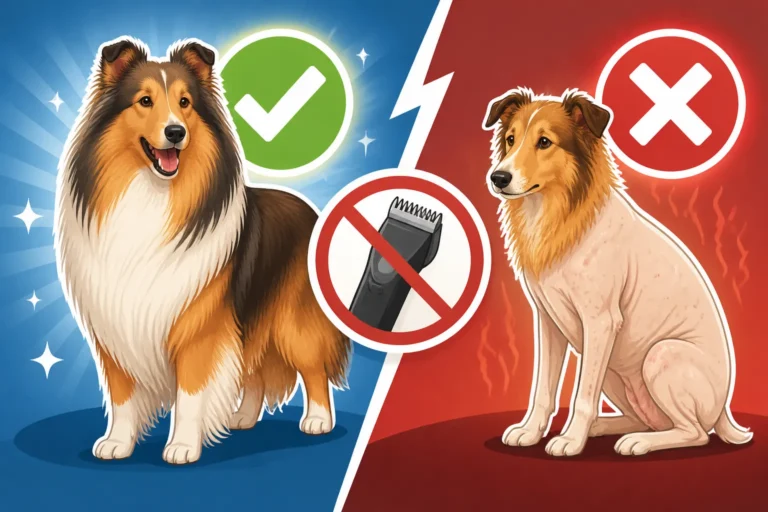
The rear feathering refers to the longer hair on the back of the rear legs, which can sometimes grow quite long and get stepped on or become a magnet for burrs. Again, brush the hair out smoothly and look for any individual strands that are significantly longer or that fall below where they naturally should, interfering with movement. Using thinning shears here can be very effective, as they remove bulk and length without creating harsh lines, preserving that soft, natural Collie look. Remember, A Collie Is Never Trimmed and Never Shaved in the main body coat, but selective tidying of feathering for neatness and function is acceptable and even encouraged. Keep it minimal and always prioritize a natural, flowing appearance.
Common Concerns and Troubleshooting When Tidying Collie Feet
Even with the best intentions and the right tools, grooming your Collie's feet can present its challenges. It's completely normal to run into issues, whether it's dealing with a particularly matted paw or a dog who just isn't thrilled about having their feet handled. Don't get discouraged! There are ways to navigate these common hurdles and make the process smoother for everyone involved.
Dealing with Matted Paws and Difficult Dogs
Sometimes, despite our best efforts, a Collie's paws can become severely matted, especially if they've been romping through wet grass or if grooming has been neglected for a while. If you encounter a mat that is tight, close to the skin, or causing your Collie pain, do not try to cut it out yourself with regular scissors. It's incredibly easy to accidentally cut the skin, which is very thin and delicate around the paw pads. In these cases, your best bet is to seek professional help. A professional groomer has specialized tools, like powerful clippers with various blades, and the expertise to safely remove mats without injuring your dog. If the mat is particularly severe or causing skin irritation, a vet visit might even be necessary, as sedation may be required for removal, and they can address any underlying skin issues. You can often find specialty clippers and tools, as well as de-matting sprays, on Chewy or Amazon if you're determined to try at home with extreme caution.
For Collies who are just plain difficult about having their feet handled, patience and positive reinforcement are key. Start with very short sessions, even just touching a paw for a second and then immediately rewarding with a high-value treat. Gradually increase the duration and intensity of the touch. Work on desensitization exercises: gently touch their paws while they are relaxed, associate it with good things, and try to make it a calm, routine part of daily interaction, not just grooming time. If your Collie is truly resistant, consider enlisting the help of a professional trainer or a fear-free certified groomer who can guide you through appropriate handling techniques. Never force the issue, as this can create a negative association that makes future grooming even harder.
Maintaining the Natural Look While Tidying
One of the biggest anxieties for Collie owners is tidying their dog's coat without making them look "chopped" or losing that beautiful, natural flow. It's a valid concern, as the Collie standard values a natural outline. The trick to maintaining that aesthetic, especially around the feet and hocks, is to practice minimal, strategic trimming. You're not aiming for a sculpted look, but rather a neat and clean one. For the paws, the goal is simply a tidy, round appearance that keeps hair from interfering with the pads or dragging on the ground. Think of it as evening up the edges, not creating a sharp, unnatural line.
When it comes to the hocks and the back of the legs, focus on removing only the longest, most unruly strands that stick out or get caught. Using thinning shears can be particularly helpful here because they remove less hair with each cut and create a softer, more blended finish compared to straight scissors. This technique allows you to reduce bulk and length without leaving obvious chop marks or altering the natural fall of the feathering. If you're unsure, it's always better to take off too little rather than too much. You can always trim a little more later. If you're preparing a show dog, or you're just not confident in your ability to maintain that natural look, don't hesitate to seek out a professional groomer who specializes in Collies. They'll know exactly how to tidy these areas while preserving the breed's elegant lines.
Professional Groomers vs. DIY for Collie Feet and Hocks
The question of whether to tackle your Collie's grooming at home or leave it to the professionals is one many owners grapple with. There are compelling arguments for both sides, and often, the best approach is a hybrid one, combining regular home care with occasional professional touch-ups. When it comes to something as specific as tidying feet and hocks, understanding the pros and cons of each option can help you decide what's best for you and your furry friend.
When a Professional Groomer is Your Best Friend
There's no shame in admitting that some grooming tasks are just better left to the pros. Professional groomers, especially those with experience with double-coated breeds like Collies, bring a wealth of knowledge, specialized tools, and a trained eye to the table. They can quickly and efficiently tackle areas like the feet and hocks, ensuring a clean, neat, and often breed-standard-appropriate trim. This is particularly valuable if you're exhibiting your Collie, as groomers understand the nuances of the desired look. For those difficult cases, such as severely matted paws or a Collie who is highly anxious about being handled, a professional's expertise can be a lifesaver, ensuring the job gets done safely without causing undue stress or injury.
Moreover, a good groomer can also act as a valuable resource for you. They can offer advice on specific products, demonstrate proper techniques for at-home maintenance, and help you identify potential skin or coat issues you might have missed. Think of them as part of your Collie care team. While regular professional grooming can be an investment, the peace of mind knowing your Collie is being handled expertly, and the time saved on your end, can be well worth it. They often have high-velocity dryers which are amazing for getting a Collie fully dry after a bath, and special grooming tables that make the process much easier than trying to wrangle a seventy-pound dog in your bathroom. What a Collie's Bath and Blow Dry Costs can vary, but it might be worth it for the peace of mind.
The Rewards and Challenges of DIY Grooming
Taking on the grooming tasks yourself, including tidying your Collie's feet and hocks, comes with its own set of rewards. Firstly, it can be a wonderful bonding experience. The gentle handling, the quiet focus, and the positive reinforcement involved can deepen the trust and connection between you and your dog. Secondly, there are significant cost savings. Over the lifetime of a Collie, professional grooming appointments can add up, so being able to handle routine tasks at home can really impact your budget. Plus, the convenience of being able to tidy up those paws whenever they need it, without scheduling an appointment, is a huge bonus. You can quickly address issues like muddy paws or stray hairs without delay. Owners set aside money monthly for general expenses, but DIY grooming can reduce that.
However, DIY grooming isn't without its challenges. There's definitely a learning curve, and it takes practice to develop the skill and confidence to use sharp tools safely and effectively on your dog. You might make mistakes, and it can be frustrating if your Collie isn't cooperative. The time commitment is also real; a thorough grooming session, even just for feet, can take longer when you're doing it yourself. You'll also need to invest in quality grooming tools, such as those blunt-nosed scissors, a good comb, and perhaps those small clippers I mentioned earlier – many of which are available through retailers like Ollie, Chewy or Amazon. Don't feel pressured to become a master groomer overnight. It's an ongoing process, and it’s perfectly okay to tackle the simpler tasks at home and rely on a professional for the more intricate or challenging aspects of your Collie's coat care. The most important thing is that your Collie is comfortable, healthy, and happy.
| Grooming Task Category | DIY Feasibility | Benefits of DIY | Challenges of DIY | When to Consider Professional |
|---|---|---|---|---|
| Paw Pad Trimming | High | Cost-saving, immediate attention for hygiene/traction | Risk of nicks, can be tricky with sensitive dogs | Severe matting, highly anxious dogs, if unsure of technique |
| Foot Rounding | Moderate | Keeps feet neat, enhances comfort | Can look "choppy" if not blended well, requires practice | Desire for show-ring perfection, difficulty achieving natural look |
| Hock Feathering | Moderate | Maintains natural flow, removes strays | Easy to over-trim, requires thinning shears for best blend | If specific breed standard look is desired, lack of thinning shear experience |
| Full Coat De-shedding | Low-Moderate | Reduced shedding indoors, bonding | Very time-consuming, requires specialized tools (e.g., high-velocity dryer) | During "coat blow" seasons, for thorough undercoat removal |
| Bathing & Drying | Moderate | Cost-saving, convenient | Messy, very time-consuming, difficult to dry thoroughly | For deep cleaning, difficult dogs, use of specialized tubs/dryers |
Disclaimer
This article is for general informational purposes only and does not constitute professional advice. Laws, prices and regulations vary by location and change over time. Consult a qualified professional for guidance on your specific situation.