What Happens to a Shaved Collie’s Coat
Oh, the infamous question about shaving a Collie's coat! So many well-meaning owners believe they're doing their furry friend a favor by clipping off all that magnificent hair, especially when summer rolls around or when the shedding gets overwhelming. But let me tell you, that lovely double coat isn't just for looks; it's a finely engineered piece of natural protection, and taking clippers to it can lead to a whole host of unexpected, and often irreversible, problems. This guide will walk you through exactly what happens when you shave a Collie, why it's almost always a bad idea, and what you can do instead to keep them comfortable and well-groomed.
The Anatomy of a Collie's Double Coat
Before we even talk about what happens when you shave it, we need to understand what you're actually dealing with. A Collie's coat is a marvel of natural engineering, designed over centuries to protect them in various climates and working conditions. It’s not just one uniform layer of hair; it’s a sophisticated system.
Understanding the Undercoat and Guard Hairs
Your Collie's coat consists of two distinct layers, each with its own crucial job. First, there's the soft, dense undercoat. This layer is composed of fine, woolly hairs packed tightly together, acting primarily as insulation. Think of it as your dog's personal down jacket in winter, keeping them wonderfully warm. In summer, this undercoat actually helps trap cool air close to the skin, keeping them from overheating. It's truly amazing how well it works both ways!
Then, we have the outer layer, known as the guard hairs. These are longer, coarser, and stronger hairs that form the visible, flowing mane, frill, and body coat you adore. These guard hairs are water-resistant and provide a protective barrier against external elements like rain, snow, dirt, burs, and even harmful UV rays from the sun. They're the first line of defense, keeping the elements away from the skin and allowing the undercoat to do its insulating work without getting wet or damaged. These two layers work in perfect harmony to keep your Collie comfortable and healthy.
How the Double Coat Regulates Temperature
It might seem counterintuitive, but that thick coat isn't just for keeping them warm; it's also incredibly efficient at cooling. The double coat creates an insulating layer of air next to your Collie's skin. In winter, this trapped air warms up, keeping them snug. In the summer, this same principle applies, but in reverse: the coat prevents external heat from reaching the skin, and the air trapped within acts as a buffer. It's like the insulation in your house – it keeps heat out in summer and in during winter.
When a Collie pants, moisture evaporates from their tongue and respiratory tract, cooling their blood, which then circulates through the body. Their coat doesn't restrict this natural cooling process; rather, it assists it by preventing the sun's direct heat from superheating their skin. So, while you might think shaving them will make them feel cooler, you’re actually removing their most effective, natural air conditioning system. This vital balance is often misunderstood, leading well-intentioned owners down a path that ultimately harms their dog's ability to regulate its own body temperature.
Immediate Consequences of Shaving a Collie
The moment those clippers go through a Collie's beautiful coat, a series of immediate consequences begin to unfold. Many of these are unintended side effects that owners often don't anticipate, believing they're solving one problem, only to create several more.
Loss of Natural Insulation and Sun Protection
The most immediate and critical impact of shaving a Collie is the complete removal of their natural insulation and sun protection. Remember those guard hairs and that undercoat? They're gone. This leaves your Collie's delicate skin completely exposed to the elements. Imagine stepping outside on a sunny day without clothes or sunscreen; that's essentially what you're doing to your dog. Their skin, which is much thinner and more sensitive than human skin, is now directly exposed to the harsh sun.
This exposure drastically increases the risk of sunburn, especially on areas like the back, sides, and top of the head. Sunburn on a dog can be just as painful as it is for us, leading to redness, blistering, and discomfort. More concerningly, prolonged or repeated sun exposure can increase the risk of skin cancer over time. Without the coat's insulating properties, your Collie's body also has to work much harder to maintain a stable internal temperature. Rather than cooling them down, shaving can actually make them more susceptible to overheating because their natural defense against direct solar radiation is gone. They can't trap that cooler air against their skin anymore; instead, the sun's rays beat directly down on them. Whether a Collie's Coat Protects It From Heat is a topic often misunderstood, and shaving actually undermines this natural protection.
Increased Risk of Skin Issues
Beyond sunburn, a shaved Collie becomes significantly more vulnerable to a myriad of other skin problems. The guard hairs usually provide a physical barrier against irritants, allergens, and insects. When they're removed, your Collie's skin is defenseless. You might notice them scratching more due to environmental allergens landing directly on their skin, causing contact dermatitis. Pollen, grass, and other common irritants can now easily access their skin, leading to itchiness and discomfort.
Insect bites also become a much bigger problem. Fleas, ticks, mosquitoes, and other biting insects have a much easier time reaching and biting exposed skin, which can lead to allergic reactions, secondary infections from scratching, and the transmission of diseases. Hot spots, those painful, rapidly spreading bacterial skin infections, are also a common issue for shaved dogs, especially if the skin becomes irritated or itchy and the dog starts excessively licking or chewing. The natural oils and protective barrier of the intact coat play a crucial role in maintaining healthy skin, and stripping that away leaves your Collie's skin prone to dryness, irritation, and infection. Whether a Damp Collie Gets Hot Spots is a real concern, and shaving can exacerbate it.
Long-Term Damage to the Coat's Structure
The impact of shaving a Collie isn't just immediate; it often has lasting, sometimes permanent, effects on the coat's very structure and quality. This is where the term "coat ruin" really comes into play, and it’s a source of considerable frustration for owners who unknowingly make this choice.
"Coat Ruin" and Uneven Regrowth
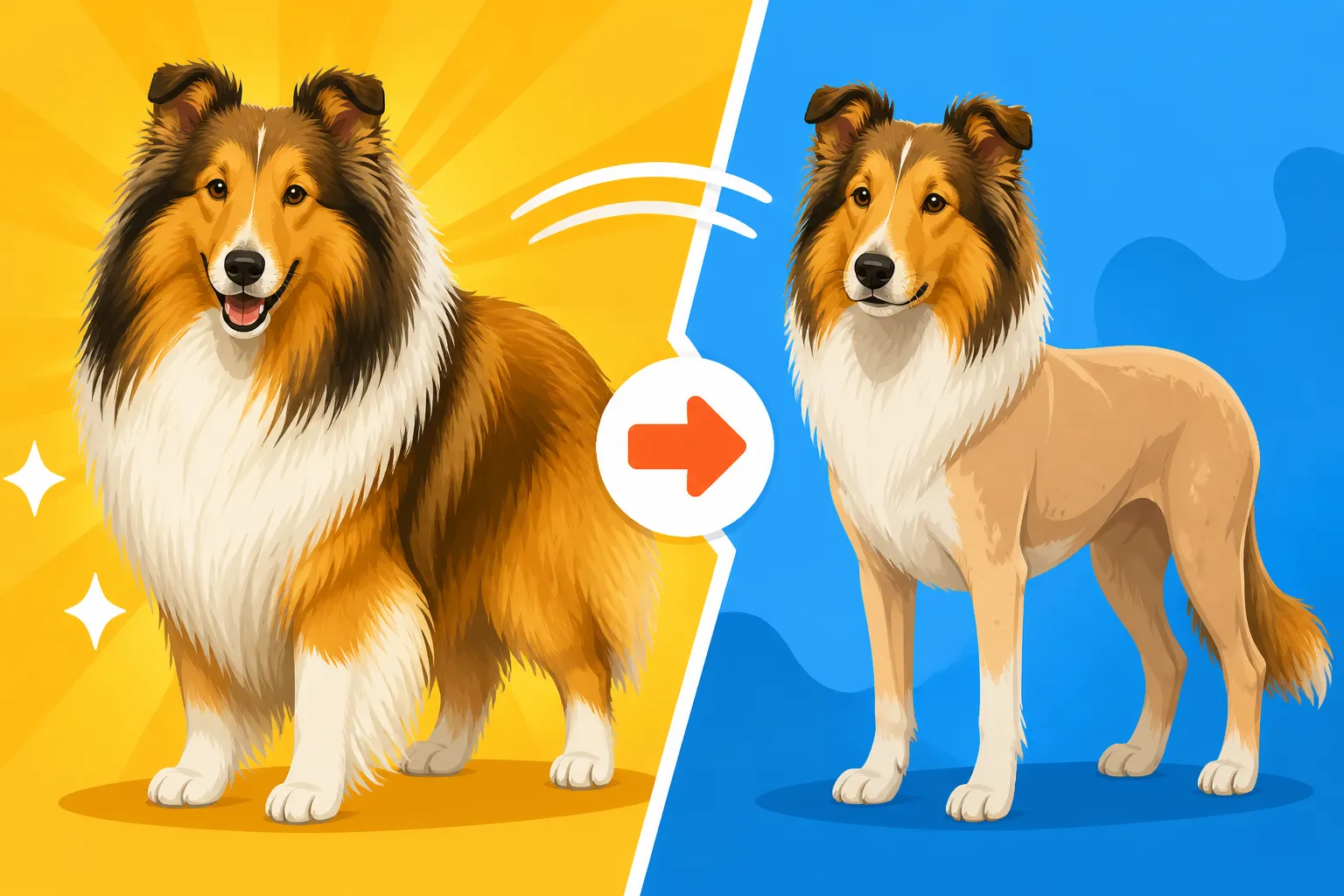
One of the most disheartening outcomes for a Collie owner who shaves their dog is the phenomenon known as "clipper alopecia" or "post-clipping alopecia," often simply referred to as "coat ruin." What happens is that the guard hairs, those strong, long outer hairs, have a much slower growth cycle than the soft, woolly undercoat. When you shave, you essentially cut both layers down to the same length. However, the undercoat grows back much faster and more profusely.
This results in an imbalanced regrowth: the softer undercoat dominates, growing in thick and cottony, while the guard hairs struggle to catch up, sometimes not growing back at all in certain areas, or growing back much thinner and weaker. This creates a patchy, uneven texture that bears little resemblance to the original majestic Collie coat. It can be quite shocking for owners to see their dog's coat return looking sparse, dull, and completely different. This altered growth pattern can persist for years, and in some cases, the coat may never fully recover its original texture and density. Many owners wonder Whether a Shaved Collie's Coat Grows Back Correctly, and the unfortunate answer is often "not completely."
Altered Texture and Matting Predisposition
Not only does the coat grow back unevenly, but its overall texture is dramatically altered. The guard hairs, which once provided a smooth, protective, and somewhat stiff outer layer, are either gone or are replaced by much softer, fluffier hairs that lack their original strength and resilience. This new, predominantly undercoat-like texture is incredibly prone to matting. The soft, cottony hairs easily tangle and knot together, forming dense mats that are painful for your dog and incredibly difficult to brush out.
This means that instead of making grooming easier, shaving often leads to more frequent and intensive grooming needs down the line, as the coat requires constant attention to prevent matting. What's more, the natural water-resistant properties of the guard hairs are lost. A shaved Collie's coat will soak up water like a sponge, taking longer to dry and making them colder in wet conditions. The once proud and flowing mane can become a tangled mess, diminishing the Collie’s distinctive appearance and making daily care a constant battle. This is a common tale of "good intentions, poor results" in the dog grooming world.
The Impact on Grooming and Maintenance
It’s an understandable assumption: less hair equals less grooming, right? Unfortunately, when it comes to a Collie’s double coat, this couldn’t be further from the truth. The long-term impact on grooming after shaving often creates more work, not less, and shifts the entire dynamic of coat care.
The Myth of Easier Grooming Post-Shave
Many owners choose to shave their Collie with the best of intentions, often thinking it will simplify their lives by reducing shedding or making daily brushing a breeze. They might be overwhelmed by the seasonal coat blow or daily maintenance, and see shaving as a quick fix. However, as we’ve discussed, the regrowth often leads to a cottony, mat-prone coat. This new texture means that instead of smooth, easy-to-brush guard hairs, you’re dealing with a dense, soft undercoat that clings together, creating tangles and mats with astonishing speed.
Suddenly, the twenty minutes you thought you saved on daily brushing turns into hours spent trying to untangle painful mats, or even more frequent trips to a professional groomer for dematting – which, if severe, can be painful and costly. The initial relief quickly gives way to frustration as the "easy care" coat becomes a high-maintenance nightmare. You might find yourself needing specialized tools that you never imagined for managing the new texture, and even then, it can feel like a losing battle. The illusion of a low-maintenance dog is quickly shattered when the realities of the altered coat set in.
Alternative, Healthy Grooming Practices
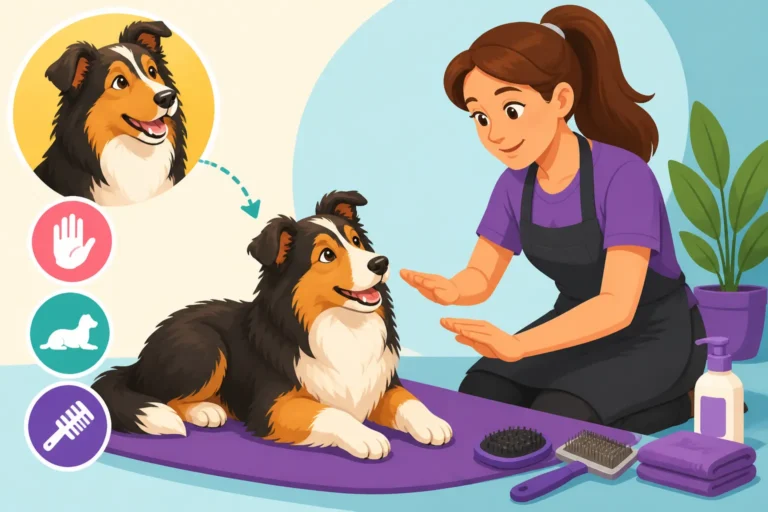
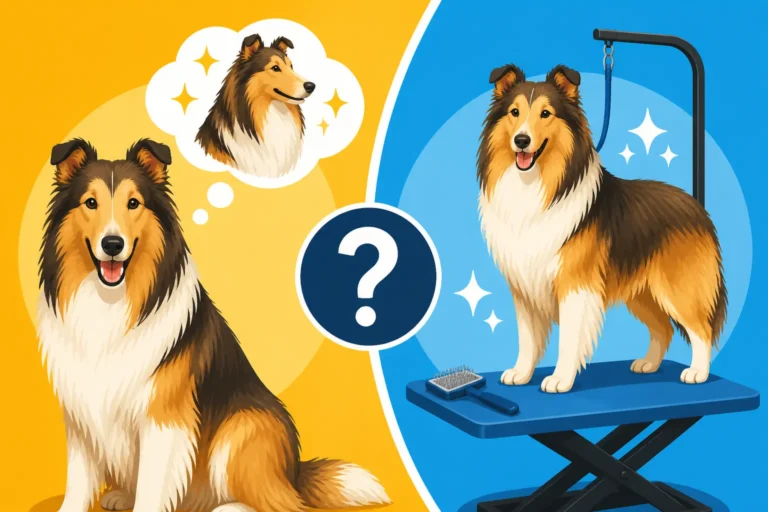
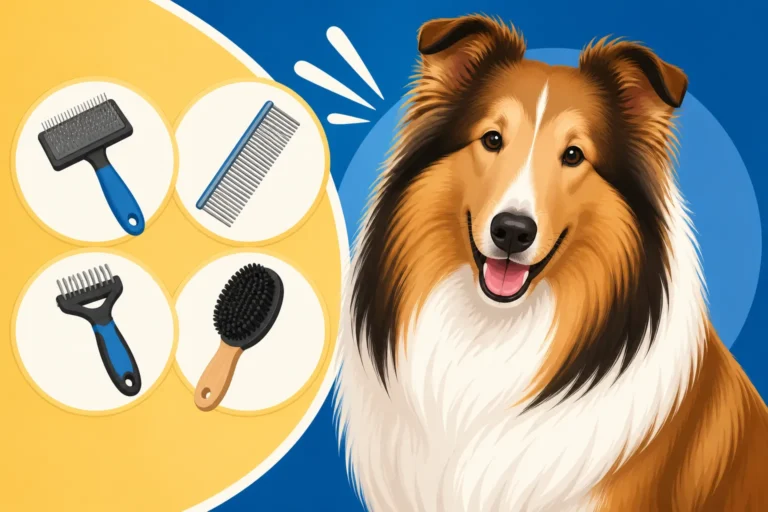
So, if shaving is out, what can you do to manage that glorious Collie coat and keep your dog comfortable? The answer lies in consistent, proper grooming that respects the coat's natural structure. Regular brushing is paramount. A good routine, ideally a few times a week, is far more effective than an emergency shave. You'll need the right tools: a slicker brush, a quality pin brush, and a sturdy metal comb are your best friends. These tools help you reach through the guard hairs to the undercoat, removing loose hair and preventing mats from forming deep within the layers. Which Four Brushes a Collie Owner Needs is a great resource for getting started with the right equipment.
During the heavy shedding seasons – the twice-yearly "coat blow" – brushing will need to be daily, sometimes even twice a day, to keep up with the volume of shedding undercoat. This is when a good deshedding tool or even a professional deshedding bath can be incredibly helpful. Using a high-velocity dryer after a bath also helps to blow out loose undercoat, significantly reducing shedding indoors. While it seems like a lot, it’s a manageable routine that keeps your Collie comfortable, healthy, and looking their best, without resorting to drastic measures. Stores like Chewy and Amazon offer a wide range of these grooming tools, from brushes to specialized shampoos designed for double coats. Remember, consistency is key, and it truly is less work in the long run than dealing with a ruined coat. How Often a Rough Collie Should Be Brushed will give you a good benchmark for your routine.
Psychological and Behavioral Considerations
While we often focus on the physical aspects of a shaved coat, it's important to consider the potential psychological and behavioral impacts on your Collie. Our dogs are sensitive creatures, and changes to their bodies, especially something as integral as their protective coat, can affect them more than we realize.
Discomfort and Stress for the Collie
Imagine being suddenly stripped of your protective covering, feeling the sun, wind, or even just the air currents differently on your skin. For a Collie, whose coat is so vital to their sensory experience and comfort, being shaved can be a disorienting and uncomfortable experience. If the skin is irritated, sunburned, or prone to bug bites, the constant itching and discomfort can be incredibly stressful. This chronic discomfort might manifest in various ways: excessive scratching, licking, or chewing at their skin, which can lead to further irritation or even hot spots.
Some Collies might become more withdrawn or lethargic, while others might become more agitated or restless as they try to alleviate the incessant itchiness. Their natural desire to roll in grass or enjoy the outdoors might be curtailed if their skin is sensitive to the sun or allergens. Furthermore, the act of being shaved itself can be stressful, especially if they are not used to clippers or if the process is rushed. A dog's coat also plays a role in their self-perception and how they interact with their environment and other dogs; an altered coat might subtly affect their confidence or how they carry themselves.
Owner Frustration and Regret
It's common for owners who shave their Collies with good intentions to later experience significant frustration and regret. The expectation of an easier, cooler dog often gives way to the reality of a patchy, mat-prone coat that requires more attention, not less. The beautiful, flowing appearance they once loved is gone, replaced by a less attractive, difficult-to-manage texture. This can be disheartening, especially when the recovery process for the coat can be incredibly long and, in some cases, never fully complete.
Owners might feel guilty, realizing they inadvertently caused their dog discomfort or damaged their natural beauty. The constant battle with mats, the increased need for professional grooming, and the worry about skin issues can take a toll. This regret can be compounded by the knowledge that prevention was possible through regular, diligent grooming. It's a tough lesson to learn, but one that highlights the importance of understanding your breed-specific grooming needs before making drastic changes. Many a Collie owner has shared stories of wishing they'd never taken clippers to their beloved dog, after seeing the lasting effects.
When Is Shaving a Collie Potentially Justified (and with extreme caution)?
While the general rule of thumb is "never shave a Collie," there are extremely rare circumstances where it might be the only viable option. These are typically medical necessities and should always be discussed and approved by a veterinarian, not undertaken as a casual grooming choice.
Severe Matting Beyond Salvage
Sometimes, despite an owner's best efforts, or in cases where a Collie has been neglected or rescued, the coat can become so severely matted that brushing is simply not an option. These mats can be incredibly tight, pulling on the skin, causing pain, restricting movement, and even leading to skin infections underneath. In such extreme cases, where the mats are solid and close to the skin, and dematting would be too painful or impossible for the dog, shaving might be the only humane option to relieve their suffering.
However, even in this scenario, it's a last resort, undertaken with extreme care. A professional groomer or vet will often have to shave under sedation to ensure the dog's comfort and safety, as cutting through such dense mats can be dangerous. The goal here is not aesthetics or ease of grooming, but rather the immediate health and welfare of the dog. Following such a shave, a careful plan for regrowth and proper maintenance must be put in place to prevent a recurrence. How to Work Out a Mat Behind a Collie's Ear usually involves gentle methods, but sometimes severe matting necessitates a shave.
Medical Procedures or Dermatological Conditions
Another rare instance where shaving may be necessary is for specific medical procedures or severe dermatological conditions. If your Collie needs surgery, for example, the area of incision will be shaved by the veterinary staff to ensure sterility and a clear field for the procedure. Similarly, if your dog is undergoing diagnostic imaging like an ultrasound, the area might need to be shaved for proper probe contact. These are targeted shaves for a specific medical purpose, not a full body clip.
For certain severe skin conditions, a veterinarian might recommend shaving specific areas, or even the entire coat, to allow for topical treatments to reach the skin directly and effectively. This would only be done under veterinary guidance, after other treatment options have been explored, and with a clear understanding of the benefits versus the risks of coat damage. It is a therapeutic intervention, not a routine grooming practice. Outside of these very specific, medically supervised situations, you should resist the urge to shave your Collie, even if it feels like the easiest path.
Here's a quick comparison of what you get with a healthy, intact double coat versus a shaved one:
| Feature | Healthy Double Coat | Shaved Coat |
|---|---|---|
| Primary Function | Insulation (warm & cool), UV protection, water-resistance | None, natural functions are compromised |
| Temperature Regulation | Excellent – traps air to insulate in heat/cold | Poor – exposes skin to heat/cold, hinders natural cooling |
| Sun Protection | High – guard hairs block UV rays | None – skin completely exposed to sunburn and UV damage |
| Skin Protection | Barrier against irritants, allergens, insect bites | None – skin vulnerable to irritants, bites, infections |
| Texture & Appearance | Smooth, flowing, distinct guard hairs, elegant | Uneven, cottony, patchy, dull, often permanently altered |
| Matting Tendency | Low with proper grooming | High – soft undercoat easily tangles and mats |
| Grooming Effort | Moderate, consistent brushing, seasonal deshedding | Initially perceived as low, but higher long-term due to matting and coat damage |
| Water Resistance | Good – guard hairs repel water | Poor – soaks up water, takes longer to dry |
Ultimately, understanding and respecting your Collie’s unique double coat is key to their long-term health and comfort. Regular, appropriate grooming techniques, rather than radical shaving, are always the best approach. Don't let the thought of The Three Weeks Twice a Year When a Collie Buries Your House scare you into a decision you'll regret.
Disclaimer
This article is for general informational purposes only and does not constitute professional advice. Laws, prices and regulations vary by location and change over time. Consult a qualified professional for guidance on your specific situation.