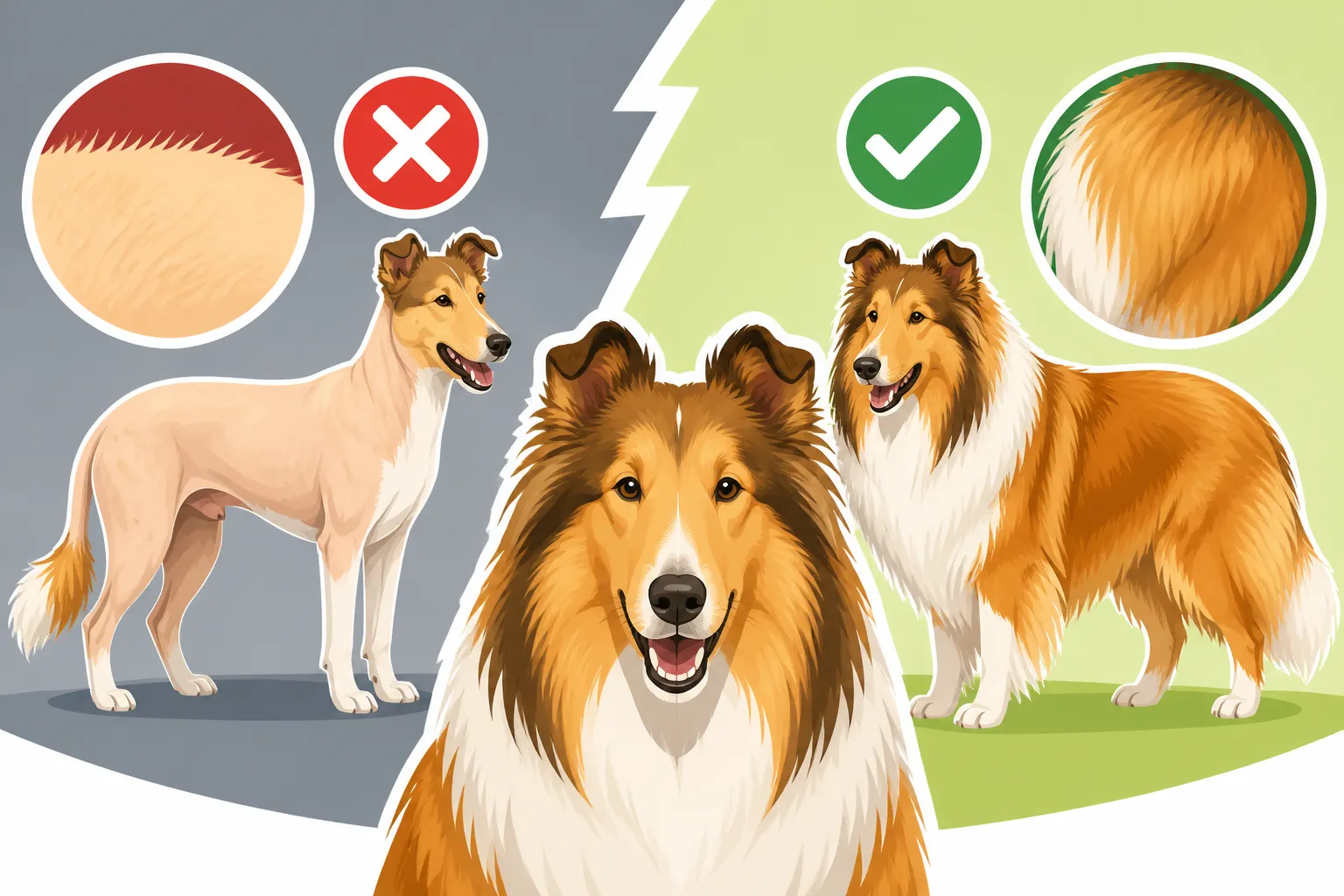
Whether a Shaved Collie’s Coat Grows Back Correctly
It’s a common scenario: you’re looking at your beautiful Collie, perhaps during a sweltering summer, or maybe during one of those infamous twice-yearly "coat blows" that leave your home resembling a fluffy winter wonderland. The thought pops into your head – "Wouldn't it just be easier to shave them?" It feels like a logical solution to shedding, to heat, to matting. But before you reach for those clippers, there’s a vital truth every Collie owner needs to understand: a shaved Collie’s coat often doesn't grow back correctly, leading to a host of problems far worse than the ones you were trying to solve. This guide will walk you through the intricate nature of your Collie’s magnificent double coat, the real consequences of shaving it, and what you can truly expect from regrowth if you’ve already made that difficult decision.
The Allure of the Clipper: Why Owners Consider Shaving a Collie
Let's be honest, the Collie's coat is undeniably gorgeous, but it's also a lot of work. Those flowing locks, that impressive mane, the fluffy pantaloons – they all come with a commitment. It’s completely understandable why an owner might, at some point, consider shaving their Collie. It seems like the ultimate quick fix, a magic bullet for several common frustrations.
Battling the Summer Heat: A Seemingly Simple Solution
When the temperatures soar, we often project our own discomfort onto our furry friends. We shed layers, seek shade, and crank up the air conditioning. Seeing a Collie with such a dense coat panting in the heat can make any owner feel terrible, and the immediate thought is, "If I cut off all that hair, surely they'll be cooler." It makes sense on the surface, doesn't it? We associate long hair with warmth, so less hair should equal less heat. This misconception drives many owners to contemplate shaving, believing they are doing their beloved companion a favor by removing what appears to be an overly thick, hot blanket.
However, this thinking often overlooks the unique design of a dog's coat, especially a double-coated breed like the Collie. Their fur isn't just there for aesthetics; it's a finely tuned piece of natural engineering. We'll delve deeper into this, but for now, understand that the urge to shave for heat relief is a deeply empathetic, albeit often misguided, instinct. Trying to make our Collies comfortable is a natural part of being a good pet parent, but sometimes our human logic doesn't align with canine biology.
Taming the Tumbleweeds: Addressing Extreme Shedding
Ah, the shedding. Any Collie owner knows the struggle. There are times when it feels like your dog is actively disassembling itself, one fluffy strand at a time. During the infamous "coat blow" seasons – typically in spring and fall – the amount of hair that comes off a Collie can be truly astonishing. The Three Weeks Twice a Year When a Collie Buries Your House isn't an exaggeration; it's a lived reality for many of us.
When faced with daily vacuuming, lint rollers becoming a fashion accessory, and finding Collie fluff in places you never knew existed, the idea of shaving becomes incredibly appealing. Imagine, for a moment, a house without the endless battle against shedding! It promises a cleaner home, less grooming time, and a reprieve from the constant fur accumulation. It's a fantasy that many of us have entertained, envisioning a life where we don't need to brush for Four Tools and Twenty Minutes: Brushing a Rough Collie regularly just to keep up. The desire to simplify life and reduce the amount of loose hair in the environment is a powerful motivator, leading many to consider drastic measures like shaving, hoping to hit the reset button on their dog's coat.
The Intricate Design: Understanding the Collie's Double Coat
To truly grasp why shaving a Collie is such a contentious issue, we first need to appreciate the marvel that is their double coat. It's not just hair; it's a sophisticated, multi-purpose system designed by nature to protect and regulate.
The Two Layers: Guard Hairs and Undercoat
A Collie's coat consists of two distinct layers, each with its own crucial function. The outer layer is made up of what we call "guard hairs." These are the longer, coarser, often slightly stiffer hairs that give the Collie its characteristic look and color. Think of them as the protective armor. They repel water, shield the skin from harsh sunlight and UV rays, and prevent dirt and debris from reaching the skin. They are the first line of defense against the elements, keeping your Collie dry and clean.
Beneath these guard hairs lies the "undercoat." This is where the real insulation magic happens. The undercoat is much softer, denser, and shorter than the guard hairs. It's often compared to wool or down. Its primary role is temperature regulation. In cold weather, it traps warm air close to the body, keeping the dog toasty. In hot weather, it works in reverse, creating an insulating barrier that prevents external heat from penetrating to the skin, while also allowing air circulation to keep the dog cool. This is why Whether a Collie's Coat Protects It From Heat is a resounding yes – it's a natural air conditioning system.
How the Double Coat Functions as a Natural Thermostat and Protector
Imagine wearing a winter coat, then putting another thinner, rain-resistant jacket over it. That's essentially what your Collie's coat does, but far more effectively. The guard hairs, being water-resistant, shed rain and snow. They also provide a physical barrier against insect bites and minor abrasions from bushes and rough terrain. Without them, your Collie’s delicate skin would be exposed to the world.
The undercoat, the fluffy insulator, is remarkable in its ability to adapt. In winter, it grows thick and dense, providing maximum warmth. In summer, much of it is shed, thinning out to allow air to flow closer to the skin, creating a cooling effect. This natural process is essential for regulating their body temperature, preventing both overheating and hypothermia. When this system is intact, a Collie is incredibly well-equipped to handle a range of climates. Disrupting this natural thermostat through shaving has profound and often irreversible consequences.
The Unintended Consequences: Why Shaving a Collie is a Bad Idea
Now that we understand the intricate workings of a Collie's double coat, it becomes clearer why the clippers should stay far away from it. The immediate, seemingly beneficial effects of shaving are often overshadowed by a cascade of negative repercussions for your dog's health and the future of their coat.
Damaging the Natural Insulation System: Overheating and Hypothermia Risks
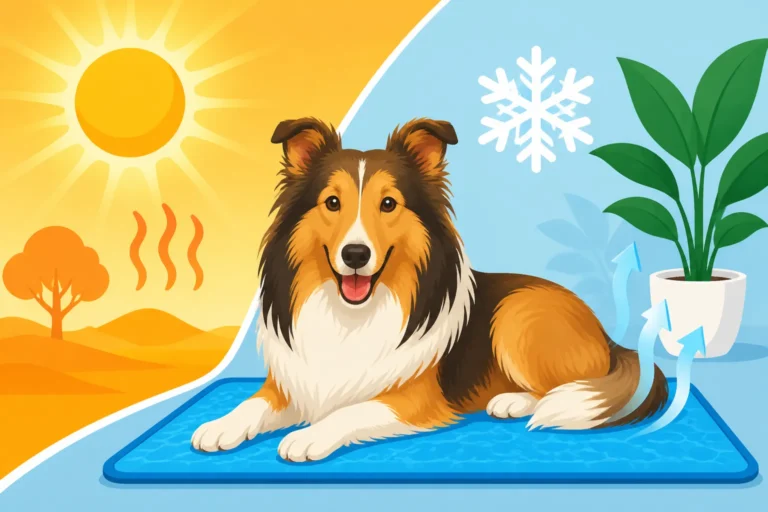
When you shave a Collie, you remove both layers of their protective coat. This immediately compromises their natural insulation system. In summer, instead of helping them stay cool, shaving actually exposes their skin directly to the sun's intense UV rays. This can lead to sunburn, heatstroke, and a higher risk of skin cancer. Think of it like stripping insulation from your house; it makes it harder for the house to regulate its internal temperature. Your Collie's skin, which was always shaded and protected, is now vulnerable, and they can actually get hotter faster. Whether a Collie Needs a Cooling Mat in Summer might become a desperate necessity rather than a comforting luxury after a shave.
Conversely, in colder weather, a shaved Collie has no natural barrier against the chill. They will feel the cold much more acutely and be at a higher risk of hypothermia. Their body will have to work much harder to maintain its core temperature, which can be taxing on their system. The idea of removing their "blanket" for summer ultimately leaves them without adequate protection in any season.
The Realities of Sunburn and Skin Damage
Exposing a Collie's skin to direct sunlight is a recipe for disaster. Just like humans, dogs can get sunburned, and it's particularly painful on tender, unpigmented skin. Sunburn can lead to redness, blistering, peeling, and discomfort. Beyond immediate pain, prolonged exposure to UV radiation increases the risk of skin cancer, including squamous cell carcinoma and melanoma, which can be aggressive and difficult to treat.
Furthermore, a shaved coat leaves the skin vulnerable to environmental irritants, scrapes, and insect bites. What was once protected by a thick layer of fur is now an open target. Owners may find their shaved Collies developing rashes, allergies, or chronic skin infections because their natural defense mechanism has been removed. This often leads to increased vet visits and ongoing management of skin issues, which is precisely the opposite of what most owners hope for when they consider shaving.
The Dreaded "Clipper Alopecia" and Coat Texture Changes
This is perhaps the most frustrating and often irreversible consequence of shaving a double-coated breed like a Collie: the coat simply doesn't grow back the same. This phenomenon is commonly known as "clipper alopecia" or "post-clipping alopecia," though it's not true alopecia in the disease sense but rather a permanent change in coat structure. What Happens to a Shaved Collie's Coat is often heartbreaking for owners.
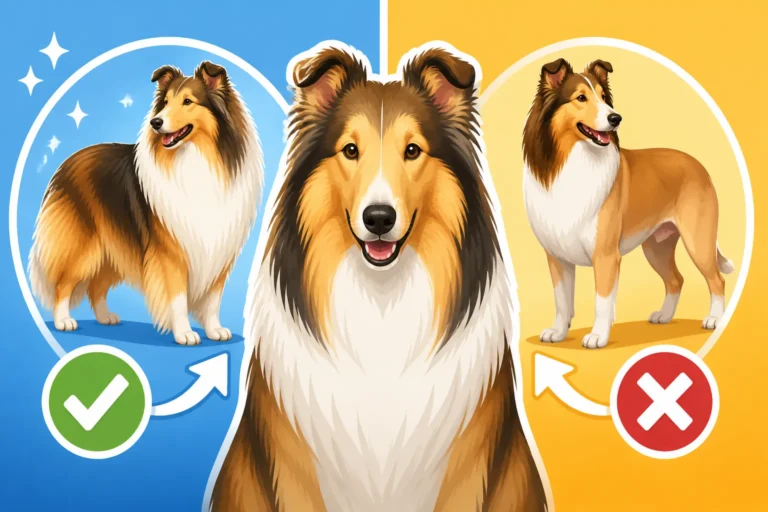
What frequently happens is that the undercoat grows back much faster and thicker than the guard hairs. This softer, woollier undercoat then becomes dominant, smothering the slower-growing, coarser guard hairs. The result is a coat that is dense, cottony, dull in color, and prone to severe matting. This new texture is much harder to manage than the original coat and can actually make the dog hotter because it lacks the protective, airflow-promoting qualities of the guard hairs. Instead of shedding efficiently, this new coat tends to clump and hold onto debris. In some extreme cases, particularly in older dogs or those with underlying health conditions, the hair may not grow back at all in certain areas, leaving patchy bald spots. This change can be permanent, meaning your Collie may never regain their original coat texture and density, forever altering their beautiful appearance and natural protective mechanisms.
The Reality of Regrowth: Will It Ever Be the Same Again?
After understanding the risks, the question naturally arises: if a Collie has been shaved, what can an owner expect for regrowth? The unfortunate truth is that "correct" regrowth is not a guarantee, and for many, the coat is never quite the same.
The Long, Uncertain Road to Recovery
Even in the best-case scenarios, a Collie's coat can take a surprisingly long time to grow back, often many months, sometimes even over a year, to reach its previous length and density. This is because the guard hairs have a much longer growth cycle than the undercoat. While the undercoat might spring back relatively quickly, it's those crucial guard hairs that lag behind. During this lengthy regrowth period, your Collie remains vulnerable to the issues mentioned earlier: sunburn, environmental irritants, and inefficient temperature regulation.
Furthermore, the regrowth isn't always uniform. You might see patches where the coat comes in thinner, or areas where the texture is distinctly different. It's a waiting game with no guaranteed outcome, and for many owners, it's a period filled with regret and concern for their dog's well-being. It can be a very disheartening experience to see your once-magnificent Collie looking patchy and feeling rough.
When the Undercoat Dominates: A Woolly, Mat-Prone Nightmare
The most common issue with regrowth is the undercoat taking over. Imagine trying to brush a thick, felted wool blanket – that's what a coat dominated by undercoat can feel like. This soft, dense hair lacks the stiffness and slickness of the guard hairs, meaning it mats incredibly easily. A playful romp in the yard, a roll in the grass, or even just a good scratch can create tangles that quickly escalate into painful mats.
These mats are not just cosmetic; they pull on the skin, causing discomfort and potentially leading to skin infections if moisture and debris get trapped underneath. Managing such a coat requires even more diligent brushing and care than an unshaved coat, creating a paradox where the original goal of reducing grooming has backfired spectacularly. Many owners find themselves in a perpetual battle against mats, needing specialized tools from places like Chewy or Amazon just to keep their dog comfortable. This often leads to further professional grooming needs, which can be costly and stressful for the dog.
The Impact on Coat Color and Luster
Another often-overlooked consequence is the change in coat color and luster. The guard hairs are responsible for the vibrant, rich colors and the beautiful sheen we associate with a healthy Collie coat. When these are compromised, the coat can appear duller, faded, or even change in hue. For instance, a beautiful sable might grow back with less rich red and more muted tan, or a brilliant blue merle might look more washed out.
This is because the undercoat often lacks the same pigment intensity as the guard hairs and doesn't reflect light in the same way. The overall aesthetic appeal of the Collie's coat can be significantly diminished, which, while not a health issue, can be upsetting for owners who cherish their dog's breed-standard appearance. It’s a testament to the complex biology of the double coat that its beauty and function are so intertwined.
Better Ways to Manage Heat and Shedding for Your Collie
So, if shaving isn't the answer, what can a dedicated Collie owner do to help their dog stay comfortable and manage that glorious coat effectively? There are plenty of safer, more effective strategies that respect your Collie's natural biology.
Regular, Thorough Grooming: Your First Line of Defense
This is, hands down, the most important strategy. Regular grooming is essential for a Collie's health and comfort, especially during shedding seasons. You need to get down to the skin and remove all that loose undercoat. This isn't just about surface brushing; it requires a systematic approach. A good routine involves line brushing and using the right tools, such as a sturdy pin brush, a slicker brush for smaller mats, and a good undercoat rake or de-shedding tool. Four Tools and Twenty Minutes: Brushing a Rough Collie highlights the minimal time investment for huge benefits.
By consistently removing dead undercoat, you achieve several critical things:
- Improved Airflow: Getting rid of the dense, dead undercoat allows air to circulate properly, which is vital for keeping your Collie cool in warm weather. It essentially thins out their "winter jacket" naturally.
- Reduced Shedding: Less dead hair on the dog means less hair on your furniture and floors.
- Prevent Matting: Regular brushing prevents mats from forming in the first place, saving you and your dog a lot of discomfort and potential trips to the groomer for painful shave-downs.
- Healthier Skin: Brushing stimulates blood flow to the skin and distributes natural oils, promoting a healthier coat.
Consider investing in a high-velocity dryer after baths, too, as it can blast out an incredible amount of loose undercoat and help dry the thick coat completely.
Smart Hydration and Cooling Strategies
Keeping your Collie hydrated is paramount, especially when it’s hot. Always ensure they have access to fresh, cool water. Consider adding ice cubes to their water bowl or even offering frozen treats. For outdoor time, a kiddie pool with a few inches of water can be a huge hit, allowing them to cool their paws and belly.
Strategically timing walks and outdoor activities can make a world of difference. Avoid the hottest parts of the day, typically late morning to late afternoon. Opt for early morning or late evening excursions when temperatures are lower. Providing ample shade in your yard, whether from trees, tarps, or dog houses, is also crucial. A cooling vest or bandana, soaked in cold water, can offer temporary relief during short periods outdoors. Remember, Whether a Collie's Coat Protects It From Heat means their coat helps, but it's not foolproof against extreme conditions.
Dietary Support for a Healthy Coat
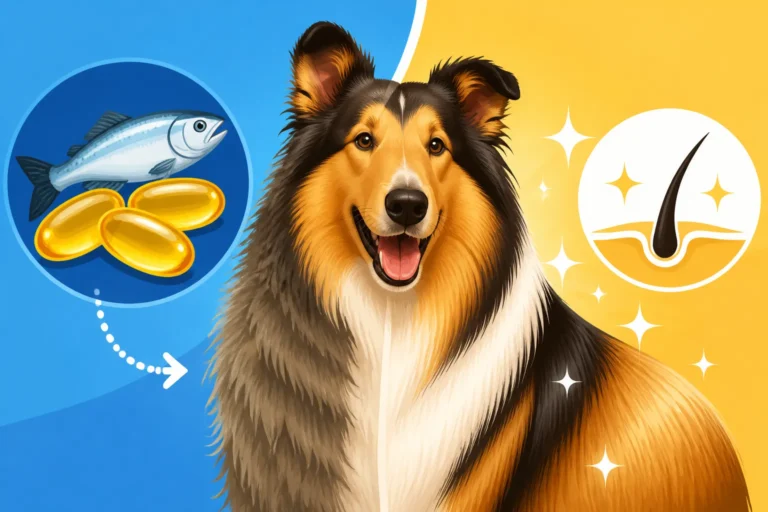
A healthy coat starts from within. A balanced, high-quality diet plays a significant role in coat health, ensuring strong hair follicles and a vibrant sheen. Look for dog foods that list real meat as the primary ingredient and contain healthy fats like Omega-3 and Omega-6 fatty acids, often derived from fish oil. Brands like Ollie, which focus on fresh, human-grade ingredients, can provide excellent nutritional support that translates to a healthier, more manageable coat.
Sometimes, supplements can also give a boost. Fish oil supplements, for instance, are known to support skin and coat health, reducing dryness and promoting a healthy luster. Always consult your vet before adding any supplements to your dog's diet to ensure they are appropriate for your individual Collie. A well-nourished dog will naturally have a more resilient and beautiful coat, making it easier to manage and less prone to issues like excessive shedding or dullness.
When to Seek Professional Help
Even with the best home grooming routine, sometimes a professional groomer can be an invaluable asset, especially during those heavy shedding seasons or if you encounter persistent matting. A professional groomer who understands double coats can perform a "de-shedding" treatment that goes far beyond what you can achieve at home, using specialized tools and techniques to remove vast amounts of dead undercoat without ever resorting to shaving.
They can also assess the health of your Collie's coat and skin, offer advice on specific products, and even teach you advanced grooming techniques. This professional intervention can significantly reduce shedding, prevent mats, and ensure your Collie's coat remains healthy, beautiful, and fully functional. It's an investment in your dog's comfort and the integrity of their coat, far more beneficial than the short-term perceived ease of shaving. When considering pet supplies or specialized grooming tools, online retailers like Amazon and Chewy often have a wide selection, but for actual services, seek out reputable local groomers experienced with double-coated breeds.
Remember, the goal is always to work with your Collie's natural coat, not against it. Your Collie's magnificent fur is part of their charm and their essential protective gear; learning to manage it properly is one of the joys and responsibilities of Collie ownership.
| Feature | Healthy, Unshaved Collie Coat | Shaved Collie Coat (Post-Clipper Alopecia) |
|---|---|---|
| Layers | Double-layered (guard hairs & undercoat) | Often single-layered, predominantly undercoat-like |
| Primary Function | Natural insulation, UV protection, water repellency, pest barrier | Compromised insulation, increased UV exposure, poor water repellency |
| Texture | Coarse, glossy guard hairs; soft, dense undercoat | Often soft, woolly, dull, cottony, uneven |
| Shedding | Seasonal "coat blows," manageable with regular brushing | Irregular, prone to clumping, harder to remove due to texture |
| Matting Risk | Moderate, with proper grooming | High, due to soft, tangly texture and lack of protective guard hairs |
| Temperature Reg. | Excellent (cool in summer, warm in winter) | Poor (prone to overheating and feeling cold) |
| Skin Protection | High (against sun, insects, minor abrasions) | Low (prone to sunburn, irritations, insect bites) |
| Regrowth Time | Continuous natural cycles | Long, uncertain, potentially incomplete or altered indefinitely |
| Appearance | Full, flowing, vibrant color, natural silhouette | Patchy, dull, faded color, abnormal texture |
Disclaimer
This article is for general informational purposes only and does not constitute professional advice. Laws, prices and regulations vary by location and change over time. Consult a qualified professional for guidance on your specific situation.