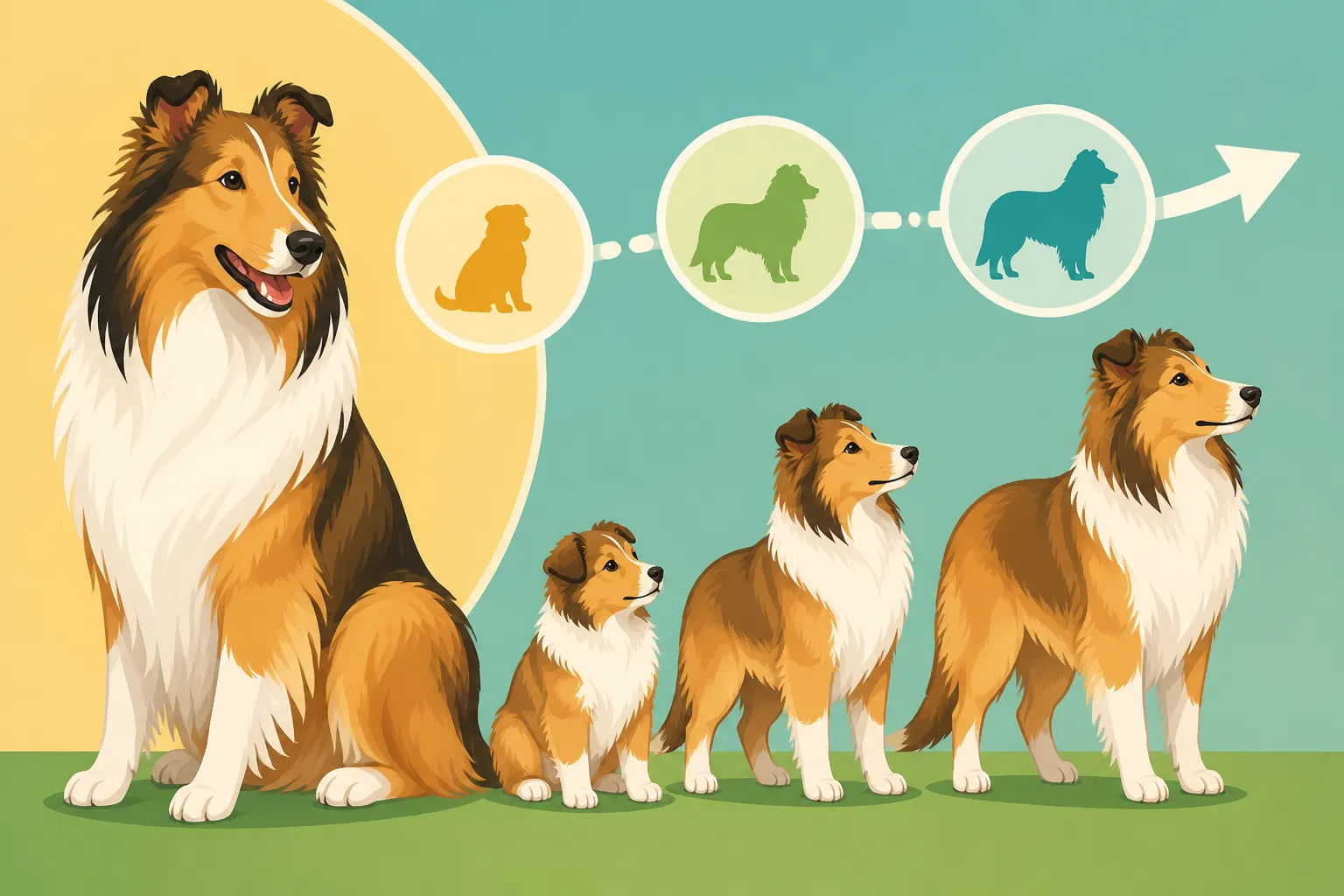
Whether a Collie Fills Out Until Three
It’s a common moment for new Collie owners: you look at your gangly youngster, still all legs and awkward movements, and wonder if they’ll ever grow into that magnificent, flowing coat or develop the stately presence you associate with a mature Collie. While most Collies hit their full height and length by a certain age, the process of truly "filling out" and achieving their adult physique and breathtaking coat often extends well beyond their first birthday, and for many, continues right up to their third year, sometimes even longer. This guide will explore the nuances of Collie development, helping you understand when to expect that graceful transformation.
Understanding Collie Growth Stages
Just like human teenagers, Collie puppies go through distinct developmental phases. They start as tiny, fluffy bundles, quickly shoot up, and then spend a significant period looking somewhat unbalanced. It’s a journey from puppy cuteness to gangly adolescence before they finally blossom into the mature, elegant dogs we adore.
The Initial Growth Spurt: Puppyhood to Adolescence
From the moment they’re born, Collie puppies are on a fast track. Their first few months are a whirlwind of rapid weight gain and increasing height. You'll see them practically growing before your eyes, lengthening their legs and bodies at an astonishing rate. By around 6-8 months, many Collies are already quite close to their adult height. They might look a bit like a cartoon character – all legs and ears, perhaps with a coat that hasn't quite decided what it wants to be yet. This is perfectly normal and a phase every growing large breed dog goes through. Think of it as their awkward teenager stage, full of potential but not yet refined. You might find yourself comparing your pup to others and wondering The Age a Collie Reaches Full Weight.
The "Lanky Teenager" Phase
After the initial burst, growth slows down, but your Collie still has a lot of developing to do. Between 8 and 18 months, they often enter what many call the "lanky teenager" phase. They might have reached most of their height, but they still lack the breadth, muscle, and full coat density of a mature adult. Their chest might not be as deep, their bone structure might seem fine, and their beautiful mane (the "frill" as we call it) might only be starting to come in. This is often the time when owners begin to wonder if their Collie will ever look truly "finished." Patience is key here; this is a critical time for continued bone development and the beginnings of muscle definition, even if it's not immediately obvious under the still-developing coat.
When the Collie's Frame Reaches Maturity
While the visual "filling out" process can take a while, the underlying skeletal structure has its own timeline. Understanding when a Collie's bones are done growing is important for managing their exercise and nutrition to prevent potential issues.
Closing Growth Plates
The most crucial aspect of skeletal maturity is the closing of growth plates. These are areas of cartilage at the ends of long bones that allow the bones to lengthen. In Collies, like many other large breeds, these growth plates typically close between 12 and 18 months of age. Once they're closed, the bones can no longer grow in length, meaning your Collie has reached their maximum height. Pushing them too hard with strenuous, high-impact exercise before these plates are fully closed can lead to injury, which is something every owner wants to avoid. This is why careful exercise during puppyhood and adolescence is so vital. It's about building a strong foundation without overdoing it.
Differences Between Rough and Smooth Collies in Frame Maturity
While both Rough and Smooth Collies share the same skeletal development timeline, how their frame maturity appears can be quite different. A Smooth Collie, without the overwhelming amount of coat, will likely show their adult musculature and bone structure more readily once their growth plates close. You’ll see the definition of their chest and shoulders earlier.
A Rough Collie, however, has that glorious double coat which can obscure a lot of their underlying physique. Even if their bones have finished growing, and their muscles are developing nicely, they might still look a bit thin or "under-furnished" because their full, dense coat hasn't come in yet. This distinction is vital for owners of Rough Collies, as it can often feel like their dog is taking much longer to fill out. The reality is, they are, but a big part of that is due to the coat rather than just the physical frame itself. The standard expects a certain What an Adult Male Collie Weighs and What an Adult Female Collie Weighs range, and reaching that ideal often involves more than just height.
The Slow Fill-Out: Muscle, Coat, and Substance
This is where the real "filling out" happens, often stretching well into the Collie's second and third years. It's not about growing taller, but about gaining substance, developing strong muscles, and for the Rough Collie, maturing into that breathtaking coat. This phase is less about rapid change and more about a gradual, steady maturation.
Developing Musculature and Conditioning
Even after growth plates close, a Collie's muscles continue to develop and strengthen. This process is greatly influenced by consistent, appropriate exercise and good nutrition. A Collie that gets regular, moderate activity – think long walks, gentle trots, and playtime – will gradually build lean muscle mass. This muscle development adds to their overall "substance" and gives them a more powerful, mature appearance. You’ll notice their chest widening, their shoulders broadening, and their hindquarters becoming more defined. This isn't just about aesthetics; strong musculature is crucial for their long-term health, joint support, and maintaining an active lifestyle. This steady conditioning contributes significantly to their adult presence.
The Glorious Full Coat Development
For Rough Collies, the coat development is a massive part of "filling out" and often continues well past two years of age. A young Collie might have a decent amount of fur, but it often lacks the density, length, and rich texture of an adult coat. The magnificent mane (frill), the profuse feathering on the legs, and the full "petticoat" on the hindquarters can take a surprisingly long time to fully develop. It’s not uncommon for a Rough Collie to truly come into their full coat glory between two and three years old, sometimes even a little later. Hormonal changes, diet, and even seasonal cycles can influence this. This is why you might have an 18-month-old Collie who has reached full height but still looks quite slender or youthful, only to see them transform over the next year as their coat thickens and lengthens, adding immense visual bulk and elegance. Learning How Long Brushing a Collie in Full Coat Takes becomes second nature as their coat comes in.
Factors Influencing a Collie's "Fill Out" Beyond Age Three
While many Collies achieve their mature look by three, some might continue to refine their physique or deepen their coat density a little beyond that. Genetics play a huge role here; some lines are known for being slower to mature. Nutrition and overall health also contribute. A Collie on a balanced, high-quality diet will have the building blocks for healthy muscle and coat development. Stress, illness, or poor nutrition can potentially delay or hinder this process. Even things like spaying or neutering can affect coat texture and density, with some owners noticing Whether a Spayed Collie's Coat Changes or a change in their dog's overall build. It's a complex interplay of nature and nurture, culminating in the stunning adult Collie.
Ensuring Healthy Development Through the Years
Supporting your Collie's development, both physically and in terms of their magnificent coat, requires a consistent and thoughtful approach to their care. It’s not just about puppyhood; their adolescent and young adult years are equally crucial.
Nutritional Support for Maturing Collies
Proper nutrition is foundational to a Collie "filling out" correctly. As puppies, they need a diet formulated for large breed puppies to support controlled growth and healthy bone development, avoiding excessive weight gain that can stress developing joints. Once they transition to adult food, typically around 12-18 months, look for high-quality adult formulas with appropriate protein and fat content. Brands like Purina Pro Plan or Royal Canin offer breed-specific or large-breed formulas that can be beneficial. Some owners even explore fresh food options from services like Ollie to provide optimal nutrition. Always measure their food to ensure they're getting the right How Much an Adult Collie Eats without becoming overweight. Regular check-ups with your vet can also help you monitor their ideal body condition, even through that thick coat. Whether a Collie Needs a Large Breed Puppy Food is a common question, and the answer is usually yes for controlled growth.
Appropriate Exercise for Late Bloomers
Even as your Collie reaches skeletal maturity, ongoing, appropriate exercise is vital for muscle development. Long, leisurely walks, gentle hikes, and playtime in a securely fenced yard are excellent. Avoid over-strenuous activities like high-impact jumping or intense running sessions on hard surfaces, especially before they are fully mature. Activities that encourage natural movement and build stamina, such as swimming (if your Collie enjoys it!) or walking on varied terrain, are beneficial. The goal is consistent, moderate activity that builds muscle without putting undue stress on their joints. This balanced approach helps them to fill out gradually and healthily. Remember, even a Collie that appears settled might need more mental and physical engagement than you think, as detailed in Forty Five Minutes a Day, and Half of It in Its Head.
Monitoring Weight and Condition
With a Rough Collie's abundant coat, it can be notoriously difficult to assess their true body condition. You might think your Collie is perfectly slender, only to find they’ve put on a few extra pounds under all that fluff. It’s essential to regularly use your hands to feel their ribs, spine, and hip bones. You should be able to feel their ribs easily, but not see them. Their waist should tuck in slightly when viewed from above. If you’re unsure, your veterinarian can provide guidance. Overweight Collies can suffer from increased joint strain and other health issues, so maintaining an ideal weight is critical for their overall well-being and longevity. If you suspect your Collie is gaining too much weight, a discussion about Getting Weight Off a Collie with your vet is a good idea. Tools like a pet scale on Amazon can help you track their progress accurately.
Here’s a helpful table summarizing Collie development milestones:
| Developmental Stage | Age Range (Approximate) | Key Characteristics | What "Filling Out" Means Here |
|---|---|---|---|
| Puppyhood | 0 – 6 months | Rapid growth, gaining height and length | Initial weight gain, fluff, awkward proportions |
| Adolescence | 6 – 18 months | Reaching near-adult height, growth plates closing | Developing bone density, starting muscle definition, lanky appearance |
| Young Adulthood | 18 – 36 months | Skeletal maturity, continued muscle & coat development | Increased muscle mass, deepening chest, thickening coat (Rough Collies) |
| Full Maturity | 3 years + | Stable weight, peak physical condition, full coat | Refined physique, dense, mature coat, elegant presence |
The journey to a fully "filled out" Collie is a marathon, not a sprint. Be patient, provide consistent care, and enjoy watching your beautiful dog blossom into their full, magnificent self.
Disclaimer
This article is for general informational purposes only and does not constitute professional advice. Laws, prices and regulations vary by location and change over time. Consult a qualified professional for guidance on your specific situation.