Whether a Collie Should Eat Before or After Exercise
It’s a common dilemma for us Collie owners, isn't it? We want our beautiful, active dogs to be well-fed and well-exercised, but there's always that nagging worry about doing things in the right order. Should your Collie eat a hearty meal right before a romp in the park, or is it better to wait until they've cooled down afterwards? This guide will dive deep into the crucial timing of meals and exercise for your beloved Collie, helping you understand the risks and how to create a safe, healthy routine.
The Serious Risks of Eating Too Close to Exercise for Collies
This isn't just about a little upset tummy; for Collies, the timing of meals around physical activity can have very serious, even life-threatening, implications. Our breed, with their distinctive build, is unfortunately predisposed to a condition that makes this timing particularly critical.
Understanding Bloat in Deep-Chested Breeds
Let's talk about Gastric Dilatation-Volvulus, or GDV, which we all commonly refer to as bloat. It's a terrifying condition where a dog's stomach first fills with gas and then, often, twists on itself. Imagine a balloon inflating and then tying a knot in its middle – that’s essentially what happens. This twisting cuts off blood supply to the stomach and other organs, and prevents gas from escaping, leading to rapid deterioration. Bloat in a Deep Chested Collie is a very real, very urgent emergency.
Collies, like many other large, deep-chested breeds, have a higher anatomical predisposition to bloat. Their chest cavity is longer and narrower than some other breeds, allowing their stomach more room to potentially swing and twist when full. It's not a guarantee, of course, but it's a significant risk factor we, as Collie owners, simply cannot ignore. Knowing the signs and preventative measures is literally life-saving information.
Why Exercise Aggravates Bloat After Eating
Now, why does exercise, particularly vigorous activity, exacerbate the risk of bloat after eating? Think about what happens when your Collie runs, jumps, and plays. Their body is in motion, twisting, turning, and bouncing. If their stomach is full of food, water, and perhaps even some swallowed air from gulping, it becomes heavier and more prone to jostling. This movement, combined with a full stomach, creates the perfect storm for that dreaded twist to occur.
It's not just the physical movement, either. Stress and excitement can also play a role, as can gulping air. A dog that eats quickly, then immediately gets hyped up for a game of fetch, might gulp air while eating, and then again during exercise, contributing to the gas build-up. It's a cascade of factors that makes the combination of a full stomach and vigorous activity a dangerous gamble for our Collies. Understanding Why a Collie's Chest Shape Raises Bloat Risk truly highlights the unique vulnerability our breed faces.
Best Practices for Feeding Your Collie Around Activity
So, if eating too close to exercise is risky, what's the safest approach? It boils down to creating a buffer zone – a period of calm before and after meals that allows your Collie's digestive system to do its job without undue stress.
Timing Meals for Optimal Digestion and Safety
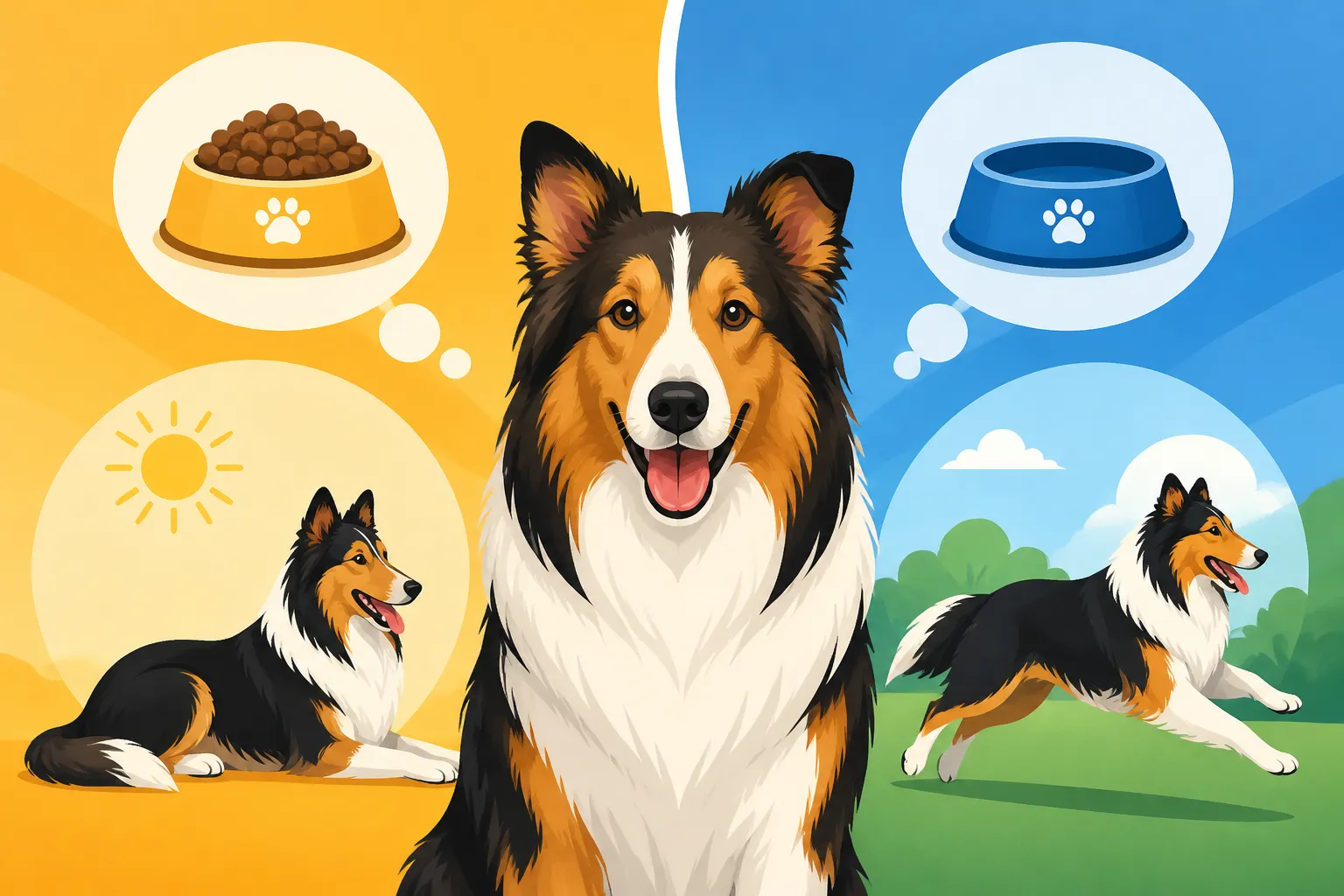
The general consensus among veterinarians and experienced Collie owners is to create a significant time gap between eating and strenuous activity. A good rule of thumb is to wait at least one to two hours before any intense exercise, and perhaps even longer for a very vigorous session, like a long hike or a competitive agility trial. This allows the initial stages of digestion to occur, reducing the volume of food in the stomach and hopefully making it less likely to twist.
Conversely, after a period of high-energy play, your Collie needs time to settle down completely before eating. Their breathing should return to normal, their heart rate should calm, and they should be thoroughly cooled off. A wait of one to two hours after exercise is generally recommended before offering food or large amounts of water. This ensures their body isn't trying to manage digestion while still in a state of physiological exertion. This advice is closely related to Whether a Collie Should Rest After Eating, emphasizing the importance of a calm period.
| Activity Type | Time Before Meal | Time After Meal |
|---|---|---|
| Casual walk | 30-60 minutes | 30-60 minutes |
| Moderate play/training | 1-1.5 hours | 1-1.5 hours |
| Strenuous exercise | 2+ hours | 2+ hours |
| Agility/Herding | 2-3 hours | 2-3 hours |
The Importance of a Calm Period Before and After Meals
It’s not just about the clock; it's about the state of mind and body. Before a meal, your Collie should be calm and relaxed. This means no excited wrestling, no chasing balls, no frantic barking sessions just before the food bowl hits the floor. A calm dog is less likely to gulp air while eating, which, as we mentioned, contributes to bloat risk. Establishing a routine where mealtime is a peaceful event can significantly aid in digestion.
Similarly, after eating, the calm period is crucial. Your Collie should not be allowed to run, jump, or roll around immediately. This might be challenging, especially with a high-energy youngster, but it’s vital. Perhaps this is a good time for a quiet chew toy (you can find plenty of options on Chewy or Amazon) or a gentle grooming session. Think of it as their "post-meal siesta." For puppies, especially those known for their boundless energy, teaching them to settle after eating is an invaluable lesson for their long-term health. What Most Collies Die Of often includes bloat, underscoring the seriousness of these precautions.
Factors to Consider Beyond Timing
While timing is paramount, it's not the only piece of the puzzle. Several other factors play a significant role in reducing bloat risk and ensuring your Collie's overall digestive health, especially around activity.
Food Type and Portion Size
The type of food your Collie eats can also influence bloat risk. While research isn't entirely conclusive, some studies suggest that kibble-fed dogs might have a slightly higher risk, especially if fed large meals of dry food that expands in the stomach. However, this is still debated, and many Collies thrive on high-quality kibble. If you're feeding kibble, consider choosing a formula that lists meat as the first ingredient and avoid extremely high-fat content. Brands like Ollie, which offer fresh, gently cooked meals, often tout their digestibility, but regardless of brand, portion control is key.
Instead of one massive meal, splitting your Collie's daily food allowance into two or even three smaller meals can be highly beneficial. Whether a Collie Should Be Fed Twice a Day is a resounding yes for many owners, precisely because it reduces the volume of food in the stomach at any one time, thus decreasing the risk of bloat. If your Collie tends to eat too quickly, a slow-feeder bowl or a puzzle feeder (easily found on Amazon) can make a huge difference, making them work for their food and naturally slowing down their ingestion of both food and air. Don't forget to ensure you're feeding the right amount; How Much an Adult Collie Eats can vary, but overfeeding is always a bad idea.
Hydration and Exercise Intensity
Hydration is vital for active Collies, but how they hydrate around exercise also matters. Gulping down a huge bowl of water immediately after strenuous activity can be just as risky as eating too quickly. Their bodies are still revved up, and large quantities of water can add to stomach distension. Instead, offer smaller amounts of water more frequently during and after exercise. A portable water bottle and collapsible bowl are great investments for walks and adventures, allowing you to regulate their water intake.
Consider the intensity of the exercise, too. A gentle stroll around the block is very different from an hour of high-speed frisbee or a demanding herding session. The more intense the activity, the longer the buffer period you should allow for both pre and post-meal. A Collie on a How Far a Collie Can Hike adventure will need significantly more caution around feeding times than one who only plays in the yard. Always pay attention to your Collie's individual energy levels and recovery time. If your Collie Whether a Collie Overheats in Its Coat, then ensuring proper hydration is even more critical.
Practical Tips for a Healthy Routine
Life with a Collie is busy and wonderful, and incorporating these feeding and exercise guidelines into your daily life doesn't have to be complicated. With a little planning, you can create a routine that prioritizes their health and well-being.
Creating a Daily Schedule
A consistent daily schedule is your best friend when it comes to managing feeding and exercise. Dogs thrive on routine, and knowing what to expect can help keep them calm and reduce anxiety around mealtimes. For example, you might plan your day like this:
- Morning: Early potty break, then a moderate walk or play session (30-45 minutes).
- Late Morning (after cooling down for 1-1.5 hours): First meal of the day. Quiet time follows.
- Afternoon: Relaxed period, maybe some light training or puzzle toy play. Another potty break.
- Late Afternoon/Early Evening (at least 1-2 hours after last meal): Main exercise session – a longer walk, park visit, or training class.
- Evening (after cooling down for 1-1.5 hours): Second meal of the day. Followed by quiet winding down, cuddles, and a final potty break before bed.
This is just an example, of course, and you'll need to adjust it to your work schedule and your Collie's specific needs and energy levels. The key is consistency and ensuring those crucial buffer zones are maintained. Regular exercise is important, but so is knowing when to hold off on food.
What to Do in Unplanned Situations
Life with dogs is rarely entirely predictable. What happens if your carefully planned schedule goes awry? Perhaps a friend unexpectedly invites you to the park, or your Collie suddenly has a burst of zoomies after finishing their breakfast. Don't panic, but do exercise caution.
If an unplanned burst of activity occurs after a meal, the best thing you can do is gently interrupt it and encourage calm behavior. Redirect their energy with a quiet activity, like a gentle sniff game indoors, or a short, leashed potty break. If you're planning an impromptu, vigorous outing, and your Collie has eaten recently, it's safer to postpone the activity or opt for something extremely low-key, like a short stroll on a leash. When in doubt, err on the side of caution. It's always better to skip a play session than to risk your Collie's health. For example, if you've recently purchased a new enrichment toy from Chewy and your Collie is still eating a meal, encourage them to finish, then settle with the new toy for a quiet activity, not a run.
Disclaimer
This article is for general informational purposes only and does not constitute professional advice. Laws, prices and regulations vary by location and change over time. Consult a qualified professional for guidance on your specific situation.