Whether a Collie’s Sanitary Area Is Trimmed
Few things are quite as unpleasant as finding… well, stuff… clinging to your beautiful Collie's long, flowing fur around their rear end. It's a common, messy, and frankly, smelly problem that every Collie owner has faced or will face. This isn't just about aesthetics; it’s about hygiene, comfort, and preventing some truly uncomfortable health issues for your beloved companion. This guide will walk you through exactly why and how to manage your Collie's sanitary area with confidence and kindness.
Understanding the "Why": The Unspoken Reality of a Collie's Sanitary Area
Let's be honest, it's not the most glamorous topic, but it's a vital part of owning a long-haired breed like a Collie. That gorgeous, flowing coat that makes them so magnificent can also be a magnet for anything and everything around their hindquarters. We're talking about feces, urine, mud, burrs, leaves – you name it. It's not just a rough Collie problem, either; even smooth Collies can benefit from a little tidying in this sensitive zone.
The Hygenic Imperative
Imagine trying to navigate your day with bits of yesterday's dinner stuck to your pants. Unpleasant, right? Your Collie feels the same way, even if they can't tell you directly. When fecal matter gets trapped in the long hair around the anus, it can lead to several issues. First and foremost, it’s a breeding ground for bacteria, which can cause skin irritation, infections, and even discomfort that makes your dog hesitant to relieve themselves fully. Nobody wants a perpetually dirty rear end, and neither does your Collie. It's a fundamental aspect of their well-being, directly impacting their skin health and overall cleanliness.
Moreover, if your Collie happens to have a bout of diarrhea, which can happen to any dog, that already messy situation becomes a thousand times worse when long hair is involved. Cleaning it up can be a real struggle, often requiring an immediate bath, which isn't always convenient or pleasant for either of you. Keeping the hair short in this area proactively minimizes these emergency clean-up operations and keeps your home cleaner too. This isn't about being overly fastidious; it’s about responsible pet ownership and preventing unnecessary suffering or discomfort for your dog.
Preventing Painful Matting
Collies, with their abundant undercoat and guard hairs, are prone to matting, especially in high-friction areas or where moisture can get trapped. The sanitary area is a prime candidate for mats. When urine or feces dries into the fur, it creates sticky, dense clumps that quickly pull the surrounding hair into tight, painful mats. These aren't just unsightly; they can pull on the skin, causing extreme discomfort, raw spots, and even open sores if left untreated. Mane, Frill and Petticoat: the Parts of a Collie That Mat discusses other common matting areas, but the sanitary region holds its own special challenges.
A mat in the sensitive perineal area can be particularly painful, making it difficult for your Collie to sit, lie down, or even wag their tail comfortably. It can also impede their ability to properly eliminate waste, leading to even more mess and discomfort. Removing these mats, especially when they’re close to the skin, is a delicate and often painful process, sometimes requiring sedation at the vet if they're severe. A simple, regular trim can completely prevent this cycle of pain and distress, making grooming a much more pleasant experience for everyone involved. It's a small proactive step that saves a lot of trouble down the line.
Odor Control and Overall Cleanliness
Let’s face it, dogs can be stinky, and a significant contributor to that "dog smell" can be trapped debris and bacteria in their fur, especially around the rear. A matted, soiled sanitary area will inevitably emit an unpleasant odor, no matter how often you bathe your Collie. This isn't just an issue for your nose; it indicates a lack of proper hygiene for your dog. A clean sanitary area contributes greatly to your Collie's overall fresh scent and cleanliness.
Even with regular baths, if the hair around the sanitary area is long and prone to catching waste, the odor will persist. Think of it as leaving a dirty sponge in the sink – no matter how clean the rest of the kitchen is, that one spot will still smell. By trimming this area, you reduce the surface area for waste to cling to, allowing for easier, more thorough cleaning during routine brushing and bathing. This small act can make a big difference in how your home smells and how pleasant it is to have your Collie curled up next to you on the couch. It helps to keep them feeling and smelling their best, which is something we all appreciate.
Tools of the Trade: Equipping Yourself for a Sanitary Trim
Before you even think about picking up a pair of scissors, it's crucial to have the right tools. Attempting a sanitary trim with the wrong equipment can lead to frustration, an uneven cut, or, worst of all, an accidental injury to your dog. Safety and efficiency should be your top priorities when gathering your grooming arsenal for this sensitive task.
Essential Grooming Tools for Safety and Precision
When it comes to the sanitary trim, a good pair of blunt-nosed scissors is non-negotiable. These scissors have rounded tips specifically designed to prevent accidental pokes or cuts, which is incredibly important when working near delicate skin and sensitive areas. You want sharp blades to make clean cuts, but those rounded tips offer peace of mind. Many grooming brands, including options you can find on Amazon or Chewy, offer dedicated pet grooming scissors with this safety feature. Don't be tempted to use your household craft scissors; they aren't sharp enough for dog hair and often have pointy tips that pose a significant risk.
In addition to scissors, a fine-toothed comb is essential. This allows you to comb the hair straight, check for any mats, and ensure you're only cutting hair that needs to be trimmed. It also helps you gauge the length you want to cut, providing a much more precise and safer trim. Some owners also opt for a small, quiet set of dog clippers, particularly those designed for small areas or for paw pads. Clippers can offer a more uniform, closer cut and are often less intimidating for dogs than scissors, especially if they are used to the sound and vibration. Whichever you choose, ensure the blades are clean and sharp to avoid pulling on your dog's hair, which can be painful.
| Tool Type | Recommended Use | Key Feature for Sanitary Trim | Where to Find (Examples) |
|---|---|---|---|
| Blunt-Nosed Scissors | Trimming longer hair, shaping | Rounded tips for safety | Amazon, Chewy |
| Small Dog Clippers | Close, even shave; good for nervous dogs | Quiet motor, small blade | Chewy, Petco |
| Fine-Toothed Comb | Detangling, lifting hair, checking for mats | Helps ensure even cut and detects mats | Amazon, local pet store |
| Grooming Wipes | Quick clean-up before/after, general hygiene | Alcohol-free, dog-safe | Chewy, PetSmart |
| High-Quality Treats | Reward good behavior, distraction | High-value, small pieces | Ollie, local pet store |
Considerations for Smooth vs. Rough Collies
While the need for a sanitary trim is often associated with the abundant double coat of a Rough Collie, Smooth Collies can also benefit from this grooming practice. The primary difference lies in the frequency and extent of the trim. A Rough Collie will require more frequent and thorough attention due to their longer, denser fur, which easily traps debris. Their "petticoats" (the long hair on their hind legs and underbelly) can also contribute to the issue, needing careful blending.
For a Smooth Collie, the hair around the sanitary area is naturally shorter, but it can still get soiled, especially if your dog has a very fluffy undercoat or if they frequently have loose stools. A light tidy-up to keep the hair just a bit shorter than the surrounding fur can still be very beneficial for hygiene and cleanliness. You might find that a comb and scissors are sufficient for a Smooth Collie, whereas a Rough Collie might necessitate clippers for a more efficient and uniform trim. Regardless of coat type, the principle remains the same: a clean, clear area around the anus and vulva/penis is paramount for their health and comfort. The Smooth Collie Is the Same Dog With Less Work touches on grooming differences, but the sanitary trim is one area where both varieties have some shared needs.
The Step-by-Step Guide to a Gentle and Effective Sanitary Trim
Approaching your Collie with scissors near such a sensitive area can feel daunting, but with patience, the right technique, and positive reinforcement, it becomes a routine task. Remember, your calm demeanor will help your dog stay relaxed, making the process smoother for everyone.
Preparing Your Collie for the Trim
Before you even get the tools out, set the stage for success. Choose a quiet time when your Collie is relaxed, perhaps after a good walk when they've already relieved themselves and burned off some energy. Having a second person to gently hold and distract your dog with treats or praise can be incredibly helpful, especially when you’re just starting out. Make sure your Collie is standing on a non-slip surface, like a grooming table with a rubber mat, or a bathmat on the floor.
Start by gently brushing the entire area you intend to trim, including the tail, the fur around the anus, and the hair on the backs of the hind legs. This helps to remove any loose hair, dirt, and, most importantly, allows you to identify any mats. If you find mats, gently work them out with a detangling spray and a comb, or if they are severe and tight to the skin, consider taking your dog to a professional groomer or vet for safe removal. How to Work Out a Mat Behind a Collie's Ear provides excellent tips that can be adapted for other areas. Never try to cut into a mat near the skin with regular scissors, as the skin can be easily pulled in and cut. A good quality dog grooming spray can also help make the hair more pliable and easier to comb through, reducing static and making the cutting process smoother.
Executing the Trim with Care
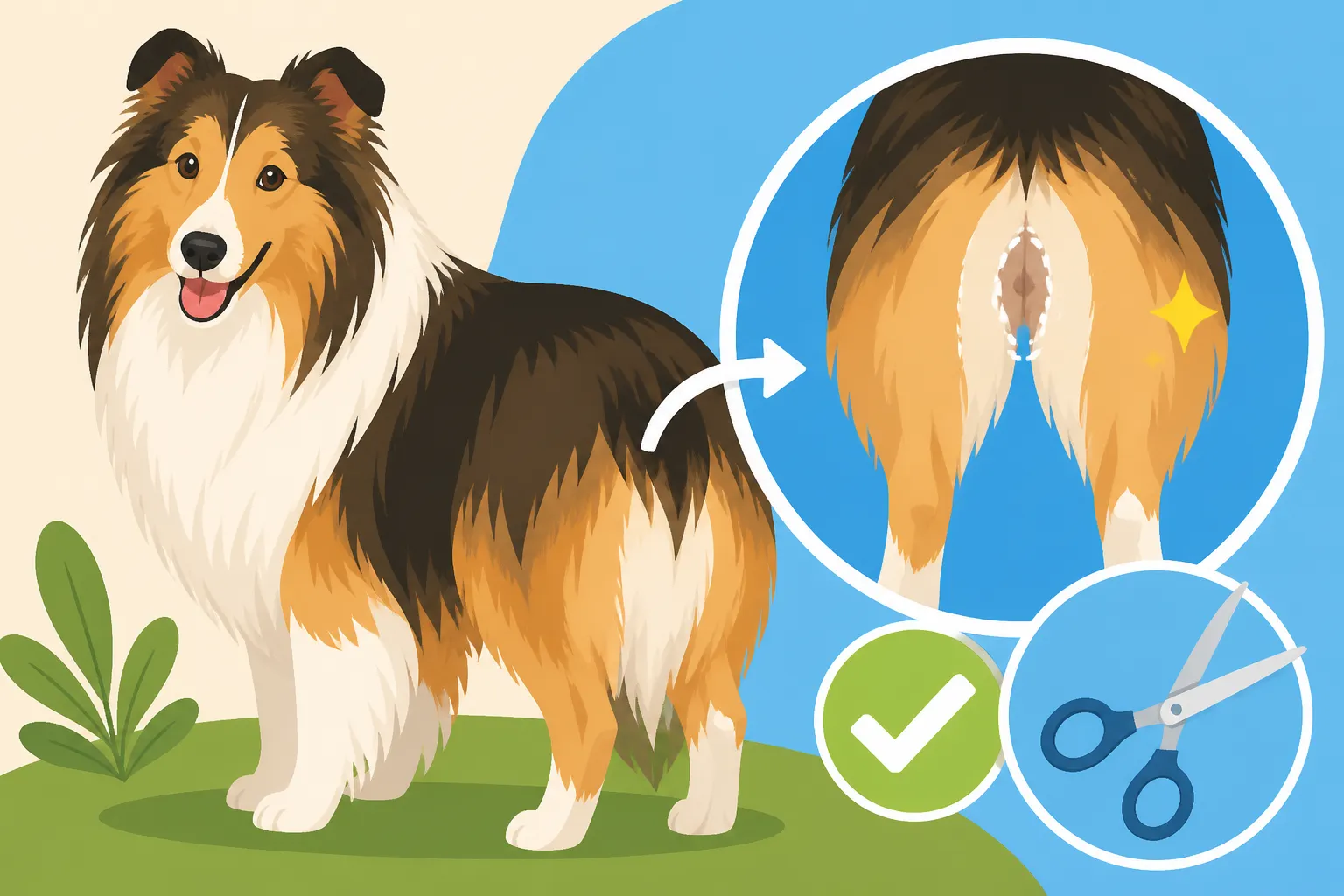
Once your Collie is comfortable and the area is prepped, it’s time to trim. If using scissors, always point the rounded tips away from your dog's skin. Hold the hair between your fingers, or comb it out, and cut small amounts at a time. The goal is not to shave your Collie bald, but to shorten the hair enough so that waste can't cling to it. For the area around the anus, gently lift the tail and hold it out of the way. Carefully comb the hair downwards and trim just past the anus, creating a small, clean "circle" or oval. You want enough clearance for your dog to pass stool without it catching on the hair.
When working around the vulva (for females) or penis (for males), be extremely cautious. For females, comb the hair downwards from the vulva and trim it to about half an inch or less, ensuring urine won't soak into the fur. For males, you might need to gently push the sheath back a tiny bit to ensure no hair is obstructing the opening. Always work slowly, taking small snips. If using clippers, choose a #10 blade, which is a standard sanitary blade. Hold the skin taut with one hand and gently glide the clippers with the direction of hair growth first for a slightly longer trim, or against the growth for a closer shave. Be mindful of skin folds and moles. Offer plenty of praise and high-value treats (like those from Ollie, which dogs often love) throughout the process to create a positive association. If your dog becomes anxious or squirmy, take a break and try again later. It's better to do a partial trim over two sessions than to rush and cause injury or create a negative experience.
Post-Trim Care and Rewards
After the trim, take a moment to inspect the area. Ensure there are no stray hairs that could still catch debris and that the skin looks healthy and free of nicks or irritation. Gently wipe the area with a dog-safe grooming wipe to remove any loose hairs and soothe the skin. Now is the perfect time for a big reward! Lots of praise, a favorite toy, or a special treat will reinforce that this was a good experience.
Regular maintenance is key. Depending on your Collie's coat and habits, you might need to perform a sanitary trim every 2-4 weeks. How Often a Rough Collie Should Be Brushed reminds us that regular grooming is an ongoing commitment. By incorporating the sanitary trim into your routine brushing sessions, it becomes just another small part of keeping your Collie looking and feeling their best. Over time, both you and your Collie will become more comfortable with the process, making it a quick and stress-free affair.
Keeping the Area Clean: Beyond the Trim
A sanitary trim is a fantastic first step, but it's part of a larger strategy for maintaining your Collie's hygiene. The trim helps prevent major issues, but daily practices and attentiveness are equally important to ensure long-term cleanliness and health.
Daily Checks and Spot Cleaning
Even with a perfectly trimmed sanitary area, life happens. Your Collie might step in something, have a particularly messy bowel movement, or get urine on their fur. That's where daily checks and spot cleaning come in. After every potty break, especially if you have a Rough Collie, take a quick glance at their rear end. A quick visual check can catch issues before they become ingrained. Keep a pack of dog-specific grooming wipes (many excellent options are available on Chewy) near the door. These are fantastic for a quick clean-up of any soiled fur, preventing it from drying and forming mats.
If you notice any lingering dampness from urine, a quick wipe can prevent skin irritation and odors. For loose stools, a warm, damp cloth followed by a dry one, or a specialized pet shampoo designed for quick clean-ups, can do wonders. The key is diligence. Don't wait for things to harden or become visibly matted. Addressing minor issues immediately keeps the area consistently clean and reduces the need for more intensive cleaning later. This proactive approach saves time and keeps your Collie much more comfortable in the long run.
The Role of Diet in Maintaining a Clean Rear
This might seem unrelated, but your Collie's diet plays a huge role in the cleanliness of their sanitary area. A well-balanced, high-quality diet that agrees with your dog will result in firm, well-formed stools that are easy to pass and less likely to stick to fur. If your Collie frequently has loose, soft, or runny stools, it's a strong indicator that their diet might not be optimal, or they might have an underlying digestive issue. This, in turn, makes keeping the sanitary area clean a constant battle, even with a trim.
Consult your veterinarian if your Collie consistently has digestive upset. They might recommend dietary changes, probiotics, or investigate for medical causes. Switching to a different food brand, perhaps trying a limited ingredient diet, or incorporating fresh food options (like those from Ollie, which focuses on fresh, human-grade ingredients) might make a noticeable difference. A dog with healthy, firm stools will naturally have a cleaner rear end, reducing the frequency and intensity of grooming needed. This integrated approach, combining proper diet with regular grooming, is the most effective way to ensure your Collie's comfort and hygiene.
Professional Grooming vs. DIY
While many Collie owners can confidently manage a sanitary trim at home, there's absolutely no shame in seeking professional help. In fact, for initial trims, severely matted areas, or if you're simply uncomfortable with the task, a professional groomer is an excellent resource. They have specialized tools, experience with different coat types and temperaments, and can perform the trim efficiently and safely. A Collie's Coat Is the Bill That Arrives Every Eight Weeks acknowledges that professional grooming is often part of the Collie ownership budget.
A professional groomer can also provide advice on specific techniques for your Collie's coat type and show you how to maintain the trim between visits. If your Collie is particularly squirmy or anxious about grooming, a professional might be able to get the job done with less stress. However, learning to do a quick tidy-up yourself can save you emergency visits and ensures continuous cleanliness. Many groomers offer "tidy-up" appointments that are less expensive than a full groom, focusing just on the sanitary area, paws, and face. It's about finding the balance that works best for you and your Collie, ensuring their hygiene is always a top priority.
Disclaimer
This article is for general informational purposes only and does not constitute professional advice. Laws, prices and regulations vary by location and change over time. Consult a qualified professional for guidance on your specific situation.