Which Months a Collie Blows Its Coat
If you're a Collie owner, you know the magic and the mess that comes with that glorious coat. Those majestic locks are beautiful, but they come with a shedding schedule that can feel a bit mysterious, especially when your house suddenly looks like a snow globe of white fluffy hair. It's not just "shedding"; it's a "coat blow," and understanding when it happens is half the battle. This guide will demystify exactly when your Collie is most likely to 'blow' its coat and what you can do to navigate these furry periods.
Understanding the Collie Coat and Why It Sheds So Much
The Collie's stunning appearance is largely thanks to its magnificent coat, whether it's the abundant, flowing mane of a Rough Collie or the sleek, dense fur of a Smooth Collie. But this beauty comes with a biological function that dictates its shedding patterns. It's not arbitrary; it's a carefully designed system for survival, even if it feels like a never-ending blizzard in your living room.
The Double Coat Explained
Both Rough and Smooth Collies possess a double coat, which is a key factor in their shedding habits. This isn't just one type of hair; it's two distinct layers working in harmony. The outer layer consists of longer, coarser guard hairs. These hairs are typically straighter, tougher, and serve as protection against the elements – rain, snow, sun, and even physical abrasions. They're like the dog's weatherproof jacket, keeping moisture out and deflecting thorns or branches when they're exploring.
Beneath this protective outer layer lies the undercoat. This is the truly fluffy, dense, and soft layer made up of shorter, woolier hairs. The undercoat's primary job is insulation. In winter, it thickens to trap warm air close to the body, keeping your Collie cozy. In summer, a thinner undercoat helps regulate temperature by providing a barrier against heat and allowing air circulation. It’s this dense, insulating undercoat that is primarily responsible for the bulk of the hair that comes out during a coat blow, leading to those ubiquitous tumbleweeds of fur.
The Natural Cycle of Hair Growth and Loss
Every strand of hair on your Collie's body, just like our own hair, follows a natural growth cycle. It grows, rests, and then falls out to be replaced by new hair. However, with double-coated breeds like Collies, this cycle is heavily influenced by seasonal changes, particularly temperature and daylight hours. While some shedding happens year-round as individual hairs complete their cycle, the "coat blow" refers to a much more dramatic, synchronized shedding event where a large percentage of the undercoat is released.
This intense shedding is a biological imperative. Your Collie's body is intelligently adapting to the changing seasons, shedding a heavy winter undercoat to prepare for warmer weather, or thinning out its lighter summer coat to make way for a thicker, denser winter one. Think of it as your Collie changing its wardrobe, but instead of putting clothes in a closet, it's leaving them all over your floor and furniture. Understanding this natural rhythm helps us appreciate why they shed so much and when to expect the biggest furry onslaught.
The Two Major Coat Blows: Spring and Fall
While Collies, especially those living indoors, will shed a moderate amount year-round, there are two distinct periods when the shedding escalates dramatically into what we lovingly (or perhaps despairingly) call a "coat blow." These are predictable cycles, largely driven by the changing seasons and the amount of daylight.
The Spring "Blow-Out": Preparing for Summer
The most intense and often the most memorable coat blow for Collie owners happens in the spring. As the days lengthen and temperatures begin to rise, typically from late winter into early spring (think March through May, depending on your climate), your Collie's body signals that it's time to shed its dense winter undercoat. This is crucial for them to stay cool and comfortable during the warmer months ahead. If you've ever thought your Collie suddenly doubled in size during winter, it's mostly that plush undercoat.
When this spring blow-out hits, you won't just see a few stray hairs; you'll experience what can feel like an unending cascade of fluffy white, sable, or tricolor fur. It collects in corners, floats across floors, and magically appears on every piece of clothing and furniture. Brushing sessions, which might normally be 15-20 minutes, can easily stretch to an hour or more, and you'll fill entire grocery bags with expelled fur. This shedding can last for several weeks, sometimes even a month or two, as the old undercoat is systematically replaced by a lighter, thinner one more suited for summer. This is definitely a time to invest in a good vacuum cleaner and perhaps some washable covers for your furniture!
The Autumn Prep: Growing a Winter Coat
The second significant coat blow occurs in the autumn, typically from September through November. While often not as visually dramatic as the spring shed, it's still a noticeable increase in hair loss. In the fall, your Collie's body sheds its lighter summer undercoat to make way for the growth of a new, thicker, and more insulating winter coat. This prepares them for the colder temperatures and shorter days of winter.
During the autumn shed, you might find that the fur coming out is a bit different – perhaps less fluffy "cotton balls" and more individual hairs, though still in significant quantity. Your brushing routine will certainly need to be stepped up, though perhaps not to the same exhaustive degree as in spring. This period is vital for their coat health, as it ensures they grow a strong, healthy new layer of insulation that will protect them throughout the colder months. It’s their way of making sure they’re bundled up for winter, and it means more work for you. For more insights on this, you might find How Much Undercoat a Collie Drops particularly useful.
Factors That Influence a Collie's Shedding Schedule
While the general spring and fall coat blows are predictable, several factors can influence the exact timing, intensity, and duration of your Collie's shedding. It's rarely a perfectly calendar-driven event, and understanding these influences can help you anticipate and manage the fur onslaught more effectively.
Hormonal Changes and Reproductive Status
Hormones play a huge role in a dog's coat health and shedding cycles. For intact female Collies, heat cycles can trigger significant shedding, often around the time they come into season or after. The dramatic hormonal shifts can cause a sudden release of hair. Similarly, pregnancy and whelping (giving birth) are massive hormonal events that almost always lead to a massive coat blow post-whelping, as the mother's body recovers and adjusts. It's not uncommon for a new mom Collie to shed so much she looks almost bald in places.
Spaying or neutering can also impact shedding. While it removes the cyclical hormonal fluctuations, some owners report a change in coat texture and even an increase in overall shedding intensity or frequency after their Collie is altered. This is often attributed to the change in hormone balance affecting the hair follicles, sometimes leading to a more profuse, woolier undercoat that is shed more consistently year-round, blurring the distinct seasonal "blows."
Indoor vs. Outdoor Living and Artificial Lighting
Historically, dogs evolved to shed in direct response to natural light cycles and outdoor temperatures. However, our modern indoor living arrangements can significantly alter these natural rhythms. A Collie living primarily indoors, especially in a home with consistent heating and air conditioning, experiences less dramatic seasonal temperature shifts. Coupled with constant exposure to artificial light, which can mimic longer daylight hours even in winter, their body's internal clock for shedding can get a bit confused.
This often leads to a pattern where instead of two intense, distinct coat blows, an indoor Collie might shed a moderate amount of hair more or less continuously throughout the year, with less pronounced peaks and valleys. They still have their spring and fall "blows," but they might shed some substantial amount of undercoat all the time. It's as if their body is always slightly adjusting, leading to a constant furry presence in your home. This is why you might feel like your Collie is always shedding, even if the "true" coat blows are more intense. For more on this, check out Whether an Indoor Collie Sheds Year Round Instead.
Diet, Health, and Stress
A Collie's coat is often a fantastic indicator of their overall health. A poor diet, lacking essential nutrients like omega fatty acids, can lead to a dull, brittle coat and excessive, unhealthy shedding. Feeding a high-quality, balanced diet specifically formulated for large breeds or breeds with active lifestyles can significantly improve coat health and potentially reduce non-seasonal shedding. Brands like Ollie, known for fresh, human-grade ingredients, or high-quality kibble found on Chewy, can contribute to a healthier coat.
Underlying health issues, such as allergies, thyroid problems, parasitic infestations, or skin infections, can also cause abnormal or increased shedding. If your Collie is shedding in patches, has irritated skin, or you notice excessive shedding outside of the usual coat blow periods without an obvious cause, a vet visit is definitely in order. Furthermore, stress and anxiety can manifest in various physical ways, including increased shedding. A Collie experiencing chronic stress might "blow" its coat more frequently or shed more intensely as a physiological response to its emotional state. Maintaining a calm environment and addressing any sources of anxiety can help.
Managing the Coat Blow: Strategies for Survival
Navigating a Collie's coat blow can feel like an Olympic sport in hair management. It requires dedication, the right tools, and a good sense of humor. But with a proactive approach, you can minimize the impact on your home and keep your Collie comfortable and healthy during these intense shedding periods.
Essential Grooming Tools and Techniques
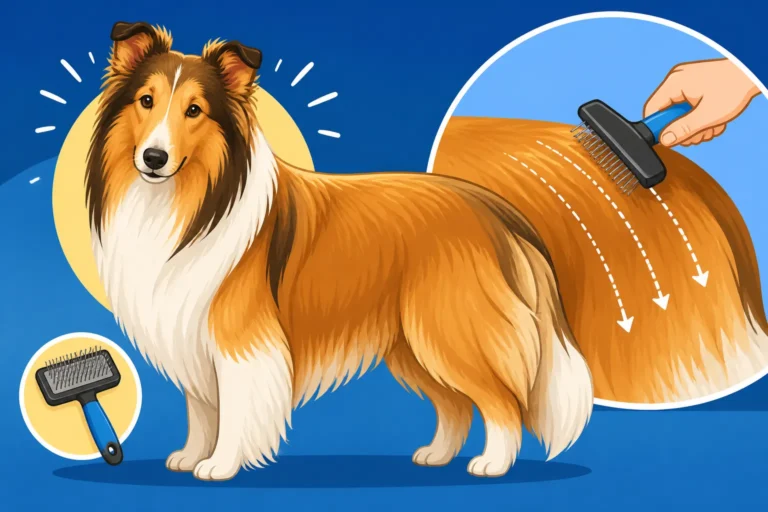
When your Collie is blowing its coat, your regular brush simply won't cut it. You need an arsenal of specialized tools designed to tackle that dense undercoat. A good quality undercoat rake is invaluable; it reaches deep into the coat to pull out dead, loose undercoat without damaging the guard hairs. Look for one with rotating teeth, as it's gentler on the skin. A slicker brush, while not for deep undercoat removal, is excellent for gathering the top layer of loose hair and smoothing the coat. A wide-toothed comb helps untangle any knots before brushing, especially in the feathery areas like the mane and "petticoats."
The key technique during a coat blow is line brushing. This involves parting the coat and brushing in small sections, working from the skin outwards. It ensures you're reaching all the way down to the roots and removing every bit of loose undercoat. Don't just skim the surface! A high-velocity dryer, while an investment, is a game-changer. It literally blasts the loose hair out of the coat after a bath, significantly reducing the amount that ends up in your home. You can find these essential tools on platforms like Amazon or Chewy, making it easy to stock up. For a more detailed guide on daily brushing, check out Four Tools and Twenty Minutes: Brushing a Rough Collie and Which Four Brushes a Collie Owner Needs.
Bathing and Deshedding Treatments
Regular bathing can actually help speed up the shedding process during a coat blow, especially if followed by a thorough blow-dry. During these periods, consider using a deshedding shampoo and conditioner, which are formulated to loosen dead hair and nourish the coat. Lather up your Collie, let the shampoo sit for a few minutes as directed, and rinse thoroughly.
The real magic happens after the bath, however. This is where that high-velocity dryer comes in. After towel-drying your Collie as much as possible, use the force dryer to blow out the loosened undercoat. You'll be amazed at the sheer volume of hair that comes flying off! Doing this outdoors or in a designated grooming area can save your bathroom from becoming a fur vortex. If you don't have a force dryer, several reputable groomers offer deshedding bath and blow-out services that can make a huge difference, particularly during peak shedding season. For tips on how to properly bathe your Collie, you might refer to Bathing a Collie Without Wrecking the Coat.
Keeping Your Home Liveable During a Blow
Even with diligent grooming, some fur will inevitably make its way into your home. To keep your sanity (and your floors) relatively clean, regular vacuuming is non-negotiable. Look for vacuums designed for pet hair, as they often have stronger suction and specialized attachments. Robot vacuums can be a lifesaver for daily maintenance. Keep a lint roller handy for clothing and upholstery, and consider washable couch covers or throws that can be easily tossed into the laundry.
Designating a "grooming zone" can also help contain the mess. Whether it's a specific spot in the yard, a utility room, or a large, easy-to-clean bathroom, having a dedicated space for those intense brushing sessions can prevent hair from spreading throughout the house. Remember, this is a temporary, albeit intense, phase. A consistent routine of brushing, bathing, and cleaning will make the coat blow far more manageable and keep both you and your furry companion happier.
| Season | Typical Months | Intensity | Primary Purpose | Grooming Focus |
|---|---|---|---|---|
| Spring Blow | March – May | Very High | Shed winter undercoat for summer | Intense daily brushing, undercoat rake, deshedding bath + blow-out |
| Summer Shed | June – August | Moderate | Ongoing light shedding of individual hairs | Regular brushing, maintain cleanliness, watch for matting |
| Autumn Blow | September – November | High | Shed summer undercoat for winter | Increased brushing, undercoat rake, preparing for winter coat |
| Winter Shed | December – February | Low to Moderate | Minimal shedding, coat thickening | Regular maintenance brushing, ensure coat remains healthy and insulating |
Disclaimer
This article is for general informational purposes only and does not constitute professional advice. Laws, prices and regulations vary by location and change over time. Consult a qualified professional for guidance on your specific situation.