Whether a Collie Blows Coat Twice a Year or More
Oh, the never-ending tumbleweeds of Collie hair! If you're a Collie owner, you've probably wondered if your beautiful rough or smooth Collie blows its coat more than just the commonly cited "twice a year." The reality is, while there are usually two major shedding seasons, many factors can turn your home into a perpetual fur factory. This guide will dive deep into the mysteries of Collie shedding cycles, helping you understand why your home might feel like a fur avalanche more often than expected, and what you can realistically do about it.
Understanding the Collie's Natural Shedding Rhythm
Most dog breeds with a double coat, like our beloved Collies, have a natural shedding cycle that is largely dictated by environmental cues, primarily light and temperature. Traditionally, you'd expect two significant "coat blows" each year, corresponding with the change of seasons.
The first major shed typically occurs in the spring, as the days lengthen and temperatures rise. Your Collie will shed its dense winter undercoat, making way for a lighter, thinner coat better suited for warmer weather. This is often the most dramatic shedding event, as that thick, insulating layer needs to come out. You'll literally find clumps of soft, downy undercoat coming off with every brush stroke, and sometimes just floating through the air like canine dandelion seeds. It's an astounding amount of hair, and it can feel like it will never end. This spring shed is why many owners say The Three Weeks Twice a Year When a Collie Buries Your House.
The second major shed usually happens in the fall, as daylight hours shorten and the chill starts to creep into the air. During this time, your Collie will shed its lighter summer coat to grow in a new, thicker undercoat designed to protect them from the cold of winter. While still substantial, some owners find this autumnal shed slightly less overwhelming than the spring deluge, perhaps because the hair being replaced isn't quite as heavy. However, it's still a noticeable increase in shedding that demands attention and diligent grooming.
These two primary shedding periods are physiological necessities, part of your Collie's natural adaptation to the changing seasons, ensuring they are comfortable and protected year-round. It's a fundamental aspect of owning a double-coated breed, and something every Collie parent quickly learns to anticipate.
Beyond the Bi-Annual: Why Your Collie Might Be Shedding More Often
While the twice-yearly blow is the standard, many Collie owners experience shedding that seems to defy this neat schedule. It can feel like your dog is always shedding, just with varying degrees of intensity. This isn't your imagination; several factors can disrupt or extend these natural cycles, making "twice a year" feel like an understatement.
The Impact of Indoor Living and Artificial Light
One of the biggest reasons for more frequent, year-round shedding in modern Collies is our domesticated lifestyle. Dogs living indoors are exposed to artificial light cycles and relatively stable indoor temperatures. Their bodies don't get the same stark signals from nature that tell them exactly when to shed or grow a new coat. Instead of distinct, intense seasonal blows, their shedding can become a more continuous, moderate affair. The body attempts to adjust its coat to the ambient indoor temperature, leading to a never-ending cycle of slight coat changes rather than two clear, dramatic shifts. This is a common experience for many owners, and you might even find that Whether an Indoor Collie Sheds Year Round Instead is a more accurate description of your reality.
Think about it: in the wild, a dog would experience dramatic shifts in light and temperature. Indoors, with our climate control and electric lights, those signals are muddied. The result is often a perpetual state of "low-grade" shedding, with occasional spikes that correspond to the traditional spring and fall cycles, but without the clear boundaries of a truly wild animal's coat production. This is why you might constantly be finding hair on your furniture and clothes, even when it's not a "major" shedding season.
Diet, Health, and Stress as Shedding Triggers
Your Collie's overall health and well-being play a huge role in the quality and quantity of their coat and, consequently, their shedding patterns. A poor diet lacking essential nutrients, particularly omega fatty acids, can lead to a dull, dry coat that sheds excessively. Just like our hair can look lackluster when we're not eating well, a dog's coat is a direct reflection of their internal health. Investing in high-quality dog food, perhaps even exploring fresh food delivery services like Ollie that focus on balanced nutrition, can make a noticeable difference. Many pet owners also look to quality supplements, often found on platforms like Chewy, to boost skin and coat health.
Underlying health conditions can also contribute to abnormal shedding. Issues like thyroid imbalances, skin allergies, parasites, or even certain autoimmune diseases can cause hair loss or increased shedding. If you notice excessive shedding accompanied by skin irritation, bald patches, or changes in coat texture, a vet visit is definitely in order. They can rule out medical causes and ensure your Collie isn't battling something unseen.
Stress and anxiety are also powerful triggers for shedding. Just think about how we might "shed" hair when we're under immense pressure; dogs can do the same. A move to a new home, the introduction of a new pet or family member, changes in routine, or even separation anxiety can all manifest as increased hair loss. A happy, calm Collie with a stable routine is more likely to have a healthy, predictable coat cycle.
Hormonal Shifts and Age
Hormonal changes throughout a Collie's life can significantly influence their shedding. Unspayed females often have more intense shedding periods around their heat cycles, and pregnant or lactating mothers can experience profound coat loss due to the physiological demands on their bodies. Spaying or neutering can also sometimes alter a dog's coat, leading to a denser, softer undercoat that might shed more frequently or be more prone to matting. This is often referred to as "spay coat" or "neuter coat" and is a recognized phenomenon that can impact Whether a Spayed Collie's Coat Changes.
As Collies age, their coats can also change. Senior Collies might experience thinning hair, drier skin, or a coat that sheds more continuously rather than in distinct seasonal bursts. This is a natural part of the aging process, and while good nutrition and care can mitigate some effects, it's often an unavoidable reality for our older companions. Similarly, illness or prolonged medication can also lead to changes in coat and shedding patterns, affecting Whether a Collie's Coat Thins After Illness.
Here's a quick overview of factors influencing shedding frequency:
| Factor | Typical Impact on Shedding | Potential for "More Often" Shedding |
|---|---|---|
| Seasonal Light/Temp | Two major blows (spring/fall) | Blurred cycles indoors, less distinct but more constant shedding |
| Indoor Living | Blurs natural cues, leading to year-round moderate shedding | Constant, low-grade shedding with occasional peaks |
| Diet Quality | Healthy diet = healthy coat, predictable shedding | Poor diet = dull, brittle coat, excessive/unpredictable shedding |
| Underlying Health | Healthy dog = healthy coat | Illness (thyroid, allergies) = increased, abnormal hair loss |
| Stress/Anxiety | Calm dog = stable shedding | Stressors (moves, changes) = sudden, increased shedding |
| Hormonal Changes | Heat cycles, pregnancy, spay/neuter affect coat density | Spay/neuter coat can be denser, potentially shedding more often |
| Age | Stable coat in prime years | Senior Collies may have thinner coats, more continuous shedding |
Strategies for Managing a Collie's Persistent Coat Blow
Whether your Collie sheds twice a year like clockwork or seems to be in a perpetual state of coat blow, managing the sheer volume of hair requires consistent effort and the right tools. It's not just about keeping your house clean, but also about maintaining your dog's skin and coat health.
Grooming Strategies During a Coat Blow
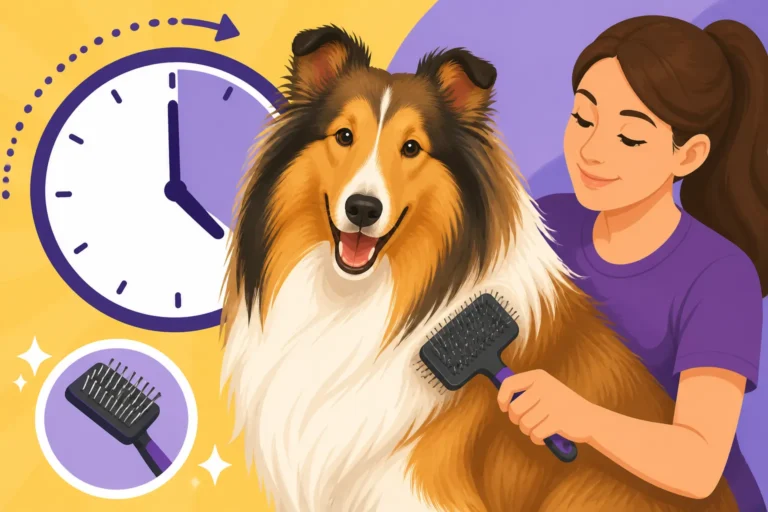
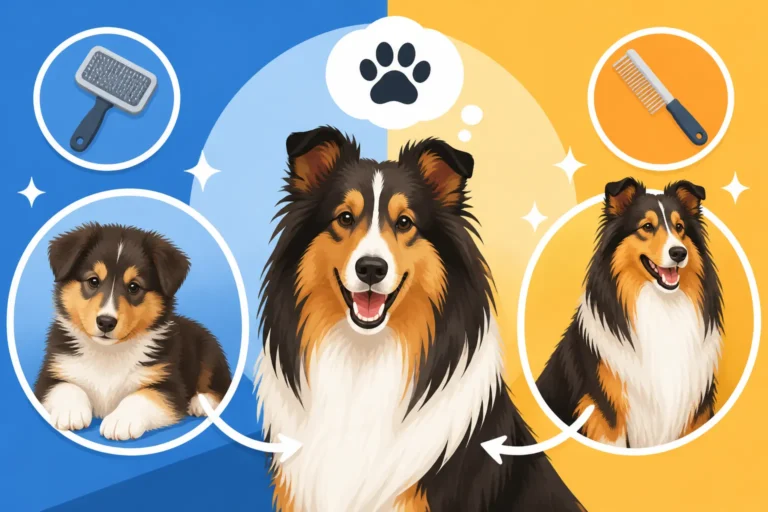
When those major shedding periods hit, or if your Collie is just a consistent shedder, your grooming routine needs to kick into high gear. Regular brushing is absolutely non-negotiable. For a rough Collie, this often means daily brushing during peak shedding. You'll need specialized tools designed to get through their dense double coat. A good metal slicker brush, a wide-toothed comb (especially for feathering and areas prone to matting like behind the ears), and an undercoat rake are your best friends. These tools help remove the loose undercoat before it has a chance to mat or spread throughout your home. You might find our guide Four Tools and Twenty Minutes: Brushing a Rough Collie helpful for getting started.
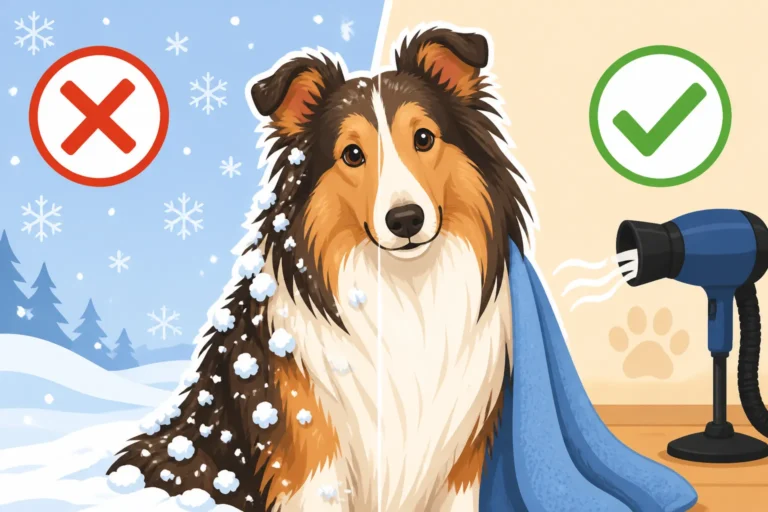
Line brushing is a technique that is particularly effective for Collies. This involves parting the coat and brushing in layers, starting from the skin and working your way out. It ensures you're actually getting to the undercoat and not just skimming the surface. A high-velocity dryer, often available from online retailers like Amazon or Chewy, can also be a game-changer during a coat blow. After a bath, it helps to literally blast out loose hair from the undercoat, significantly reducing the amount that ends up on your floors. This deep cleaning and drying can drastically Whether a Deshedding Bath Speeds a Collie's Blow.
For smooth Collies, while their grooming needs are less intense, they still shed. A rubber curry brush or a shedding blade can be very effective for removing loose hair from their shorter coats. Regular brushing, even for smooths, helps distribute skin oils and keeps their coat healthy and shiny. Remember, consistent grooming isn't just about managing the shed; it's also a great way to bond with your Collie and check for any skin issues or new lumps and bumps.
Keeping Your Home Manageable
Let's be realistic: living with a Collie means living with hair. But you can certainly minimize its impact. During peak shedding, daily vacuuming (with a good pet hair vacuum, preferably!) becomes a necessity. Regular sweeping of hard floors helps prevent hair from accumulating in corners and under furniture. Lint rollers will become your constant companion for clothing and upholstery.
Consider investing in washable slipcovers for furniture, especially if your Collie has a favorite napping spot. Using specific dog blankets or beds that are easy to wash and tumble dry can also help contain the fur. Air purifiers with good filters can capture some of the floating dander and hair, improving air quality in your home. It’s also wise to brush your Collie outdoors when possible, especially during heavy shedding, to prevent some of that loose hair from ever entering your house. This simple act can significantly reduce What a Collie's Undercoat Does to a Carpet.
Remember that patience is key. There's no magic bullet to stop a Collie from shedding, but consistent grooming and household management can make the experience far less overwhelming.
Long-Term Coat Health for a Happy Collie and a Cleaner Home
Beyond managing the immediate onslaught of shedding, thinking about your Collie's long-term coat health can contribute to more manageable shedding cycles and a healthier, happier dog overall. It’s about creating a holistic approach that supports their natural processes.
Nutritional Support and Hydration
A foundational element of a healthy coat is a high-quality diet. Look for dog foods where a named meat source is the first ingredient, and that contain balanced nutrition including essential fatty acids like Omega-3s and Omega-6s. These fatty acids are crucial for skin health and coat luster. Some owners choose to supplement their Collie's diet with fish oil or flaxseed oil, which can improve coat condition and potentially reduce excessive shedding, especially if the current diet is lacking. Always consult your vet before adding supplements to ensure proper dosage and suitability for your individual dog. Brands like Chewy offer a wide range of reputable supplements, making it easy to find what you need.
Adequate hydration is also vital. A well-hydrated dog will have healthier skin and a better coat. Always ensure your Collie has access to fresh, clean water. Dry skin can lead to a brittle coat that sheds more, so paying attention to their water intake is just as important as their food.
Regular Vet Check-ups and Parasite Control
Routine veterinary check-ups are essential for catching any underlying health issues that might be contributing to abnormal shedding. Your vet can perform blood tests to check for hormonal imbalances, such as hypothyroidism, which is known to affect coat health and cause excessive shedding. They can also advise on proper nutrition and supplements. Don't forget regular parasite control; fleas, ticks, and mites can all cause skin irritation and hair loss, adding to the shedding woes. Ensure your Collie is on a consistent preventive program, especially if they spend a lot of time outdoors.
Preventative care is always better than reactive treatment. By staying on top of your Collie's general health, you're not just ensuring their well-being but also contributing to a more predictable and manageable coat. This comprehensive approach, combining good nutrition, consistent grooming, and regular vet care, will give your Collie the best chance at a healthy, beautiful coat year-round. While you can't stop a Collie from shedding entirely – it's part of what makes them, well, Collies! – you can certainly influence the intensity and frequency of those furry waves.
Disclaimer
This article is for general informational purposes only and does not constitute professional advice. Laws, prices and regulations vary by location and change over time. Consult a qualified professional for guidance on your specific situation.