Where a Collie Is Clipped for an Ultrasound
It’s a moment that can make any Collie owner’s heart sink a little: the beautiful, flowing coat, a hallmark of our beloved breed, being buzzed down to the skin. When your vet recommends an ultrasound for your Collie, one of the first questions that often comes to mind, after the initial worry about their health, is "Where are they going to clip my dog?" It’s a completely valid concern. We pour so much time and love into their magnificent coats, and the thought of it being shorn for a medical procedure, even a necessary one, can feel a bit jarring. This guide is here to walk you through exactly why clipping is essential for a Collie ultrasound, what areas are typically involved, what to expect during the process, and how to care for your furry friend afterward.
The Necessity of Clipping for a Collie Ultrasound
Let’s be honest, seeing your Collie with a patch of their glorious fur missing isn't anyone's idea of a good time. But when it comes to ultrasounds, that seemingly drastic step is absolutely crucial for getting an accurate diagnosis. It's not about aesthetics for the vet; it's purely about medical necessity.
Why Hair Gets in the Way
Think of ultrasound waves like sound waves traveling through water. They need a clear, unobstructed path to create a detailed image. Your Collie's dense, multi-layered coat, especially if you have a magnificent Rough Collie, is designed to keep them warm and protected. It’s an incredible insulator, but that very quality makes it a huge barrier for ultrasound waves.
The primary issue is air. Every single hair follicle, every strand, traps tiny pockets of air. When the ultrasound probe is placed against the skin, these air pockets scatter and reflect the sound waves, preventing them from penetrating effectively into the body. It’s like trying to get a clear radio signal during a heavy static burst – you just get a garbled mess. Without direct, uninterrupted contact between the ultrasound probe and your Collie's skin, the images produced will be fuzzy, incomplete, and essentially useless for diagnostic purposes. A clear shave eliminates this static, allowing the vet to see internal structures with the clarity needed to identify problems.
Different Ultrasounds, Different Clipping Needs
The extent of clipping your Collie will need depends entirely on the type of ultrasound being performed and what the veterinarian is trying to investigate. It’s not a one-size-fits-all approach, which can be a small comfort.
For instance, an ultrasound looking for a specific foreign body in the stomach or checking on the bladder might require a more localized shave than a comprehensive abdominal scan. If your vet is checking for pregnancy, they’ll need a broad view of the reproductive organs. Similarly, a cardiac ultrasound, also known as an echocardiogram, will focus on a completely different area of the body. Each type targets specific organs and systems, and thus, the clipping is tailored to expose only the necessary region for optimal imaging. This means you might not always end up with a huge "landing strip" on your dog, but rather a smaller, more targeted area.
Common Clipping Locations for a Collie Ultrasound
Now, let's get down to the practical details of where that clipper is likely to go. Knowing this ahead of time can help you mentally prepare and understand the procedure a little better.
Abdominal Ultrasounds: The Belly Shave
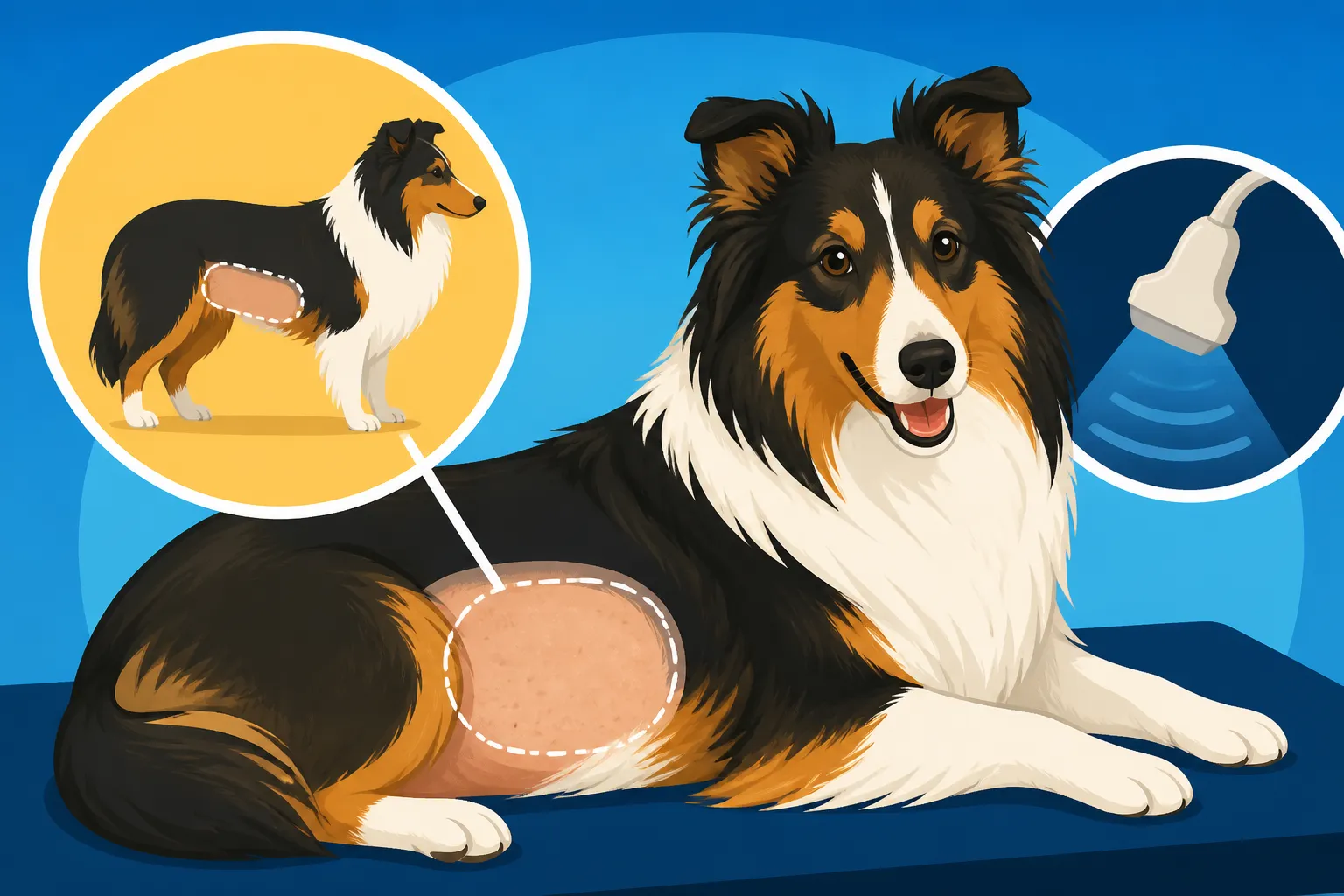
The most common reason for a Collie to get an ultrasound is for an abdominal scan. This procedure examines the organs within the abdominal cavity, such as the liver, kidneys, spleen, stomach, intestines, bladder, and reproductive organs. To get a clear view of these, a significant portion of your Collie’s belly will need to be shaved.
Typically, the area covered for an abdominal ultrasound spans from just behind the sternum (breastbone) all the way down to the groin, and often extends up the sides of the belly as well. Imagine a rectangular patch covering most of their underside. For a Rough Collie, whose undercoat and guard hairs are incredibly dense, this can feel like a dramatic change. Even a Smooth Collie, while having a shorter coat, will still need a complete shave in this area to allow for proper probe contact. The goal is to provide a wide "window" for the sound waves to enter, allowing the veterinary sonographer to move the probe across the entire area, capturing multiple angles and views of each organ. Without this full field of vision, they could easily miss something critical, like a tumor, an abnormal lymph node, or even just the exact location of discomfort.
Sometimes, for a very specific, localized check, a vet might attempt a smaller "landing strip" down the center of the belly. However, for a comprehensive diagnostic scan, they often need more space to maneuver the probe and ensure they haven't missed any vital structures. They’ll usually use professional clippers designed for veterinary use, which are sharp and efficient, making the process as quick as possible for your dog.
Cardiac Ultrasounds: The Chest and Sides
If your veterinarian suspects a heart condition or wants to monitor an existing one, they will recommend a cardiac ultrasound, or echocardiogram. This is a very specialized procedure that provides detailed images of the heart's structure, function, and blood flow. Naturally, the clipping for this will be focused around the chest area.
For an echocardiogram, the hair over your Collie’s chest, typically on both sides just behind the front legs and over the sternum, will need to be shaved. Sometimes, this can extend slightly into the armpit region or along the lower part of the rib cage to allow for various acoustic windows needed to visualize all four chambers of the heart, its valves, and the great vessels. Again, the dense fur, particularly in a Rough Collie, creates too much air interference. The sonographer needs to be able to place the transducer directly against the skin to capture the intricate movements of the heart muscle and blood flow patterns. While it might seem less extensive than a full belly shave, it's still a noticeable patch on their beautiful coat.
Localized Ultrasounds: Specific Spots
Occasionally, an ultrasound isn't for a broad internal examination but for a very specific, localized issue. Perhaps your Collie has a palpable lump under the skin, or the vet needs to examine a particular gland, or even just perform a quick recheck of the bladder after a previous issue.
In these cases, the clipping will be much more targeted. The vet will likely only shave the immediate area directly over the suspected problem spot. This might be a small square patch on a limb, the side of the neck, or a precise point on the flank. While still requiring a shave, these smaller areas tend to be less aesthetically disruptive and grow back more quickly than a large abdominal patch. It's a relief to know that sometimes, a minor issue doesn't always mean a major haircut.
The Clipping Process and What to Expect for Your Collie
The actual clipping is usually a quick part of the overall ultrasound appointment, but it’s helpful to understand what your Collie will go through and how you can support them.
Preparing Your Collie for the Experience
Vet visits can be stressful for many dogs, and our sensitive Collies are no exception. The unfamiliar environment, strange smells, other animals, and the handling by strangers can all be overwhelming. Adding the buzzing sound of clippers and the sensation of being shaved can amplify that anxiety.
Vets and vet techs are usually incredibly gentle and experienced with this, using positive reinforcement, soothing voices, and sometimes even treats to make the process as calm as possible. However, if your Collie is particularly nervous or if the procedure is extensive, your vet might recommend light sedation. This isn’t to make them completely unconscious, but rather to help them relax, reduce stress, and allow the sonographer to obtain the best possible images without your dog squirming or tensing. If your Collie has the MDR1 mutation (and many Collies do), it's absolutely vital to discuss this with your vet before any sedation is administered, as certain drugs can be very dangerous for them. Always ask about Whether an MDR1 Collie Can Take Any Sedative and ensure your vet is aware of your Collie’s genetic status. Carrying a medical alert tag and having their chart flagged with this information can be a literal lifesaver.
The Tools and Techniques Used by Vets
Veterinary clinics use professional-grade clippers, similar to those used in grooming salons but often with finer blades for medical precision. These are designed to shave closely and efficiently, minimizing discomfort. The goal isn't a stylish trim, but a clean, hair-free surface.
The vet or tech will typically use a specific clipper blade to get a very close shave, right down to the skin. This ensures there's no stubble that could still trap air and interfere with the ultrasound waves. They'll often use a special ultrasound gel, applied to the shaved area, which acts as a coupling agent, eliminating any remaining tiny air gaps and allowing the sound waves to pass smoothly from the probe into the body. This gel is usually water-soluble and non-irritating, and it will be wiped off after the procedure. You might find a bit of residue, which can be gently wiped away with a damp cloth when you get home. It’s a very routine procedure in veterinary diagnostics, and clinics are well-practiced in performing it efficiently. If you’re ever worried about the process, remember that Whether a Collie Should Be Clipped for Surgery might come up in other medical contexts, showing that vets are accustomed to handling our Collies' coats when health is on the line.
Post-Clipping Care and Coat Regrowth
Once the ultrasound is done, you'll see your Collie’s new "haircut." The skin in the shaved area might appear a bit pink or pale, especially if your Collie has light pigmentation. Sometimes, there can be a very mild irritation from the clippers, but this usually subsides quickly.
The biggest question on every Collie owner's mind is always, "How long will it take to grow back?" For a Collie, whose coat is a thing of beauty and pride, this can be a real waiting game. The regrowth process varies from dog to dog, but typically, it can take several weeks to a few months for the hair to start covering the skin again, and much longer for the full length and density to return, especially for a Rough Collie. The undercoat often grows back first, giving a softer, fuzzier look, before the coarser guard hairs regain their length. Unfortunately, sometimes a phenomenon called "clipper alopecia" can occur, where the hair in the clipped area grows back slowly, patchily, or even with a different texture or color. While not harmful, it can be frustrating. You can learn more about What Happens to a Shaved Collie's Coat to manage your expectations.
In terms of aftercare, keep the exposed skin clean. If your Collie is prone to licking, a soft, breathable recovery suit or even a "cone of shame" might be necessary to prevent them from irritating the area. You can find options on sites like Chewy or Amazon if your vet doesn't provide one. During the regrowth phase, ensure their diet is providing good nutrition to support healthy hair growth. Brands like Ollie, known for fresh, human-grade ingredients, could potentially contribute to overall skin and coat health, but any balanced, high-quality dog food is key. Protect the area from the elements, especially the sun, as exposed skin can easily sunburn.
Managing the Aesthetic and Emotional Impact
It’s perfectly normal to feel a bit sad or even annoyed when your gorgeous Collie comes home with a patch of fur missing. You've spent countless hours brushing, grooming, and admiring that luxurious coat.
Accepting the Temporary Change
Take a deep breath and remind yourself that this was done for your Collie's health. Their comfort and well-being are always the top priority. The clipped area might look a bit stark, but it’s a temporary sacrifice for crucial diagnostic information. Your Collie doesn't care about their appearance; they care about feeling good and being with you. Focus on showering them with extra love and reassurance.
You might get comments or curious glances from others, especially if your Collie is usually admired for their perfect coat. Don't hesitate to explain that it was for a necessary medical procedure. Most people will understand and appreciate that you prioritize your dog’s health. It's a badge of a responsible pet parent, even if it's not the prettiest badge.
Protecting the Exposed Skin
With a shaved patch, your Collie's skin is suddenly vulnerable to things it wasn't before. Sunburn is a real risk, especially for Collies with lighter skin or if the procedure was done during warmer months. Just like humans, dogs can get painful sunburns, and repeated exposure can increase the risk of skin cancer. If your Collie has light colored skin, or if the shaved area is in a spot like the nose, which can lose pigment, remember that Whether a Collie Needs Sunscreen is a very real question. Applying a pet-safe sunscreen to the exposed area, particularly before outdoor activities, is a good preventative measure. You can find such products easily on Amazon.
In colder weather, that missing fur means less insulation. Your Collie might feel a chill in the clipped area that they normally wouldn't. Consider a comfortable dog sweater or a soft fleece jacket to help keep them warm, especially if they spend time outdoors or if your house is on the cooler side. Whether a Collie's Coat Protects It From Heat is often discussed, but in reverse, it also protects them from cold. Ensure they have a warm, draft-free place to rest. Monitoring for any signs of skin irritation, dryness, or excessive scratching is also important. If you notice any redness, bumps, or discharge, contact your vet, as it could indicate an infection or a more severe reaction.
It's also worth noting how specific areas might be affected. For instance, What a Collie's Nose Gets Sunburned is a topic many Collie owners grapple with, as their delicate noses are always exposed. A shaved patch on the belly is equally, if not more, vulnerable.
Alternative or Complementary Diagnostics
While clipping for an ultrasound might be necessary, it's part of a broader diagnostic approach. It's helpful to understand that vets have many tools at their disposal.
When Ultrasound Isn't the Only Answer
An ultrasound provides invaluable real-time images of soft tissues, allowing vets to see organ shape, size, texture, and detect fluid, masses, or foreign objects. However, it's just one piece of the puzzle. Often, an ultrasound is performed in conjunction with other diagnostic tests.
For example, your vet might also recommend blood tests to assess organ function, check for infection, or look for other systemic issues. Understanding What a Collie's Bloodwork Costs is important for comprehensive care. X-rays are excellent for visualizing bones and can also provide a broader view of organ placement or detect certain types of foreign bodies that ultrasound might miss. Urinalysis is crucial for kidney and bladder health. In more complex cases, specialized imaging like MRI or CT scans might be considered, though these are more expensive and often require referral to a specialty center. Your vet will always choose the combination of tests that will give them the most accurate picture of your Collie's health while being mindful of their comfort and your budget.
Minimizing Invasive Procedures
Veterinarians always strive to use the least invasive methods possible to get the answers they need. Sometimes, a physical exam and blood work can point to a diagnosis without needing an ultrasound. However, for many internal issues, especially those involving soft tissues, an ultrasound provides information that other tests simply cannot.
For example, if a vet suspects internal bleeding, a mass, or an obstruction in the intestines, an ultrasound can often pinpoint the problem quickly and non-invasively, avoiding exploratory surgery. While clipping seems invasive to us, it's far less so than actually opening up your Collie's abdomen. The information gained from a clear ultrasound can guide further treatment, confirm a diagnosis, or even rule out serious conditions, giving you peace of mind. It’s about getting the most precise information with the least risk to your furry companion.
Ultimately, your vet has your Collie's best interests at heart. They'll recommend an ultrasound and the necessary clipping only when they believe it's the best way to accurately diagnose a problem and get your beloved companion on the road to recovery.
| Ultrasound Type | Common Clipping Area | Typical Purpose | Expected Regrowth Time (Rough Collie) |
|---|---|---|---|
| Abdominal | Entire belly, from sternum to groin, often wrapping up sides | Liver, kidneys, spleen, GI tract, bladder, reproductive organs | 3-6 months for full length/density |
| Cardiac (Echocardiogram) | Both sides of chest, behind front legs, over sternum | Heart structure, function, blood flow | 2-4 months for full length/density |
| Localized (e.g., lump, gland) | Small, targeted area directly over the concern | Specific masses, glands, quick bladder check | 1-3 months, often less noticeable |
Disclaimer
This article is for general informational purposes only and does not constitute professional advice. Laws, prices and regulations vary by location and change over time. Consult a qualified professional for guidance on your specific situation.