Whether a Collie’s Nose Gets Sunburned
It’s a common misconception that all that glorious Collie coat protects every inch of them, but as many of us have found out the hard way, certain areas are surprisingly vulnerable. One particular spot that causes a lot of worry, especially as the days get longer and the sun stronger, is your Collie's nose. You might be wondering if that delicate pink or mottled skin can actually get burned, and the answer is a resounding yes. This guide will walk you through why Collie noses are at risk, how to spot the signs of sun damage, and most importantly, what you can do to protect your beloved companion.
The Exposed Truth: Why a Collie’s Nose is Susceptible
It's easy to assume that because Collies are often perceived as outdoor dogs with luxurious coats, they're somehow impervious to the sun's harsh rays. But when it comes to their nose, that couldn't be further from the truth. Their muzzle, particularly the area around the nostrils and the bridge, is one of the most exposed parts of their body, and it simply doesn't have the same fur coverage as, say, their voluminous ruff.
Think about it: when your Collie is sniffing around the yard, exploring new scents on a walk, or simply basking in a sunny spot, that nose is front and center, taking the full brunt of the sun. Unlike a human's nose, which we can easily cover with sunscreen or a hat, a dog’s nose is almost always uncovered, making it a prime target for UV radiation. This constant exposure, especially during peak sun hours, can lead to painful and potentially serious damage over time.
Pigmentation and Predisposition
The color of your Collie's nose plays a huge role in its vulnerability. Collies come in various colors, and while many have solid black noses, which offer a natural, albeit limited, amount of melanin protection, others have pink or liver-colored noses, or noses with pink mottling. These lighter-pigmented noses are incredibly delicate and far more susceptible to sunburn. A sable Collie, for instance, might have a perfectly black nose, but some sables or even tri-colors can have areas of depigmentation, making those spots extra sensitive.
It's much like fair-skinned people burning faster than those with darker skin tones; the lack of pigment means there's less natural defense against UV light. Even a black nose isn't completely immune, as severe or prolonged exposure can still lead to burns, though it will take more effort than to burn a pink nose. It's crucial for owners to know their individual dog's nose pigmentation and factor that into their sun protection strategy. If you notice your Collie's nose is losing pigment, that might be a sign of increased sensitivity, and you should probably look into Whether a Collie's Nose Loses Pigment.
Understanding Collie Nose (Discoid Lupus Erythematosus)
Beyond simple sunburn, Collies have a particular predisposition to a condition known as Discoid Lupus Erythematosus, often referred to as "Collie Nose" or DLE. This isn't just a quirky name; it's an autoimmune skin disease that primarily affects the nasal planum (the top surface of the nose). DLE makes the nose incredibly sensitive to sunlight, and sun exposure can trigger or severely worsen flare-ups.
When a Collie has DLE, their immune system essentially attacks the cells in their own skin, particularly in the nose area. This leads to depigmentation, crusting, ulceration, and often, a painful loss of the normal "cobblestone" texture of the nose, making it smooth and shiny. Sun exposure acts as a major exacerbating factor, turning a mild irritation into a severe, painful lesion. Even a Collie with a naturally black nose can develop DLE, and the depigmentation caused by the disease leaves them even more vulnerable to burning. If you're seeing signs that go beyond a typical sunburn, it's worth understanding What Collie Nose Actually Is and discussing it with your vet.
Recognizing the Red Flags: Signs of Sun Damage on a Collie’s Nose
Spotting sunburn on your Collie's nose isn't always obvious at first, especially if they have a darker nose or if the burn is mild. However, becoming familiar with the subtle and then more pronounced signs can help you intervene quickly and prevent further damage or complications. Your Collie, like many dogs, might be stoic and Whether a Collie Hides Pain makes it all the more important for you to be vigilant.
A Collie's nose is designed for scent, not for showing pain, so you need to be observant. It’s not just about a temporary discomfort; repeated sun damage can lead to serious health issues down the line. It's a bit like us forgetting sunscreen on our own noses – that initial redness feels hot, then it peels, but over years, that repeated damage is what causes concern.
Immediate and Short-Term Indicators
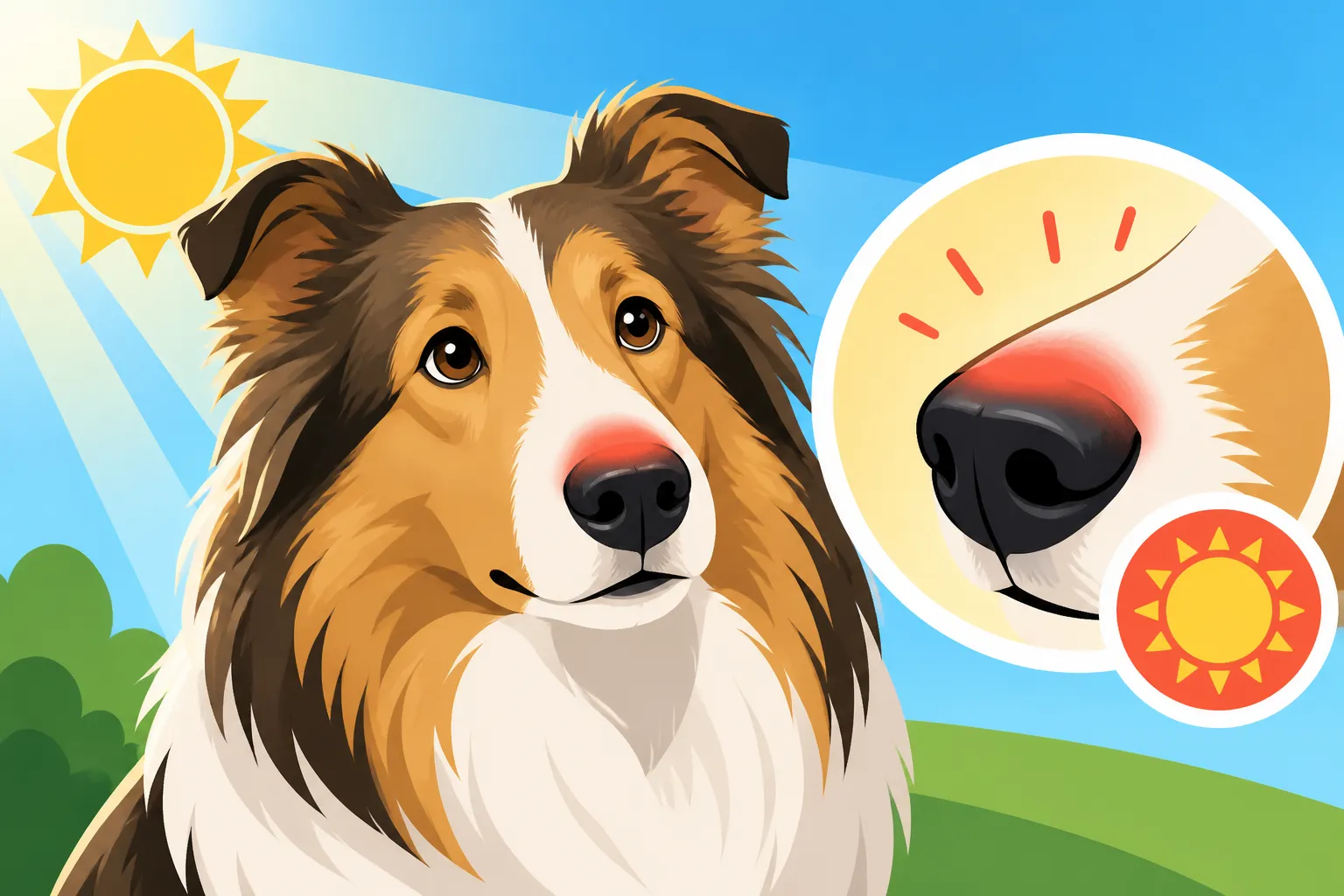
The first signs of a sunburned nose in a Collie are often subtle. You might notice a slight redness, especially on the pinker areas or where the skin meets the fur. The nose might feel warmer to the touch than usual, and your dog might be a bit sensitive if you try to touch it. They might also paw at their nose more often or rub it against furniture or the ground, trying to alleviate the discomfort.
As the burn progresses or if the sun exposure was significant, the symptoms become more apparent. The skin on the nose can start to peel, much like human sunburn. You might see small flakes of skin coming off, or larger patches peeling away. Swelling can also occur, making the nose appear slightly puffy. In more severe cases, blisters might form, which are incredibly painful and prone to bursting, leaving open sores that are ripe for infection. These open sores will be painful, and your Collie will certainly let you know something is wrong, even if it's a subtle flinch or pulling away.
Long-Term Consequences and Serious Concerns
While a mild sunburn might seem like a temporary inconvenience, repeated sun damage to your Collie's nose can have serious long-term consequences. Chronic exposure to UV radiation is a known risk factor for various forms of skin cancer in dogs, just as it is in humans. Squamous cell carcinoma, for example, is a type of skin cancer that frequently appears on areas of lightly pigmented skin, including the nasal planum. These cancers can be aggressive and require extensive veterinary treatment, including surgery or radiation. For more information on this, you might want to read about Whether a Collie Gets Cancer Often.
Beyond cancer, repeated sun damage can lead to permanent changes in the skin's texture and pigmentation. The nose might become thickened, scarred, or permanently depigmented, making it even more vulnerable to future burns. This creates a vicious cycle where the damaged skin offers less protection, leading to more damage. If you're noticing persistent changes, crusting that doesn't heal, or any unusual growths, it's time to seek professional veterinary advice. Early detection of any potential issues is paramount for a better prognosis.
Proactive Protection: Essential Strategies for Safeguarding Your Collie’s Nose
Preventing sunburn on your Collie’s nose is far easier, less painful, and less costly than treating it. Integrating sun protection into your daily routine is key, especially during seasons with strong UV indexes. Just as you protect yourself, you need to extend that care to your four-legged family member. It’s about being mindful of their vulnerability and taking simple, consistent steps.
Many owners find themselves scrambling for solutions only after a burn has occurred, but a proactive approach ensures your Collie stays comfortable and healthy. It's not just about avoiding summer midday sun; even on cloudy days, UV rays can penetrate and cause damage.
Timing and Shade: Simple Yet Effective
One of the easiest and most effective ways to protect your Collie's nose is to adjust your outdoor schedule. Avoid walks and prolonged outdoor activities during the peak sun hours, typically between 10 AM and 4 PM. This is when UV radiation is strongest and most damaging. Instead, opt for early morning strolls or late afternoon adventures when the sun is lower in the sky and its rays are less intense. This is also important advice for general health, and something to consider when you're thinking about Whether a Collie Should Be Kept Out of Midday Sun.
When you are outdoors, always seek out shade. This applies whether you're in your backyard, at a park, or on a hiking trail. Encourage your Collie to rest in shaded areas, and if you’re spending a longer time outside, bring a portable umbrella or canopy to create a shaded retreat. Remember that even on overcast days, up to 80% of the sun's UV rays can still penetrate cloud cover, so vigilance is always necessary.
Dog-Safe Sunscreen: Your Collie’s Best Friend
Applying sunscreen specifically formulated for dogs is a critical line of defense, particularly for Collies with pink or depigmented noses. Never use human sunscreen on your dog, as many ingredients, such as zinc oxide and PABA, are highly toxic if ingested, which is almost inevitable given a dog's tendency to lick their nose. Look for sunscreens designed for pets, which are usually zinc-free and non-toxic. Brands like Epi-Pet Sun Protector Spray or My Dog Nose It! are popular choices that are formulated with pet safety in mind.
Apply sunscreen generously to your Collie's nose, including the bridge and around the nostrils. It’s a good idea to do a patch test first on a small area of skin to ensure there’s no adverse reaction. Reapply frequently, especially if your Collie is swimming, rubbing their nose, or after a few hours of sun exposure. Start by making it a positive experience with treats and praise, so your Collie associates it with good things rather than a strange, invasive act. Many owners have found success making this part of their routine, much like you might brush your Collie – or at least try to – for Four Tools and Twenty Minutes: Brushing a Rough Collie.
| Protection Method | Description | Best For | Key Considerations |
|---|---|---|---|
| Timing & Shade | Avoiding peak sun hours (10 AM – 4 PM) and seeking natural or artificial shade. | All Collies, especially those with sensitive noses. | Most effective and cost-free. Requires schedule adjustment. Remember reflected UV from water/snow. |
| Dog-Safe Sunscreen | Topical application of pet-specific, non-toxic sunscreen. | Collies with pink/depigmented noses, DLE sufferers. | Must be zinc-free and PABA-free. Reapply frequently. Introduce slowly to avoid aversion. |
| Protective Gear | Canine sun hats or snoods designed to shield the muzzle. | Collies with chronic sun sensitivity or DLE. | May take time for your Collie to tolerate. Ensure proper fit and comfort. Less common for everyday use. |
| Indoor Awareness | Monitoring sun exposure through windows, especially during certain hours. | Indoor Collies, those resting in sunbeams. | Glass blocks some UV, but not all. Consider UV-protective window films for problem areas. |
Additional Protective Measures
For Collies with severe sun sensitivity or confirmed DLE, you might consider more specialized protective gear. Yes, dog hats exist! While some Collies might tolerate them better than others, a lightweight, wide-brimmed hat designed for dogs can provide excellent shade for their nose and eyes. Similarly, snoods that cover the entire muzzle can be helpful for short periods of high exposure, though ensure your dog can breathe comfortably.
Even indoors, be mindful of where your Collie naps. Sunbeams streaming through windows can still deliver significant UV radiation, particularly through south-facing windows. If your Collie loves to nap in a sunny spot on the rug, consider closing the blinds during peak sun hours or applying UV-blocking film to the window. These small adjustments can make a big difference in preventing cumulative sun damage.
Healing and Management: What to Do If Your Collie’s Nose Gets Sunburned
Despite our best efforts, sometimes a Collie's nose still ends up with a sunburn. Whether it's a forgotten application of sunscreen, an unexpectedly long time outdoors, or a sudden flare-up of an underlying condition like DLE, knowing how to respond promptly and effectively is crucial. Your goal is to alleviate pain, prevent infection, and promote healing.
Remember, a sunburned nose can be incredibly uncomfortable for your Collie, impacting their ability to sniff and explore the world around them. Don't underestimate the distress it can cause.
Immediate Care for Minor Sunburns
For mild sunburns, characterized by just redness and tenderness without blistering or open sores, you can often provide immediate relief at home. Gently apply a cool, damp cloth to the affected area for 5-10 minutes several times a day. This can help reduce inflammation and soothe the skin. You can also use a thin layer of aloe vera gel (ensure it's pure aloe and doesn't contain additives or alcohol that could be toxic if licked) or a veterinary-approved soothing balm like Bag Balm or Musher's Secret, which can protect and moisturize the irritated skin. Always ensure any product you apply is safe for ingestion, as your Collie will undoubtedly try to lick it off.
Monitor the nose closely for any signs of worsening, such as increased pain, swelling, or the development of crusts or blisters. Keep your Collie out of the sun completely during this healing period to prevent further irritation.
When to Seek Veterinary Attention
It’s important to know when a sunburn goes beyond home care and requires professional veterinary intervention. You should schedule an appointment with your vet if you observe any of the following:
- Blistering or Open Sores: These indicate a more severe burn and carry a high risk of secondary bacterial infection.
- Severe Pain or Swelling: If your Collie is crying out, recoiling significantly, or if the nose is visibly swollen, they need immediate attention.
- Persistent Redness or Non-Healing Lesions: If the redness doesn't subside within a couple of days, or if any sores aren't showing signs of healing, there might be an underlying issue or infection.
- Signs of Infection: Look for pus, foul odor, or increasing warmth around the area.
- Widespread Skin Issues: If the sunburn extends beyond the nose to other areas, or if your Collie shows signs of systemic illness (lethargy, fever, loss of appetite).
Your vet can accurately diagnose the severity of the burn, rule out conditions like DLE, and prescribe appropriate treatments such as topical antibiotics, anti-inflammatory medications, or pain relief. For complicated cases, a referral to a veterinary dermatologist might be necessary, and you might want to understand What a Collie's Dermatologist Referral Costs ahead of time.
Managing Chronic Conditions and Financial Considerations
If your Collie is diagnosed with DLE or another chronic sun-sensitive condition, management will involve a long-term strategy in consultation with your vet. This often includes strict sun avoidance, lifelong use of pet-safe sunscreens, and potentially specific medications like topical steroids, vitamin E supplements, or even systemic immunosuppressants in severe cases. Regular follow-up appointments will be necessary to monitor the condition and adjust treatment as needed.
Dealing with veterinary emergencies, specialist referrals, and ongoing medication can add up financially. This is where a good pet insurance plan can be an absolute lifesaver. Companies like Healthy Paws offer coverage for unexpected accidents and illnesses, which can include severe sunburn requiring vet treatment, or the ongoing management of conditions like DLE. Having a plan that helps with What a Collie's Emergency Visit Costs or even specialist visits can provide immense peace of mind. While Insuring a Collie Against Inherited Disease might seem specific, many comprehensive policies will cover acute illnesses and chronic conditions, helping cushion the financial blow. It's definitely worth looking into, especially if your Collie has a known predisposition to skin issues.
A proactive approach, combining sun protection with diligent observation and prompt veterinary care when needed, is the best way to ensure your Collie’s delicate nose stays healthy and happy for years to come.
Disclaimer
The information provided in this guide is for general informational purposes only and does not constitute veterinary advice. Always consult with a qualified veterinarian for any health concerns or before making any decisions about your Collie's care.