Whether a Collie Should Be Kept Out of Midday Sun
It’s a beautiful, sunny day, and you just want to let your Collie enjoy the yard, soaking up some rays. But then you start to wonder, with all that glorious coat and often a fair nose, is the midday sun really safe for them? The truth is, while we all love a bit of sunshine, for our beloved Collies, those peak hours can pose some serious risks, from uncomfortable sunburns to potentially dangerous overheating. This guide will walk you through why Collies need protection from the sun, what specific dangers to watch out for, and practical strategies to keep your furry friend safe and happy all year round.
The Collie Coat: A Double-Edged Sword in the Sun
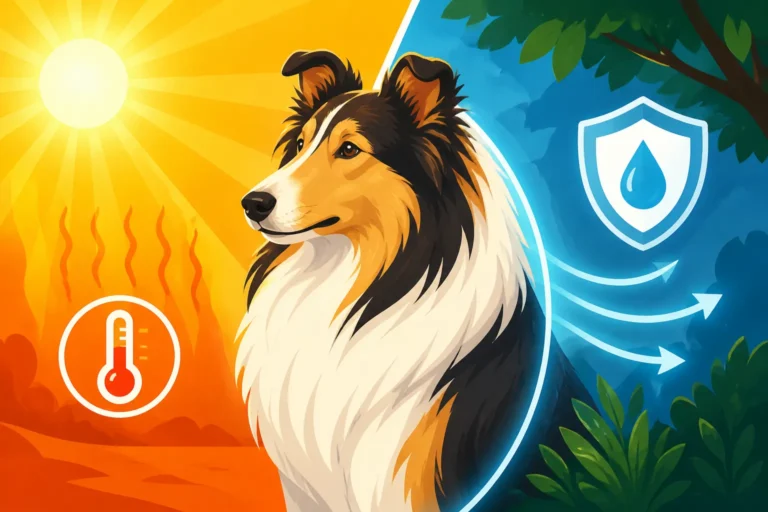
When you look at a Rough Collie, their magnificent double coat seems like it would offer ultimate protection from everything, including the sun. And in many ways, it does. The thick outer guard hairs and dense undercoat are designed by nature to insulate against both cold and heat, and to shield the skin from direct sunlight. It’s a marvel of canine engineering! However, this protection isn't absolute, and the very thickness that helps can also contribute to other issues if not managed properly.
How the Coat Protects, and Where It Falls Short
Think of your Collie's coat as a natural air conditioning system. The outer coat reflects some of the sun's rays, while the undercoat creates a barrier that traps a layer of air, keeping the skin cooler than if it were directly exposed. This is why you should never shave a Collie, because removing that natural insulation can actually make them more susceptible to heatstroke and sunburn, not less. The coat helps regulate their body temperature and protects against minor cuts and scrapes from brush, too.
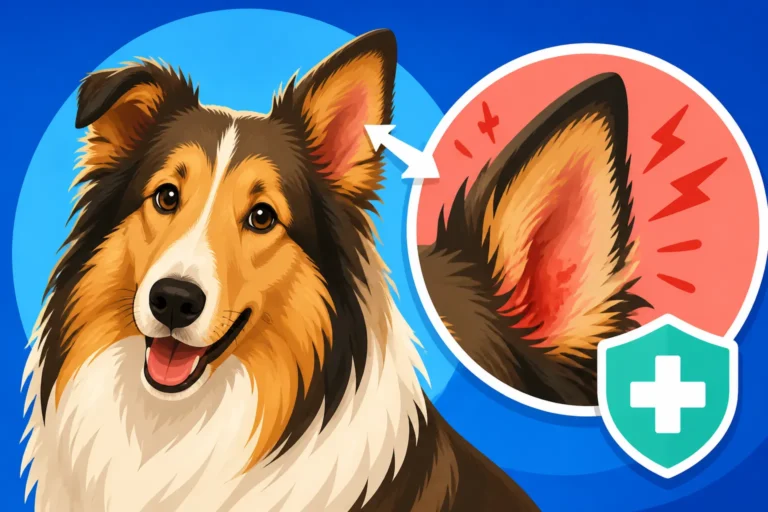
However, the coat isn't a suit of armor against all sun-related problems. While it covers most of their body, there are vulnerable areas. Their noses, especially if lightly pigmented, can get severely sunburned. The skin on their bellies, inner thighs, and even the tips of their ears often has less hair and is more delicate. These areas are far more exposed to UV radiation, particularly when your Collie lies down on their back or side for a sunbathe. It's a classic example of nature's design needing a little human help in our modern environments.
The Risk of Overheating Despite the Coat
Even with a protective coat, Collies can and do overheat in the sun. That thick double layer, while insulating, can trap heat if there isn't enough air circulation or if the ambient temperature is too high. This is especially true during strenuous exercise on a hot day or if they're left in direct sun without shade or water. Their panting mechanism is how they cool down, but if the air they're panting isn't significantly cooler than their body temperature, or if they're already too hot, it becomes inefficient.
You might assume that because their ancestors worked in Scottish fields, they're built for all weather. And they are, to a degree! But modern life often means less access to natural cool dips in streams or sprawling, shady pastures. Our backyards and sidewalks can become heat traps. Watching for Whether a Collie Overheats in Its Coat is crucial, because once they start to overheat, it can quickly become an emergency. Owners often underestimate how quickly a dog can become dangerously hot, even when they seem to be "just relaxing."
Specific Sun-Related Health Risks for Collies
It's not just a general worry about heatstroke when it comes to Collies and the sun. Our beautiful breed has a few specific vulnerabilities that make sun protection even more critical. Understanding these can help you be a more proactive and attentive owner.
Collie Nose and Solar Dermatitis
One of the most concerning sun-related issues for Collies is a condition often referred to as "Collie Nose," or more medically, canine discoid lupus erythematosus (DLE). This autoimmune disease can be triggered or exacerbated by sun exposure, particularly UV light. It typically affects the nose, causing a loss of pigment (going from black to pink or brown), crusting, cracking, sores, and bleeding. Imagine having a perpetually chapped and painful nose – that’s what a Collie with DLE can experience.
Even Collies without full-blown DLE can get severely sunburned noses, especially those with pinker or less pigmented areas. A sunburned nose is not just uncomfortable; it can lead to secondary infections and can be a precursor to more serious skin conditions. Protecting their sensitive noses is paramount. This isn't just a cosmetic concern; it's a painful and potentially chronic health issue. I wrote a whole piece on What Collie Nose Actually Is if you're curious to learn more about this specific condition.
Sunburn on Other Vulnerable Areas
Beyond the nose, Collies can get sunburn in other sparsely haired or thinly skinned areas. The most common places include:
- Ear tips: Especially on white or lightly pigmented ears.
- Belly and inner thighs: If your Collie loves to sunbathe on their back, these areas are highly exposed.
- Around the eyes: The delicate skin here can burn, leading to discomfort and potential eye irritation.
- Any areas with thin or sparse hair: If your Collie has a patch where the coat is thinner due to age, injury, or an underlying skin condition, that area becomes a target for UV damage.
Sunburn in dogs looks much like it does in humans—redness, tenderness, sometimes blistering or peeling. It’s painful and puts them at risk for skin cancer over time. This is especially relevant for Collies, given their potential genetic predispositions to certain skin conditions, like dermatomyositis. While sun isn't the direct cause of Dermatomyositis and the Collie Risk Panel, excessive sun exposure could certainly aggravate any existing skin sensitivity or issues.
Dehydration and Heatstroke
While their coat offers some protection, the combination of high temperatures and direct sun can quickly lead to dehydration and heatstroke. Collies are intelligent and loyal, but they're not always the best at self-preservation when they're enjoying themselves or trying to stay near their family. A Collie might continue to play fetch or sit by your side in the sun long past when they should have retreated to the shade.
Dehydration can start subtly, with excessive panting and a dry nose. If not addressed, it progresses to heat exhaustion, and then quickly to life-threatening heatstroke. Signs include intense, rapid panting, drooling, bright red gums, weakness, dizziness, vomiting, and eventually collapse. It's a terrifying emergency that can lead to organ damage or death. Even with their beautiful, flowing coats, the heat can get to them faster than you might think. Being aware of Whether a Collie Should Be Walked Early in Summer is just one part of the puzzle; knowing when they've had too much sun while just hanging out is another.
Strategies for Keeping Your Collie Safe in the Midday Sun
Okay, so we know the risks. Now, let's talk about what we can actually do to keep our Collies safe when the sun is beaming down. It's all about proactive management and common sense.
Timing Outdoor Activities and Providing Shade
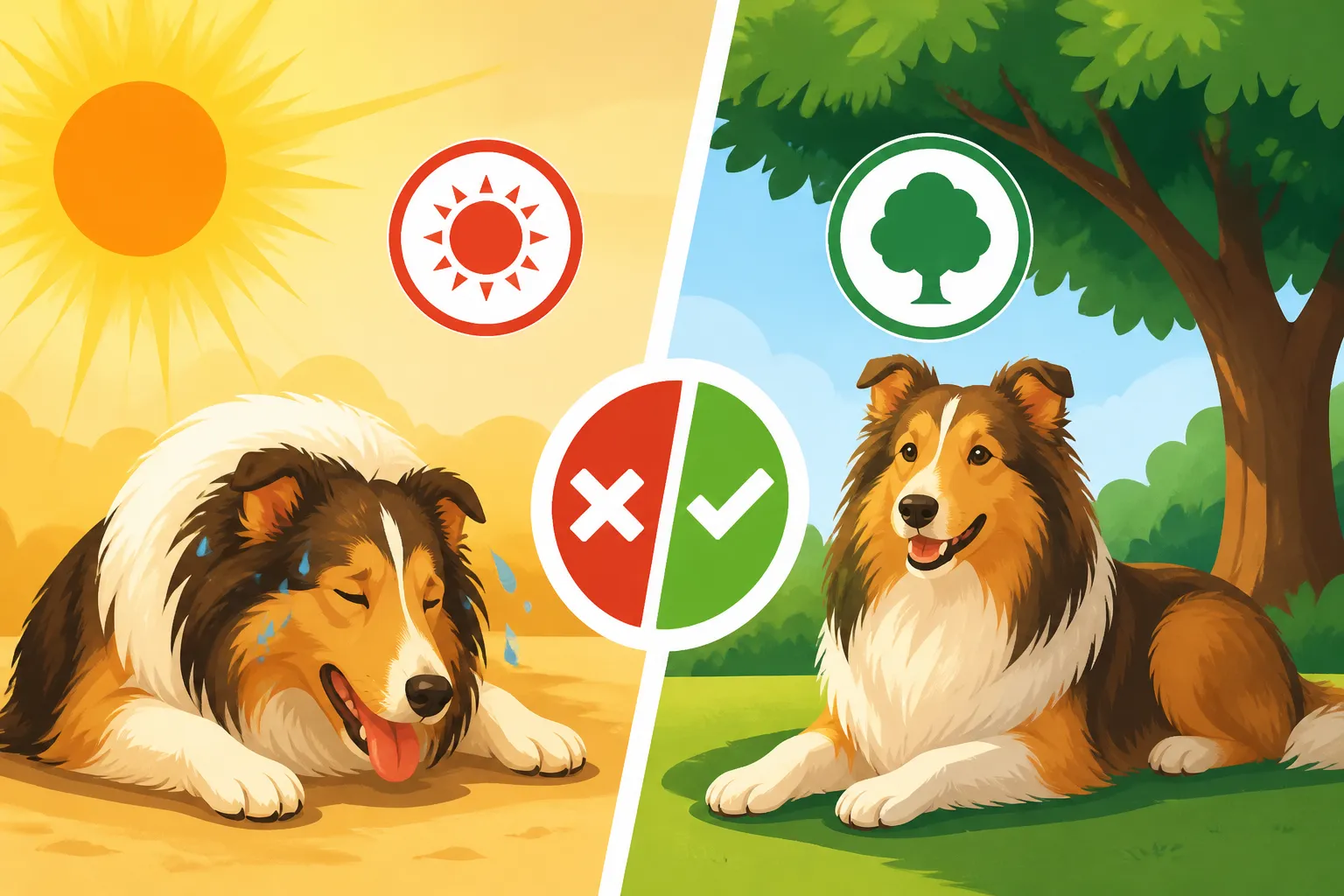
The most straightforward way to protect your Collie is to avoid the peak sun hours. This generally means keeping them indoors or in deep shade between 10 AM and 4 PM, especially during summer months. Instead, schedule walks, playtime, and training sessions for early mornings or late evenings when the sun's intensity is much lower and the ambient temperature has dropped.
When your Collie is outdoors, even during safer hours, ensure they always have access to ample, comfortable shade. This could be a large shade tree, a covered patio, or a specially designed dog canopy. Just a patch of shade under a small bush might not be enough if the sun shifts or if they need to move around. Make sure the shaded area is also relatively cool and offers good air circulation. A sun-baked patch of concrete under a small overhang isn't going to cut it.
Sunscreen and Protective Gear
Yes, dogs can wear sunscreen, and for Collies with vulnerable noses or sparse areas of hair, it's often a good idea. Look for pet-safe sunscreens, as human sunscreens can contain ingredients like zinc oxide or salicylates that are toxic if ingested. Brands formulated specifically for pets are readily available from online retailers like Chewy or even Amazon. Apply it liberally to their nose, ear tips, and any other exposed, sensitive skin at least 15-20 minutes before going outside, and reapply as needed, especially if they’ve been swimming or rubbing their face.
| Vulnerable Area | Risk | Protection Strategy |
|---|---|---|
| Nose | Sunburn, DLE flare-ups, cancer risk | Pet-safe sunscreen, cooling snood |
| Ear Tips | Sunburn, skin irritation | Pet-safe sunscreen, shade |
| Belly/Groin | Sunburn, heat absorption | Shade, cooling mat, pet sunscreen |
| Overall Body | Overheating, dehydration | Shade, timing, cooling vest |
| Paws | Hot pavement burns | Booties, walking on grass |
Beyond sunscreen, consider protective gear. For Collies prone to Whether a Collie's Nose Burns in the Sun, a specially designed dog visor or a lightweight snood can offer shade and physical protection. Cooling vests or bandanas, soaked in cool water, can also help regulate their body temperature during short outdoor excursions, though they should never replace ample shade and rest. Just be sure whatever you choose is comfortable and doesn't restrict breathing or movement.
Hydration and Cooling Aids
Constant access to fresh, cool water is non-negotiable. Have multiple water bowls available both inside and outside, and keep them filled. You might even add ice cubes to their outdoor water bowl to keep it cooler for longer. When out on walks or adventures, always carry water for your Collie, even if it's a short trip. Portable dog water bottles and collapsible bowls are fantastic for this.
Beyond water, consider cooling aids. A cooling mat placed in a shaded area can be a godsend for a Collie on a hot day. These mats typically use gel or water to absorb and dissipate body heat. Many varieties are available on Amazon. You could also offer a small wading pool with a few inches of water for them to splash in and cool their paws and belly. Remember, even though a Collie's coat protects them from the direct sun, they still need ways to release excess body heat. Whether a Collie Needs a Cooling Mat in Summer is definitely a "yes" in my book for warmer climates or heat-prone dogs.
For feeding, remember to stick to their regular meal times and consider a high-quality food. Some owners find that brands like Ollie, which offers fresh, human-grade food, might appeal to dogs who lose appetite in the heat. Whatever food you choose, ensure it's stored properly and not left out in the sun to spoil.
Recognizing and Responding to Sun-Related Distress
Knowing how to prevent problems is great, but it's just as important to be able to spot the signs of trouble and act quickly. Collies, being stoic dogs, might not always make it immediately obvious they're in distress until it's quite serious.
Signs of Sunburn and Skin Irritation
A sunburned nose or ear tips will likely look red, feel warm to the touch, and might be tender or painful for your Collie. You might notice them rubbing their face more often or being reluctant to let you touch those areas. In more severe cases, you could see blistering, peeling skin, or even open sores, especially on the nose. If you suspect sunburn, gently apply a cool compress to the area and contact your vet. They might recommend a soothing topical cream or pain relief.
For more chronic skin issues like DLE, sun exposure can lead to crusting, scaling, and depigmentation (a loss of color, often turning the nose pink or brown). These changes tend to worsen with increased sun. If you observe these symptoms, especially if they are persistent, a vet visit is essential for diagnosis and treatment. Early intervention can prevent further discomfort and potential complications.
Recognizing Overheating and Heatstroke
The signs of overheating often begin with excessive panting – much heavier and faster than normal – sometimes accompanied by drooling. Your Collie might seek out cooler spots, seem restless, or have difficulty settling. Their gums might appear a brighter red than usual. As it progresses to heatstroke, you'll see more severe symptoms:
- Weakness or staggering: They might stumble, seem disoriented, or even collapse.
- Vomiting or diarrhea: Sometimes bloody.
- Bright red or pale gums: Depending on the stage, blood flow can shift dramatically.
- Rapid heart rate.
- Seizures.
- Loss of consciousness.
If you notice any of these serious signs, this is an absolute emergency. Get your Collie to a cooler area immediately. Offer small amounts of water, but don't force them to drink. You can try to cool them down with wet towels, focusing on their belly, armpits, and groin. A fan can also help. Then, get them to the nearest emergency vet without delay. Time is critical in heatstroke cases. While Whether an MDR1 Collie Recovers From a Reaction refers to drug reactions, the principle of rapid veterinary intervention applies equally to heatstroke.
The Importance of Vet Awareness
Because Collies have specific sensitivities like the MDR1 mutation and conditions like DLE, it's always a good idea to ensure your veterinarian is familiar with the breed's unique needs. When discussing sun exposure and skin issues, explicitly mention that your dog is a Collie. If they have a pink nose or any history of skin sensitivity, make sure that information is clearly noted in their medical file. This helps ensure that any treatment plan considers their breed-specific vulnerabilities. This proactive communication is similar to making sure How a Collie Owner Tells the Vet About MDR1 so they can avoid dangerous drug interactions.
In conclusion, while our Collies love being outdoors, the midday sun poses genuine risks. With careful planning, appropriate protection, and a keen eye for signs of distress, you can ensure your furry companion stays safe, healthy, and happy, enjoying the sunny days without consequence.
Disclaimer
This article is for general informational purposes only and does not constitute professional advice. Laws, prices and regulations vary by location and change over time. Consult a qualified professional for guidance on your specific situation.