Whether a Collie Should Be Clipped for Surgery
When your beloved Collie needs surgery, a whirlwind of anxieties can take over your mind. You worry about the anesthesia, the recovery, the pain your dear companion might feel. But for many Collie owners, a unique and very specific worry surfaces: "Are they going to shave my Collie's coat?" It’s a legitimate concern, given the iconic nature of their beautiful fur, and it’s completely understandable to want to protect it. This guide will walk you through why clipping is often necessary, the realities of coat regrowth, and how you can advocate for your Collie during a stressful time.
The Veterinary Necessity Versus the Collie Coat Reality
It’s a tale as old as time for long-coated dog owners: the need for a veterinary procedure often clashes with the desire to preserve that magnificent coat. For Collies, whose double coats are not just aesthetically pleasing but vital for their comfort and skin health, this dilemma is particularly acute. Vets operate on scientific principles of sterility and accessibility, while owners gaze at that glorious mane and imagine the worst.
Why Clipping is Standard Practice
From a medical standpoint, clipping a surgical site is not an arbitrary decision; it's a critical part of ensuring a safe and successful outcome. Imagine trying to perform intricate surgery, or even place an IV line, through a thick, fluffy coat. It’s simply not practical, nor is it safe.
First and foremost, hygiene is paramount. A dog's coat, no matter how meticulously groomed, harbors bacteria, dirt, and dander. Even with a thorough scrub, getting the skin truly sterile underneath a dense coat is nearly impossible. Clipping removes this barrier, allowing the veterinary team to properly disinfect the skin surface with antiseptic solutions. This drastically reduces the risk of post-operative infection, which can be far more serious and costly to treat than any concern about fur.
Beyond sterility, clipping provides clear visibility for the surgeon. They need to see the precise incision site, identify anatomical landmarks, and monitor for any bleeding or complications during the procedure. A pristine, hairless field ensures nothing obscures their view. Furthermore, it allows for easy placement of monitoring equipment, like ECG leads or pulse oximeter sensors, which require direct skin contact to function accurately. If your Collie needs an IV, a small area on a leg will be clipped to allow vein access. This isn't just for comfort during the procedure; it's about making sure the life-saving medications and fluids can be administered effectively and safely.
The Collie Coat Dilemma
Now, let's talk about that stunning Collie coat. It's not just hair; it's a marvel of natural engineering. Collies possess a dense double coat: a soft, insulating undercoat for warmth and a long, harsh outer coat that sheds water and protects against debris and sun. This dual layer is essential for regulating their body temperature, protecting their skin, and giving them their classic, noble appearance.
For Collie owners, the thought of this coat being shaved is truly distressing. We’ve all seen photos or heard stories of dogs whose coats never grew back the same after a clip. The frustration is real. This isn't just about vanity; it's about the unique characteristics of the breed. A Collie's coat needs its full structure to function properly, offering insulation in both cold and warm weather. When it's cut or shaved, this protective layer is compromised. The texture can change, becoming softer and less weather-resistant. The color might appear different, and the iconic "mane" or "frill" can take a long, long time to regain its former glory. It's a significant alteration, and it's completely valid to feel worried about it. Many of us have spent countless hours with our Four Tools and Twenty Minutes: Brushing a Rough Collie to keep it in tip-top shape, only for it to be removed in minutes.
Understanding Clipper Alopecia and Coat Regrowth
The fear of permanent coat damage post-clipping, often termed "clipper alopecia" or "post-clipping alopecia," is a very real concern, particularly for breeds with dense double coats like Collies. It's not just an old wives' tale; it's a recognized, albeit not fully understood, phenomenon.
What is Clipper Alopecia?
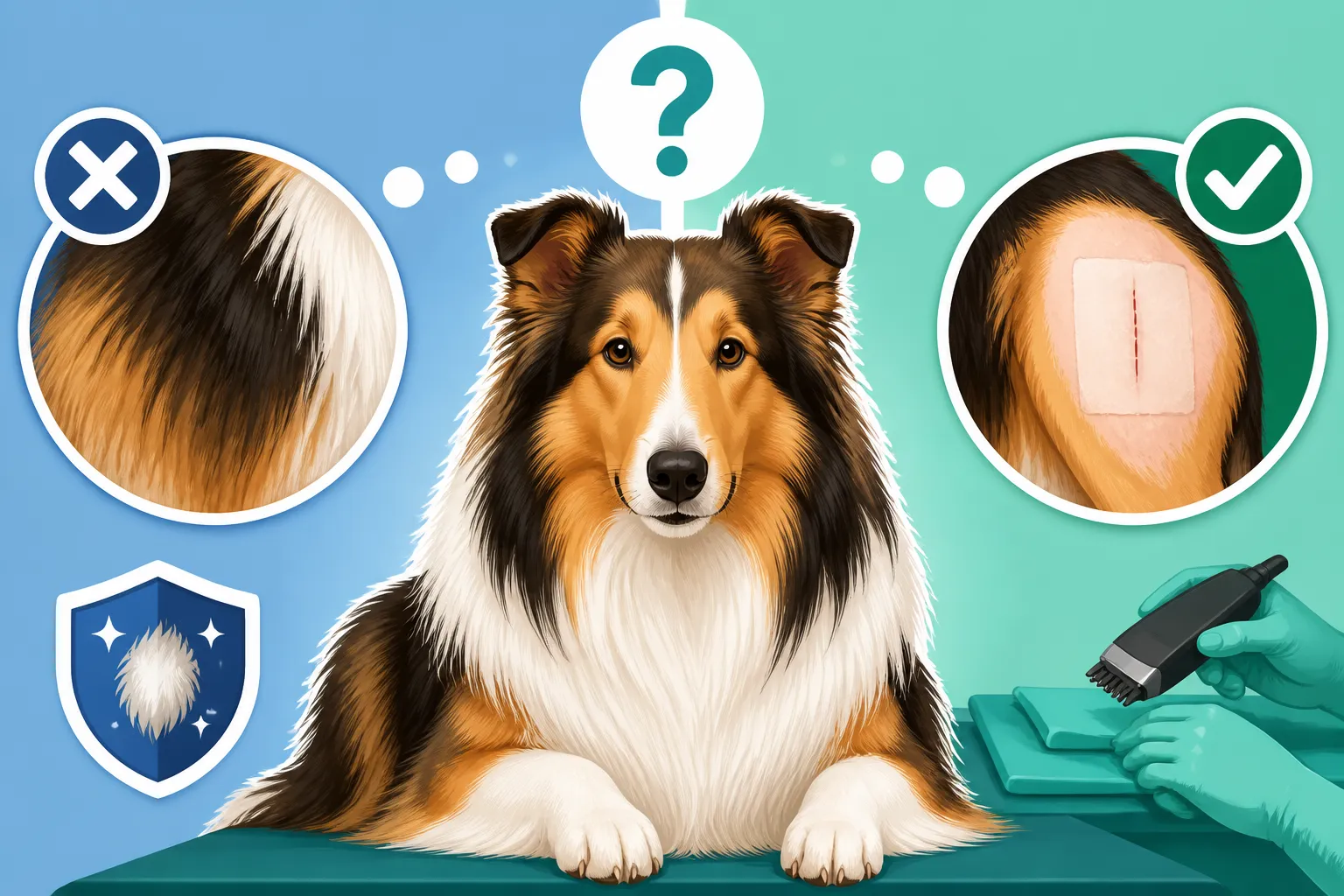
Clipper alopecia isn't true alopecia in the sense of a disease causing hair loss. Instead, it refers to the delayed, abnormal, or incomplete regrowth of hair after an area has been clipped or shaved. In affected dogs, the clipped fur simply doesn't grow back to its original length, density, or texture. The shaved area might remain bald, or the hair that does grow back could be sparse, feel velvety soft (like the undercoat), or even be a different color. It's an issue seen most commonly in double-coated breeds, including Collies, Samoyeds, Huskies, and Pomeranians.
The exact cause isn't definitively known, but several theories exist. One thought is that the clipping process itself, particularly if done poorly or with dull blades, can traumatize the hair follicles. Another theory suggests that changes in local blood supply to the skin, which can be influenced by factors like anesthesia or the stress of surgery, might temporarily suppress hair follicle activity. Some believe there's a genetic predisposition in certain individuals or breeds. What we do know is that the natural cycle of hair growth can be disrupted, leading to this frustrating lack of regrowth. For a Collie owner, seeing a patchy, odd-textured area where a magnificent coat once was can be disheartening and often leaves them wondering What Happens to a Shaved Collie's Coat.
Managing Expectations for Coat Regrowth
If your Collie does get clipped for surgery, it's essential to manage your expectations for regrowth, as it can be a long and unpredictable journey. The first thing to understand is that regrowth is almost always slow. Where a single-coated dog might see their fur return to normal within a few weeks, a Collie's dense double coat can take many months – sometimes even over a year – to fully regenerate. And even then, there's no guarantee it will be exactly the same as before.
You might notice that the new hair comes in unevenly, with some spots growing faster or denser than others. The texture might be softer and fluffier, lacking the coarse guard hairs that give a Collie its signature weatherproof quality. Sometimes, the color can appear different, especially in merle or sable patterns. It truly is a waiting game, and patience is key. During this period, avoid shaving or clipping the area again, as this can further disrupt the delicate growth cycle. While the concern about the appearance is valid, remember that the most important thing is your Collie's health and recovery from the surgery. Focus on gentle grooming and supporting overall skin and coat health with good nutrition. For some tips on maintaining a healthy coat, you might look into Whether Fish Oil Improves a Collie's Coat.
Minimizing the Impact: What You Can Discuss With Your Vet
While some clipping is almost always unavoidable for surgery, there are definite steps you can take to advocate for your Collie and work with your veterinary team to minimize the impact on their coat. Open communication with your vet is your most powerful tool.
Targeted Clipping Only
One of the most important conversations to have with your vet before the procedure is to request "minimal surgical clipping" or "targeted clipping." Explain your concerns about your Collie's double coat and the potential for clipper alopecia. Ask if they can shave only the absolute necessary amount of hair needed for sterile preparation and the incision, rather than a wide, generic swath. For example, if it's a spay, the focus should be on a small rectangle on the abdomen, not a huge area extending up the flanks. For an IV, a very small patch on the leg is all that's required.
Many veterinary teams are understanding and will do their best to accommodate these requests, provided it doesn't compromise sterility or patient safety. It helps if you mention this during the pre-operative consultation, not just when you drop off your dog for surgery. This gives the team time to make a note in your Collie's chart and communicate your wishes to the technician performing the prep. You could even politely suggest they use a finer blade setting if possible, though blade choice often comes down to what's best for a clean, safe clip on that specific area. Remember, the goal is not no clipping, but just enough clipping.
Post-Surgery Coat Care
After surgery, your Collie's recovery is the priority, but once the immediate healing is underway, you can start focusing on encouraging healthy coat regrowth. Gentle, consistent care is crucial. Avoid harsh brushes or vigorous grooming directly over the healing incision until cleared by your vet. Once the skin is fully healed, you can gently introduce brushing to stimulate blood flow to the area, which can promote hair growth. A soft pin brush or a wide-toothed comb, available from retailers like Chewy or Amazon, can be helpful for this.
Good nutrition also plays a significant role in coat health. Ensure your Collie is on a high-quality diet that provides essential fatty acids, vitamins, and minerals. Some owners opt for supplements like omega-3 and omega-6 fatty acids, which are known to support skin and coat health. Consult your vet before adding any supplements to ensure they are appropriate for your dog, especially if they are already on medications. Keeping the skin clean and moisturized (again, with vet approval for any products) can also help prevent dryness or irritation that might impede growth. Patience is your greatest virtue here, as it can take many months for the coat to return to its previous glory.
Communicating Your Concerns
It’s easy to feel intimidated when talking to veterinary professionals, especially when you’re already worried about your pet's health. However, you are your Collie’s primary advocate. Don't be afraid to voice your concerns clearly and respectfully. When discussing the surgical plan, explicitly ask about the clipping protocol. You can say something like, "I understand clipping is necessary for sterility, but I'm very concerned about my Collie's coat regrowth. Can we discuss a minimal clipping approach?"
It’s also a good idea to ensure this concern is noted prominently in your Collie's medical records. You might even ask Whether a Collie's Chart Should Be Flagged at the Clinic for this specific request. Most vets appreciate proactive communication from owners who are invested in their pet's well-being. By being informed and articulate, you can ensure that your concerns are heard and, whenever possible, addressed without compromising the medical necessity of the procedure.
Alternatives and Precautions for Collie Surgery Prep
While completely avoiding clipping for surgery is rarely an option for safety reasons, there are additional measures and considerations you can take to prepare your Collie and further protect their well-being during and after the procedure.
Pre-Surgery Bathing and Hygiene
One proactive step you can take before your Collie goes in for surgery is to ensure they are as clean as possible. Giving your Collie a thorough bath a day or two before the procedure can significantly help reduce the amount of surface bacteria and debris on their coat and skin. This means less work for the vet tech prepping the surgical site and potentially a cleaner starting point for the clipped area.
When bathing, use a gentle, dog-specific shampoo and conditioner to avoid irritating their skin. Make sure to rinse thoroughly to remove all product residue and dry their coat completely, ideally using a high-velocity dryer if you have one, to prevent matting and ensure their skin is healthy. A clean coat helps the veterinary staff get a good, sterile field more quickly and effectively, which is always a plus. Think of it as doing your part to contribute to the best possible outcome for their surgery. You can find excellent quality shampoos and conditioners on Chewy or Amazon that are specifically formulated for double coats.
Discussing Sedation and Anesthesia with MDR1 in Mind
While unrelated to clipping, it’s absolutely vital to remember a critical health concern for Collies when any medical procedure involving medication, especially anesthesia, is on the table: the MDR1 mutation. If your Collie has this genetic mutation, certain drugs, including some commonly used sedatives and anesthetics, can be profoundly dangerous, even lethal.
Therefore, always ensure your veterinarian is aware of your Collie’s MDR1 status. If you know your Collie is affected, or if you don't know and they haven't been tested, you must proactively bring this up. Request that they use alternative medications known to be safe for MDR1-affected dogs. Many vets are familiar with this breed-specific concern, but it’s always best to be an informed advocate. If you're unsure about your Collie's status, or if you simply want to be extra cautious, you can ask the vet to Assume Your Collie Has the MDR1 Mutation for any drug protocols. This discussion is far more critical to your Collie's safety than concerns about their coat, and it should take precedence in your pre-surgical conversations. This is part of being an empowered owner.
Summary of Clipping Considerations for Collie Surgery
Here's a quick overview of the standard veterinary approach versus a Collie owner's concerns and how to bridge that gap:
| Aspect | Standard Veterinary Practice | Collie Owner Concern | Proactive Owner Actions |
|---|---|---|---|
| Why Clip? | Sterility, visibility, easy access for IV/monitoring | Fear of permanent coat damage, aesthetics, function of coat | Request minimal, targeted clipping. |
| Clipped Area | Often a wide margin for safety/visibility | Desire for smallest possible shaved area | Discuss precise boundaries with vet during pre-op. |
| Coat Regrowth | Assumed to regrow naturally over time | Risk of "clipper alopecia," slow, patchy, or altered regrowth | Prepare for slow regrowth; gentle post-op coat care; support with nutrition. |
| Hygiene | Pre-surgical scrub on clipped skin | Concern about chemicals on sensitive skin | Bathe Collie thoroughly before surgery. |
| Anesthesia/Meds | Standard protocols | MDR1 drug sensitivities are a major risk | Always confirm MDR1 status with vet, request safe alternatives if affected/untested. |
No one wants to see their beautiful Collie with a bald patch, but understanding the "why" behind veterinary practices and knowing how to communicate your concerns effectively can make a world of difference. Your vet wants a successful outcome, and by working together, you can ensure your Collie's health is prioritized while also doing your best to protect their magnificent coat.
Disclaimer
This article is for general informational purposes only and does not constitute professional advice. Laws, prices and regulations vary by location and change over time. Consult a qualified professional for guidance on your specific situation.