What a Collie’s Microchip and Registration Cost
Bringing home a new Collie puppy is a whirlwind of excitement, adorable fluff, and endless possibilities. Amidst all the joy and preparations—the new leash, the comfy bed, the first bag of delicious kibble—it's easy to overlook some of the fundamental initial costs that are absolutely essential for your new family member's safety and your peace of mind. Things like microchipping and official registration might seem like just more paperwork, but they're crucial steps in ensuring your Collie is protected and accounted for from day one. This guide will walk you through exactly what these vital first expenses entail, helping you budget and prepare for a long, happy life with your beloved herding dog.
Understanding the Cost of Microchipping Your Collie
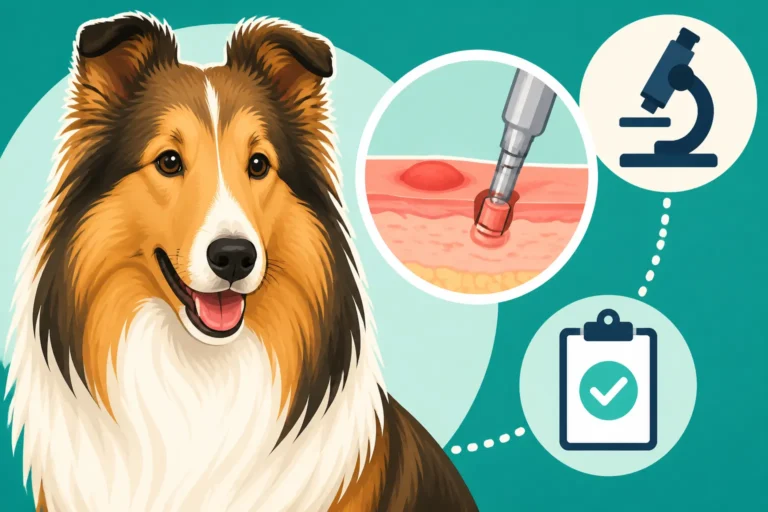
Microchipping your Collie isn't just a good idea; it's an indispensable safety net. Imagine the unthinkable: your curious Collie, perhaps distracted by a squirrel or a new scent, slips out the gate during a walk or wiggles free from their collar. Without a microchip, finding them can be a heartbreaking struggle. A microchip, about the size of a grain of rice, is inserted under your dog's skin, usually between the shoulder blades, in a procedure that's quick, relatively painless, and no more uncomfortable than a routine vaccination shot. This tiny device carries a unique identification number that can be scanned by any vet, shelter, or animal control officer, linking your Collie directly back to you.
The cost of microchipping itself typically involves two main components: the insertion of the chip and the registration of that chip number in a national database. For the insertion, you can often find competitive pricing at your regular veterinary clinic. Many humane societies and animal shelters also offer low-cost microchipping clinics, sometimes in conjunction with vaccination drives, which can be a fantastic option if you're looking to save a bit on initial vet visits. If you're adopting a rescue Collie, chances are they've already been microchipped as part of the adoption process, and the fee is usually rolled into their overall adoption cost. What a Collie Rescue Charges to Adopt can vary, but these essential health measures are almost always included.
Beyond the physical chip and its insertion, the most critical part is registering that unique ID number with a reputable pet recovery service. This is where your contact information is stored alongside your Collie's microchip number. This registration isn't always a one-time fee; some databases charge a small annual fee to keep your information active, while others offer a lifetime registration for a single payment. It's incredibly important to ask about this distinction when you get your Collie chipped, because a chip isn't useful if the contact information isn't current and easily accessible. Think of it like a permanent digital ID card for your furry friend. When it comes to ongoing costs, you might budget for this small annual fee, similar to how you plan for What a Collie's Annual Preventives Cost. Reputable pet product sites like Chewy might remind you about the importance of updated pet tags, which complement a microchip, but for the chip itself, it's about database membership.
Let's consider a few scenarios for microchipping costs:
- Puppy from a breeder: Some responsible breeders will have the first round of vaccinations and a microchip included in the puppy's purchase price. Always clarify this in your discussions about What a Health Tested Collie Puppy Costs. If not included, you'll arrange it with your vet during your puppy's first check-up.
- Adopting from a shelter or rescue: As mentioned, most rescue organizations include microchipping and registration as part of their adoption fees. This is a huge benefit, as it means your new Collie is already set up for recovery should they ever get lost.
- Older Collie without a chip: If you've acquired an adult Collie who isn't chipped, it's never too late! The process is the same, and your vet can easily perform it during a regular appointment.
The peace of mind that comes with knowing your Collie has a permanent, unremovable form of identification is truly priceless. It significantly increases the chances of a happy reunion if they ever wander off.
Deciphering the Expenses for Collie Registration
When we talk about "Collie registration," it's not a single, simple concept. There are actually a few different types of registration you'll encounter, each with its own purpose and associated costs. Understanding these distinctions is key to budgeting accurately for your new companion.
First, and often overlooked until required, is local pet licensing or registration. Many cities, counties, and municipalities across the country legally require all dogs to be registered with their local animal control or city clerk's office. This isn't about their breed or pedigree; it's about public safety and ensuring that pets within the community are accounted for, especially concerning rabies vaccination. The fees for these licenses typically vary depending on whether your Collie is spayed or neutered (intact animals usually have higher fees) and are generally renewed annually. The costs are usually quite modest, but failing to register can lead to fines if your Collie is picked up by animal control. This is a non-negotiable part of responsible pet ownership.
Next, you have breed registry registration, such as with the American Kennel Club (AKC) in the United States, or The Kennel Club (KC) in the UK. This type of registration is primarily about confirming your Collie's lineage and officially recognizing them as a purebred Collie. If you're getting a puppy from a reputable breeder, they will typically provide you with the necessary paperwork for you to register your specific puppy. There's often an initial fee for the "puppy registration" and then another, smaller fee if you choose to transfer full ownership into your name. Breeders often use these registries to track pedigrees and health clearances, and it's essential for anyone interested in showing their Collie in conformation events or participating in recognized performance sports like obedience, rally, or agility. Herding, Rally and the Sports a Collie Was Made For often require official breed registration. The cost here is more elective for pet owners, but crucial for those involved in the fancy.
Finally, let's circle back to microchip registration. While we covered the mechanics of it above, it's worth reiterating here that registering your Collie's microchip with a recovery database is a distinct and vital form of "registration." As mentioned, some companies charge a one-time lifetime fee, while others require an annual renewal. This isn't about breed or local laws, but purely about linking your Collie's unique ID to your contact information in a secure, accessible database for recovery purposes.
Here's a breakdown of how these registration costs might play out:
- Local Pet Licensing: Expect an annual fee. This fee can be anywhere from nominal for a spayed/neutered dog to a bit more substantial for an intact animal. Many jurisdictions offer discounts for senior citizens or service animals. You'll typically need proof of current rabies vaccination.
- Breed Registry (e.g., AKC): The initial registration of a puppy can have a fee, and transferring ownership might have another. These are generally one-time fees per dog, though membership in the club itself would be an ongoing cost. The breeder might pre-pay some of this or give you the forms to complete.
- Microchip Registration: This could be a one-time lifetime fee or an annual subscription. Ensure you understand which model the service you choose uses.
Understanding these different categories will help you budget for the specific "registration" costs that apply to your situation and your long-term goals for your Collie. These are not always bundled together, so asking questions is important!
Long-Term Implications and Value for Your Collie
While microchipping and various forms of registration might seem like just another line item on your initial What a Collie Puppy Costs in 2026 spreadsheet, their value extends far beyond the immediate expense. These are foundational investments in your Collie's safety, your peace of mind, and responsible pet ownership.
First and foremost, the peace of mind offered by a microchip is immeasurable. Knowing that your Collie carries a permanent identifier that can help reunite you, even if their collar or tags are lost, is a huge relief. As a veteran Collie owner, I can tell you that even the most well-behaved dogs can be spooked or distracted, and a lost dog scenario is every owner's worst nightmare. A microchip drastically improves the odds of a happy ending. Imagine your Collie somehow gets out, perhaps during a sudden noise or a playful chase in the yard. A kind stranger finds them, takes them to a vet or shelter, they scan the chip, and voila! You get the call. That simple scenario, made possible by a tiny chip, is worth every penny.
Beyond emotional reassurance, microchips and local licenses often ensure legal compliance. Many areas have strict laws regarding dog licensing, and adhering to them means you avoid potential fines and show that you're a responsible member of your community. It often ties directly into public health initiatives, ensuring pets are vaccinated against rabies, which benefits everyone. For a deeper dive into overall costs, you might consider Whether a Collie Is an Expensive Breed to Keep, and these initial steps are certainly part of that calculation.
For those with purebred Collies, particularly if you have aspirations in the show ring or want to preserve the breed's lines, breed registry registration adds significant value. It validates your Collie's pedigree, ensures they meet breed standards, and allows you to participate in official events. This connection to the breed's history and future is something many dedicated Collie owners cherish. It's how we ensure responsible breeding continues and that the health of the breed, as highlighted in articles like The Three Genetic Tests a Collie Breeder Owes You, is tracked through generations.
When considering all these initial costs, it's wise to fold them into your overall budget. Don't forget that your Collie will also require food, routine vet care, grooming (especially if it's a rough Collie!), and training. Speaking of care, while companies like Healthy Paws offer robust pet insurance plans that cover unexpected accidents and illnesses, it's important to note that routine microchipping and registration fees are typically not covered by pet insurance, as they are considered preventative or administrative. However, having that insurance in place for larger, unforeseen medical expenses can be a lifesaver, so it's always worth exploring. You can find many essentials, including quality food, toys, and grooming supplies, at retailers like Chewy. And for those interested in premium nutrition, specialized brands like Ollie offer tailored food plans that contribute to a Collie's overall well-being.
Finally, remember to keep your information updated. Moving, changing phone numbers, or even just getting a new email address means you need to contact the microchip registry to update your contact details. An unregistered or outdated microchip is almost as useless as no microchip at all. Make a note to check your registration details yearly, perhaps when your Collie goes in for their annual check-up or when you renew their local license. It’s a small task that carries huge importance for your beloved Collie.
These initial investments in microchipping and registration aren't just expenses; they're integral parts of providing a safe, secure, and legally recognized home for your cherished Collie.
| Feature | Microchip Insertion | Microchip Database Registration | Local Pet Licensing | Breed Registry Registration (e.g., AKC) |
|---|---|---|---|---|
| Purpose | Permanent ID | Link ID to owner info | Legal requirement | Pedigree/breed confirmation |
| Typical Cost Timing | One-time | One-time or annual | Annual | One-time (per dog) |
| Who Provides | Vet, shelter | Private company | Local municipality | Breed club (e.g., AKC) |
| Includes in Rescue? | Usually | Often (check details) | Rarely | Almost never |
| Includes from Breeder? | Sometimes (ask) | Sometimes (ask) | No | Usually (paperwork for owner to submit) |
| Key Benefit | Lost pet recovery | Lost pet recovery | Avoid fines, public safety | Show/breeding eligibility, pedigree tracking |
Disclaimer
This article is for general informational purposes only and does not constitute professional advice. Laws, prices and regulations vary by location and change over time. Consult a qualified professional for guidance on your specific situation.