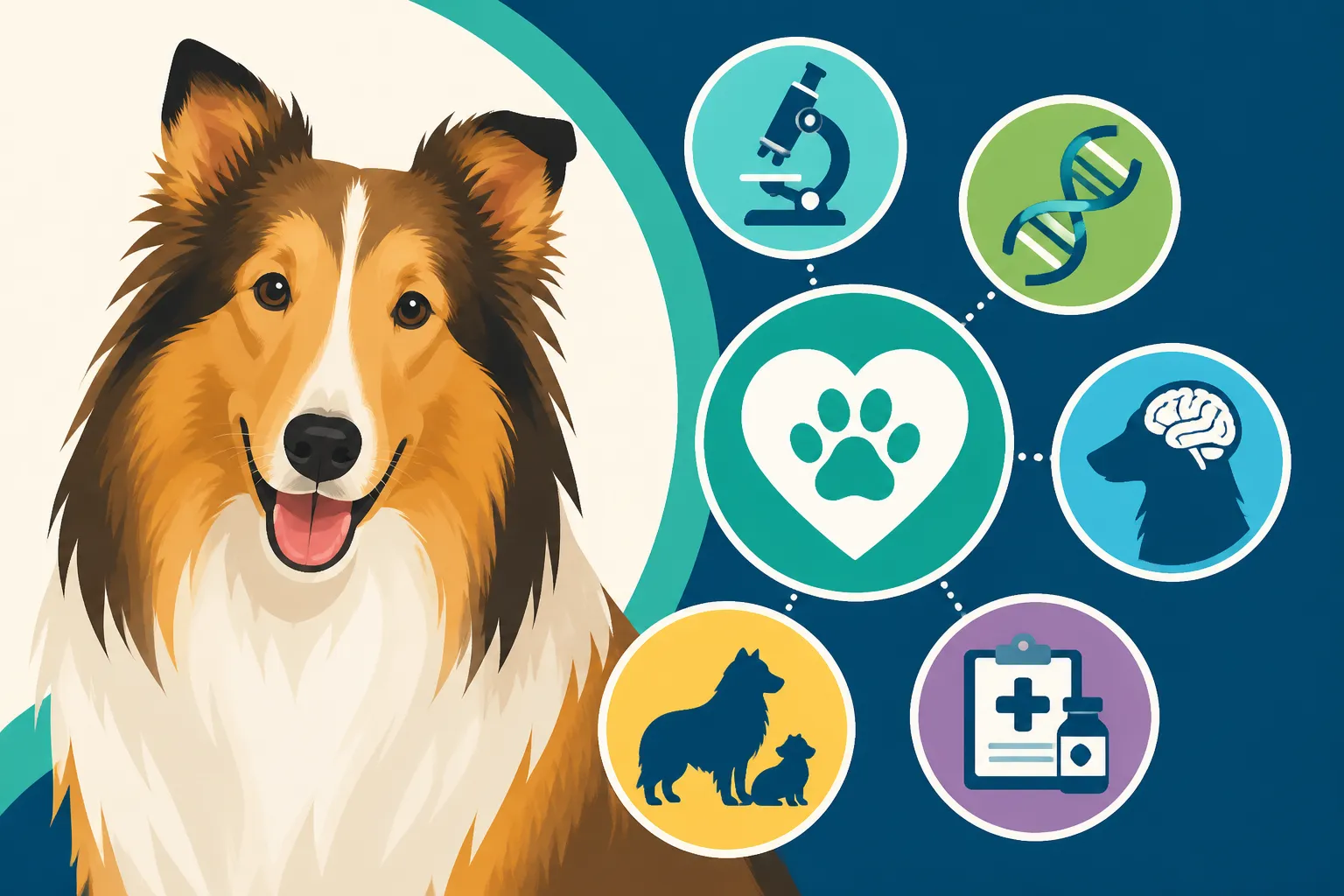
What the Collie Health Foundation Funds
It can be incredibly disheartening to realize that our beloved Collies, despite their beauty and intelligence, are prone to a unique set of health challenges. The worry of unknown genetic conditions or sudden illnesses can weigh heavily on any owner's heart. This comprehensive guide will illuminate the crucial efforts of the Collie Health Foundation, detailing precisely what vital research, educational initiatives, and support programs they fund to safeguard and advance the well-being of our cherished Collies.
The Critical Role of the Collie Health Foundation in Breed Well-being
When you bring a Collie into your life, you’re not just getting a pet; you’re welcoming a family member with a rich history and, unfortunately, a genetic predisposition to certain health issues. It's a tough truth, but recognizing it is the first step toward proactive care. This is where the Collie Health Foundation (CHF) becomes an indispensable ally, standing as a dedicated force to combat these challenges head-on.
Why a Dedicated Breed Health Foundation Matters
Collies, like many purebred dogs, unfortunately, come with a predisposition to certain genetic conditions. It's a harsh reality that can leave owners feeling overwhelmed and helpless. Without dedicated efforts, these issues could silently proliferate, causing widespread suffering and heartbreak for families who simply want their furry companions to live long, healthy lives. This is precisely where a specialized organization like the Collie Health Foundation steps in, acting as a beacon of hope and a proactive force for good. They focus solely on the unique health challenges faced by Collies, channeling resources into understanding, preventing, and treating these specific problems.
Imagine trying to get significant funding for rare, Collie-specific conditions from general canine health organizations. While those larger groups do fantastic work, they often have broader mandates, meaning that niche breed-specific issues might not always get the focused attention and substantial funding they desperately need. The CHF ensures that every dollar raised and every effort made is squarely aimed at improving the health and longevity of our Collies. This targeted approach is crucial for making real headway against complex genetic diseases that might otherwise be overlooked or under-resourced. It's about ensuring our Collies aren't just one among many, but that their specific needs are heard, researched, and addressed with the urgency they deserve.
How the CHF Identifies and Prioritizes Health Concerns
The CHF doesn't just randomly pick diseases to research; their approach is far more strategic and data-driven. They operate with a clear, systematic framework to identify and prioritize the most pressing health concerns within the breed. This often involves close collaboration with veterinary geneticists, breed club members, experienced breeders, and, importantly, individual Collie owners who report issues and contribute to data collection. They meticulously look at factors like prevalence – how common a condition is within the Collie population – and severity – how much it impacts a Collie's quality of life and potential lifespan. For instance, issues like the MDR1 mutation, which can have fatal consequences if mishandled, naturally rank very high on their list due to both its widespread occurrence and potential severity.
Their process also involves ongoing surveillance and diligent data collection from various sources. They keep a keen eye on emerging health trends, review veterinary reports from across the country, and analyze genetic testing data submitted by breeders. This continuous monitoring allows them to adapt their funding priorities as new challenges arise or as significant progress is made on existing ones. It's a dynamic approach, not a static list, ensuring that their efforts remain relevant, impactful, and responsive to the current health landscape. This way, they're not just fighting old battles, but are also prepared to tackle new threats to Collie health as they appear, always striving to improve the overall health and vitality for the entire breed.
Understanding the Key Diseases the CHF Targets
The list of conditions that can affect Collies can seem daunting, but thankfully, the Collie Health Foundation focuses its significant efforts on the most impactful ones, making tangible progress against diseases that once seemed insurmountable.
Tackling the Scourge of MDR1 Mutation
One of the most well-known and critical issues the Collie Health Foundation has extensively supported research for is the Multi-Drug Resistance 1 (MDR1) mutation. This insidious genetic quirk means that many Collies have a compromised blood-brain barrier, making them highly sensitive to certain common medications. Giving an affected Collie drugs like Ivermectin, which is found in some heartworm preventatives, or Loperamide (Imodium), can lead to severe neurological symptoms, seizures, coma, and even death. The CHF has been instrumental in funding the research that identified this mutation, developed reliable genetic tests, and created widespread awareness campaigns to educate owners and veterinarians alike. Understanding this risk is so vital that many recommend you Assume Your Collie Has the MDR1 Mutation until proven otherwise through genetic testing.
The foundation’s pioneering work in this area has, quite literally, saved countless Collie lives. Before widespread knowledge and testing for MDR1, owners and vets were often blindsided by adverse drug reactions, not understanding the underlying genetic cause. Now, thanks to CHF-supported initiatives, breeders can test their breeding stock to avoid producing affected puppies, and owners can get their Collies tested to inform their vet of this crucial sensitivity. This allows for informed decisions regarding medications, ensuring that The Drug List That Can Kill a Collie is known and avoided, or appropriate dosage adjustments are made with extreme caution. This proactive approach transforms a potentially fatal vulnerability into a manageable health consideration, drastically improving prognosis for affected dogs.
Shining a Light on Collie Eye Anomaly CEA
Another pervasive and concerning genetic condition that the CHF has poured significant resources into is Collie Eye Anomaly (CEA). This inherited eye disease, which affects the choroid—the layer of blood vessels and connective tissue beneath the retina—can range in severity from barely noticeable to causing profound vision impairment or even blindness. It's a disheartening reality for many Collie owners and breeders, knowing that Collie Eye Anomaly Affects Most Collies, So Ask How Badly about its specifics. The foundation has funded extensive research into the genetics of CEA, helping to develop reliable DNA tests that can identify carriers and affected dogs, even if their clinical signs are mild. This genetic insight is invaluable for responsible breeding programs and for anticipating potential issues in puppies.
While a DNA test can identify the genetic predisposition, the CHF also advocates for and supports veterinary ophthalmology research that delves into the clinical manifestations and progression of CEA. This includes understanding What Collie Eye Anomaly Does to the Back of the Eye and monitoring how a puppy's eye grade might change over time, especially during that critical 5-7 week period when initial eye exams are performed. Their support extends to studies on choroidal hypoplasia, colobomas, and retinal detachments associated with CEA, seeking to improve both detection and management. By funding research into this complex condition, the CHF aims to reduce its prevalence and mitigate its impact, striving to give more Collies the precious gift of clear vision throughout their lives.
Addressing Other Genetic and Acquired Conditions
Beyond the highly publicized MDR1 and CEA, the Collie Health Foundation recognizes that the health spectrum for our beloved breed is broad and complex. They diligently fund research into a multitude of other serious genetic and acquired conditions that can significantly impact a Collie's quality of life. For instance, they support crucial studies on autoimmune diseases like dermatomyositis, a skin and muscle condition that can cause uncomfortable lesions, hair loss, and muscle atrophy, often exacerbated by sun exposure or stress. Understanding the genetic markers for conditions like these is crucial, as highlighted by the importance of the Dermatomyositis and the Collie Risk Panel for breeders. This helps them make informed choices to reduce the risk of passing on these debilitating diseases to future generations.
The CHF's comprehensive commitment extends to conditions that, while not exclusively genetic, are highly prevalent or particularly devastating in Collies. This includes supporting vital research into issues such as Bloat in a Deep Chested Collie, a terrifying, life-threatening emergency that requires immediate veterinary intervention, and Epilepsy in the Collie, a neurological disorder that often requires lifelong medication and careful management. They also fund studies into Gray Collie Syndrome Is a Collie Problem and Nobody Else's, a rare but devastating immune deficiency that primarily affects Collies. Their comprehensive approach ensures that they are tackling the full range of health challenges, aiming for breakthroughs that improve diagnostic tools, refine treatment options, and ultimately, extend the lifespan and enhance the well-being of every Collie. Such conditions often entail significant veterinary costs, making comprehensive pet insurance from providers like Healthy Paws a wise consideration for any Collie owner facing unexpected diagnoses.
The Research and Diagnostic Initiatives Supported by CHF
The Collie Health Foundation isn't just about identifying problems; it's about actively seeking and funding the solutions that push canine medicine forward, directly benefiting Collies.
Funding Breakthrough Genetic Research and Testing
At the very heart of the Collie Health Foundation’s mission is the unwavering support for cutting-edge genetic research. They deeply understand that unlocking the mysteries of canine DNA is the most powerful key to eradicating many inherited diseases that have plagued the breed for generations. This isn't just about identifying individual genes; it's about understanding how those genes interact, how mutations occur, and how they express themselves in the dog, leading to specific health conditions. The CHF provides critical grants to leading veterinary universities and research institutions across the globe, empowering brilliant scientists to dedicate their expertise specifically to Collie-specific health problems. This commitment has directly led to the development of many of the reliable genetic tests we rely on today, giving breeders and owners invaluable tools to make informed decisions.
Think about how much genetic testing has advanced even in the last decade. What started with simple tests for a handful of conditions has evolved into comprehensive genetic panels that screen for a wide array of potential issues. The CHF has played a pivotal role in ensuring that What the Collie DNA Health Panel Covers is as thorough and accurate as possible, constantly pushing for more discoveries. Their funding directly contributes to discovering new genetic markers for diseases previously poorly understood, such as certain forms of epilepsy or autoimmune conditions like dermatomyositis. This vital investment means that instead of just treating symptoms after a disease manifests, we can work towards preventing diseases entirely by identifying at-risk dogs and making informed breeding decisions, potentially reducing long-term health expenditures that even a good insurance plan from Healthy Paws might not fully cover for pre-existing conditions if a diagnosis occurs before coverage.
Advancing Diagnostic Tools and Treatment Protocols
Research isn't just about uncovering genetic predispositions; it's also about dramatically improving how veterinarians diagnose and treat diseases in real-time, right in the clinic. The CHF consistently funds projects focused on refining diagnostic techniques, striving to make them more accurate, less invasive, and more accessible to vets everywhere. For example, while understanding Signs a Collie Is Bloating is absolutely crucial for owners to recognize a crisis, advanced veterinary diagnostics like imaging and blood tests are what truly save lives in a bloat emergency. The foundation supports studies that explore new imaging techniques, more sensitive and specific blood tests, and even less conventional methods that could lead to earlier detection and, consequently, significantly better outcomes for Collies facing serious health crises.
Furthermore, the foundation rigorously invests in research dedicated to developing and evaluating the most effective and humane treatment protocols. This could involve exploring entirely new medications, refining complex surgical techniques, or investigating novel therapeutic approaches for challenging conditions like epilepsy, various cancers, or severe autoimmune issues. Their ultimate goal is not just to extend a Collie's life, but to profoundly enhance its quality, ensuring comfort and happiness. This crucial research ensures that when a Collie does fall ill, their veterinarian has access to the most up-to-date, effective, and breed-specific treatments available, making difficult situations a little less overwhelming for both dog and owner.
Educating Owners and Breeders: A Core CHF Mission
Knowledge is power, especially when it comes to the health of our beloved Collies. The Collie Health Foundation understands that research breakthroughs are only truly impactful when that information reaches the people who need it most.
Empowering Owners with Knowledge
What good is groundbreaking research if the vital information doesn't reach the people who need it most – Collie owners? The Collie Health Foundation deeply understands this critical link, and comprehensive education is a foundational cornerstone of their mission. They work tirelessly to disseminate vital health information through their accessible website, through informative publications, and via engaging seminars held at national and regional breed events. Crucially, they translate complex scientific findings into understandable, actionable advice that owners can use every single day. This empowers owners to be proactive and informed advocates for their Collies' health, knowing precisely what questions to ask their vets and what subtle signs of illness or discomfort to look out for.
Imagine the anxiety of seeing your beloved Collie showing unusual symptoms and feeling utterly lost about what to do next. Without proper knowledge, you might panic, delay seeking appropriate care, or even misunderstand the urgency of a situation. The CHF aims to significantly reduce this stress by providing clear, concise guides on recognizing symptoms, understanding genetic predispositions, and knowing precisely when to seek urgent veterinary attention. For example, they offer invaluable resources on how to manage chronic conditions like epilepsy or how to understand the specific long-term care needs when Caring for a Collie Past Nine. This proactive educational approach helps owners navigate the complexities of Collie health with greater confidence, competence, and peace of mind.
Guiding Responsible Breeding Practices
The future health of the Collie breed, and indeed any purebred, lies squarely in the hands of responsible breeders. Recognizing this immense responsibility, the Collie Health Foundation provides invaluable guidance and extensive resources to breeders, consistently emphasizing the paramount importance of genetic testing and ethical breeding practices. They strongly advocate for thorough testing for known genetic conditions like MDR1 and CEA, and for utilizing comprehensive genetic panels to assess risk factors for more complex conditions such as dermatomyositis. Their overarching goal is to help breeders make informed pairing decisions that actively work to reduce the incidence of inherited diseases in future generations, not simply react to them. This isn't about shaming or blaming, but about equipping breeders with the very best scientific tools available to make the healthiest choices for the breed.
They also stress the immense importance of transparency, actively encouraging breeders to share all health testing results openly and honestly with prospective puppy buyers. This critical step ensures that new owners are fully aware of their puppy's genetic background and any potential health considerations, fostering trust and preparedness. The foundation's work in promoting the widespread use of tools like The Three Genetic Tests a Collie Breeder Owes You helps to raise the bar for breed health across the board, setting new standards for ethical breeding. By fostering a community of educated, responsible, and transparent breeders, the CHF is diligently building a stronger, healthier genetic foundation for Collies, ensuring that the breed thrives for generations to come.
How the Collie Health Foundation Makes a Tangible Impact
The work of the Collie Health Foundation isn't just about scientific papers and lab results; it translates into happier, healthier lives for Collies everywhere. Their impact is felt in every healthy wag of a tail.
Real-World Success Stories and Future Outlook
The impact of the Collie Health Foundation's tireless work isn't merely theoretical; it's profoundly tangible and measurable in the improved lives of countless Collies and their devoted families. Think of the drastic reduction in tragic adverse drug reactions to common medications like ivermectin now that MDR1 testing is commonplace and widely understood – a direct and irrefutable result of CHF-supported research and widespread awareness campaigns. Or consider the significantly improved understanding and management of CEA, allowing discerning breeders to make informed choices that actively lessen its severity and prevalence in future litters. These aren't small, isolated victories; they represent fundamental, systemic shifts in breed health that have prevented immense suffering and heartbreak.
Looking ahead, the CHF continues to be at the absolute forefront of canine health advancements, never resting on past successes. They are constantly exploring new avenues, such as the exciting potential for cutting-edge genetic therapies, the development of even more precise diagnostic imaging techniques, and improved, compassionate pain management strategies for conditions that predominantly affect older Collies. Their compelling vision is a future where devastating genetic diseases are rare anomalies, and every Collie has the best possible chance at a long, robust, and profoundly happy life. This forward-thinking and proactive approach means that your generous donations and unwavering support today are actively paving the way for even greater breakthroughs tomorrow, ensuring that the breed's health trajectory continues its vital upward climb.
The Ripple Effect: From Research to Your Collie's Vet Visit
The impactful work of the Collie Health Foundation creates a powerful and far-reaching ripple effect that touches every single Collie owner, often without them even realizing the profound extent of its influence. The crucial research they fund directly translates into the sophisticated diagnostic tests your veterinarian uses, the evidence-based treatment options they confidently recommend, and the invaluable preventive care advice you receive. When your veterinarian confidently prescribes a medication, knowing your Collie's precise MDR1 status thanks to widely available tests, or when they can accurately diagnose a complex eye condition with greater precision, that essential knowledge often has its deep roots in CHF-funded studies and educational initiatives. It's not just abstract science confined to laboratories; it's practical, life-saving information directly applied in the examination room.
Even something as seemingly simple as having an informed discussion with your vet about preventive measures for bloat, a terrifying condition where Signs a Collie Is Bloating demand immediate attention, or strategizing to manage The Age Epilepsy Starts in a Collie when seizures begin, is profoundly influenced by the collective body of scientific knowledge that organizations like the CHF meticulously help to build and widely disseminate. Their unwavering efforts elevate the standard of veterinary care for the entire breed, making it more specialized and effective. This indirectly benefits owners who might be budgeting for unexpected vet bills; insurance providers like Healthy Paws also benefit from the availability of established protocols and tests, which can sometimes streamline claims for well-understood conditions, translating to faster processing and clearer outcomes for policyholders. Ultimately, the foundation’s profound commitment means that the quality of veterinary care available for your Collie is continually improving, making ownership a more informed, less anxious, and ultimately more joyful journey.
Understanding the Collie Health Foundation's Funded Research Areas
To provide a clearer picture, here’s a summary of the key health conditions the Collie Health Foundation actively supports through research and education:
| Health Condition | CHF Primary Focus | Key Impact |
|---|---|---|
| MDR1 Mutation | Genetic testing development, widespread awareness campaigns | Prevents potentially fatal drug reactions, informs vet protocols for safe medication |
| Collie Eye Anomaly (CEA) | Genetic markers identification, extensive ophthalmology research | Reduces prevalence of severe cases, improves understanding of disease progression, aids breeding decisions |
| Dermatomyositis (DMS) | Genetic risk panels development, exploration of effective treatment options | Aids breeders in making informed pairing decisions, offers strategies for managing chronic skin and muscle issues |
| Bloat (Gastric Dilatation-Volvulus) | Research into risk factors, emergency treatment protocols, and prevention strategies | Educates owners on critical urgency and warning signs, supports research for prevention and treatment advancements |
| Epilepsy | Investigation of genetic links, effective seizure control methods, safe drug management for Collies | Improves diagnosis accuracy, optimizes treatment plans for affected Collies, especially those with MDR1 |
| Gray Collie Syndrome (Cyclic Neutropenia) | Genetic identification, emphasis on early diagnosis, support for affected families | Raises awareness of this rare but fatal condition, aids breeding decisions to eliminate carriers |
| Cancer | Research into common Collie cancers, improved detection and treatment methods | Contributes to broader canine cancer research, seeks breed-specific insights for prevention and therapy |
| Autoimmune Diseases | Studies on various autoimmune conditions affecting Collies (e.g., thyroiditis) | Enhances understanding of disease mechanisms, develops better diagnostic tools and management strategies |
Disclaimer
This article is intended for informational purposes only and does not constitute veterinary advice. Always consult with a qualified veterinarian for any health concerns or before making any decisions about your Collie's medical care.